སྒྱུ་རྩལ
མཛེས་སྡུག་དང་བདེ་ཐང
བཟོ་རིག
རིག་གནས་དང་ལོ་རྒྱུས
དགའ་སྟོན
ཁོར་ཡུག
ཟས་དང་བཏུང་རྫས
ཕྱིར་འཕྲུལ་རིག
ཚན་རིག
རྩེད་འགྲན
རིག་རྩལ
གྱོན་རུང
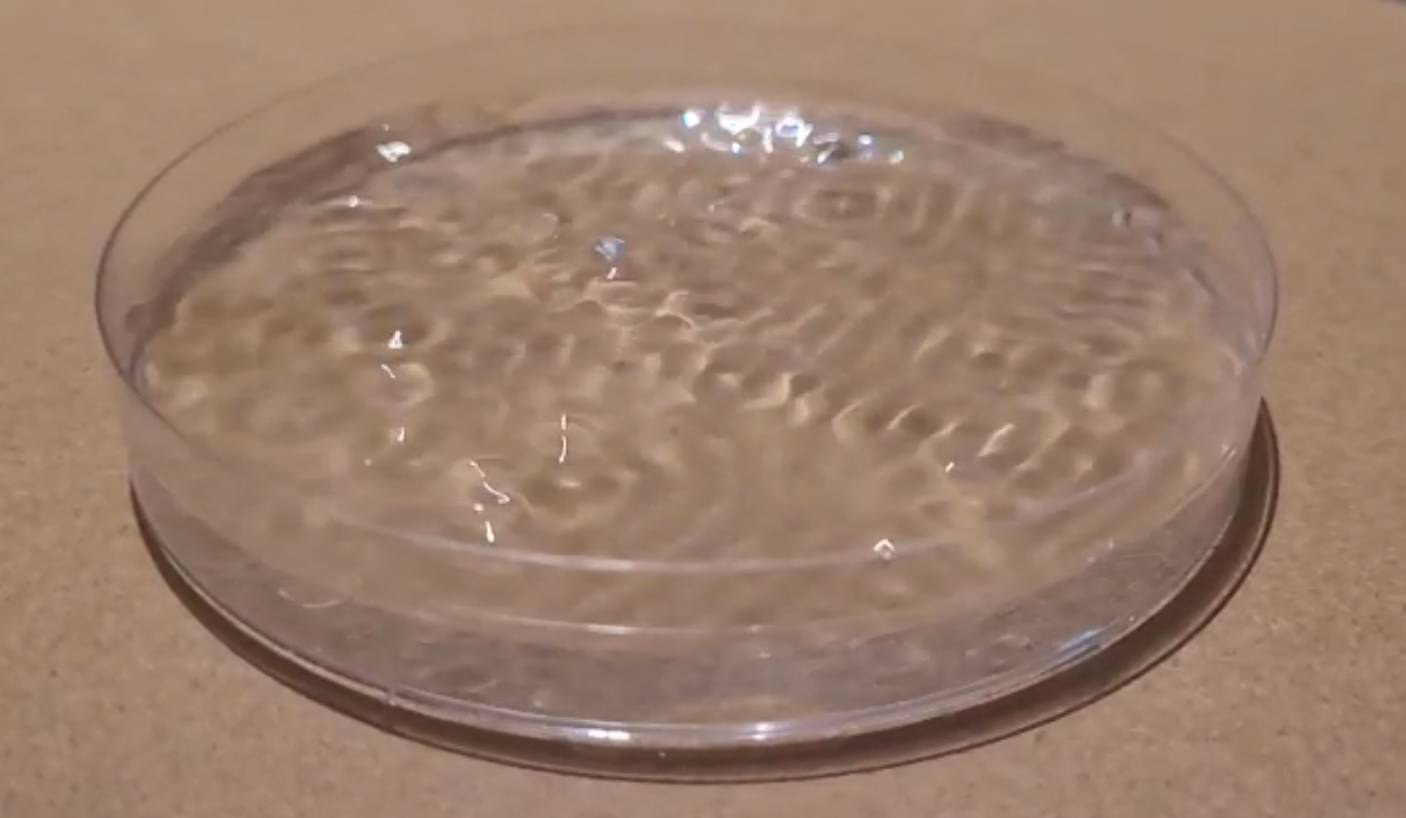


Faraday Waves: an Oil Dish on a Loudspeaker, Driven from a Phone (Faraday 1831; Harris & Bush 2016)
Shake a thin layer of oil up and down with a loudspeaker and its flat surface breaks into a regular grid of standing peaks: Faraday waves. Build the bath from a woofer, a small amplifier and a 10 cm dish, drive it from a phone app, find the threshold, measure the wavelength, and prove with slow motion that the liquid answers at half the driving frequency, as Faraday found in 1831. About $60 of parts.
འགོ་བཙུགས
45 minutes
ལམ་སྟོན
1
1
Watch Faraday waves
Watch Faraday waves
A short clip of Faraday waves on a liquid in a shaken dish. Once the shaking passes a threshold, the flat surface breaks into a regular grid of standing peaks. Everything you need to build your own is listed here.
གོམ་པ་འདིའི་རྫས་རིགས:
 སྒྲ་སྐྱེད་འཕྲུལ་ཆས།1 དུམ་བུ།
 སྒྲ་ཤུགས་སྐྱེད་ཆས།1 དུམ་བུ།
 གཏིང་དམའ་བའི་སྡེར་མ1 དུམ་བུ།
 ཤོག་ཀུ་ཐུག་ཏོག་ཏོ་ནག་པོ།1 དུམ་བུ།
 སྤྱིན1 དུམ་བུ།
 མཐུད་སྦྱོར་གློག་ཐག1 དུམ་བུ།
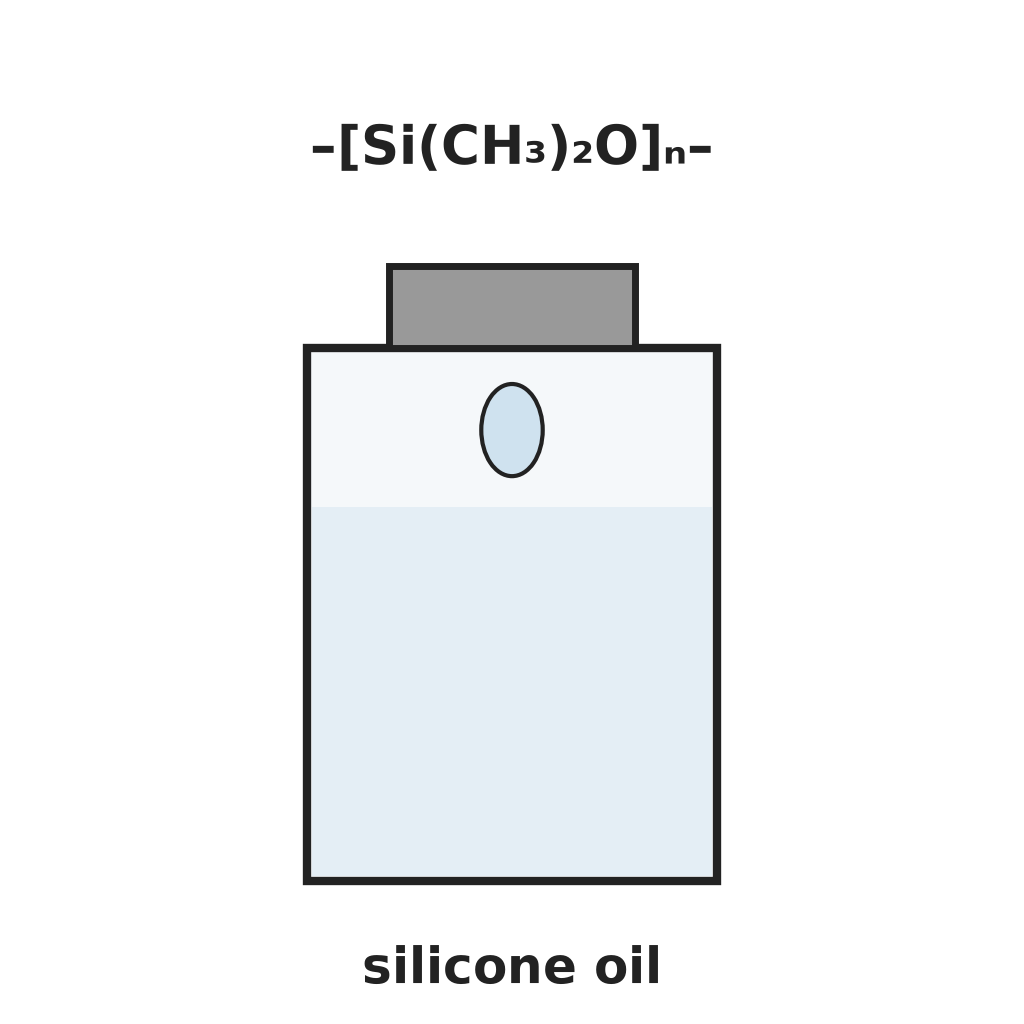 ཌཱའི་མེ་ཐིལ་སི་ལི་ཀོན་སྣུམ།1 དུམ་བུ།
ལག་ཆས་དགོས་མཁོ:
 དལ་གཟུགས་བརྙན་ཡོད་པའི་འཕྲུལ་རིག་ཁ་པར།
 སྒྲའི་གློག་ཐག
 ཐིག་ཤིང་།
2
2
What Faraday saw (1831)
What Faraday saw (1831)
Michael Faraday shook a glass plate covered with water and saw "small conoidal elevations of equal lateral extent, usually arranged rectangularly with extreme regularity" (§65). They were "smaller for a high note, larger for a low one". His key finding (§101): "Each heap ... recurs or is re-formed in two complete vibrations of the sustaining surface": the liquid moves at half the shaking frequency. You will measure both.
3
3
Build the bath
Build the bath
Paste black paper or card to the base of a 10 cm (4 in) dish so the waves show up. Glue the dish to the centre of the speaker cone and make it level. Harris et al. used a 6.5 in woofer (50 W, 8 ohm).
གོམ་པ་འདིའི་རྫས་རིགས:
གཏིང་དམའ་བའི་སྡེར་མ1 དུམ་བུ།ཤོག་ཀུ་ཐུག་ཏོག་ཏོ་ནག་པོ།1 དུམ་བུ།སྤྱིན1 དུམ་བུ།སྒྲ་སྐྱེད་འཕྲུལ་ཆས།1 དུམ་བུ།4
4
Wire the speaker
Wire the speaker
Connect the two speaker terminals to the LEFT channel of a small stereo amplifier with two wires. Plug the amplifier into its power supply, but leave it off.
གོམ་པ་འདིའི་རྫས་རིགས:
སྒྲ་ཤུགས་སྐྱེད་ཆས།1 དུམ་བུ།མཐུད་སྦྱོར་གློག་ཐག1 དུམ་བུ།5
5
Pour about 3 mm of oil
Pour about 3 mm of oil
Pour 20 cSt silicone oil into the dish to about 3 mm deep (Harris et al.); check the depth with a ruler. Linseed oil from a hardware shop also works. Keep oil off the speaker cone.
གོམ་པ་འདིའི་རྫས་རིགས:
ཌཱའི་མེ་ཐིལ་སི་ལི་ཀོན་སྣུམ།1 དུམ་བུ། ལིན་སིཊ་སྣུམ།1 དུམ་བུ།
ལག་ཆས་དགོས་མཁོ:
ཐིག་ཤིང་།6
6
Drive it from your phone
Drive it from your phone
Connect the phone to the amplifier with a 3.5 mm audio cable. In a free function-generator app, set the left channel to a sine wave at 15 % amplitude: 80 Hz for silicone oil, 60 Hz for linseed. Set the phone volume to maximum. Turn on the amplifier, set the bass to about 75 %, then slowly raise the volume until Faraday waves appear (Harris et al.).
ལག་ཆས་དགོས་མཁོ:
དལ་གཟུགས་བརྙན་ཡོད་པའི་འཕྲུལ་རིག་ཁ་པར།སྒྲའི་གློག་ཐག7
7
Find the threshold
Find the threshold
Lower the volume until the surface is flat, then raise it a little at a time. The volume at which the grid first appears is the Faraday threshold. Note it, change the frequency, and find it again. Above the threshold the peaks grow taller but do not spread further apart, as Faraday wrote (§65).
ལག་ཆས་དགོས་མཁོ:
དལ་གཟུགས་བརྙན་ཡོད་པའི་འཕྲུལ་རིག་ཁ་པར།8
8
Measure the wavelength
Measure the wavelength
Just above the threshold, hold a ruler level over the dish and count the crests along 40 mm (ours). Wavelength = length / (crests - 1). Repeat at two other frequencies: lower notes give larger crests.
ལག་ཆས་དགོས་མཁོ:
ཐིག་ཤིང་།9
9
See the half frequency
See the half frequency
Film the surface in slow motion (ours). At 240 frames per second and an 80 Hz drive, the cone completes a stroke every 3 frames, but each peak only re-forms every 6 frames: 40 Hz, half the drive. That is Faraday's two vibrations per heap (§101).
ལག་ཆས་དགོས་མཁོ:
དལ་གཟུགས་བརྙན་ཡོད་པའི་འཕྲུལ་རིག་ཁ་པར།10
10
Check it with the wave law
Check it with the wave law
Jupyter ཚང་དེབ་མངོན་གསལ་འབད་དོ་…
11
11
Troubleshooting
Troubleshooting
Problems and fixes.
Flow
Loading...
12
12
Questions and answers
Questions and answers
**Why half the frequency?** Seen from the moving dish, the liquid feels gravity plus the dish's own acceleration, so the pull on it rises and falls with every stroke. Waves pumped this way (parametrically) appear at half the drive for a layer like yours (Pedersen et al., after Benjamin and Ursell). **Is the answer ever different?** In a very thin layer (about 1 mm), waves at the drive frequency itself can appear first (Pedersen et al.). **Other liquids?** Faraday used water, diluted ink, milk, alcohol and egg white (§66, §75). The cover photo shows water at about 50 Hz. **Can a swimming pool do this?** Not as Faraday waves: the whole container must move up and down. Big round wave tanks make patterns with paddles around the edge, which is a different effect.
13
13
Sources and honest limits
Sources and honest limits
M. Faraday, Phil. Trans. R. Soc. 121 (1831), pp. 299-340, §65, §66, §75, §101. D. M. Harris, J. Quintela, V. Prost, P.-T. Brun and J. W. M. Bush, J. Vis. (2016), supplementary build guide (parts, 3 mm, 80/60 Hz, settings). H. B. Pedersen et al., Eur. J. Phys. 44 (2023) 065002 (half-frequency rule, wave law, silicone oil values). The ruler count, slow-motion check and notebook are ours. The wave law ignores viscosity and the dish wall, so your measured wavelength will differ a little from it. Cover: "Faraday Waves" by Bremps, CC BY-SA 4.0, Wikimedia Commons.
རྫས་རིགས
8- ས་ཆ་འཛིན
- ས་ཆ་འཛིན
- 1 དུམ་བུ།ས་ཆ་འཛིན
- 1 དུམ་བུ།ས་ཆ་འཛིན
- 2 དུམ་བུ།ས་ཆ་འཛིན
- ས་ཆ་འཛིན
- 2 དུམ་བུ།ས་ཆ་འཛིན
- 1 དུམ་བུ།ས་ཆ་འཛིན
བིལུ་པིརིན་ཊི་འདི་གིས་བཟོ་མི
CC0 སྤྱི་དབང
བིལུ་པིརིན་ཊི་འདི་CC0 འོག་བཀྲམས་ཡོད། ཁྱེད་རང་གིས་ཆོག་མཆན་མ་བཞེས་པར་ཕབ་ལེན་དང་བཟོ་བཅོས། བགོ་བཤའ། དགོས་མཁོ་གང་ལའང་བཀོལ་སྤྱོད་བྱས་ཆོག
བཟོ་མཁན་ལ་རྒྱབ་སྐྱོར་བྱེད་པའི་ཆེད་ཁོང་ཚོའི་བིལུ་པིརིན་ཊི་བརྒྱུད་ཐོན་སྐྱེད་ཉོ། བཟོ་མཁན་གྱིས བཟོ་མཁན་གྱི་ཁེ་ཕོགས ཚོང་པས་གཏན་འཁེལ་བྱས་པ། ཡང་ན་བིལུ་པིརིན་ཊི་འདིའི་པར་གསར་བཟོས་ཏེ་ཁྱེད་རང་གི་བིལུ་པིརིན་ཊི་ནང་མཐུད་སྦྲེལ་བྱས་ཏེ་ཡོང་སྒོ་བགོ་བཤའ་བྱེད།