སྒྱུ་རྩལ
མཛེས་སྡུག་དང་བདེ་ཐང
བཟོ་རིག
རིག་གནས་དང་ལོ་རྒྱུས
དགའ་སྟོན
ཁོར་ཡུག
ཟས་དང་བཏུང་རྫས
ཕྱིར་འཕྲུལ་རིག
ཚན་རིག
རྩེད་འགྲན
རིག་རྩལ
གྱོན་རུང
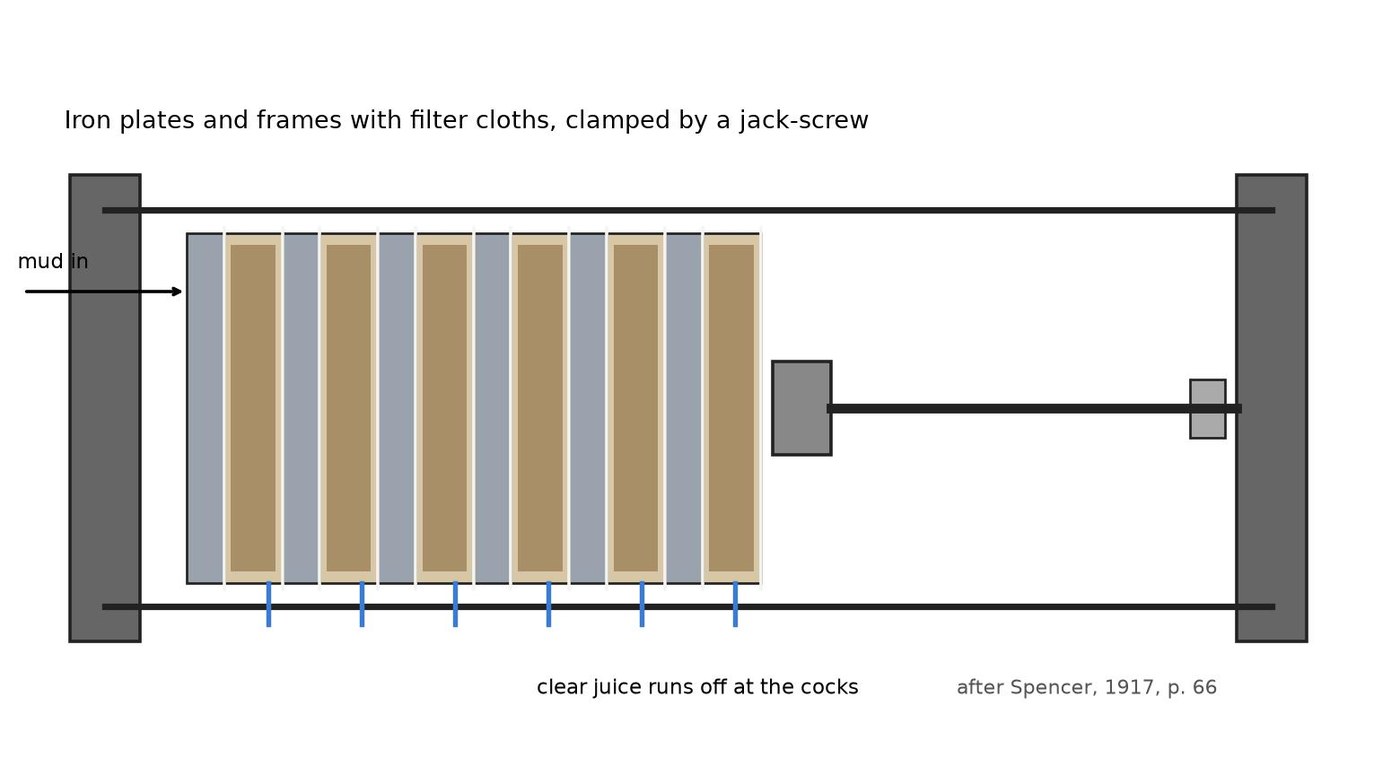

Filter Press: Iron Plates and Frames Clamped by a Jack-Screw (Spencer, 1917)
The sugar-house filter press: a row of iron plates and frames, each covered with filter cloth, hung on a heavy framework and squeezed together by a strong jack-screw. The cloth itself seals the joints. Mud pumped in collects as cake in the frames, and the clear liquid runs out through cocks on the plates.
Result: a plate-and-frame filter press that works best at about 40 lb per square inch.
Source: G. L. Spencer, A Handbook for Cane-Sugar Manufacturers (1917), pp. 66-67. Unknown: sizes and the number of chambers. Picture: a drawn diagram.
མཐོ་རིམ
Unknown
ལམ་སྟོན
1
1
Make the plates and frames
Make the plates and frames
Make the plates and frames of iron, with outlet openings and cocks on the plates for the filtered liquid. For a frame (side-feed) press, cast a lug on each frame and plate with an opening, so the lugs line up into a mud channel. For a centre-feed press, make heavy recessed plates with a round opening in each instead. Ours: iron castings. Not given: sizes, the number of chambers.
གོམ་པ་འདིའི་རྫས་རིགས:
 ལྕགས་བླུགས་ཀྱི་ཅ་ལ1 plates and frames
 ཕྱེ་སྒོ་མ་ཤེས་པ།1 outlet cocks
ལག་ཆས་དགོས་མཁོ:
 གཤག་གཏུབ་འཁྲུལ་འཁོར།
 འཁོད་བཞག་ཕུག་འཕྲུལ།
 མ་ཤེས་པའི་ཚད།
2
2
Build the frame and jack-screw
Build the frame and jack-screw
Build a heavy framework that carries the plates and frames in a row, with a powerful jack-screw at one end to clamp them together. Not given: the framework's sizes and metal.
གོམ་པ་འདིའི་རྫས་རིགས:
 མ་ཤེས་པའི་ལྕགས་རིགས།1 framework and jack-screw
ལག་ཆས་དགོས་མཁོ:
འཁོད་བཞག་ཕུག་འཕྲུལ།མ་ཤེས་པའི་ཚད།3
3
Dress it with cloth
Dress it with cloth
Hang a heavy cotton filter cloth over each plate, with a thin cotton cloth over it to protect it from wear; the cloth makes the joints between plates and frames. In a frame press the cloth has no hole, and rubber rings or cloth 'stockings' seal between the lugs. In a centre-feed press, cut a hole in the cloth to match each plate's opening and clamp the cloth to the plate there. Screw the pack tight.
གོམ་པ་འདིའི་རྫས་རིགས:
 རས་བལ་གྱི་འཚག་རས་རྩུབ་མོ།1 heavy cloths
 རས་བལ་གྱི་བཙག་རས་ཕྲ་མོ1 thin cover cloths
 རང་བཞིན་གྱི་རབ་བར་ཤོག་ལེབ།1 lug rings
ལག་ཆས་དགོས་མཁོ:
 ཇེམ་ཙི།
4
4
Steam it and press
Steam it and press
Before use, blow steam through the press until it comes freely from the cocks. Pump the mud in: about 40 lb per square inch gives very good work, and juice is pumped in at up to about 45 lb. More pressure risks breaking the press and blinding the cloths. The solids collect in the frames and the clear liquid runs off at the cocks. To wash the cake, close the cocks on the water plates and force water through it. Ours: a diaphragm pump.
ལག་ཆས་དགོས་མཁོ:
 རླངས་པའི་ཁོལ་སྣོད།
 སྐྱོགས་ལྕགས་རྫས་འཕྱར་འཕེལ།
རྫས་རིགས
6- 1 plates and framesས་ཆ་འཛིན
- 1 outlet cocksས་ཆ་འཛིན
- 1 framework and jack-screwས་ཆ་འཛིན
- 1 heavy clothsས་ཆ་འཛིན
- 1 thin cover clothsས་ཆ་འཛིན
- 1 lug ringsས་ཆ་འཛིན
ལག་ཆས་དགོས་མཁོ
6- ས་ཆ་འཛིན
- ས་ཆ་འཛིན
- ས་ཆ་འཛིན
- ས་ཆ་འཛིན
- ས་ཆ་འཛིན
- ས་ཆ་འཛིན
མཐུད་སྦྲེལ་བིལུ་པིརིན་ཊི་རྫས་རིགས

འབུལ་ལམ 10%
Casting Iron in a Cupola Furnace — Re-Melting Pig Iron into Finished Castings
Piett གྱིས
ལྕགས་བཟོ
༥༠
༠
༠
༠
༦
༠
འབུལ་ལམ 10%
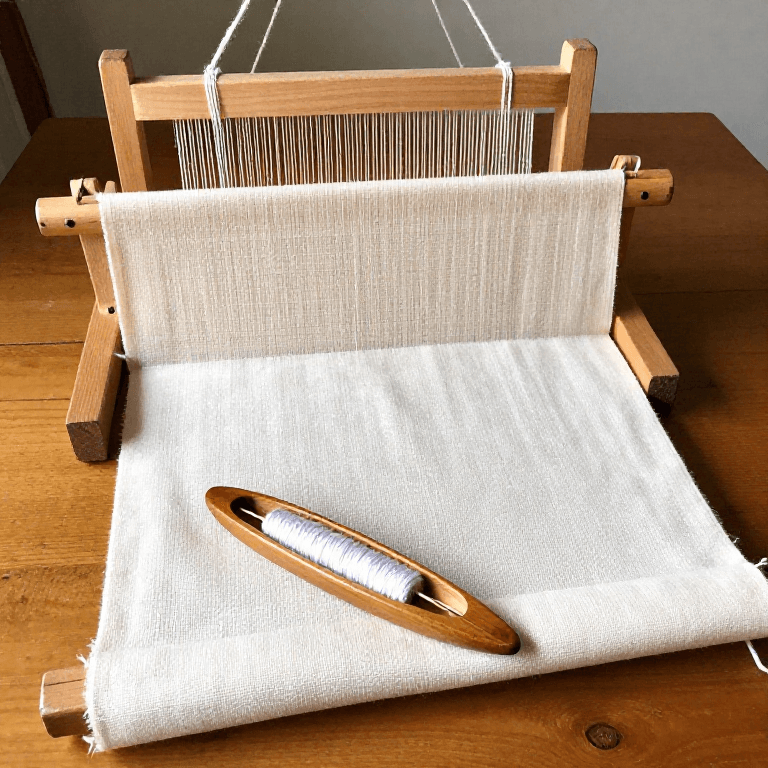
Plain-Weave Cotton Cloth on a Rigid Heddle Loom
Tex གྱིས
རས་དང་པགས
༣༩
༠
༠
༠
༡
༠
འབུལ་ལམ 10%
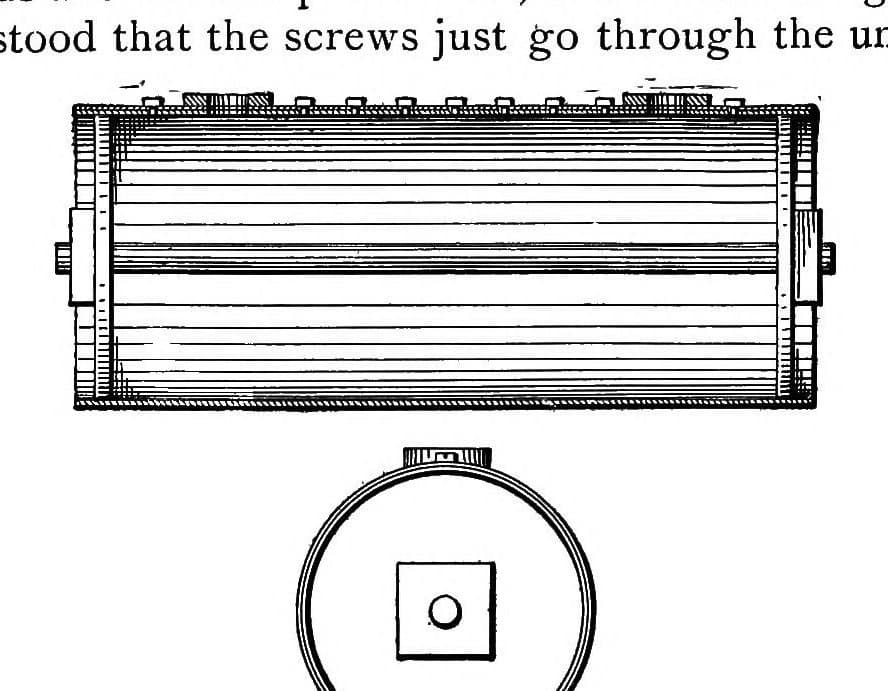
Steam Boiler: Small Brass Shell Boiler, Screwed and Soldered (Hopkins, Model Engines and Small Boats, 1898)
Volt གྱིས
དྲོད་ནུས་རིག
༡
༠
༠
༠
༢
༠
བིལུ་པིརིན་ཊི་འདི་གིས་བཟོ་མི

CC0 སྤྱི་དབང
བིལུ་པིརིན་ཊི་འདི་CC0 འོག་བཀྲམས་ཡོད། ཁྱེད་རང་གིས་ཆོག་མཆན་མ་བཞེས་པར་ཕབ་ལེན་དང་བཟོ་བཅོས། བགོ་བཤའ། དགོས་མཁོ་གང་ལའང་བཀོལ་སྤྱོད་བྱས་ཆོག
བཟོ་མཁན་ལ་རྒྱབ་སྐྱོར་བྱེད་པའི་ཆེད་ཁོང་ཚོའི་བིལུ་པིརིན་ཊི་བརྒྱུད་ཐོན་སྐྱེད་ཉོ། བཟོ་མཁན་གྱིས བཟོ་མཁན་གྱི་ཁེ་ཕོགས ཚོང་པས་གཏན་འཁེལ་བྱས་པ། ཡང་ན་བིལུ་པིརིན་ཊི་འདིའི་པར་གསར་བཟོས་ཏེ་ཁྱེད་རང་གི་བིལུ་པིརིན་ཊི་ནང་མཐུད་སྦྲེལ་བྱས་ཏེ་ཡོང་སྒོ་བགོ་བཤའ་བྱེད།