སྒྱུ་རྩལ
མཛེས་སྡུག་དང་བདེ་ཐང
བཟོ་རིག
རིག་གནས་དང་ལོ་རྒྱུས
དགའ་སྟོན
ཁོར་ཡུག
ཟས་དང་བཏུང་རྫས
ཕྱིར་འཕྲུལ་རིག
ཚན་རིག
རྩེད་འགྲན
རིག་རྩལ
གྱོན་རུང
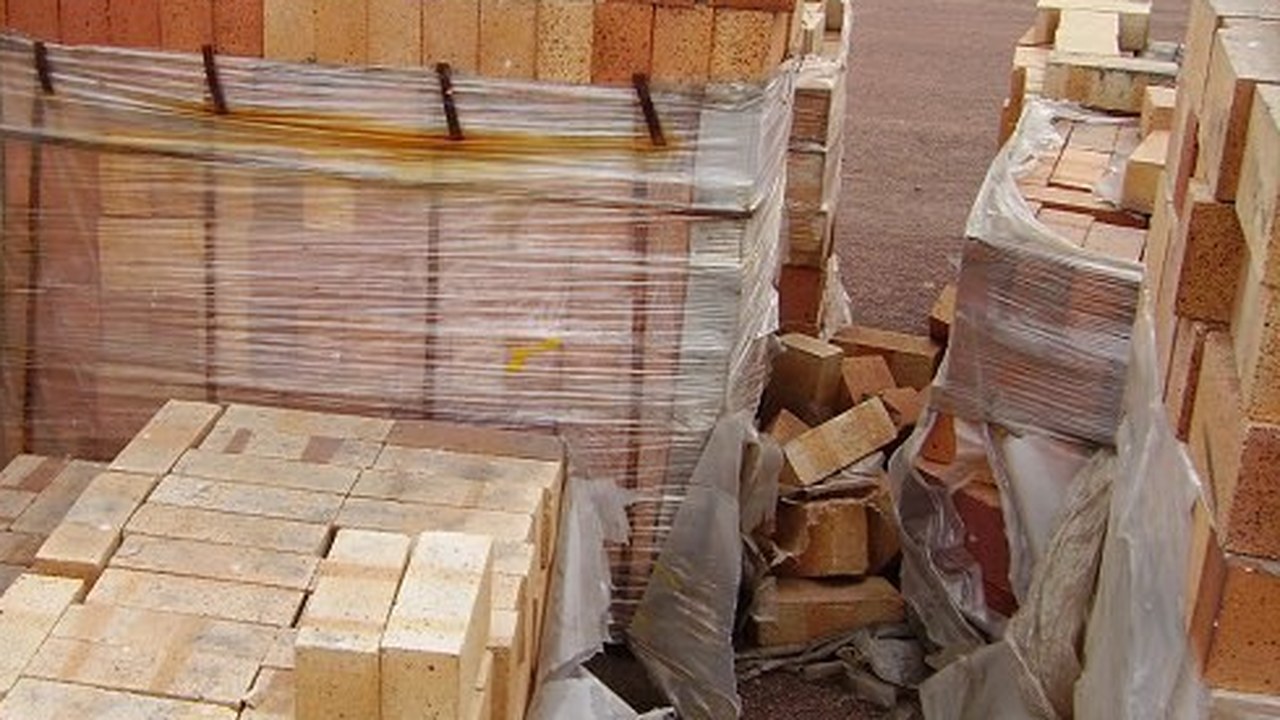
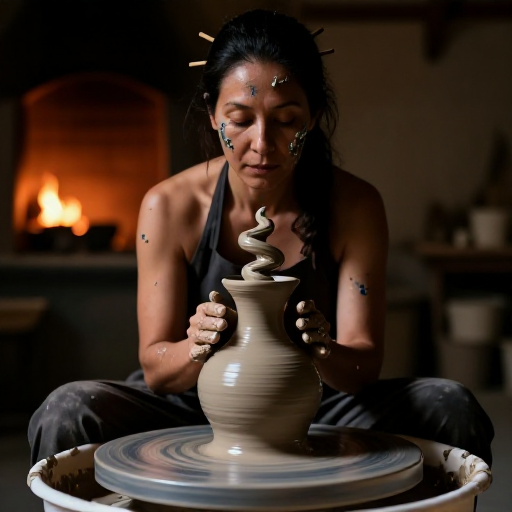

Fireclay Firebricks
Firebricks line kilns, forges and furnaces because they stand heat that would slump or crack ordinary brick. They are refractory fireclay bound round a large share of grog. Potters' guides give about 20–40 % grog for general kiln bricks and up to 60–80 % for the hottest parts such as fireboxes; the bonding clay should be a little less refractory than the grog. Factory firebricks are fired at about 1,100–1,400 °C.
Make test bricks first, fire them, and check them for cracks before making a whole batch.
བར་མ
A day, plus weeks drying and a firing
ལམ་སྟོན
1
1
Choose the mix
Choose the mix
For general kiln walls weigh about 70 parts fireclay to 30 parts coarse grog; for a firebox about 30 to 70. Write the mix on a label.
ལག་ཆས་དགོས་མཁོ:
 ལྗིད་ཚད་སྲང་།
2
2
Mix
Mix
Mix the dry fireclay and grog in the trough, then add water a little at a time and tread or turn it until it is stiff and holds together.
གོམ་པ་འདིའི་རྫས་རིགས:
 མེ་བཟོད་ཀྱི་འཇིམ།14 kg
 གྲོག (བསྲེགས་ཡོད་པའི་རྫ་མའི་ཕྱེ་མ)6 kg
 ཆུ།3 ལི་ཊར།
ལག་ཆས་དགོས་མཁོ:
 སྦྱོར་སའི་གཞོང་པ།
 ས་བརྐོའི་ལག་ཆས།
 ཐལ་བའི་ཁ་རས།
3
3
Mould
Mould
Dust the wet brick mould with sand, throw a lump in hard so it fills the corners, strike off the top with the straightedge and tip the brick out onto a board.
གོམ་པ་འདིའི་རྫས་རིགས:
 བྱེ་མ།1 kg
ལག་ཆས་དགོས་མཁོ:
 ཤིང་གི་སོ་ཕག་དཔེ་གཟུགས
 ཟུར་དྲང་པོ།
4
4
Dry slowly
Dry slowly
Dry the bricks on pallets under cover, out of sun and wind, for several weeks, turning them now and then. They must be dry right through before firing.
ལག་ཆས་དགོས་མཁོ:
 ཤིང་གི་པེ་ལེཊ།
 ཆུ་བཟོད་ཀྱི་གུར་རས།
5
5
Fire
Fire
Stack them with gaps in the kiln and fire them slowly at first, then as hot as the kiln will safely go. Note the top temperature on the pyrometer.
ལག་ཆས་དགོས་མཁོ:
 ཐབ།
ཐབ། པཱའི་རོ་མི་ཊར
 ཐབ་ནང་གི་ཅ་ཆས
6
6
Check them
Check them
When cold, tap each brick: a clear ring means it is sound, a dull thud means a crack. Measure the shrinkage for the next batch.
ལག་ཆས་དགོས་མཁོ:
 འཇལ་ཐག
7
7
Troubleshooting
Troubleshooting
Firebrick troubleshooting.
Flow
Loading...
རྫས་རིགས
4- 14 kgས་ཆ་འཛིན
- ས་ཆ་འཛིན
- 3 ལི་ཊར།ས་ཆ་འཛིན
- 1 kgས་ཆ་འཛིན
ལག་ཆས་དགོས་མཁོ
12- ས་ཆ་འཛིན
- ས་ཆ་འཛིན
- ས་ཆ་འཛིན
- ས་ཆ་འཛིན
- ས་ཆ་འཛིན
- ས་ཆ་འཛིན
- ས་ཆ་འཛིན
- ས་ཆ་འཛིན
- ས་ཆ་འཛིན
- ས་ཆ་འཛིན
- ས་ཆ་འཛིན
- 1 vendor sell this, none ship to you yetས་ཆ་འཛིན
བིལུ་པིརིན་ཊི་འདི་གིས་བཟོ་མི

འབྲེལ་ཡོད་བིལུ་པིརིན་ཊི
བིལུ་པིརིན་ཊི་འདི་ཚུ་ཐབས་ལམ་དང་རྫས་རིགས། སྤྱི་ཆོས་བགོ་བཤའ་བྱེད

CC0 སྤྱི་དབང
བིལུ་པིརིན་ཊི་འདི་CC0 འོག་བཀྲམས་ཡོད། ཁྱེད་རང་གིས་ཆོག་མཆན་མ་བཞེས་པར་ཕབ་ལེན་དང་བཟོ་བཅོས། བགོ་བཤའ། དགོས་མཁོ་གང་ལའང་བཀོལ་སྤྱོད་བྱས་ཆོག
བཟོ་མཁན་ལ་རྒྱབ་སྐྱོར་བྱེད་པའི་ཆེད་ཁོང་ཚོའི་བིལུ་པིརིན་ཊི་བརྒྱུད་ཐོན་སྐྱེད་ཉོ། བཟོ་མཁན་གྱིས བཟོ་མཁན་གྱི་ཁེ་ཕོགས ཚོང་པས་གཏན་འཁེལ་བྱས་པ། ཡང་ན་བིལུ་པིརིན་ཊི་འདིའི་པར་གསར་བཟོས་ཏེ་ཁྱེད་རང་གི་བིལུ་པིརིན་ཊི་ནང་མཐུད་སྦྲེལ་བྱས་ཏེ་ཡོང་སྒོ་བགོ་བཤའ་བྱེད།