སྒྱུ་རྩལ
མཛེས་སྡུག་དང་བདེ་ཐང
བཟོ་རིག
རིག་གནས་དང་ལོ་རྒྱུས
དགའ་སྟོན
ཁོར་ཡུག
ཟས་དང་བཏུང་རྫས
ཕྱིར་འཕྲུལ་རིག
ཚན་རིག
རྩེད་འགྲན
རིག་རྩལ
གྱོན་རུང
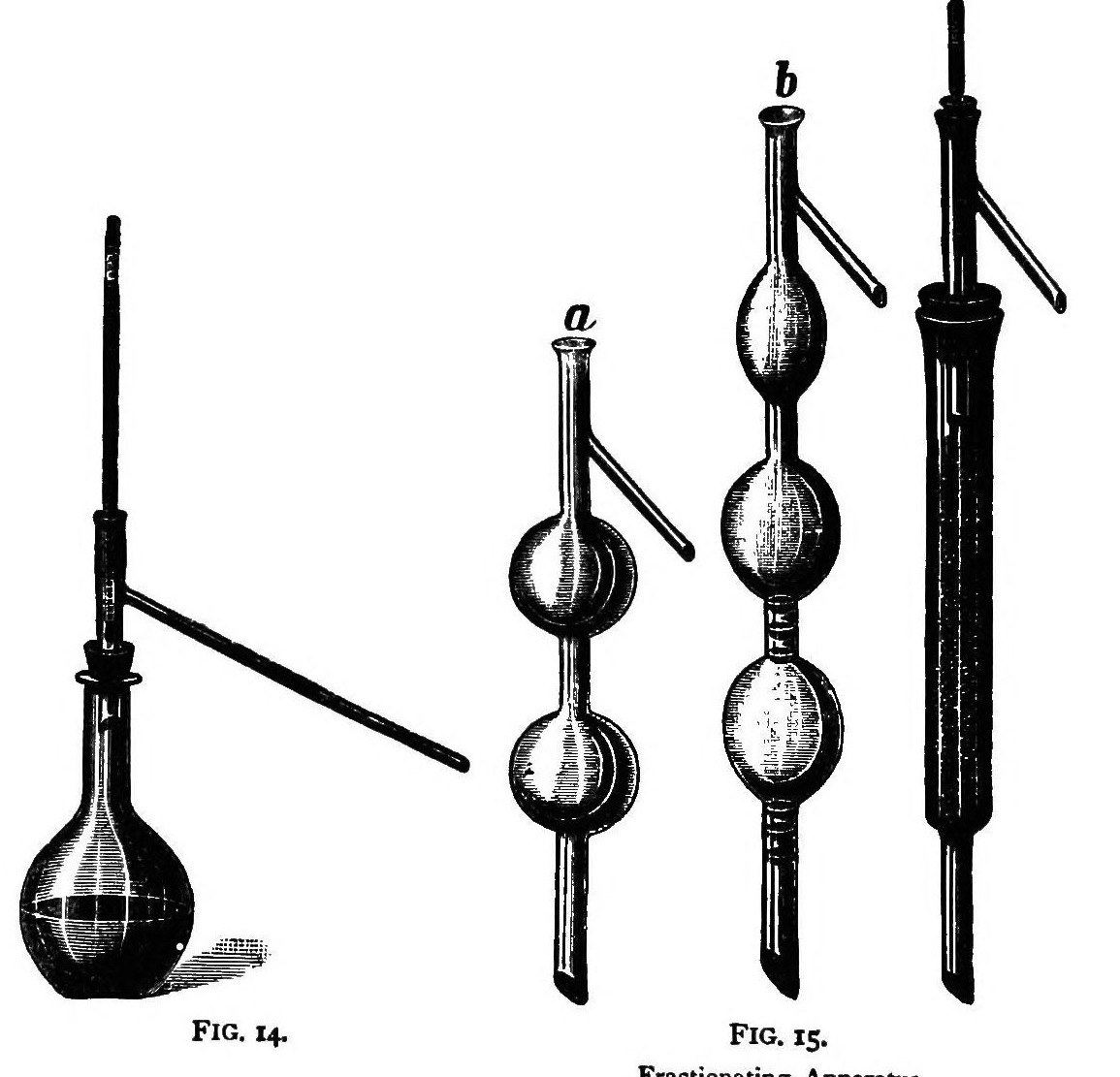


Fractionating Still: Hempel Bead Column on a Round Flask with Liebig Condenser (Gattermann, 1901)
The classic laboratory set-up for splitting a mixture of liquids by boiling point. A round flask is topped by a Hempel column, a tube packed with glass beads, with a side outlet near the top and a thermometer in a cork above it. The higher-boiling vapour condenses on the beads and runs back, so the vapour reaching the outlet is richer in the lower-boiling part; a Liebig condenser turns it to liquid in the receiver. One pass through it separates better than repeated distillations from a plain flask.
Result: a fractionating still for laboratory distillations at atmospheric pressure.
Source: L. Gattermann, The Practical Methods of Organic Chemistry (2nd American ed., 1901), pp. 16-24. Unknown: column and bead sizes. Picture: the book's Figs. 14-15.
བར་མ
Unknown
ལམ་སྟོན
1
1
Make the Hempel column
Make the Hempel column
Take a wide glass tube with a side outlet tube near its top and fill it with glass beads; the beads act like sieves, holding back the higher-boiling part. Fit it to a round, short-necked flask with a bored cork (or have it fused onto the bulb); flasks with the same neck width can share one cork. Choose a flask the charge will fill about two-thirds. Not given: sizes. Ours: a glass tube for the column body.
གོམ་པ་འདིའི་རྫས་རིགས:
 ཤེལ་གྱི་དོང་པོ།1 column
 ཤེལ་གྱི་ཕྲེང་བ།1 packing
 མཐིལ་ཟླུམ་པོའི་ཤེལ་དམ།1 དུམ་བུ།
 ཤིང་ཤུན་གྱི་ཁ་རྒྱབ།2 དུམ་བུ།
ལག་ཆས་དགོས་མཁོ:
 ཀོརཀ་ཕུག་ཆས།
2
2
Set the thermometer and condenser
Set the thermometer and condenser
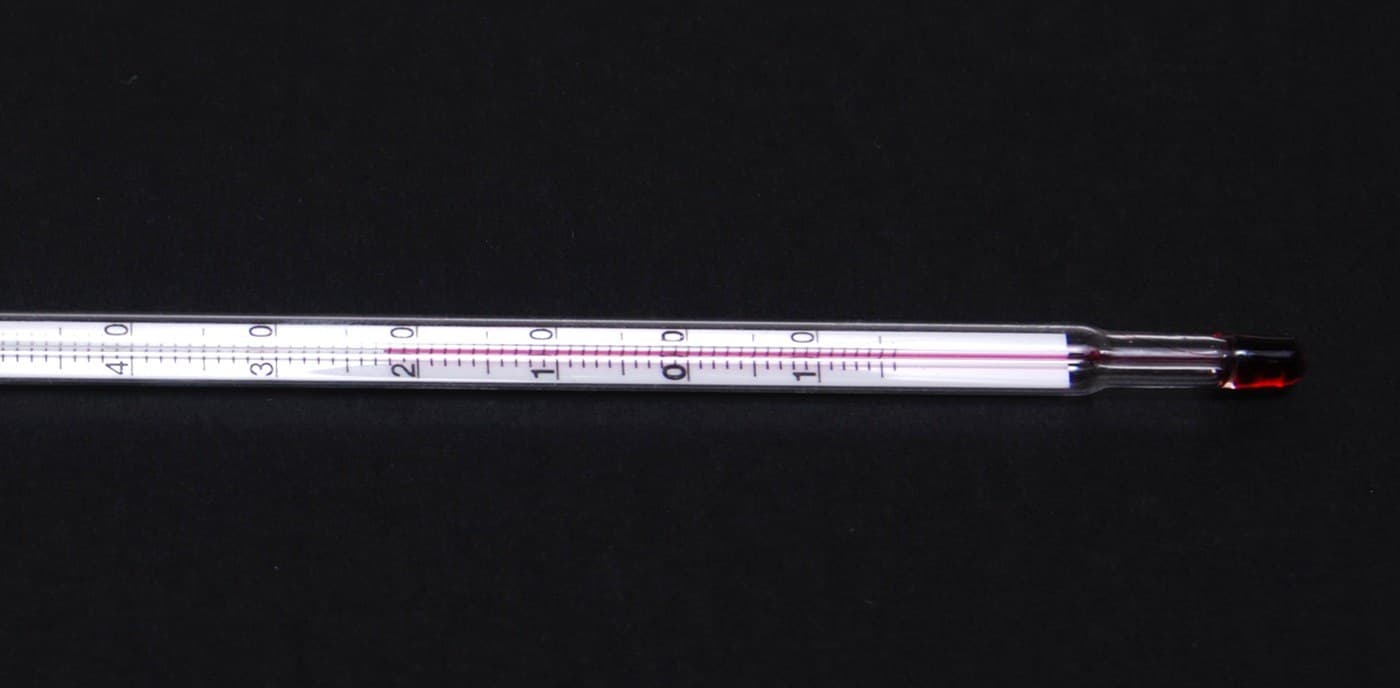
Pass the thermometer through a cork (not rubber) in the top of the column so its bulb sits level with the outlet, never down in the liquid. For liquids boiling up to 100° join the outlet to a Liebig condenser with a cork (long for very low boilers, short for high); from 100-200° cool the receiver with running water; above that a wide glass tube 50 cm long on the outlet is enough. If the vapour attacks cork, push the outlet far into the condenser instead. Clamp the apparatus above the outlet, never below it, or the hot glass may crack.
གོམ་པ་འདིའི་རྫས་རིགས:
 ཞིབ་དཔྱད་ཁང་གི་ཚ་གྲང་འཇལ་ཆས།1 དུམ་བུ།
 ཆུ་གིས་ གྲང་བཟོ་བའི་ ཁུ་སྐྱོར་འཕྲུལ་ཆས།1 དུམ་བུ།
 ཨར་ལེན་མའི་ཡར་གྱི་ཤེལ་དམ།2 receivers
ལག་ཆས་དགོས་མཁོ:
 འཁོར་ལོའི་འདེགས་ཀ། (ཞིབ་དཔྱད་ཁང་གི་འདེགས་ཀ)ཀོརཀ་ཕུག་ཆས།
3
3
Fractionate
Fractionate
Add a few bits of glass or platinum wire against bumping. Heat on the water-bath for liquids boiling up to about 80°, otherwise over a small free flame moved slowly to and fro under the flask, never above the liquid level, so the distillate falls into the receiver steadily in drops. With the Hempel column stop heating now and then so the liquid held in the beads can run back. Collect the first runnings, the main fraction at a steady temperature, and the last runnings in separate receivers; for a mixture, collect fractions over set ranges and distil them again.
ལག་ཆས་དགོས་མཁོ:
 བུན་སེན་གྱི་མེ་ཐབ།འཁོར་ལོའི་འདེགས་ཀ། (ཞིབ་དཔྱད་ཁང་གི་འདེགས་ཀ)
རྫས་རིགས
7- 1 columnས་ཆ་འཛིན
- 1 packingས་ཆ་འཛིན
- 1 དུམ་བུ།ས་ཆ་འཛིན
- 2 དུམ་བུ།ས་ཆ་འཛིན
- 1 དུམ་བུ།ས་ཆ་འཛིན
- ས་ཆ་འཛིན
- 2 receiversས་ཆ་འཛིན
ལག་ཆས་དགོས་མཁོ
3- ས་ཆ་འཛིན
- ས་ཆ་འཛིན
བིལུ་པིརིན་ཊི་འདི་གིས་བཟོ་མི

འབྲེལ་ཡོད་བིལུ་པིརིན་ཊི
བིལུ་པིརིན་ཊི་འདི་ཚུ་ཐབས་ལམ་དང་རྫས་རིགས། སྤྱི་ཆོས་བགོ་བཤའ་བྱེད

CC0 སྤྱི་དབང
བིལུ་པིརིན་ཊི་འདི་CC0 འོག་བཀྲམས་ཡོད། ཁྱེད་རང་གིས་ཆོག་མཆན་མ་བཞེས་པར་ཕབ་ལེན་དང་བཟོ་བཅོས། བགོ་བཤའ། དགོས་མཁོ་གང་ལའང་བཀོལ་སྤྱོད་བྱས་ཆོག
བཟོ་མཁན་ལ་རྒྱབ་སྐྱོར་བྱེད་པའི་ཆེད་ཁོང་ཚོའི་བིལུ་པིརིན་ཊི་བརྒྱུད་ཐོན་སྐྱེད་ཉོ། བཟོ་མཁན་གྱིས བཟོ་མཁན་གྱི་ཁེ་ཕོགས ཚོང་པས་གཏན་འཁེལ་བྱས་པ། ཡང་ན་བིལུ་པིརིན་ཊི་འདིའི་པར་གསར་བཟོས་ཏེ་ཁྱེད་རང་གི་བིལུ་པིརིན་ཊི་ནང་མཐུད་སྦྲེལ་བྱས་ཏེ་ཡོང་སྒོ་བགོ་བཤའ་བྱེད།