སྒྱུ་རྩལ
མཛེས་སྡུག་དང་བདེ་ཐང
བཟོ་རིག
རིག་གནས་དང་ལོ་རྒྱུས
དགའ་སྟོན
ཁོར་ཡུག
ཟས་དང་བཏུང་རྫས
ཕྱིར་འཕྲུལ་རིག
ཚན་རིག
རྩེད་འགྲན
རིག་རྩལ
གྱོན་རུང
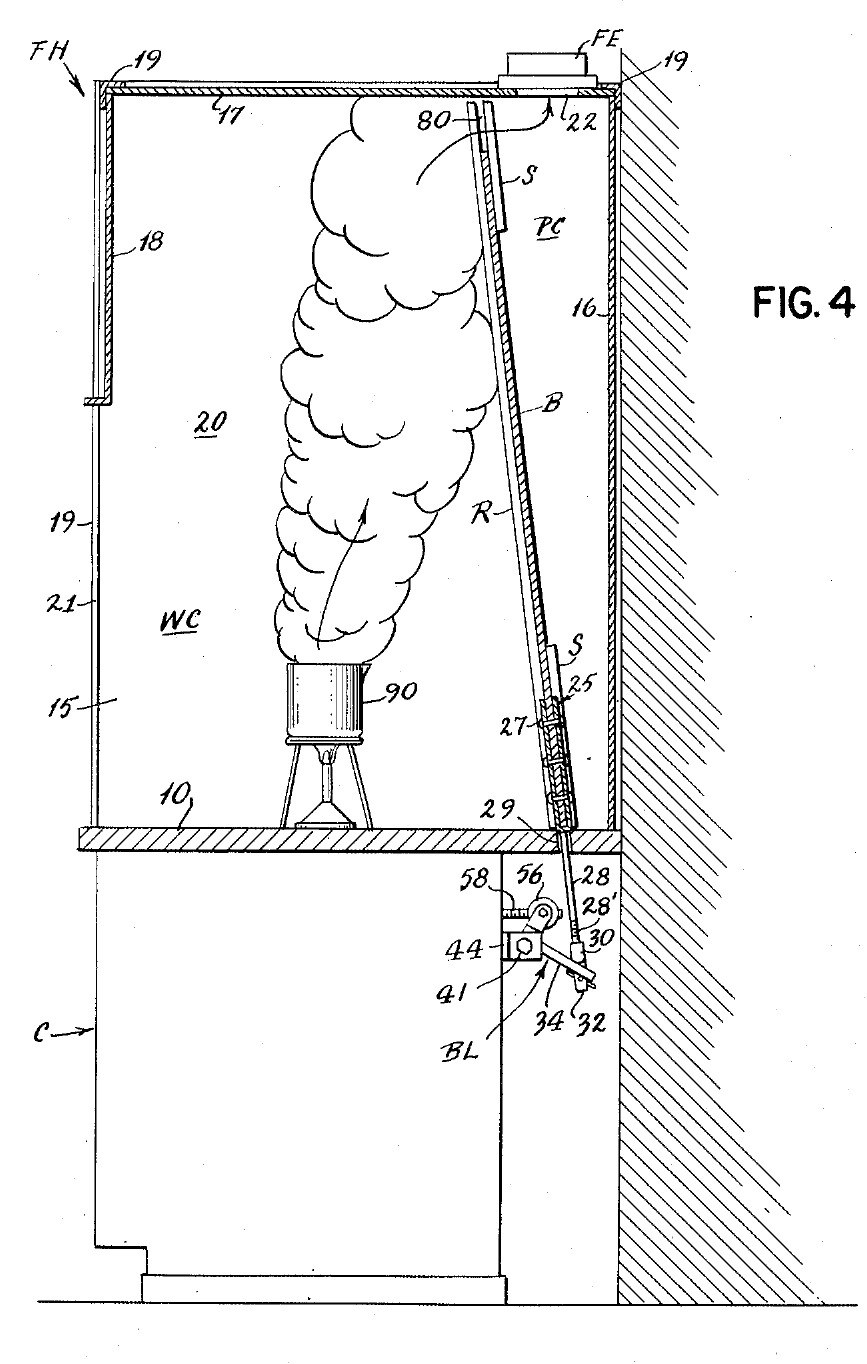


Fume Hood (Ducted): Sloping Stone Baffle Set from Outside by a Crank (Liptay, US 2,779,265, 1957)
A bench fume hood on a stone counter, drawn off through a duct with a fan. Inside, a sloping stone baffle leaves a gap at the top and one at the bottom. A crank under the counter slides the baffle: one gap grows as the other shrinks, so the air sweeps light fumes out at the top or heavy fumes out at the bottom, with no one reaching inside.
Result: a ducted hood whose air flow can be set for light or heavy fumes during work.
Source: J. M. Liptay, US 2,779,265 (1957). Unknown: sizes, air flow, the fan and most materials. Picture: the patent drawing.
མཐོ་རིམ
Unknown
ལམ་སྟོན
1
1
Build the cabinet and stone counter
Build the cabinet and stone counter
Build a sheet metal cabinet. Fix spaced sheet metal channels to its front panel and rear wall, and lay a stone slab on them as the counter. Bore a hole through the slab near the back, at the middle, for the baffle's lifting rod. Not given: sizes, the metal.
གོམ་པ་འདིའི་རྫས་རིགས:
 མ་ཤེས་པའི་ལྕགས་རིགས།1 cabinet and channels
 རྡོ་ལེབ་ཏོག་ཏོ།1 counter
ལག་ཆས་དགོས་མཁོ:
 ལྕགས་ལེབ་གཏུབ་ནིའི་ཇེམ་ཙི།
 འཁོད་བཞག་ཕུག་འཕྲུལ།
 མ་ཤེས་པའི་ཚད།
2
2
Build the hood
Build the hood
On the counter, make a frame of corner angle irons. Fix to it two sides, a rear wall, a roof and a front panel. Leave the front open below the front panel: this is the large opening where you work and where air comes in. Cut the fume outlet in the roof, towards the back. Not given: the panel material, sizes.
གོམ་པ་འདིའི་རྫས་རིགས:
 ལྕགས་འཇམ་གྱི་ཟུར་ལྕགས།1 corner frame
 ངོ་མ་ཤེས་པའི་རྒྱུ་ཆ།1 sides, rear wall, roof, front panel
ལག་ཆས་དགོས་མཁོ:
 ལྕགས་གཏུབ་སོག་ལེ།མ་ཤེས་པའི་ཚད།
3
3
Fit the exhaust pipe and fan
Fit the exhaust pipe and fan
Fix an exhaust pipe over the roof outlet, with a fan in it, to draw the fumes out. Not given: the pipe, the fan, the air flow.
གོམ་པ་འདིའི་རྫས་རིགས:
 རླུང་གི་སྦུ་གུ1 exhaust pipe
 རླུང་འཕུ་འཕྲུལ་ཆས།1 fan
ལག་ཆས་དགོས་མཁོ:
 ཚད་བསྒྱུར་ཚུགས་པའི་མཐེབ་ལྕགས།
4
4
Fit the sloping baffle
Fit the sloping baffle
Make a solid stone baffle almost as wide as the hood. Set it sloping up and forward from the rear wall, so it splits the inside into the work space in front and a duct behind that widens upward to the outlet. Guide it on sloping rails in front and strips behind, fixed to the sides, so it can slide. Leave a gap between its top and the roof, and one between its bottom and the counter. Not given: the rails' metal, sizes.
གོམ་པ་འདིའི་རྫས་རིགས:
རྡོ་ལེབ་ཏོག་ཏོ།1 baffleམ་ཤེས་པའི་ལྕགས་རིགས།1 rails and stripsལག་ཆས་དགོས་མཁོ:
མ་ཤེས་པའི་ཚད།5
5
Make the lifting rod
Make the lifting rod
Cut a notch in the middle of the baffle's lower edge. Make a V-shaped yoke whose legs straddle the baffle front and back, rivet the legs to it, and give the yoke a rod that hangs down through the hole in the counter. Thread the rod's lower end. Not given: the metal.
གོམ་པ་འདིའི་རྫས་རིགས:
མ་ཤེས་པའི་ལྕགས་རིགས།1 yoke, rod, rivetsལག་ཆས་དགོས་མཁོ:
 ལྕགས་གཟེར་གྱི་ཚན་ཁག
 སྐུད་རིས་གཏུབ་ཆས་ཆ་ཚང་།
6
6
Fit the bell crank
Fit the bell crank
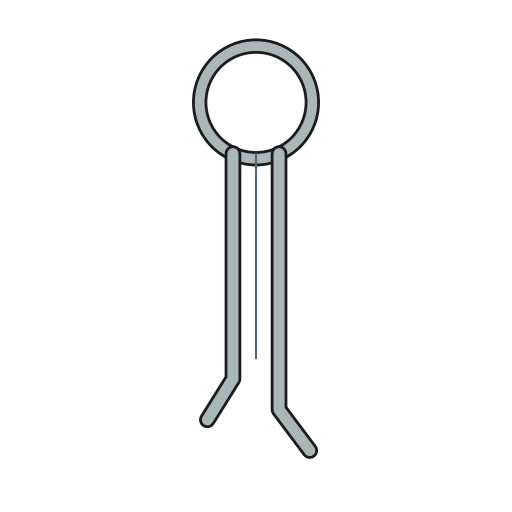
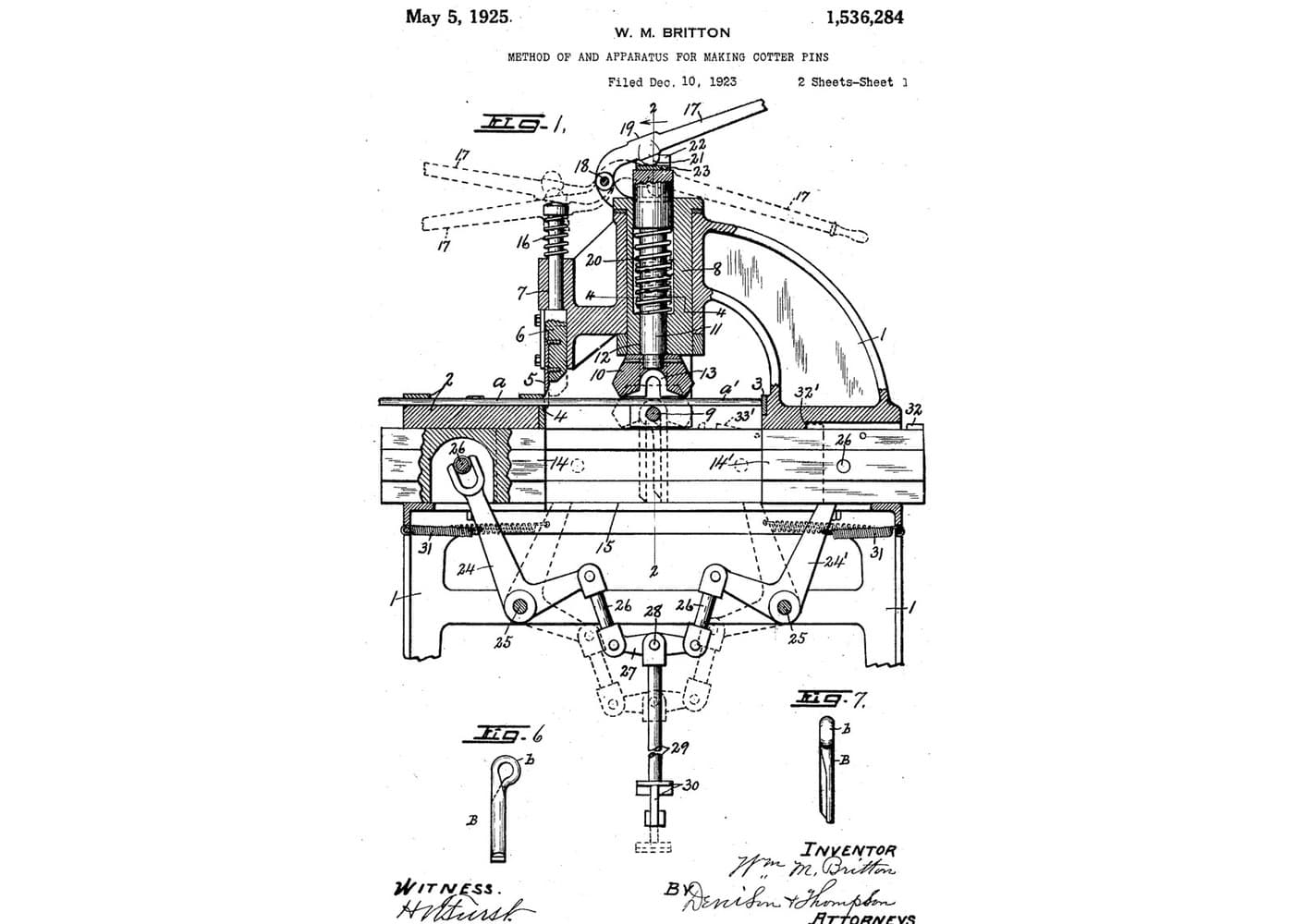
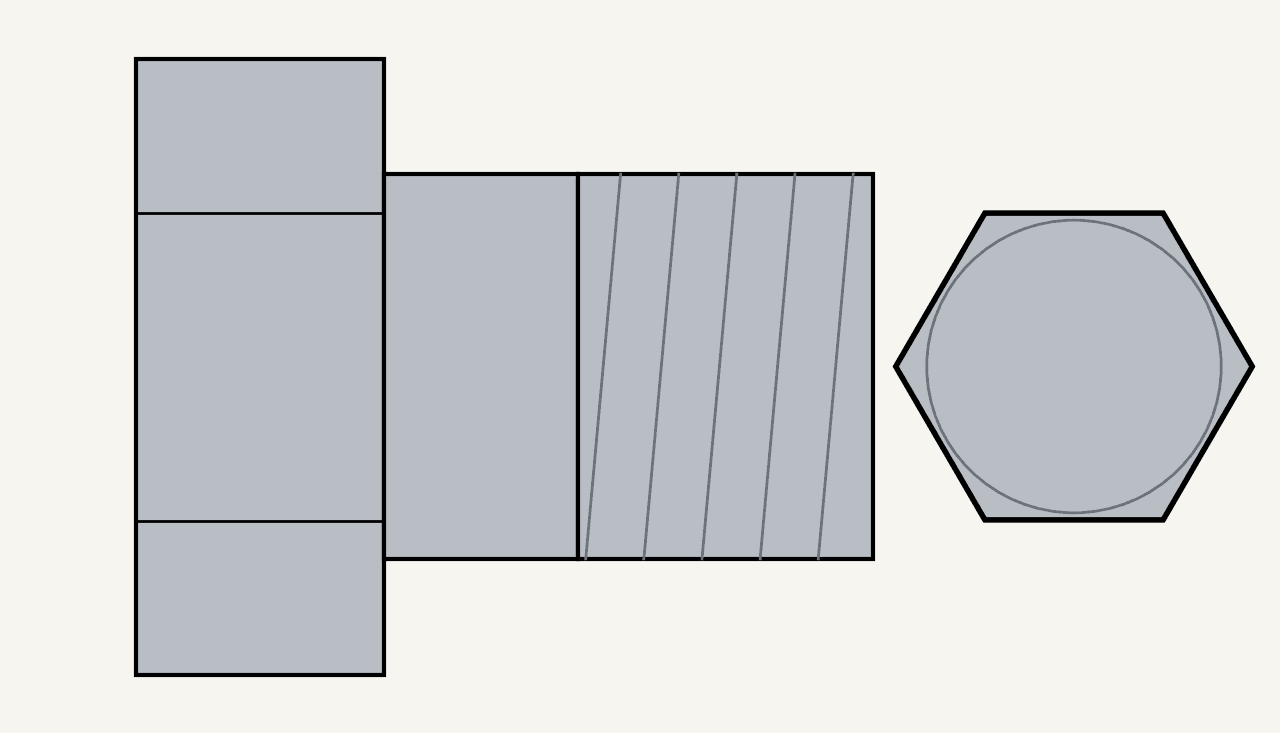
Under the counter, pivot a bell crank lever on a bolt through the lugs of a bracket fixed to the cabinet's rear channel. Screw a coupling onto the rod's threaded end. The coupling's two curved lips rock on the lever's long arm, and its tongue hangs through a slot in the arm, held by a cotter pin. On the short arm, a yoke turns on two bolts set fast in the threaded cross-holes of a round nut. Ours: hex bolts and nuts.
གོམ་པ་འདིའི་རྫས་རིགས:
 གྲུ་དྲང་ཡུ་བ།1 bell crankམ་ཤེས་པའི་ལྕགས་རིགས།1 bracket, coupling, round nut
 ཟུར་དྲུག་སྐྱོགས་ཤིང་གི་བསྡུ་ཚན།3 དུམ་བུ།
 ཟུར་དྲུག་གི་ནཊ།1 དུམ་བུ།
 ཁབ་རྐང་གཉིས་ཅན1 དུམ་བུ།
ལག་ཆས་དགོས་མཁོ:
སྐུད་རིས་གཏུབ་ཆས་ཆ་ཚང་།ཚད་བསྒྱུར་ཚུགས་པའི་མཐེབ་ལྕགས།7
7
Fit the crank and set the baffle
Fit the crank and set the baffle
Screw a metal operating rod through the round nut and run it forward to the cabinet front. Screw its front socket onto the shaft of a hand crank and pin it with a cotter pin. Weld an angle iron to the inside of the front panel to stiffen it. Clamp a bushing through the panel with a nut, and set a ball bearing between two rings on the shaft, between the bushing and the crank. Turning the crank tips the bell crank, which raises the rod and baffle or lets them slide down by their own weight: as one gap grows the other shrinks. Air comes in at the front; the upper stream carries light fumes to the top gap, the lower stream heavy fumes to the bottom gap. Open the top fully for light fumes, the bottom fully for heavy ones, or set any point between, without reaching inside. A sliding safety sash may be fitted over the front opening, to watch dangerous reactions safely.
གོམ་པ་འདིའི་རྫས་རིགས:
མ་ཤེས་པའི་ལྕགས་རིགས།1 operating rod, crank, bushingཁབ་རྐང་གཉིས་ཅན1 དུམ་བུ།ཟུར་དྲུག་གི་ནཊ།1 དུམ་བུ།ལྕགས་འཇམ་གྱི་ཟུར་ལྕགས།1 stiffener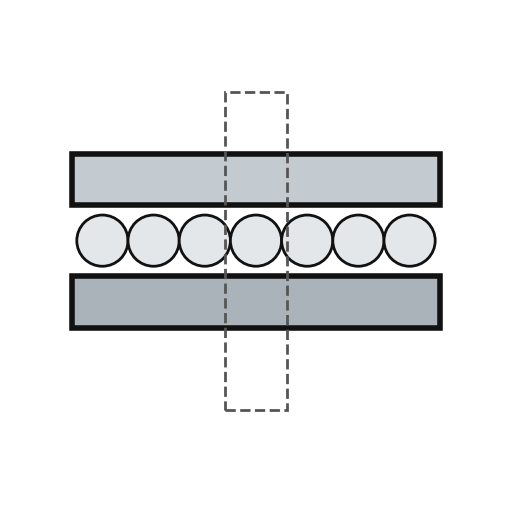 ཐྲསཊ་བཱོལ་བེ་རིང་།1 དུམ་བུ།
ལག་ཆས་དགོས་མཁོ:
 ཨག་ཀི་གློག་འཕྲུལ་བཙག་འཕྲུལ།སྐུད་རིས་གཏུབ་ཆས་ཆ་ཚང་།ཚད་བསྒྱུར་ཚུགས་པའི་མཐེབ་ལྕགས།
རྫས་རིགས
11- 1 operating rod, crank, bushingས་ཆ་འཛིན
- 1 baffleས་ཆ་འཛིན
- 1 stiffenerས་ཆ་འཛིན
- 1 sides, rear wall, roof, front panelས་ཆ་འཛིན
- 1 exhaust pipeས་ཆ་འཛིན
- 1 fanས་ཆ་འཛིན
- 1 bell crankས་ཆ་འཛིན
- 3 དུམ་བུ།ས་ཆ་འཛིན
- 2 དུམ་བུ།ས་ཆ་འཛིན
- 2 དུམ་བུ།ས་ཆ་འཛིན
- 1 དུམ་བུ།ས་ཆ་འཛིན
ལག་ཆས་དགོས་མཁོ
8- ས་ཆ་འཛིན
- ས་ཆ་འཛིན
- ས་ཆ་འཛིན
- ས་ཆ་འཛིན
- ས་ཆ་འཛིན
- ས་ཆ་འཛིན
- ས་ཆ་འཛིན
- ས་ཆ་འཛིན
མཐུད་སྦྲེལ་བིལུ་པིརིན་ཊི་རྫས་རིགས

བིལུ་པིརིན་ཊི་འདི་གིས་བཟོ་མི

འབྲེལ་ཡོད་བིལུ་པིརིན་ཊི
བིལུ་པིརིན་ཊི་འདི་ཚུ་ཐབས་ལམ་དང་རྫས་རིགས། སྤྱི་ཆོས་བགོ་བཤའ་བྱེད

CC0 སྤྱི་དབང
བིལུ་པིརིན་ཊི་འདི་CC0 འོག་བཀྲམས་ཡོད། ཁྱེད་རང་གིས་ཆོག་མཆན་མ་བཞེས་པར་ཕབ་ལེན་དང་བཟོ་བཅོས། བགོ་བཤའ། དགོས་མཁོ་གང་ལའང་བཀོལ་སྤྱོད་བྱས་ཆོག
བཟོ་མཁན་ལ་རྒྱབ་སྐྱོར་བྱེད་པའི་ཆེད་ཁོང་ཚོའི་བིལུ་པིརིན་ཊི་བརྒྱུད་ཐོན་སྐྱེད་ཉོ། བཟོ་མཁན་གྱིས བཟོ་མཁན་གྱི་ཁེ་ཕོགས ཚོང་པས་གཏན་འཁེལ་བྱས་པ། ཡང་ན་བིལུ་པིརིན་ཊི་འདིའི་པར་གསར་བཟོས་ཏེ་ཁྱེད་རང་གི་བིལུ་པིརིན་ཊི་ནང་མཐུད་སྦྲེལ་བྱས་ཏེ་ཡོང་སྒོ་བགོ་བཤའ་བྱེད།