སྒྱུ་རྩལ
མཛེས་སྡུག་དང་བདེ་ཐང
བཟོ་རིག
རིག་གནས་དང་ལོ་རྒྱུས
དགའ་སྟོན
ཁོར་ཡུག
ཟས་དང་བཏུང་རྫས
ཕྱིར་འཕྲུལ་རིག
ཚན་རིག
རྩེད་འགྲན
རིག་རྩལ
གྱོན་རུང
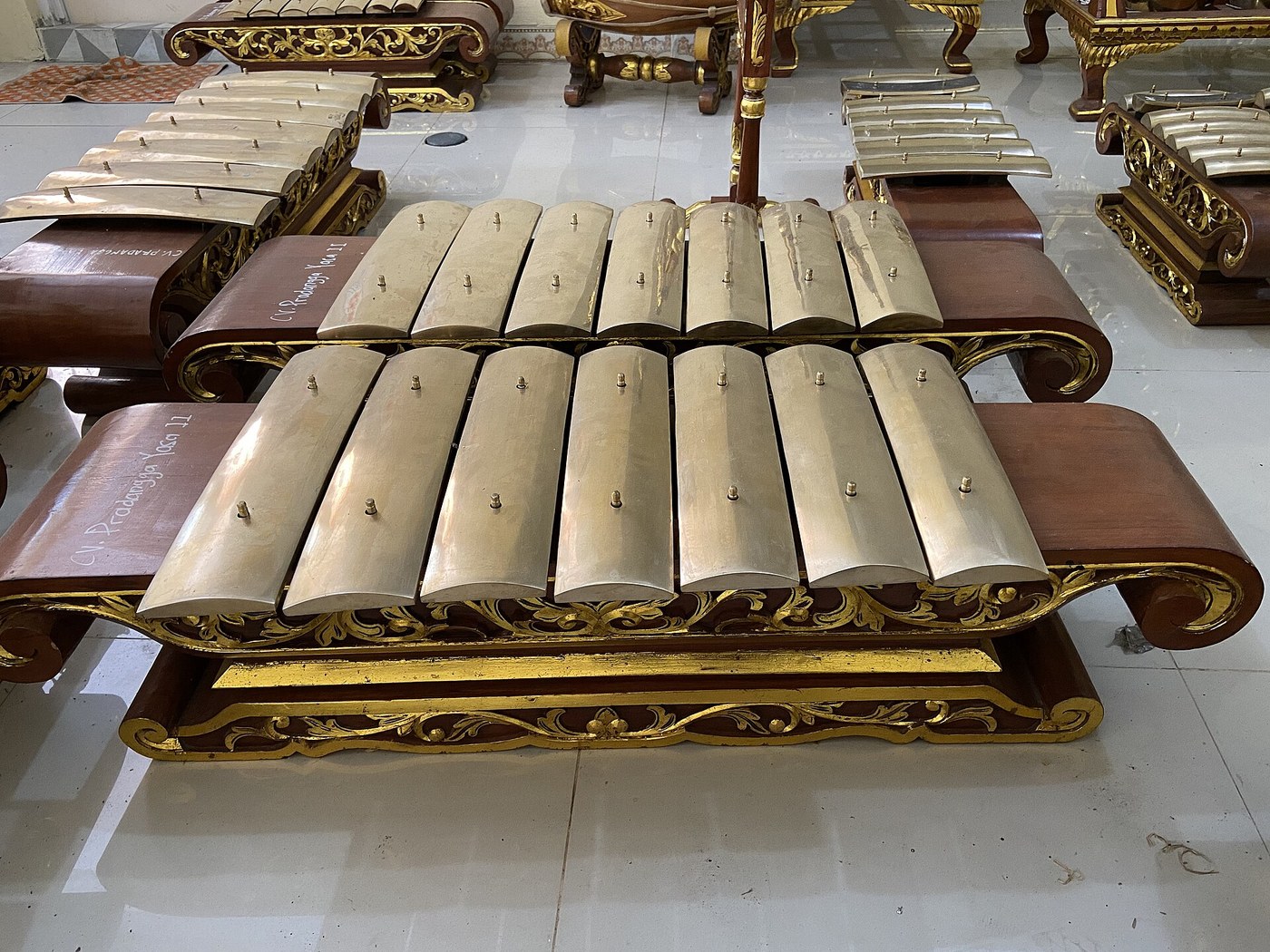


Gamelan Bronze Keys: Ten Parts Copper, Three Parts Tin, Cast and Forged
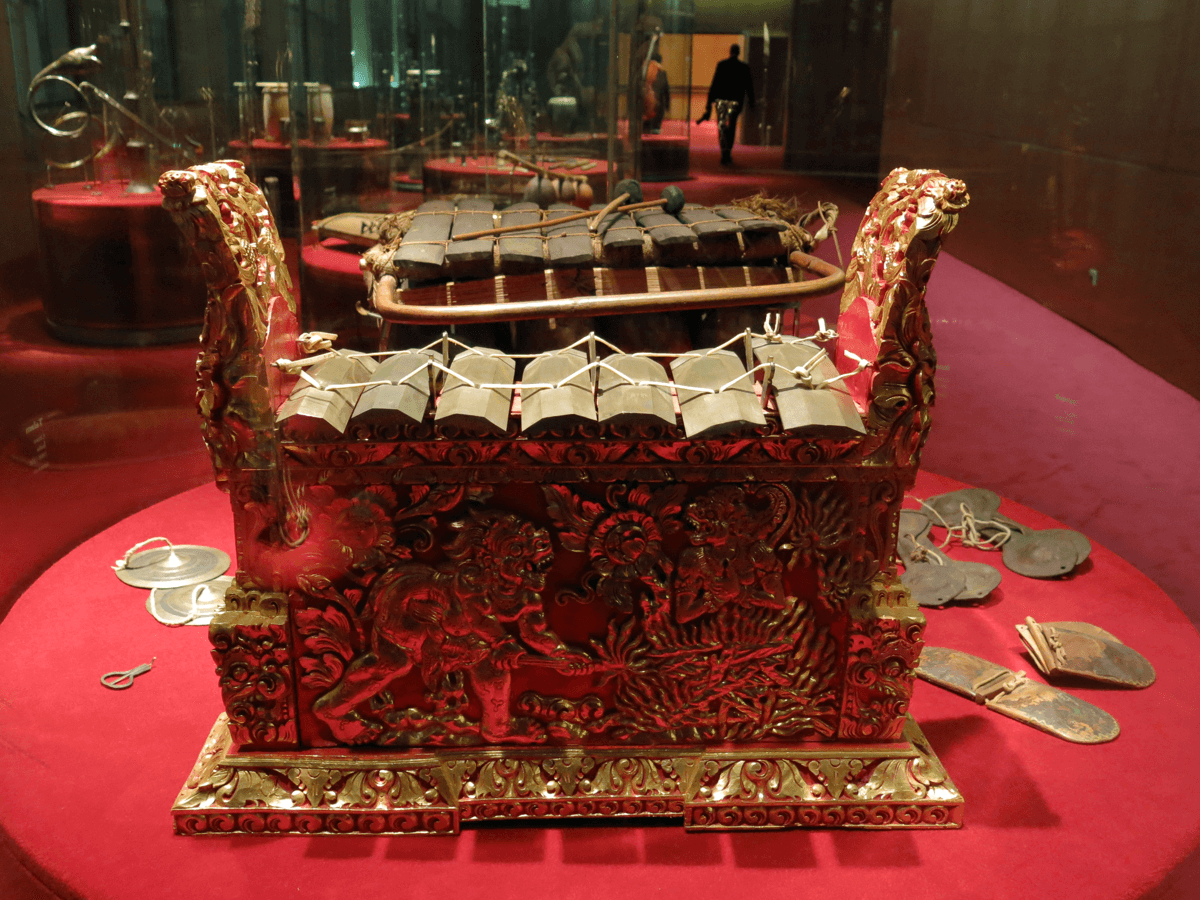
The keys of a saron are bronze bars. Javanese makers give the best gamelan bronze as ten parts copper to three parts tin, melted in a clay bowl (kowi), poured to a blade shape, forged with many kinds of hammer blows, checked, then tuned to the set's scale (Wikipedia, Gamelan production). Charge size, mould and tuning method are ours.
The picture: new saron keys on their frame (Wikimedia Commons).
མཐོ་རིམ
3 days
ལམ་སྟོན
1
1
Weigh ten to three
Weigh ten to three
For six keys weigh 1 kg of copper and 300 g of tin: ten parts copper to three parts tin.
གོམ་པ་འདིའི་རྫས་རིགས:
 ཟངས་ཀྱི་ཐུར་གོང1000 g
 གསའི་གདུང་མ།300 g
ལག་ཆས་དགོས་མཁོ:
 ཨང་རྟགས་ཐབ་ཚང་སྲང་།
2
2
Melt in the clay crucible
Melt in the clay crucible
Melt the copper in a clay crucible in the furnace under a strong blast, then add the tin and stir it in.
གོམ་པ་འདིའི་རྫས་རིགས:
 སོལ་བ།1 as required
ལག་ཆས་དགོས་མཁོ:
 འཇིམ་གྱི་ཞུན་སྣོད — གཏིང་ཟབ།
 ས་ཕག་གི་མེ་ཐབ།
 རླུང་སྦུད་ཆས།
 བཞུ་སྣོད་ཀྱི་གཟེར་ཆས།
 ཚག་གི་ལག་ཤུབས།
 ཀོ་བའི་སྣམ་སྦྱར།
 གདོང་གི་ཕུབ།
3
3
Pour the blades
Pour the blades
Pour into an open iron mould to blade-shaped bars, a little longer and thicker than the finished keys. Let them cool.
ལག་ཆས་དགོས་མཁོ:
བཞུ་སྣོད་ཀྱི་གཟེར་ཆས། ལྕགས་བྱང་བུའི་སྒྲོམ།ཚག་གི་ལག་ཤུབས།ཀོ་བའི་སྣམ་སྦྱར།གདོང་གི་ཕུབ།
4
4
Forge
Forge
Forge each bar to shape on the anvil with a range of hammer blows, working it even along its length.
ལག་ཆས་དགོས་མཁོ:
 མགར་བའི་ཐབ་ཁུང་།
 མགར་བའི་རྡོ་ལེབ།
 རྒྱབ་ཐིག་གི་ཐོ་བ།
 མགར་བའི་ལག་བཟུང་།ཚག་གི་ལག་ཤུབས།ཀོ་བའི་སྣམ་སྦྱར།གདོང་གི་ཕུབ།
5
5
Check and tune
Check and tune
Check each key for cracks. Strike it on soft supports and read its note on the tuner. Grind the ends to raise the note; thin the underside at the middle to lower it. Work in small steps until each key sits on its note.
ལག་ཆས་དགོས་མཁོ:
 ཀོ་རོ་མ་ཊིཀ་སྒྲ་སྒྲིག་ཆས་དང་མི་ཊོ་རོ་ནོམ་ (འཛིན་ཆས)
 ཟུར་གཏར་འཕྲུལ་ཆས།
 དར་མའི་ཚོགས་ཆས།གདོང་གི་ཕུབ།
རྫས་རིགས
3- 1000 gས་ཆ་འཛིན
- 300 gས་ཆ་འཛིན
- 1 as requiredས་ཆ་འཛིན
ལག་ཆས་དགོས་མཁོ
16- ས་ཆ་འཛིན
- ས་ཆ་འཛིན
- ས་ཆ་འཛིན
- ས་ཆ་འཛིན
- ས་ཆ་འཛིན
- ས་ཆ་འཛིན
- ས་ཆ་འཛིན
- ས་ཆ་འཛིན
- ས་ཆ་འཛིན
- ས་ཆ་འཛིན
- ས་ཆ་འཛིན
- ས་ཆ་འཛིན
- ས་ཆ་འཛིན
- 1 vendor sell this, none ship to you yetས་ཆ་འཛིན
- ས་ཆ་འཛིན
བིལུ་པིརིན་ཊི་འདི་གིས་བཟོ་མི

འབྲེལ་ཡོད་བིལུ་པིརིན་ཊི
བིལུ་པིརིན་ཊི་འདི་ཚུ་ཐབས་ལམ་དང་རྫས་རིགས། སྤྱི་ཆོས་བགོ་བཤའ་བྱེད

CC0 སྤྱི་དབང
བིལུ་པིརིན་ཊི་འདི་CC0 འོག་བཀྲམས་ཡོད། ཁྱེད་རང་གིས་ཆོག་མཆན་མ་བཞེས་པར་ཕབ་ལེན་དང་བཟོ་བཅོས། བགོ་བཤའ། དགོས་མཁོ་གང་ལའང་བཀོལ་སྤྱོད་བྱས་ཆོག
བཟོ་མཁན་ལ་རྒྱབ་སྐྱོར་བྱེད་པའི་ཆེད་ཁོང་ཚོའི་བིལུ་པིརིན་ཊི་བརྒྱུད་ཐོན་སྐྱེད་ཉོ། བཟོ་མཁན་གྱིས བཟོ་མཁན་གྱི་ཁེ་ཕོགས ཚོང་པས་གཏན་འཁེལ་བྱས་པ། ཡང་ན་བིལུ་པིརིན་ཊི་འདིའི་པར་གསར་བཟོས་ཏེ་ཁྱེད་རང་གི་བིལུ་པིརིན་ཊི་ནང་མཐུད་སྦྲེལ་བྱས་ཏེ་ཡོང་སྒོ་བགོ་བཤའ་བྱེད།