སྒྱུ་རྩལ
མཛེས་སྡུག་དང་བདེ་ཐང
བཟོ་རིག
རིག་གནས་དང་ལོ་རྒྱུས
དགའ་སྟོན
ཁོར་ཡུག
ཟས་དང་བཏུང་རྫས
ཕྱིར་འཕྲུལ་རིག
ཚན་རིག
རྩེད་འགྲན
རིག་རྩལ
གྱོན་རུང
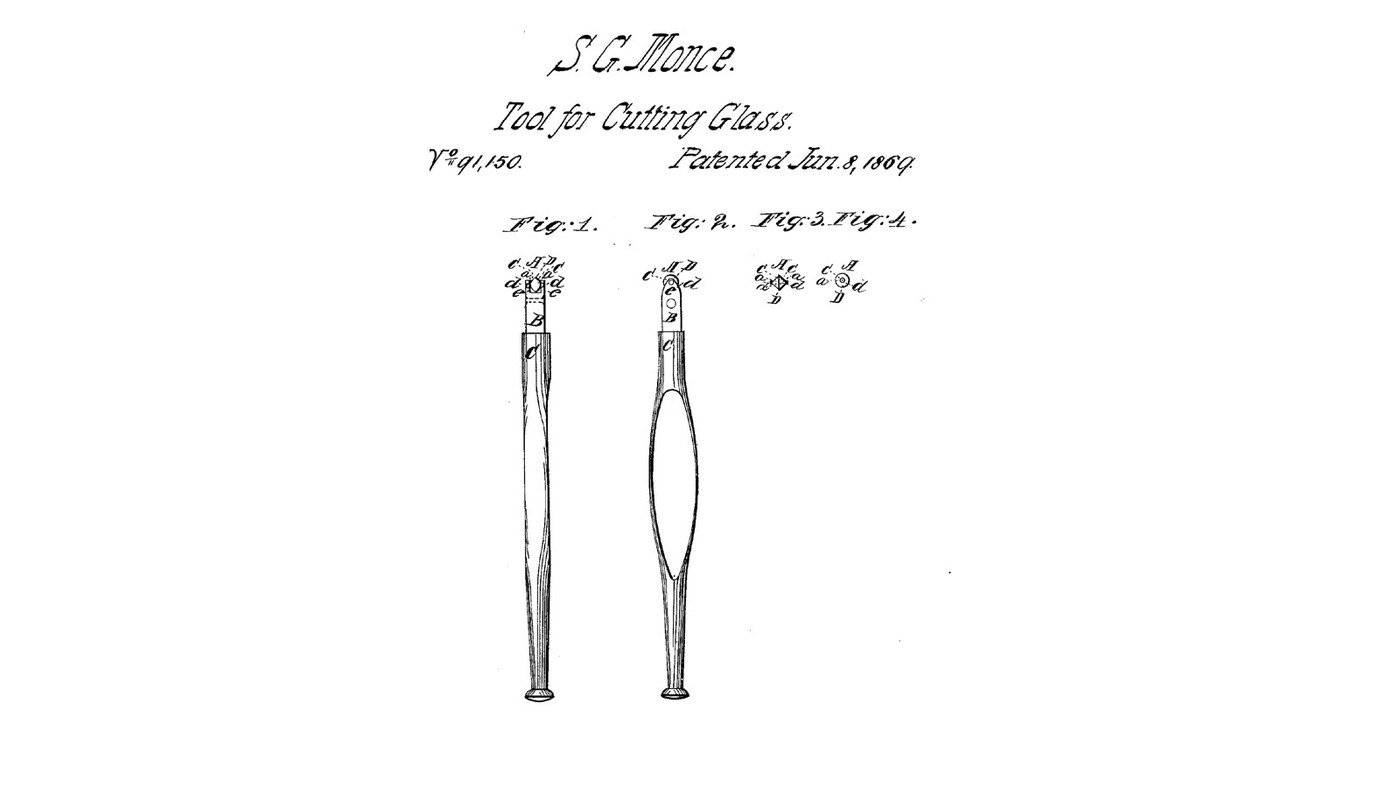


Glass Cutter: Monce's Hardened Steel Wheel
S. G. Monce's glass cutter (US 91,150, 1869): a small hardened steel wheel, bevelled from both sides to a sharp edge, turning on its own journals in a riveted frame on a handle. Drawn across the glass under pressure it rolls and scores a fine line like a diamond's, for a tenth of a diamond's cost, and it needs less skill. It is the wheel cutter still used today.
The patent gives no sizes, steel grade or hardening method. The picture: the patent's drawing sheet.
བར་མ
1 day
ལམ་སྟོན
1
1
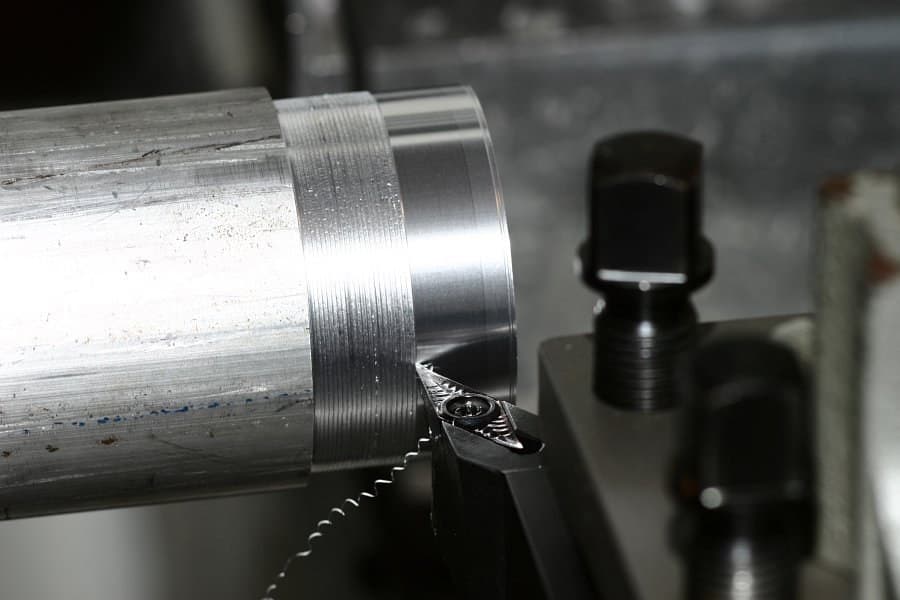
Turn the steel wheel
Turn the steel wheel
Turn a steel roller smooth and round, with a solid journal (d) at each end. Its sides (a) run parallel for a short way, then bevel toward each other to meet about midway in the cutting edge (D). Each bevel (c) stands about 45° to the axis, so the two faces are near right angles, or a very little more obtuse. Ours: a hardenable carbon steel and the lathe.
གོམ་པ་འདིའི་རྫས་རིགས:
 ཀར་བོན་མཐོ་བའི་ལྕགས་ཀྱི་དུམ་བུ1 དུམ་བུ།
ལག་ཆས་དགོས་མཁོ:
 ལྕགས་ཀྱི་འཁྲུལ་འཁོར།
 བསྐོར་འཕྲུལ་གྱི་གཏུབ་ཆས
 ལྕགས་གཏུབ་སོག་ལེ།
2
2
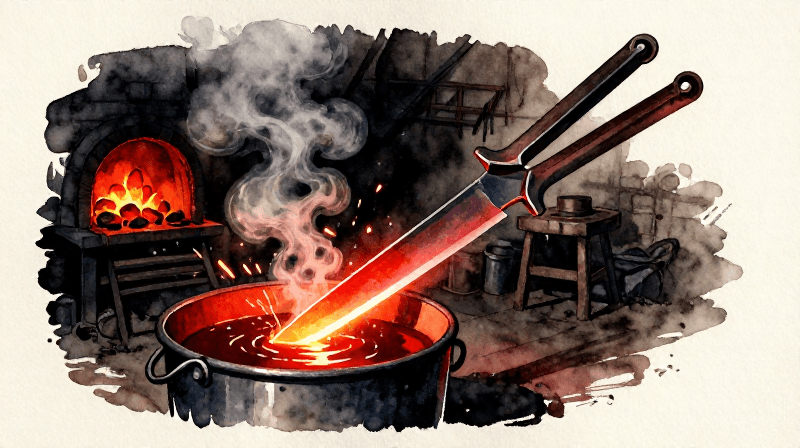
Harden the wheel
Harden the wheel
Harden the turned wheel. The patent does not say how; ours: heat it in the forge and quench it, as in the connected heat-treatment blueprint.
ལག་ཆས་དགོས་མཁོ:
 མགར་ཐབ།
 ཆུ།
3
3
Make the two-piece frame
Make the two-piece frame
Make the frame (B) in two halves. Near one end drill a bearing in each half for the journals. Keep each journal a little shorter than the thickness of the frame's sides (e), so a straightedge laid against the sides never touches the journal ends. Ours: steel strip, drill and file.
གོམ་པ་འདིའི་རྫས་རིགས:
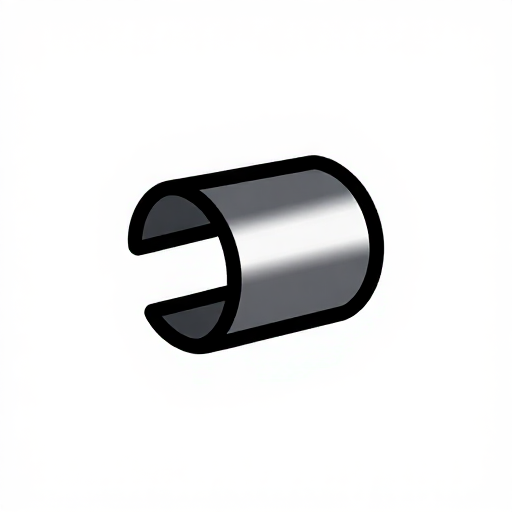 སོལ་རྫས་ལྕགས་ཁར་གྱི་ལྕགས་ཐིག1 དུམ་བུ།
ལག་ཆས་དགོས་མཁོ:
ལྕགས་གཏུབ་སོག་ལེ། ལག་འཕྲུལ་ཁུང་བཏོན
 ལྕགས་ཀྱི་དར་མ།
 ལས་ཅོག་གི་འཛིན་ཆས།
4
4
Rivet the wheel into the frame
Rivet the wheel into the frame
Set the wheel's journals in the bearings, close the two halves on it and rivet them together. The wheel must turn freely.
གོམ་པ་འདིའི་རྫས་རིགས:
 ལྕགས་ཀྱི་གཟེར།1 དུམ་བུ།
ལག་ཆས་དགོས་མཁོ:
 མགོ་སྒོར་སྒོར་གྱི་ཐོ་བ།ལས་ཅོག་གི་འཛིན་ཆས།
5
5
Fit the handle
Fit the handle
Fix the frame to a handle of any form, by any sound means. Monce used the handle of an ordinary diamond glass cutter.
གོམ་པ་འདིའི་རྫས་རིགས:
 ལག་ཆས་ཀྱི་ཡུ་བ།1 དུམ་བུ།
ལག་ཆས་དགོས་མཁོ:
མགོ་སྒོར་སྒོར་གྱི་ཐོ་བ།6
6
Score and break glass
Score and break glass
Draw the cutter quickly across the glass, pressing as you go, so the wheel rolls. It leaves a fine line like a diamond's. Guide it along a straightedge; the frame's sides ride on the edge. Break the glass along the line.
ལག་ཆས་དགོས་མཁོ:
 ཟུར་དྲང་པོ།
 སྒོ་ཤེལ།
རྫས་རིགས
4- 1 དུམ་བུ།ས་ཆ་འཛིན
- 1 དུམ་བུ།ས་ཆ་འཛིན
- 1 དུམ་བུ།ས་ཆ་འཛིན
- 1 དུམ་བུ།ས་ཆ་འཛིན
ལག་ཆས་དགོས་མཁོ
11- ས་ཆ་འཛིན
- ས་ཆ་འཛིན
- ས་ཆ་འཛིན
- ས་ཆ་འཛིན
- ས་ཆ་འཛིན
- ས་ཆ་འཛིན
- ས་ཆ་འཛིན
- ས་ཆ་འཛིན
- ས་ཆ་འཛིན
- ས་ཆ་འཛིན
- ས་ཆ་འཛིན
བིལུ་པིརིན་ཊི་འདི་གིས་བཟོ་མི


འབྲེལ་ཡོད་བིལུ་པིརིན་ཊི
བིལུ་པིརིན་ཊི་འདི་ཚུ་ཐབས་ལམ་དང་རྫས་རིགས། སྤྱི་ཆོས་བགོ་བཤའ་བྱེད

CC0 སྤྱི་དབང
བིལུ་པིརིན་ཊི་འདི་CC0 འོག་བཀྲམས་ཡོད། ཁྱེད་རང་གིས་ཆོག་མཆན་མ་བཞེས་པར་ཕབ་ལེན་དང་བཟོ་བཅོས། བགོ་བཤའ། དགོས་མཁོ་གང་ལའང་བཀོལ་སྤྱོད་བྱས་ཆོག
བཟོ་མཁན་ལ་རྒྱབ་སྐྱོར་བྱེད་པའི་ཆེད་ཁོང་ཚོའི་བིལུ་པིརིན་ཊི་བརྒྱུད་ཐོན་སྐྱེད་ཉོ། བཟོ་མཁན་གྱིས བཟོ་མཁན་གྱི་ཁེ་ཕོགས ཚོང་པས་གཏན་འཁེལ་བྱས་པ། ཡང་ན་བིལུ་པིརིན་ཊི་འདིའི་པར་གསར་བཟོས་ཏེ་ཁྱེད་རང་གི་བིལུ་པིརིན་ཊི་ནང་མཐུད་སྦྲེལ་བྱས་ཏེ་ཡོང་སྒོ་བགོ་བཤའ་བྱེད།