སྒྱུ་རྩལ
མཛེས་སྡུག་དང་བདེ་ཐང
བཟོ་རིག
རིག་གནས་དང་ལོ་རྒྱུས
དགའ་སྟོན
ཁོར་ཡུག
ཟས་དང་བཏུང་རྫས
ཕྱིར་འཕྲུལ་རིག
ཚན་རིག
རྩེད་འགྲན
རིག་རྩལ
གྱོན་རུང
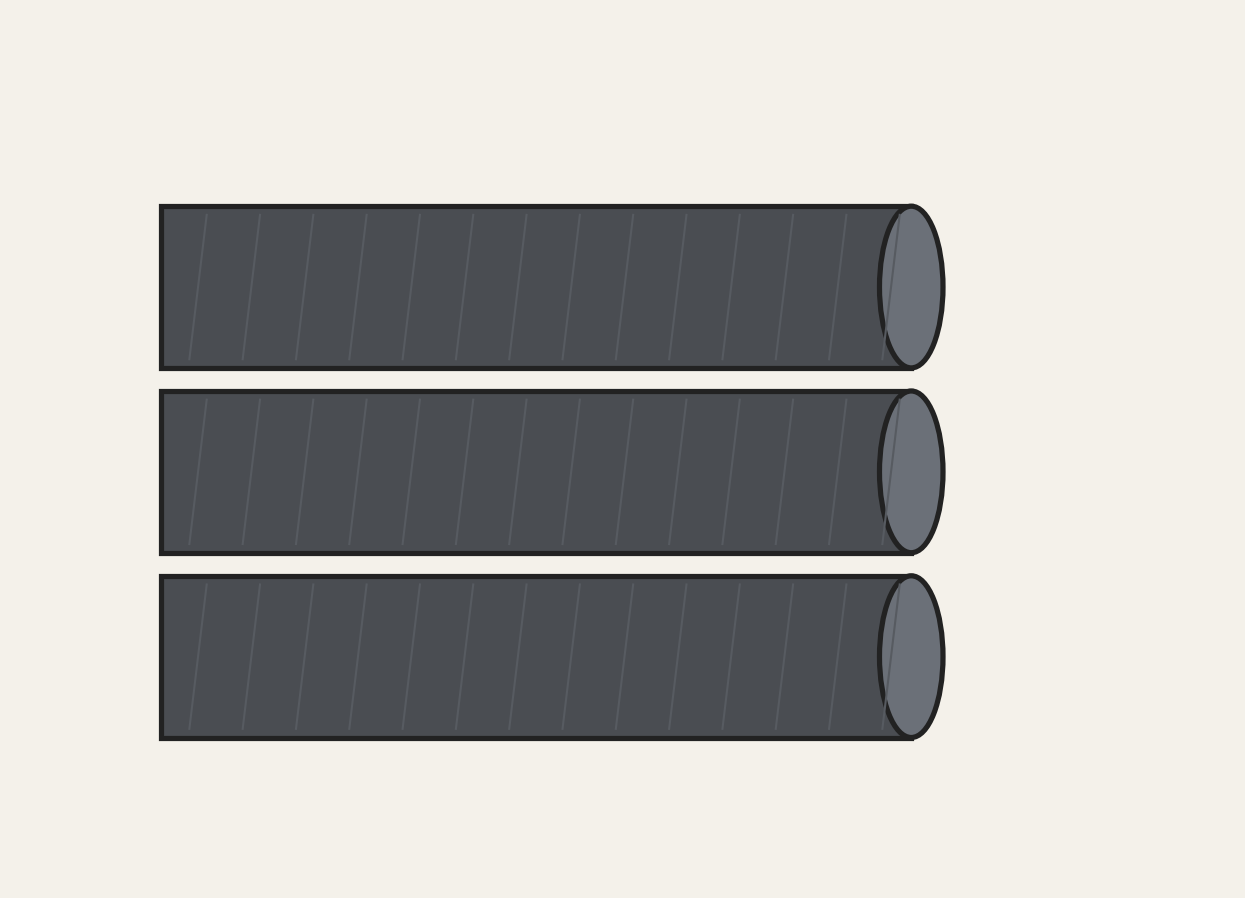


Graphite Electrodes from Petroleum Coke and Pitch
Graphite electrodes carry the current that melts scrap steel in electric arc furnaces. They are made from petroleum coke mixed with coal tar pitch as a binder. The paste is extruded and shaped, baked to carbonise the pitch, and then graphitised by heating to nearly 3000 °C, where the carbon atoms arrange themselves into graphite. Industrial electrodes reach 3.5 m long and 75 cm across.
མཐོ་རིམ
Factory process
ལམ་སྟོན
1
1
Mix the paste
Mix the paste
Mix petroleum coke with coal tar pitch, the binder.
གོམ་པ་འདིའི་རྫས་རིགས:
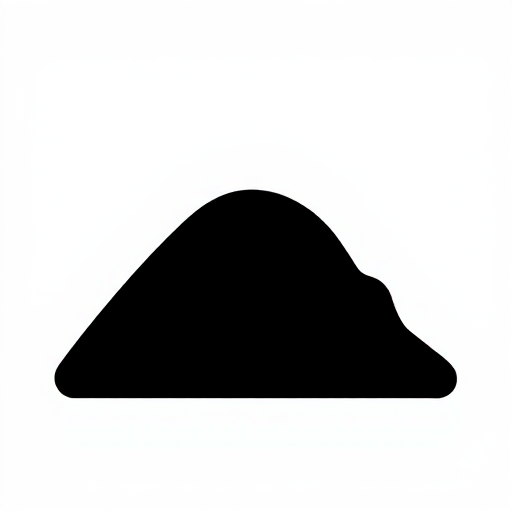 ས་སྣུམ་གྱི་སོལ་བ1 as required
 རྡོ་སོལ་གྱི་ཐལ་རྩིའི་ལྷག་མ་སྟུག་པོ1 as required
ལག་ཆས་དགོས་མཁོ:
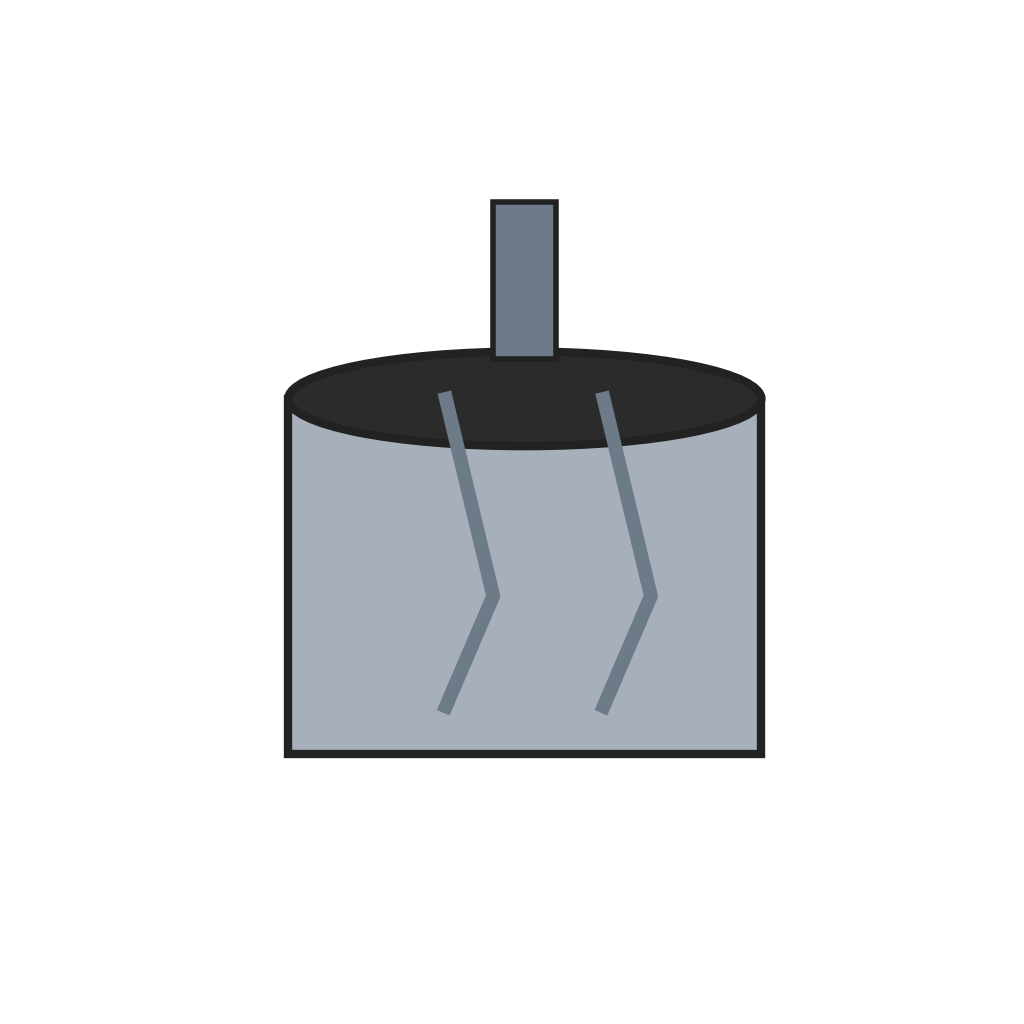 ཀར་བོན་སྦྱར་རྫས་སླ་འཕྲུལ།
2
2
Extrude and shape
Extrude and shape
Extrude the paste and shape it into electrodes.
ལག་ཆས་དགོས་མཁོ:
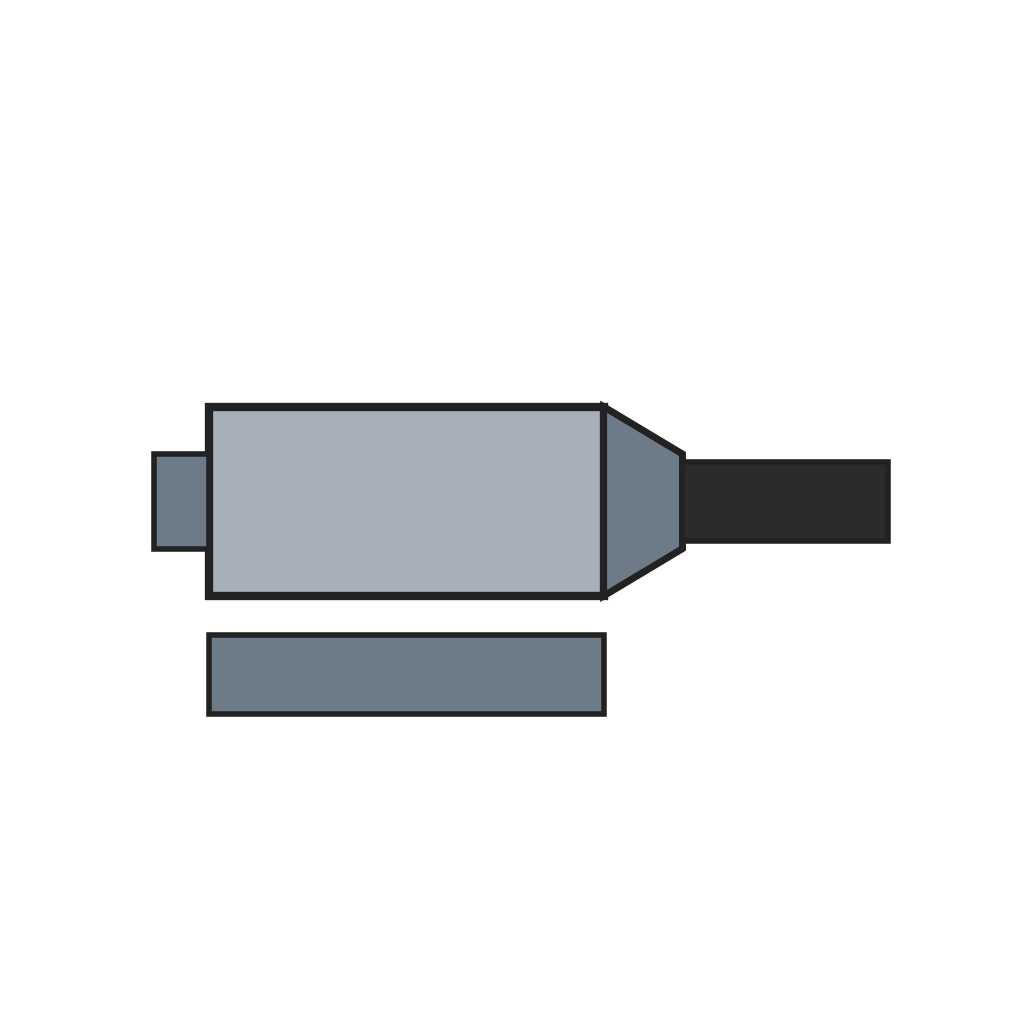 ཀར་བོན་སྦྱར་རྫས་བཙིར་འདོན་འཕྲུལ།
3
3
Bake
Bake
Bake the shapes to carbonise the pitch binder.
ལག་ཆས་དགོས་མཁོ:
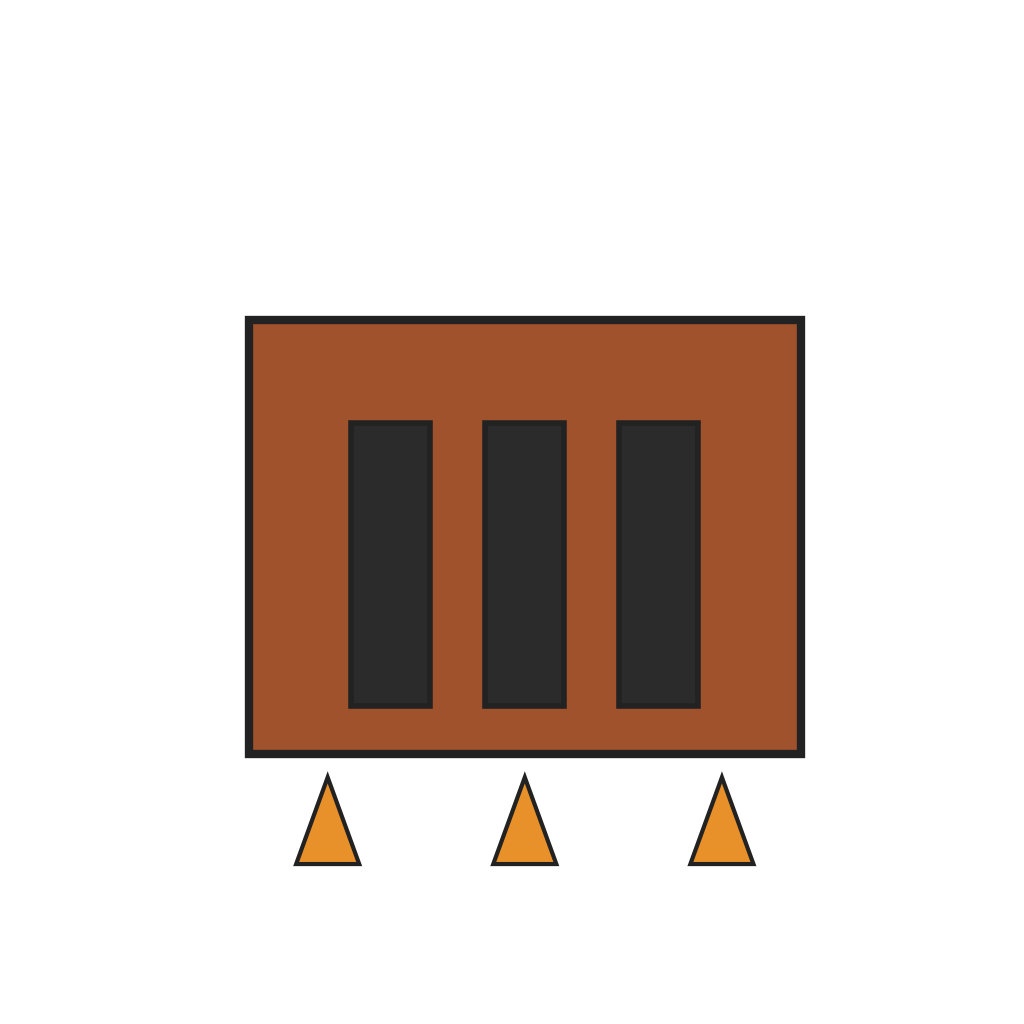 ཀར་བོན་བསྲེག་ཐབ།
4
4
Graphitise
Graphitise
Heat the baked carbon to nearly 3000 °C. At that temperature the carbon atoms arrange themselves into graphite.
ལག་ཆས་དགོས་མཁོ:
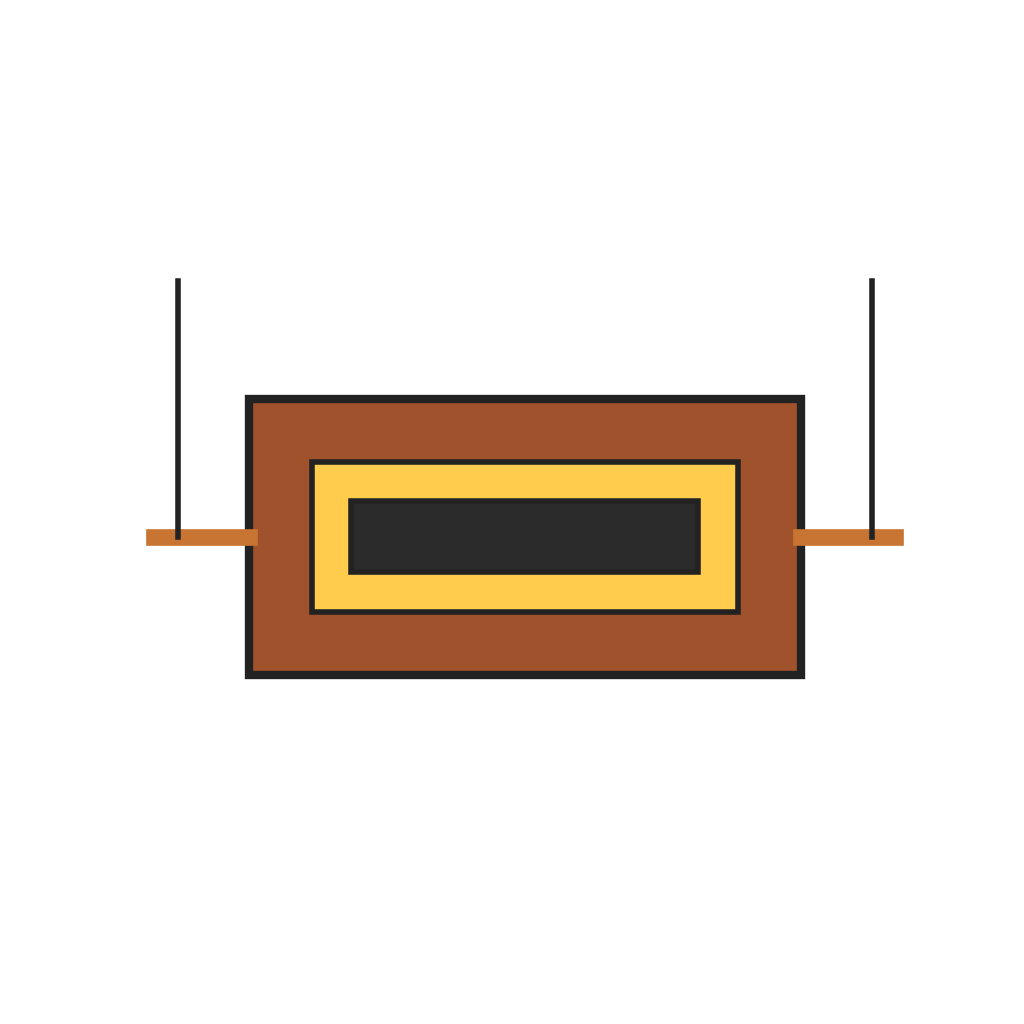 གྷ་རེ་ཕའིཊ་བཟོ་ཐབ།
རྫས་རིགས
2- 1 as requiredས་ཆ་འཛིན
- 1 as requiredས་ཆ་འཛིན
ལག་ཆས་དགོས་མཁོ
4- ས་ཆ་འཛིན
- ས་ཆ་འཛིན
- ས་ཆ་འཛིན
- ས་ཆ་འཛིན
བིལུ་པིརིན་ཊི་འདི་གིས་བཟོ་མི
འབྲེལ་ཡོད་བིལུ་པིརིན་ཊི
བིལུ་པིརིན་ཊི་འདི་ཚུ་ཐབས་ལམ་དང་རྫས་རིགས། སྤྱི་ཆོས་བགོ་བཤའ་བྱེད


CC0 སྤྱི་དབང
བིལུ་པིརིན་ཊི་འདི་CC0 འོག་བཀྲམས་ཡོད། ཁྱེད་རང་གིས་ཆོག་མཆན་མ་བཞེས་པར་ཕབ་ལེན་དང་བཟོ་བཅོས། བགོ་བཤའ། དགོས་མཁོ་གང་ལའང་བཀོལ་སྤྱོད་བྱས་ཆོག
བཟོ་མཁན་ལ་རྒྱབ་སྐྱོར་བྱེད་པའི་ཆེད་ཁོང་ཚོའི་བིལུ་པིརིན་ཊི་བརྒྱུད་ཐོན་སྐྱེད་ཉོ། བཟོ་མཁན་གྱིས བཟོ་མཁན་གྱི་ཁེ་ཕོགས ཚོང་པས་གཏན་འཁེལ་བྱས་པ། ཡང་ན་བིལུ་པིརིན་ཊི་འདིའི་པར་གསར་བཟོས་ཏེ་ཁྱེད་རང་གི་བིལུ་པིརིན་ཊི་ནང་མཐུད་སྦྲེལ་བྱས་ཏེ་ཡོང་སྒོ་བགོ་བཤའ་བྱེད།