
Greek Black-Figure Pottery — Painting Black-Figure Pottery with Iron Slip
ལམ་སྟོན
Prepare the Iron-Rich Slip
Prepare the Iron-Rich Slip
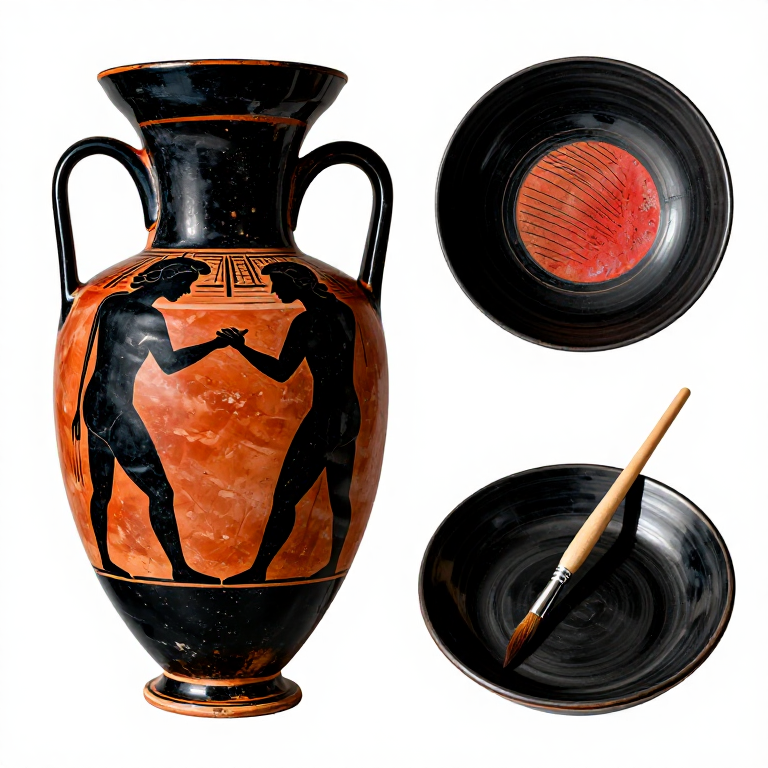
The key to black-figure technique is a refined clay slip with very high iron content and extremely fine particle size. Take iron-rich clay (ideally Attic-type illite clay with 8-12% iron oxide content), mix it with water, and let it settle. Decant the top layer of fine suspended particles, which are colloidally fine (less than 1 micron). This ultra-fine fraction is the painting slip. Its small particle size allows it to sinter (fuse into a glassy surface) at lower temperatures than the coarser body clay, which is why it becomes glossy and impervious during firing while the body remains matte and porous. Add a small amount of wood ash as flux to lower the sintering temperature further. The slip should be the consistency of thick cream.
གོམ་པ་འདིའི་རྫས་རིགས:
 པགས་ཀོ་བཟུམ་སྲ་བའི་ས་དམར་གྱི་རྫ་སྣོད1 vessel དུམ་བུ།
 རང་བྱུང་གི་འཇིམ།100-200 ml ml
 ས་ཚོན་དམརཔོའི་འཇིམ་ཁུsmall amount དུམ་བུ།
 འཇིམ་ཁུ་དཀརཔོ།small amount དུམ་བུ།
ལག་ཆས་དགོས་མཁོ:
 ཚོན་པིར་གྱི་ཆ་ཚན།
 ཐབ།
ཐབ། ཁ་ཕྱོགས་སྟོན་ཆས།
Paint the Figures in Silhouette
Paint the Figures in Silhouette
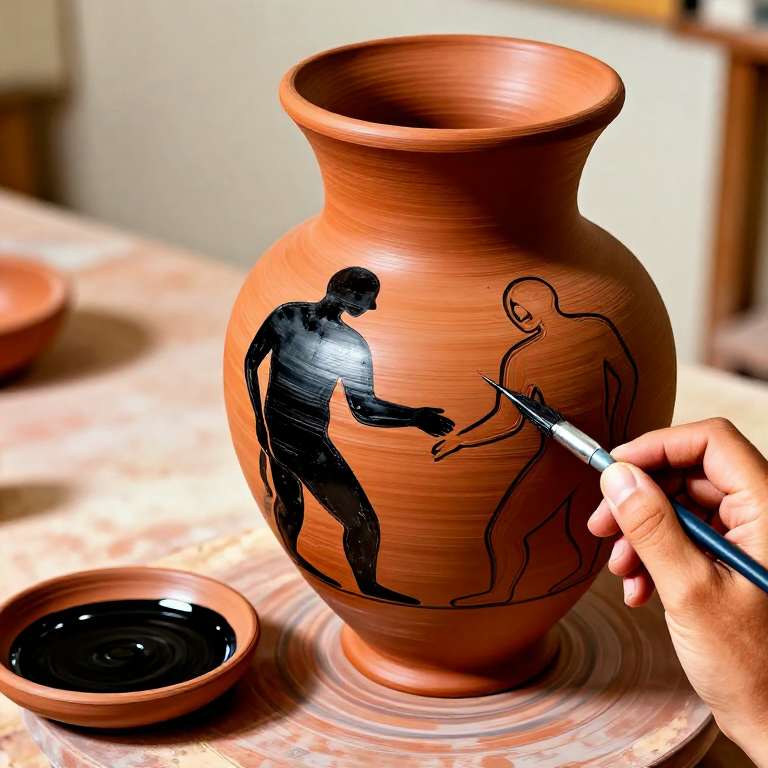
Using fine brushes, paint the figural scenes onto the leather-hard clay vessel in solid silhouette using the refined slip. Work confidently with steady strokes — the slip cannot be easily corrected once applied. Greek vase painters used a remarkable range of line widths, from bold filled areas to hairline details, all with the same slip at different dilutions. Outline the figures first with a thin line, then fill in the silhouettes with thicker slip. Reserve (leave unpainted) the areas that will remain the natural red color of the fired clay — these form the background. Common black-figure subjects included mythological scenes, athletic contests, and daily life activities. Apply slip evenly, approximately 0.1-0.3 mm thick.
Incise Details into the Slip
Incise Details into the Slip
Once the slip has dried to a firm consistency but before firing, use a sharp pointed tool (burin or stylus) to incise fine lines through the black slip, revealing the red clay body beneath. These incised lines define the internal details of the figures — muscle lines, drapery folds, facial features, hair, and armor details. This incision technique is what distinguishes black-figure from earlier silhouette styles and gives the figures their characteristic sharp, linear detail. The quality of incised line work varied enormously among painters — the finest, like Exekias and the Amasis Painter, achieved extraordinary precision and expressiveness. Apply added colors: white slip for female skin and details, red ochre for hair, beards, and decorative borders.
Fire in a Three-Phase Kiln Cycle
Fire in a Three-Phase Kiln Cycle
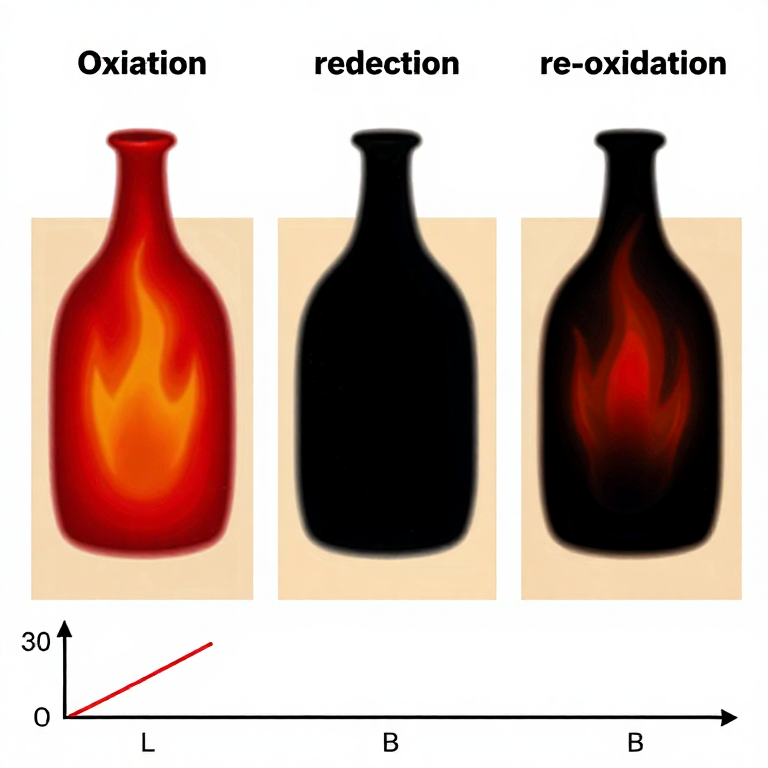
The critical step is the three-phase firing that produces the color contrast. Phase 1 (Oxidation): Fire to approximately 800 degrees Celsius with plenty of air — both slip and body turn red from oxidized iron (Fe2O3). Phase 2 (Reduction): Close the kiln vents and introduce green wood or damp fuel to create smoke. The oxygen-poor atmosphere reduces iron oxide to black magnetite (Fe3O4) and wustite (FeO) at approximately 950 degrees Celsius — everything turns black. Phase 3 (Re-oxidation): Open the vents and reduce temperature. The porous body clay re-oxidizes back to red, but the sintered slip, having fused into an impervious glassy surface during the reduction phase, cannot re-oxidize and remains permanently black. This elegant chemistry creates black figures on a red ground from a single firing.
Cool and Inspect the Finished Vessel
Cool and Inspect the Finished Vessel
Allow the kiln to cool slowly over 12-24 hours before opening. Rapid cooling causes thermal shock cracking in the ceramic body. The finished vessel should display glossy black figures with fine incised red details against a warm orange-red background. The black slip areas should have a slight metallic sheen when viewed at an angle, indicating proper sintering. If the black areas appear matte or brownish, the reduction phase was insufficient; if the red background areas are grey or black, the re-oxidation phase was too short. The black-figure technique dominated Athenian pottery from approximately 630 to 480 BCE, when it was gradually superseded by the red-figure technique, which reversed the color scheme for greater artistic flexibility.
རྫས་རིགས
7- 100-200 ml mlས་ཆ་འཛིན
- small amount དུམ་བུ།ས་ཆ་འཛིན
- 1 vessel དུམ་བུ།ས་ཆ་འཛིན
- 100-200 ml དུམ་བུ།ས་ཆ་འཛིན
- small amount དུམ་བུ།ས་ཆ་འཛིན
- small amount དུམ་བུ།ས་ཆ་འཛིན
- 1 batchས་ཆ་འཛིན
ལག་ཆས་དགོས་མཁོ
8- ས་ཆ་འཛིན
- Sharp pointed tool for incising
- ས་ཆ་འཛིན
- ས་ཆ་འཛིན
- ས་ཆ་འཛིན
- ས་ཆ་འཛིན
- ས་ཆ་འཛིན
བིལུ་པིརིན་ཊི་འདི་གིས་བཟོ་མི

འབྲེལ་ཡོད་བིལུ་པིརིན་ཊི
བིལུ་པིརིན་ཊི་འདི་ཚུ་ཐབས་ལམ་དང་རྫས་རིགས། སྤྱི་ཆོས་བགོ་བཤའ་བྱེད

CC0 སྤྱི་དབང
བིལུ་པིརིན་ཊི་འདི་CC0 འོག་བཀྲམས་ཡོད། ཁྱེད་རང་གིས་ཆོག་མཆན་མ་བཞེས་པར་ཕབ་ལེན་དང་བཟོ་བཅོས། བགོ་བཤའ། དགོས་མཁོ་གང་ལའང་བཀོལ་སྤྱོད་བྱས་ཆོག
བཟོ་མཁན་ལ་རྒྱབ་སྐྱོར་བྱེད་པའི་ཆེད་ཁོང་ཚོའི་བིལུ་པིརིན་ཊི་བརྒྱུད་ཐོན་སྐྱེད་ཉོ། བཟོ་མཁན་གྱིས བཟོ་མཁན་གྱི་ཁེ་ཕོགས ཚོང་པས་གཏན་འཁེལ་བྱས་པ། ཡང་ན་བིལུ་པིརིན་ཊི་འདིའི་པར་གསར་བཟོས་ཏེ་ཁྱེད་རང་གི་བིལུ་པིརིན་ཊི་ནང་མཐུད་སྦྲེལ་བྱས་ཏེ་ཡོང་སྒོ་བགོ་བཤའ་བྱེད།