སྒྱུ་རྩལ
མཛེས་སྡུག་དང་བདེ་ཐང
བཟོ་རིག
རིག་གནས་དང་ལོ་རྒྱུས
དགའ་སྟོན
ཁོར་ཡུག
ཟས་དང་བཏུང་རྫས
ཕྱིར་འཕྲུལ་རིག
ཚན་རིག
རྩེད་འགྲན
རིག་རྩལ
གྱོན་རུང
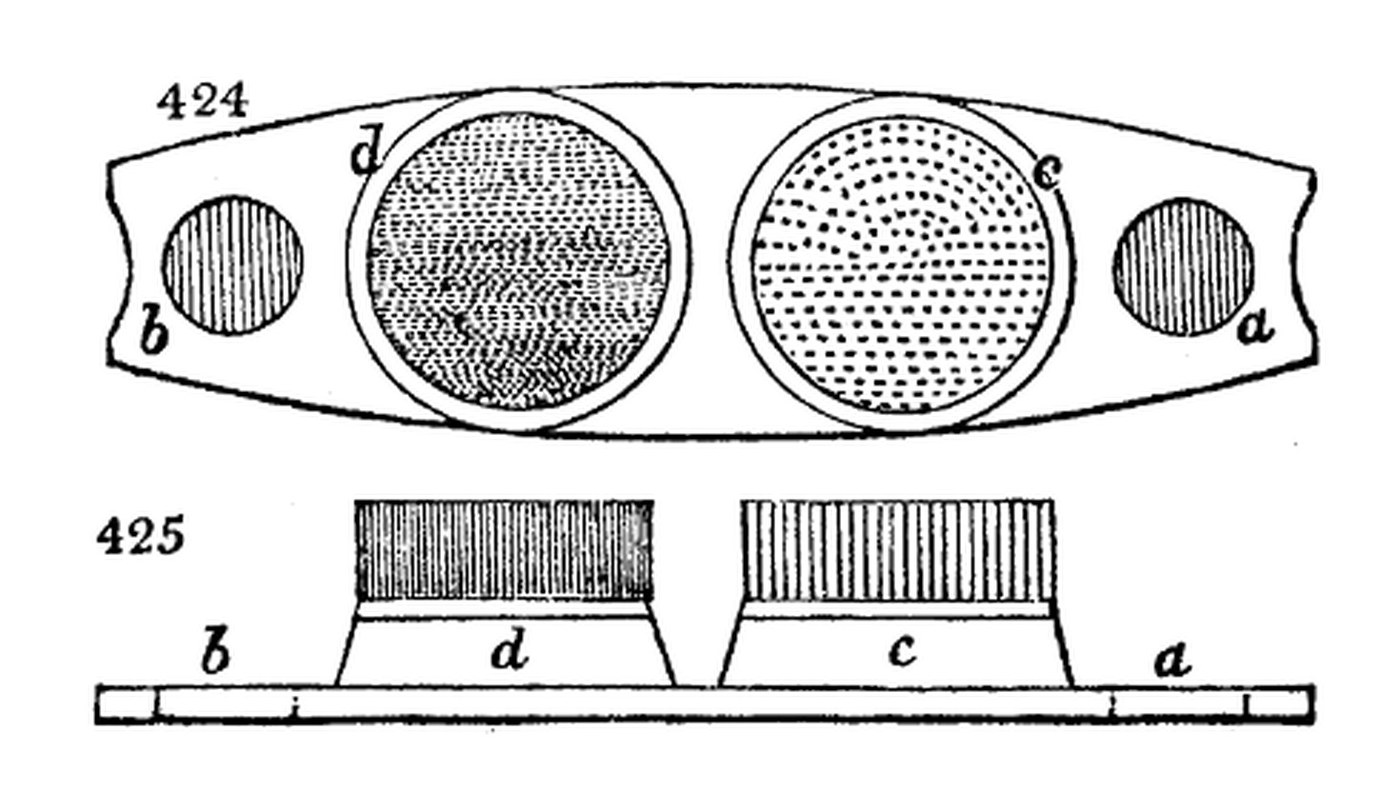


Hackle Combs: Coarse and Fine Flax Heckles on One Board (Ure, 1839)
A pair of flax heckles on one oblong plank: two round wooden blocks, each faced with a drilled brass or iron plate holding upright iron teeth. Flax is drawn first through the coarse heckle, then through the fine one, splitting the fibres, combing out the short tow and laying the long fibres straight.
Coarse: teeth about 1/10 in thick and 1 1/4 in long, a centre tooth and 12 rings, the outer ring 5 3/4 in across. Fine: thinner teeth set closer, 1109 of them.
Source: Andrew Ure, Dictionary of Arts, Manufactures and Mines (1839), 'Flax'. Picture: Figs. 424-425 of the book.
བར་མ
Unknown
ལམ་སྟོན
1
1
Make the board and blocks
Make the board and blocks
Cut an oblong plank (Fig. 424, a b) and two round (or square) wooden blocks, c for the coarse heckle and d for the fine, and fix the blocks on the plank (Fig. 425). The heckles can also be made on separate boards.
གོམ་པ་འདིའི་རྫས་རིགས:
 སྲ་བའི་ཤིང་གི་པང་ལེབ་མཐུག་ཏོ1 དུམ་བུ།
 སྲ་བའི་ཤིང་གི་སྒོ་རྡོག2 དུམ་བུ།
 ཤིང་གི་སྒྲོག1 དུམ་བུ།
ལག་ཆས་དགོས་མཁོ:
 རྒྱབ་སྒྲིག་ཡོད་པའི་སོག་ལེ
 གཟེར་སྒྲིལ་ལེབ
2
2
Drill the face plates
Drill the face plates
Cover the top of each block with a brass or iron plate drilled for the teeth, which gives them a firmer hold. Set the holes evenly over the whole face, in concentric circles (the German way) or parallel rows (the English way). Coarse: a centre hole and 12 rings, the outermost 5 3/4 in across. Fine: thinner holes set closer, 1109 in all.
གོམ་པ་འདིའི་རྫས་རིགས:
 རག་གི་ལེབ་ཤོག2 face plates
ལག་ཆས་དགོས་མཁོ:
 རྩེ་གཉིས་ཀྱི་སྐོར་ཐིག་ཆས།
 ལྕགས་ལེབ་གཏུབ་ནིའི་ཇེམ་ཙི།
 ལག་འཕྲུལ་ཁུང་བཏོན
3
3
Make the teeth
Make the teeth
Cut teeth of iron (sometimes steel) 1 to 2 in long. For the coarse heckle make them about 1/10 in thick and 1 1/4 in long, tapering from the middle to a very fine point; the fine heckle's teeth are thinner. File every point sharp and smooth, running evenly into the round stem like a sewing needle; square points in a rhombus shape cut the fibres apart better than round ones.
གོམ་པ་འདིའི་རྫས་རིགས:
 ལྕགས་སྐུད1 teeth
ལག་ཆས་དགོས་མཁོ:
ལྕགས་ལེབ་གཏུབ་ནིའི་ཇེམ་ཙི། ལྕགས་ཀྱི་དར་མ།
4
4
Set the teeth
Set the teeth
Drive each tooth through its hole in the plate into the block so it stands upright, all points at one level.
ལག་ཆས་དགོས་མཁོ:
 ཐོ་བ།
རྫས་རིགས
5- 1 དུམ་བུ།ས་ཆ་འཛིན
- 2 དུམ་བུ།ས་ཆ་འཛིན
- 1 དུམ་བུ།ས་ཆ་འཛིན
- 2 face platesས་ཆ་འཛིན
- 1 teethས་ཆ་འཛིན
ལག་ཆས་དགོས་མཁོ
7- ས་ཆ་འཛིན
- ས་ཆ་འཛིན
- ས་ཆ་འཛིན
- ས་ཆ་འཛིན
- ས་ཆ་འཛིན
- ས་ཆ་འཛིན
- ས་ཆ་འཛིན
བིལུ་པིརིན་ཊི་འདི་གིས་བཟོ་མི


CC0 སྤྱི་དབང
བིལུ་པིརིན་ཊི་འདི་CC0 འོག་བཀྲམས་ཡོད། ཁྱེད་རང་གིས་ཆོག་མཆན་མ་བཞེས་པར་ཕབ་ལེན་དང་བཟོ་བཅོས། བགོ་བཤའ། དགོས་མཁོ་གང་ལའང་བཀོལ་སྤྱོད་བྱས་ཆོག
བཟོ་མཁན་ལ་རྒྱབ་སྐྱོར་བྱེད་པའི་ཆེད་ཁོང་ཚོའི་བིལུ་པིརིན་ཊི་བརྒྱུད་ཐོན་སྐྱེད་ཉོ། བཟོ་མཁན་གྱིས བཟོ་མཁན་གྱི་ཁེ་ཕོགས ཚོང་པས་གཏན་འཁེལ་བྱས་པ། ཡང་ན་བིལུ་པིརིན་ཊི་འདིའི་པར་གསར་བཟོས་ཏེ་ཁྱེད་རང་གི་བིལུ་པིརིན་ཊི་ནང་མཐུད་སྦྲེལ་བྱས་ཏེ་ཡོང་སྒོ་བགོ་བཤའ་བྱེད།