སྒྱུ་རྩལ
མཛེས་སྡུག་དང་བདེ་ཐང
བཟོ་རིག
རིག་གནས་དང་ལོ་རྒྱུས
དགའ་སྟོན
ཁོར་ཡུག
ཟས་དང་བཏུང་རྫས
ཕྱིར་འཕྲུལ་རིག
ཚན་རིག
རྩེད་འགྲན
རིག་རྩལ
གྱོན་རུང
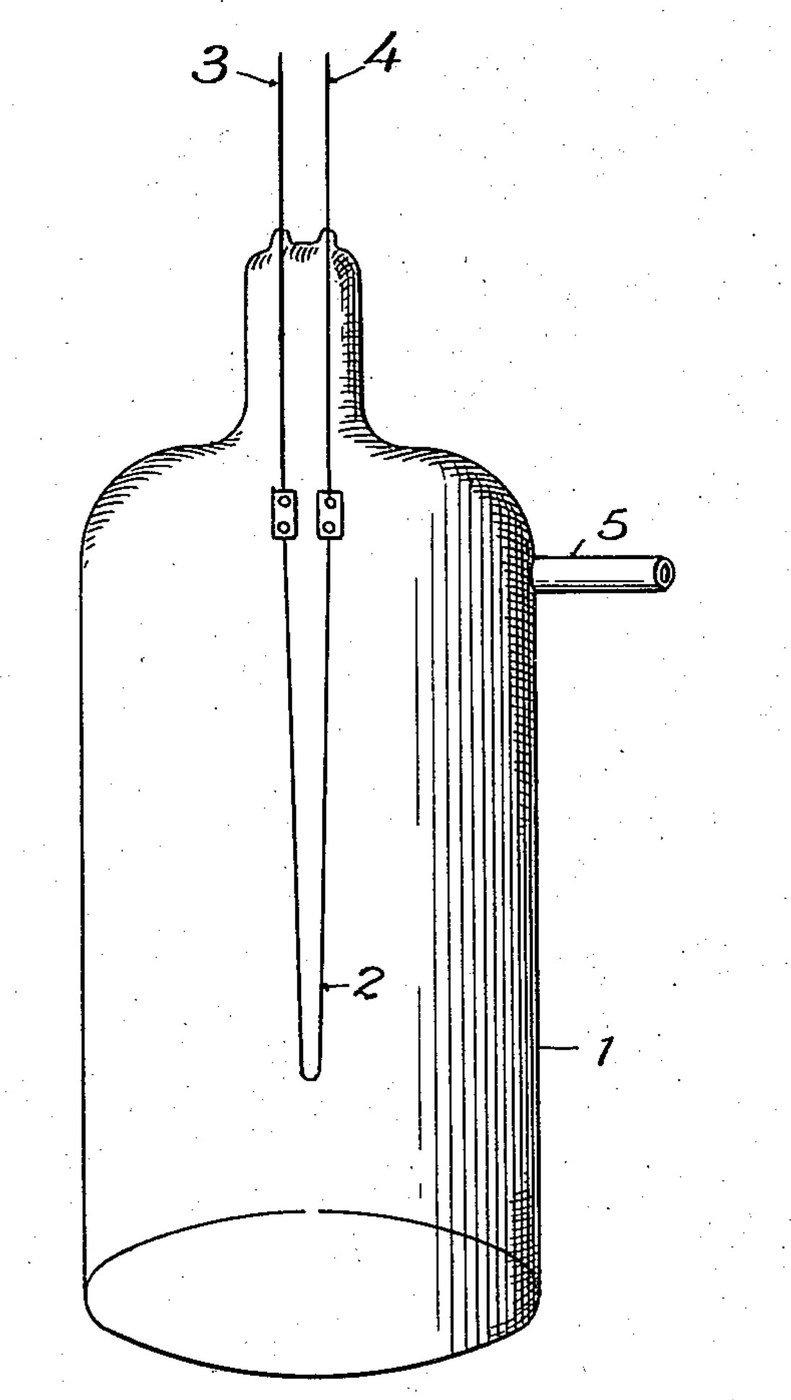


Hafnium: Iodide Vapour Split on a Tungsten Wire Heated beyond 1600 °C (van Arkel and de Boer, US 1,671,213)
Hafnium will not come out of its chloride and hydrogen as clean metal. Van Arkel and de Boer instead let the vapour of hafnium iodide pass a white-hot wire in an evacuated vessel: the iodide splits and pure hafnium grows on the wire.
Result: hafnium metal deposited on the wire.
Source: A. E. van Arkel and J. H. de Boer, US 1,671,213 (1928). The wire runs white-hot; iodine vapour is released. Picture: the patent drawing.
མཐོ་རིམ
1 day
ལམ་སྟོན
1
1
Set up the vessel and wire
Set up the vessel and wire
Hang a wire, for example of tungsten, inside the vessel, fixed with small screws to two leading-in wires sealed through its narrowed top. A side tube goes to a pump. For the high temperatures the iodides need, the patent advises a vessel of suitable metal such as chrome iron rather than glass.
ལག་ཆས་དགོས་མཁོ:
 ཤེལ་གྱི་སྣོད།
 ཊང་སི་ཊཱན་ གློག་སྐུད།
 ཐད་རྒྱུན་གློག་ཁུངས།
2
2
Pump out the air
Pump out the air
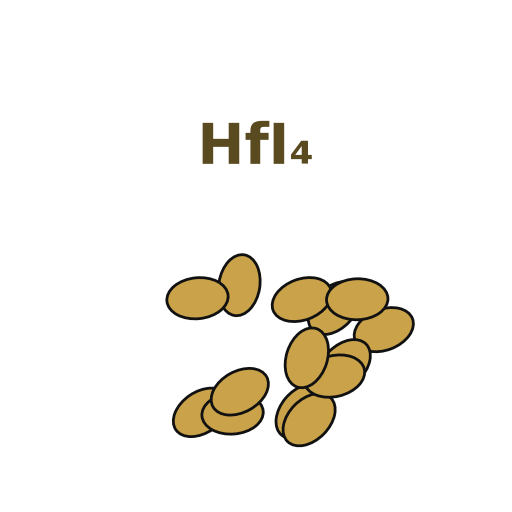
Put the hafnium iodide in the vessel and pump out the air and any other gas that would spoil the reaction.
གོམ་པ་འདིའི་རྫས་རིགས:
 ཧཱབ་ནི་ཡམ་ཨའི་ཡོ་ཌའིཌ།1 as required
ལག་ཆས་དགོས་མཁོ:
 རླུང་འཐེན་འཕྲུལ་ཆས།
3
3
Evaporate the iodide
Evaporate the iodide
Heat the vessel until the iodide gives enough vapour. The patent gives 400-600 °C only for zirconium iodide; for hafnium iodide the temperature is not given. Ours: a furnace round the vessel.
ལག་ཆས་དགོས་མཁོ:
 རྒྱུ་ཐིག་ཐབ
4
4
Deposit hafnium on the white-hot wire
Deposit hafnium on the white-hot wire
Pass a current through the wire to heat it beyond 1600 °C while the iodide vapour flows along it. The iodide splits and hafnium deposits on the wire. Do not overheat: the deposit can alloy with the wire.
ལག་ཆས་དགོས་མཁོ:
ཐད་རྒྱུན་གློག་ཁུངས། པཱའི་རོ་མི་ཊརཊང་སི་ཊཱན་ གློག་སྐུད།
རྫས་རིགས
1- 1 as requiredས་ཆ་འཛིན
ལག་ཆས་དགོས་མཁོ
6- ས་ཆ་འཛིན
- ས་ཆ་འཛིན
- ས་ཆ་འཛིན
- 1 vendor sell this, none ship to you yetས་ཆ་འཛིན
- ས་ཆ་འཛིན
- ས་ཆ་འཛིན
བིལུ་པིརིན་ཊི་འདི་གིས་བཟོ་མི

CC0 སྤྱི་དབང
བིལུ་པིརིན་ཊི་འདི་CC0 འོག་བཀྲམས་ཡོད། ཁྱེད་རང་གིས་ཆོག་མཆན་མ་བཞེས་པར་ཕབ་ལེན་དང་བཟོ་བཅོས། བགོ་བཤའ། དགོས་མཁོ་གང་ལའང་བཀོལ་སྤྱོད་བྱས་ཆོག
བཟོ་མཁན་ལ་རྒྱབ་སྐྱོར་བྱེད་པའི་ཆེད་ཁོང་ཚོའི་བིལུ་པིརིན་ཊི་བརྒྱུད་ཐོན་སྐྱེད་ཉོ། བཟོ་མཁན་གྱིས བཟོ་མཁན་གྱི་ཁེ་ཕོགས ཚོང་པས་གཏན་འཁེལ་བྱས་པ། ཡང་ན་བིལུ་པིརིན་ཊི་འདིའི་པར་གསར་བཟོས་ཏེ་ཁྱེད་རང་གི་བིལུ་པིརིན་ཊི་ནང་མཐུད་སྦྲེལ་བྱས་ཏེ་ཡོང་སྒོ་བགོ་བཤའ་བྱེད།