སྒྱུ་རྩལ
མཛེས་སྡུག་དང་བདེ་ཐང
བཟོ་རིག
རིག་གནས་དང་ལོ་རྒྱུས
དགའ་སྟོན
ཁོར་ཡུག
ཟས་དང་བཏུང་རྫས
ཕྱིར་འཕྲུལ་རིག
ཚན་རིག
རྩེད་འགྲན
རིག་རྩལ
གྱོན་རུང
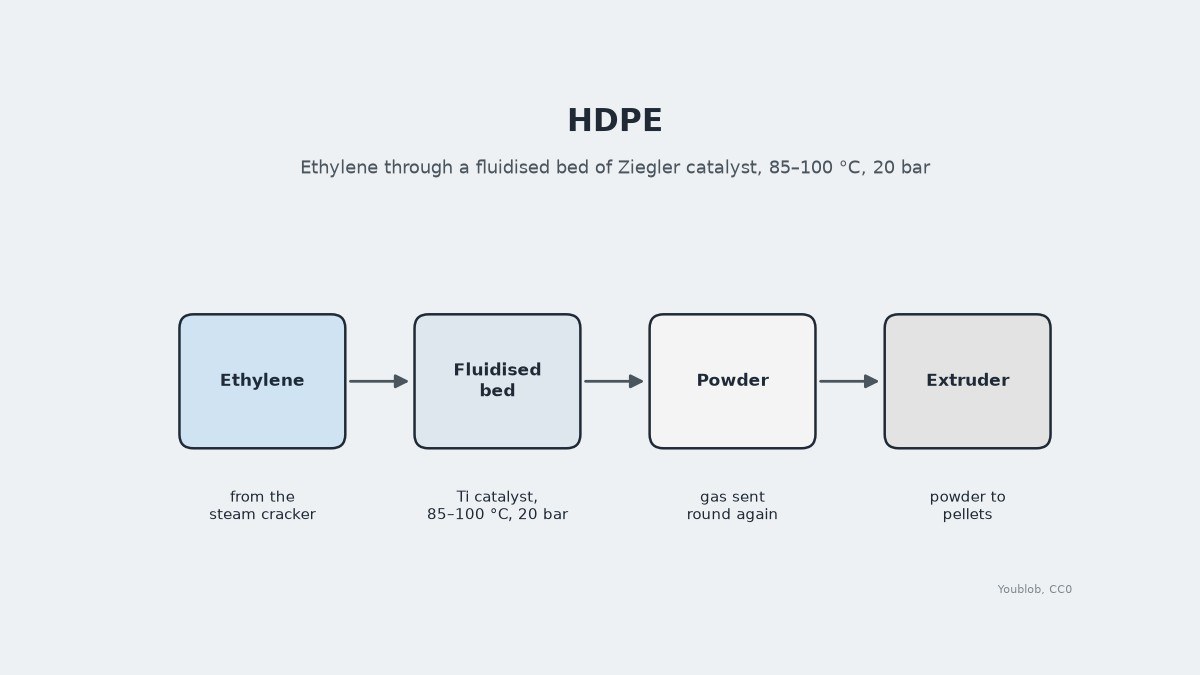


HDPE Pellets: Ethylene Polymerised in a Fluidised Bed
High-density polyethylene is made at low pressure on a Ziegler catalyst (a titanium halide with an aluminium compound). In the gas-phase process, ethylene flows up through a fluidised bed of fine catalyst at 85–100 °C and 20 bar and grows into polymer powder, which is melted and cut into pellets.
The picture: our diagram of the bed reactor and extruder.
མཐོ་རིམ
Continuous
ལམ་སྟོན
1
1
Polymerise in a fluidised bed
Polymerise in a fluidised bed
Feed fine catalyst into the bed reactor and blow ethylene up through it at 85–100 °C and 20 bar. The polymer grows on the catalyst grains.
གོམ་པ་འདིའི་རྫས་རིགས:
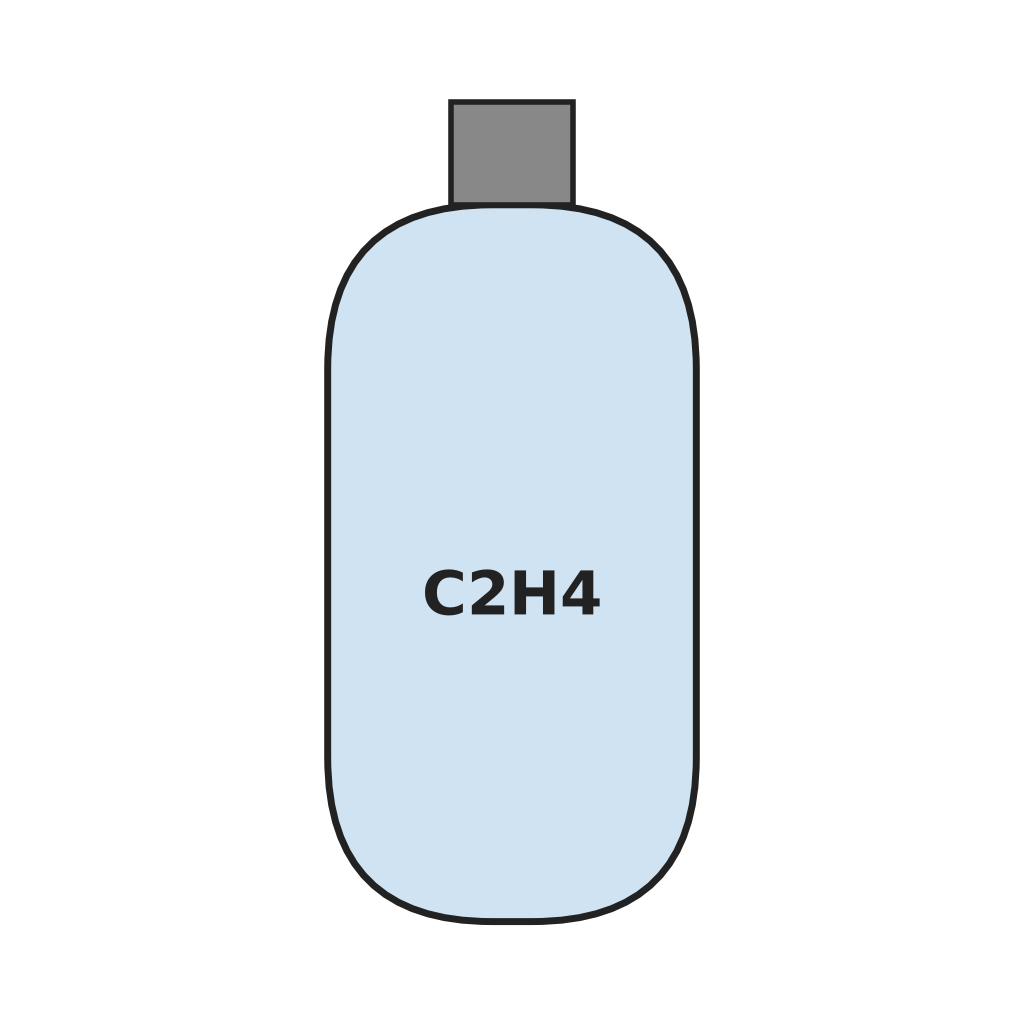 ཨེ་ཐི་ལིན།1 t
ལག་ཆས་དགོས་མཁོ:
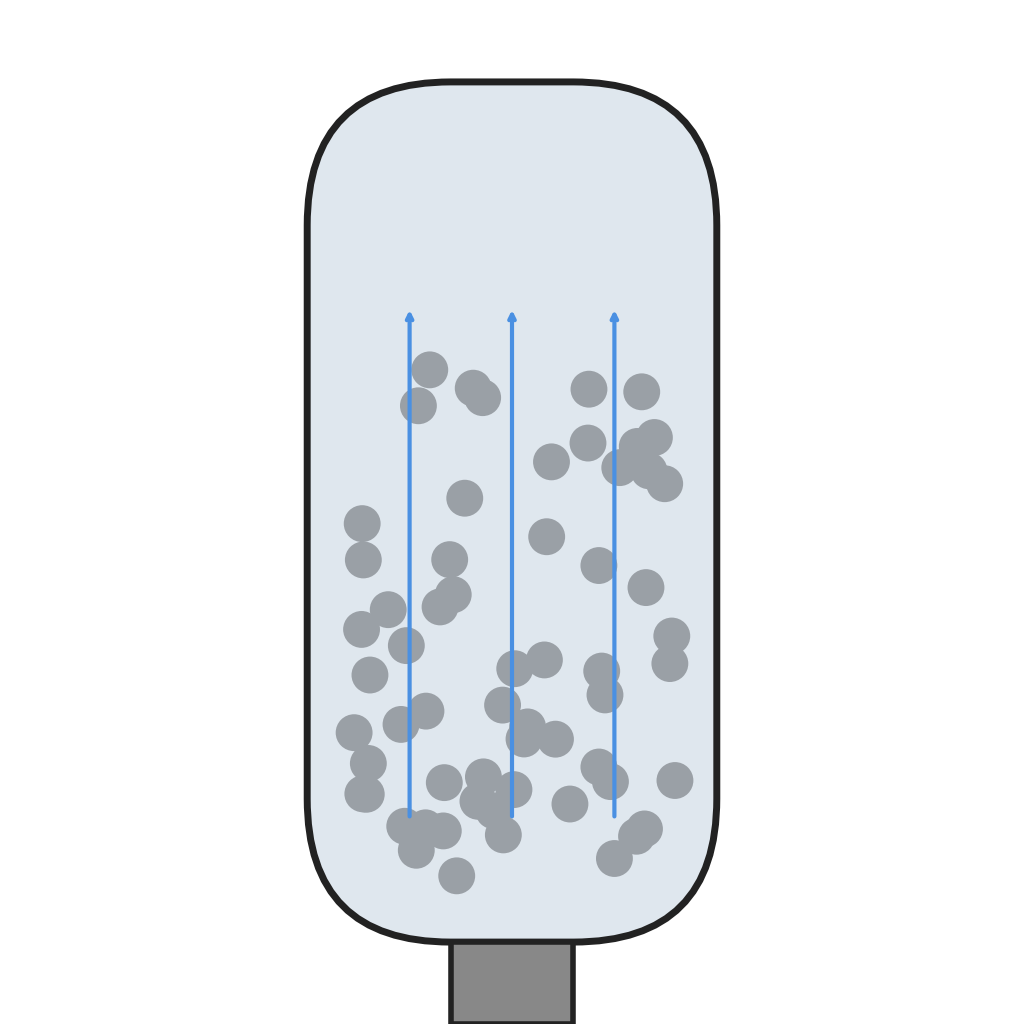 རྫས་འཁྱིལ་རྟེན་ཅན་གྱི་འབྲེལ་ཆས།
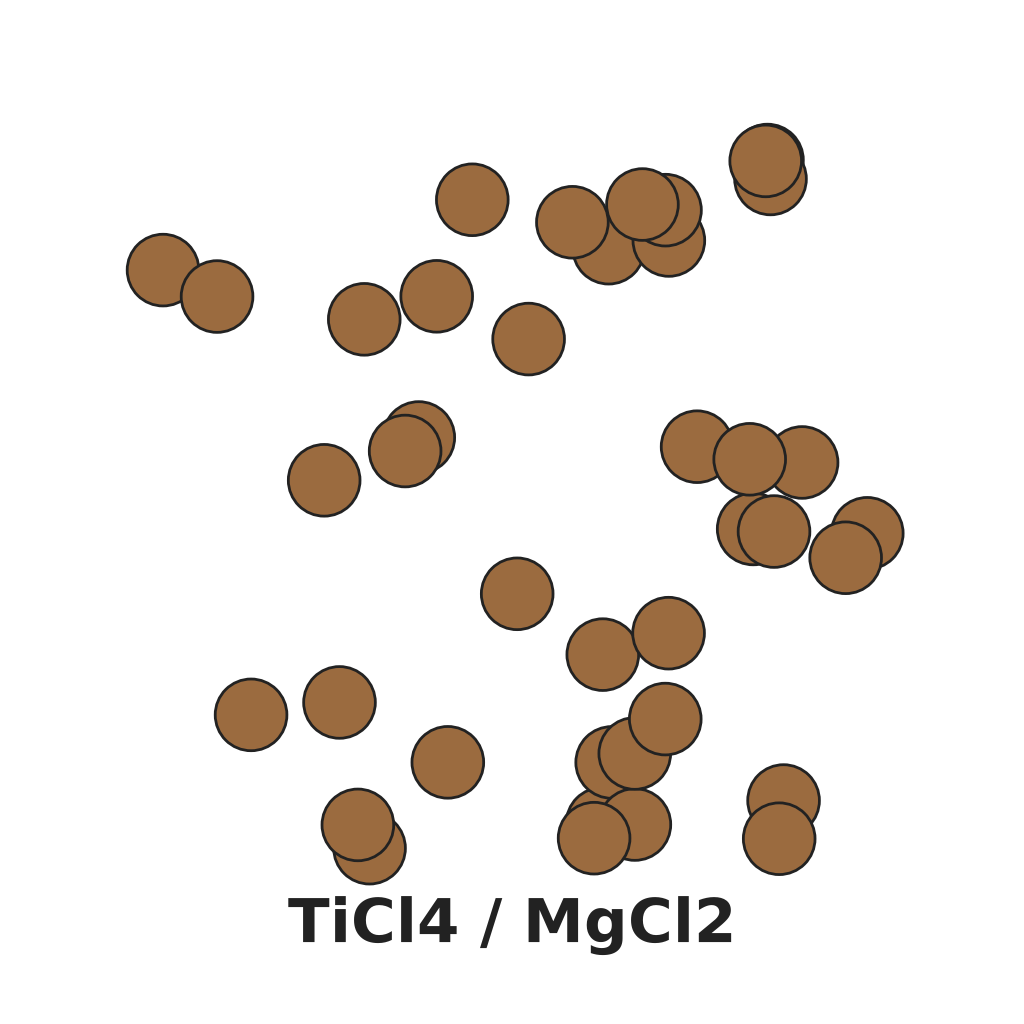 ཛིག་ལར་-ན་ཊ་འགྱུར་སྐུལ་རྫས། (MgCl2 ཐོག་གི་ TiCl4)
 རླུང་རྫས་གནོན་འཕྲུལ་ཆས།
2
2
Take off the powder
Take off the powder
Draw the polyethylene powder off the bed; compress the unreacted ethylene and send it round again.
ལག་ཆས་དགོས་མཁོ:
རྫས་འཁྱིལ་རྟེན་ཅན་གྱི་འབྲེལ་ཆས།རླུང་རྫས་གནོན་འཕྲུལ་ཆས།3
3
Pelletise
Pelletise
Melt the powder in the extruder and cut the strand into pellets.
ལག་ཆས་དགོས་མཁོ:
 པ་ལས་ཊིག་ཕྱིར་འདྲེན་འཕྲུལ་ཆས།
4
4
Ethylene gas per kilogram of polymer
Ethylene gas per kilogram of polymer
Jupyter ཚང་དེབ་མངོན་གསལ་འབད་དོ་…
རྫས་རིགས
1- 1 tས་ཆ་འཛིན
ལག་ཆས་དགོས་མཁོ
4- ས་ཆ་འཛིན
- ས་ཆ་འཛིན
- ས་ཆ་འཛིན
བིལུ་པིརིན་ཊི་འདི་གིས་བཟོ་མི

འབྲེལ་ཡོད་བིལུ་པིརིན་ཊི
བིལུ་པིརིན་ཊི་འདི་ཚུ་ཐབས་ལམ་དང་རྫས་རིགས། སྤྱི་ཆོས་བགོ་བཤའ་བྱེད
CC0 སྤྱི་དབང
བིལུ་པིརིན་ཊི་འདི་CC0 འོག་བཀྲམས་ཡོད། ཁྱེད་རང་གིས་ཆོག་མཆན་མ་བཞེས་པར་ཕབ་ལེན་དང་བཟོ་བཅོས། བགོ་བཤའ། དགོས་མཁོ་གང་ལའང་བཀོལ་སྤྱོད་བྱས་ཆོག
བཟོ་མཁན་ལ་རྒྱབ་སྐྱོར་བྱེད་པའི་ཆེད་ཁོང་ཚོའི་བིལུ་པིརིན་ཊི་བརྒྱུད་ཐོན་སྐྱེད་ཉོ། བཟོ་མཁན་གྱིས བཟོ་མཁན་གྱི་ཁེ་ཕོགས ཚོང་པས་གཏན་འཁེལ་བྱས་པ། ཡང་ན་བིལུ་པིརིན་ཊི་འདིའི་པར་གསར་བཟོས་ཏེ་ཁྱེད་རང་གི་བིལུ་པིརིན་ཊི་ནང་མཐུད་སྦྲེལ་བྱས་ཏེ་ཡོང་སྒོ་བགོ་བཤའ་བྱེད།