སྒྱུ་རྩལ
མཛེས་སྡུག་དང་བདེ་ཐང
བཟོ་རིག
རིག་གནས་དང་ལོ་རྒྱུས
དགའ་སྟོན
ཁོར་ཡུག
ཟས་དང་བཏུང་རྫས
ཕྱིར་འཕྲུལ་རིག
ཚན་རིག
རྩེད་འགྲན
རིག་རྩལ
གྱོན་རུང
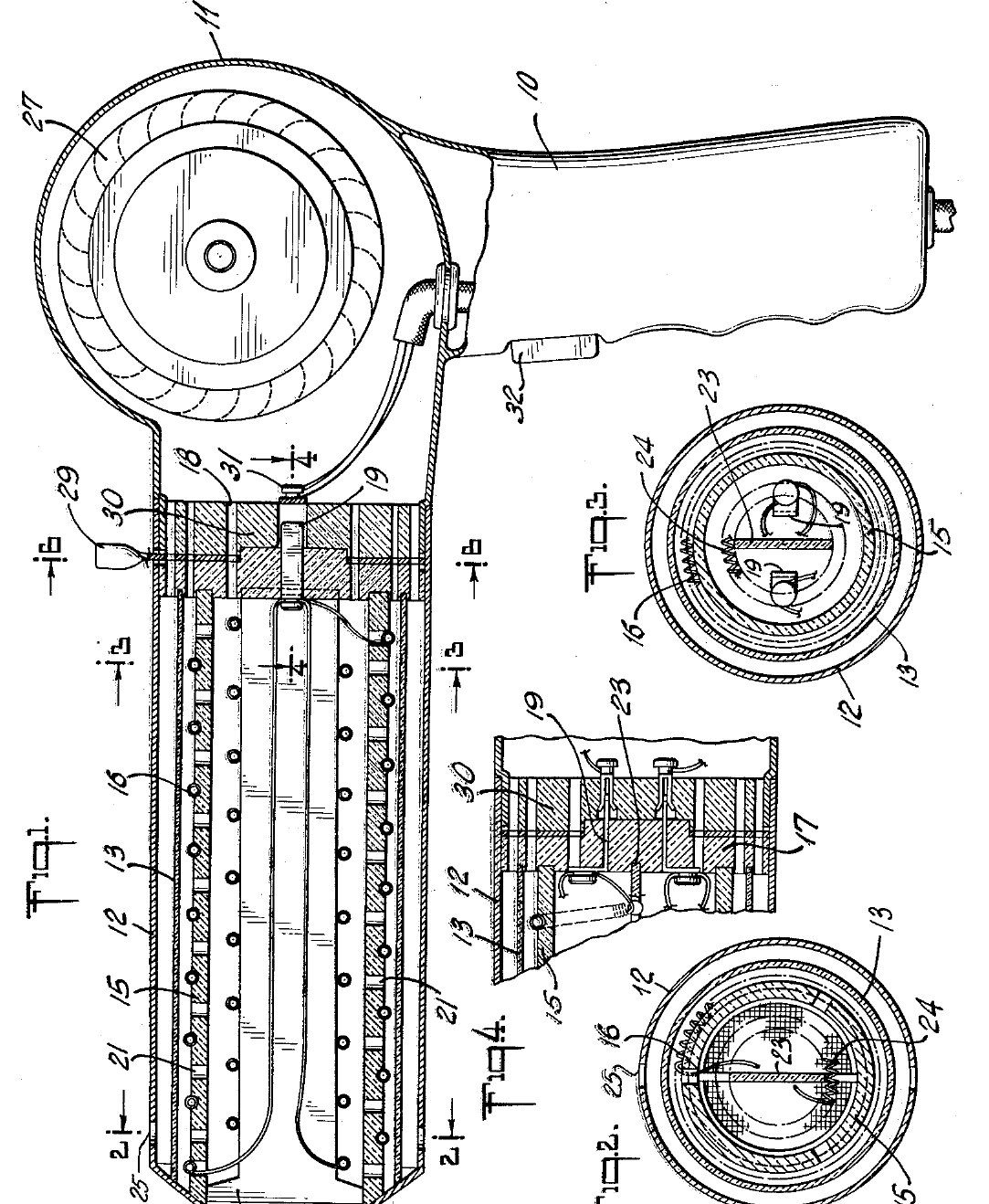


Heat Gun for Paint Removal: Ferris, 1963
Edwin W. Ferris of Greenwich, Connecticut, patented this electric paint remover in 1963, US 3,094,606: a heat gun that softens old paint without a flame. A fan in a housing with a handle blows air through a barrel. Inside is a removable heating unit, a ceramic core wound with resistance wire, with a second coil on a plate across it. The barrel's inner wall is a metal jacket: cooling air flows outside it while the air heated by the coils leaves the mouth at 500–1300 °F (260–700 °C), so the outside stays cool enough to hold. For household current Ferris proposed 110 V and a 1300 W element. A ring with a lever at the barrel's root sets how much air is heated.
མཐོ་རིམ
Workshop process
ལམ་སྟོན
1
1
Housing and fan
Housing and fan
Build the gun-like housing with a handle and a fan housing; fit a drum-type fan driven by a small motor.
གོམ་པ་འདིའི་རྫས་རིགས:
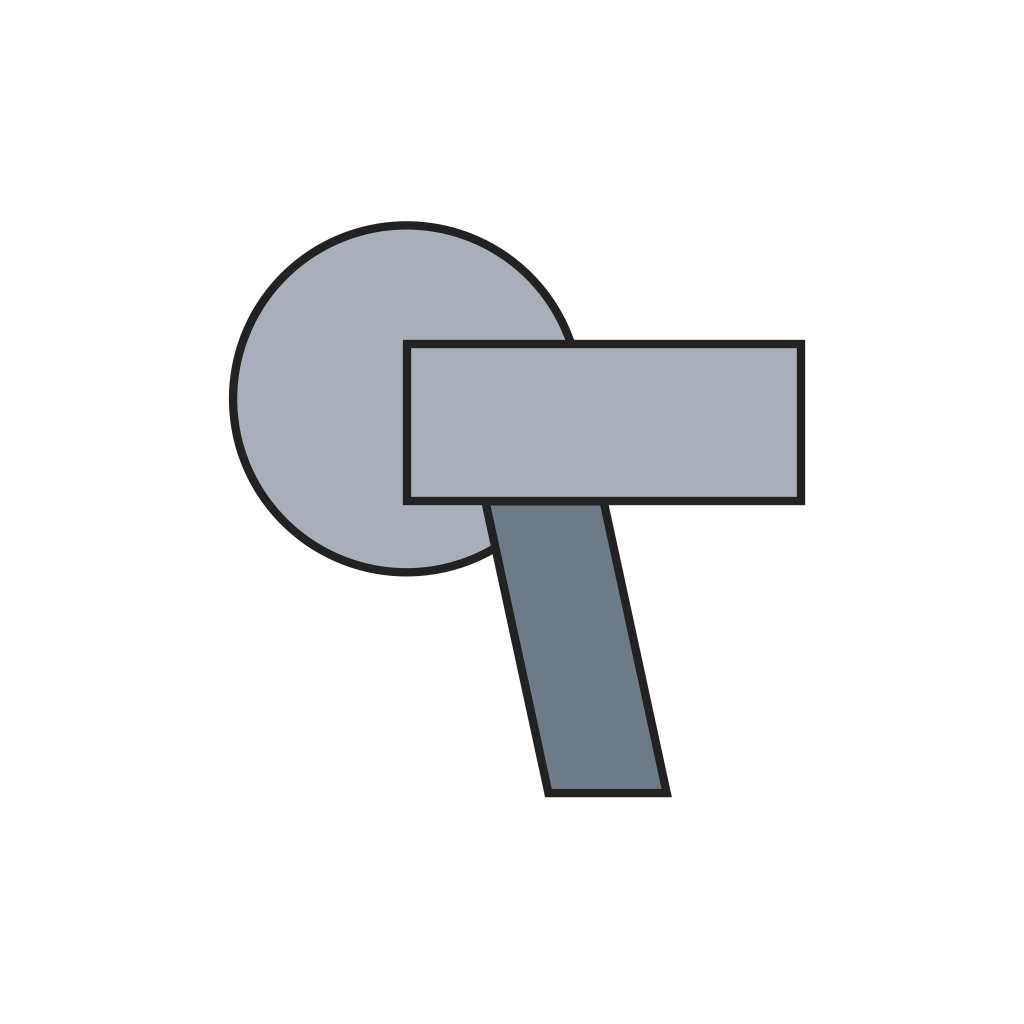 རླུང་འཁོར་འཁྱིལ་ཤུབས་ཡོད་པའི་ དྲོད་རླུང་མེ་མདའི་ཤུབས།1 དུམ་བུ།
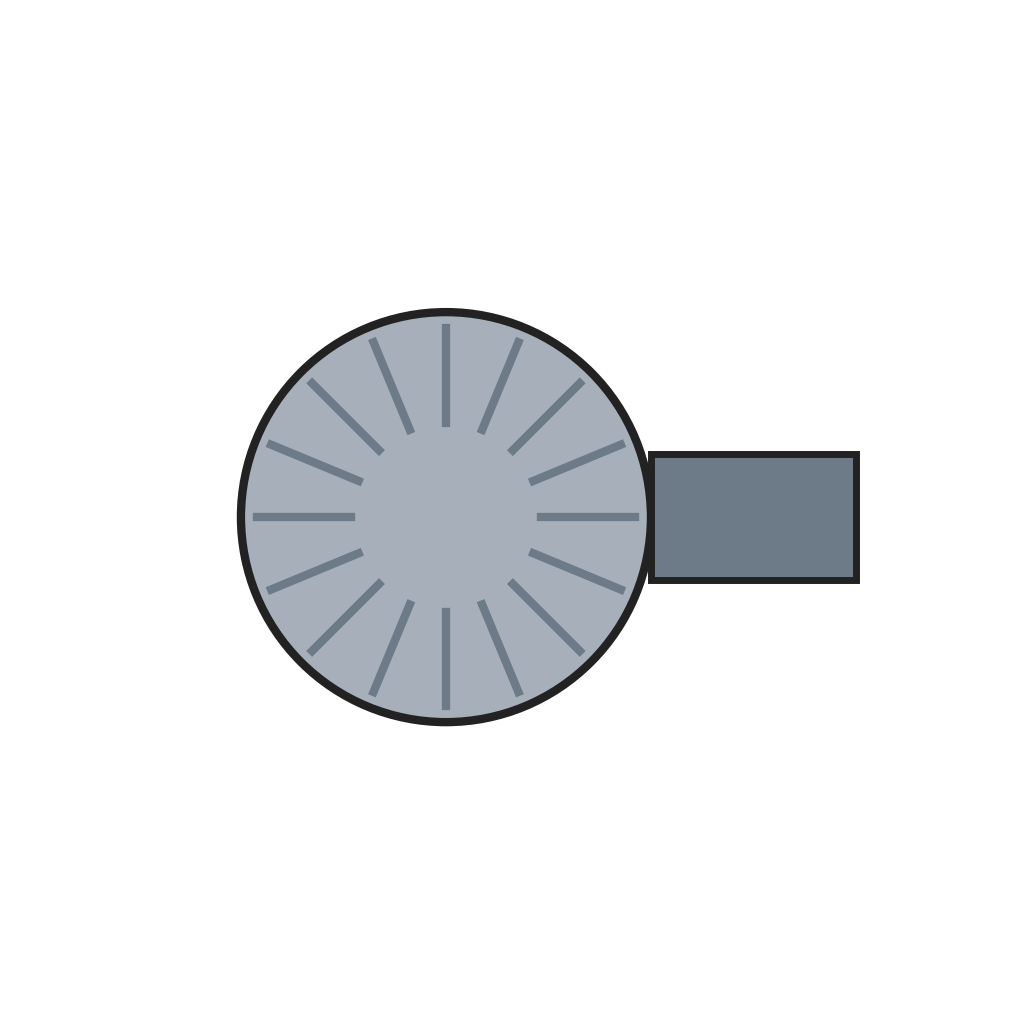 རྔ་དབྱིབས་རླུང་འཁོར་དང་ གློག་འཁོར་ཆུང་ཀུ།1 དུམ་བུ།
ལག་ཆས་དགོས་མཁོ:
 སྒྲོག་བསྐོར་ཆས་ཆ་ཚང་།
2
2
Heating unit
Heating unit
Wind resistance wire round a cylindrical ceramic core pierced with holes, ending in a ceramic disc with air holes and bayonet connectors so the unit can be taken out and replaced. Fit a ceramic plate with a second coil across the inside of the core; connect both coils in parallel.
གོམ་པ་འདིའི་རྫས་རིགས:
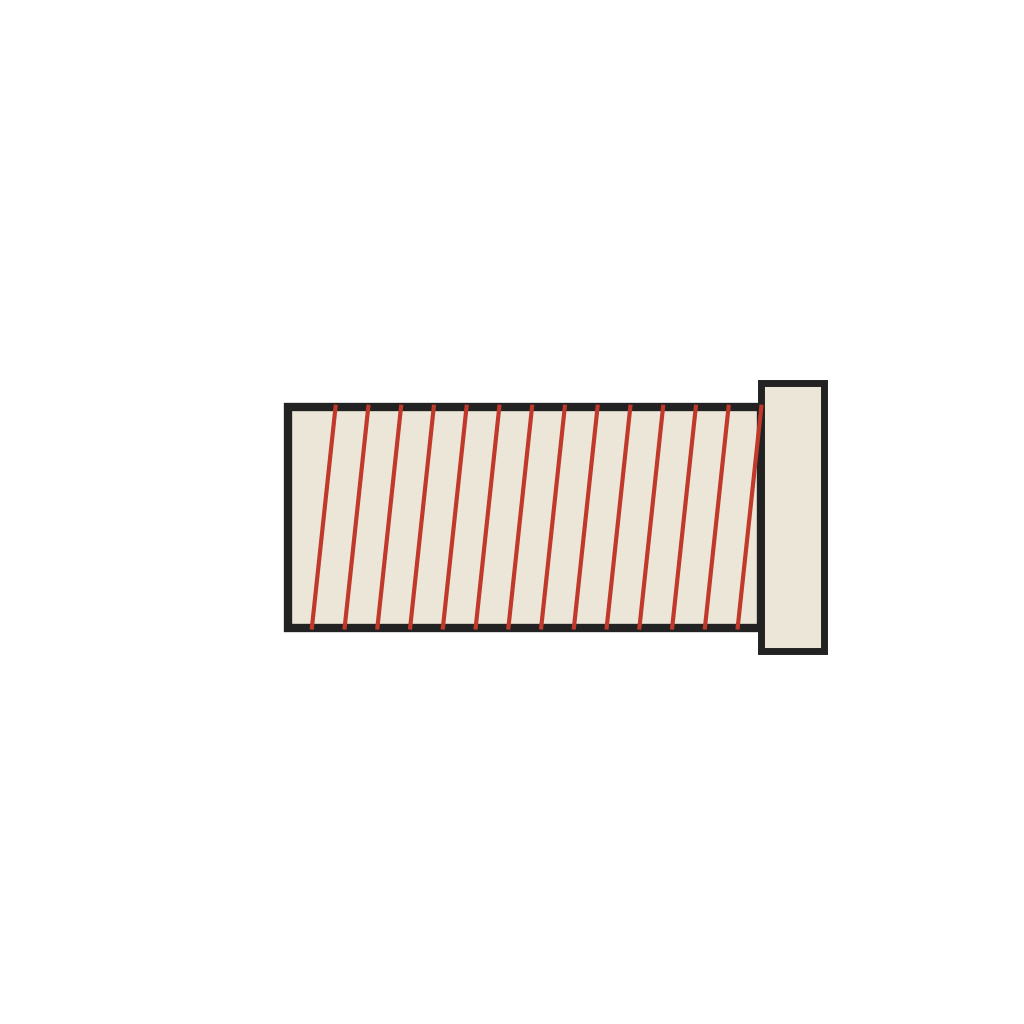 འགོག་ཤུགས་སྒྲིལ་བ་ཡོད་པའི་ ས་རྫས་དྲོད་ཆས་སྙིང་པོ།1 དུམ་བུ།
ལག་ཆས་དགོས་མཁོ:
 སྣ་ཚོགས་ལྕགས་ཀྱིབ།
3
3
Barrel
Barrel
Mount the heating unit in the barrel, whose inner wall forms a jacket: cooling air passes outside it from the fan housing to the atmosphere, while heated air passes through the core to the mouth.
གོམ་པ་འདིའི་རྫས་རིགས:
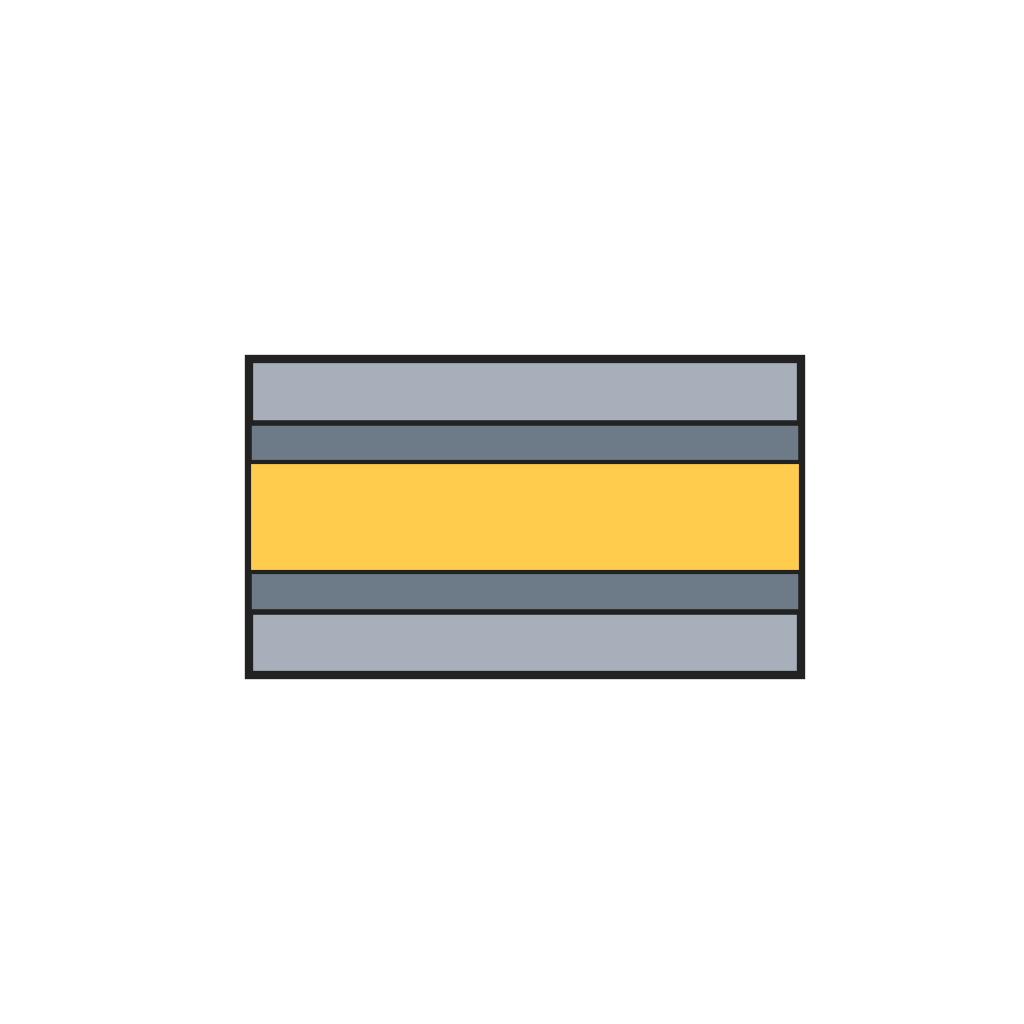 ཤུབས་ཅན་གྱི་ལྕགས་དོང་།1 དུམ་བུ།
ལག་ཆས་དགོས་མཁོ:
སྒྲོག་བསྐོར་ཆས་ཆ་ཚང་།4
4
Air control
Air control
Fit the control ring with its lever between the core's disc and the ceramic base; turning it opens or closes rows of holes and sets how much of the air passes the heating coils.
གོམ་པ་འདིའི་རྫས་རིགས:
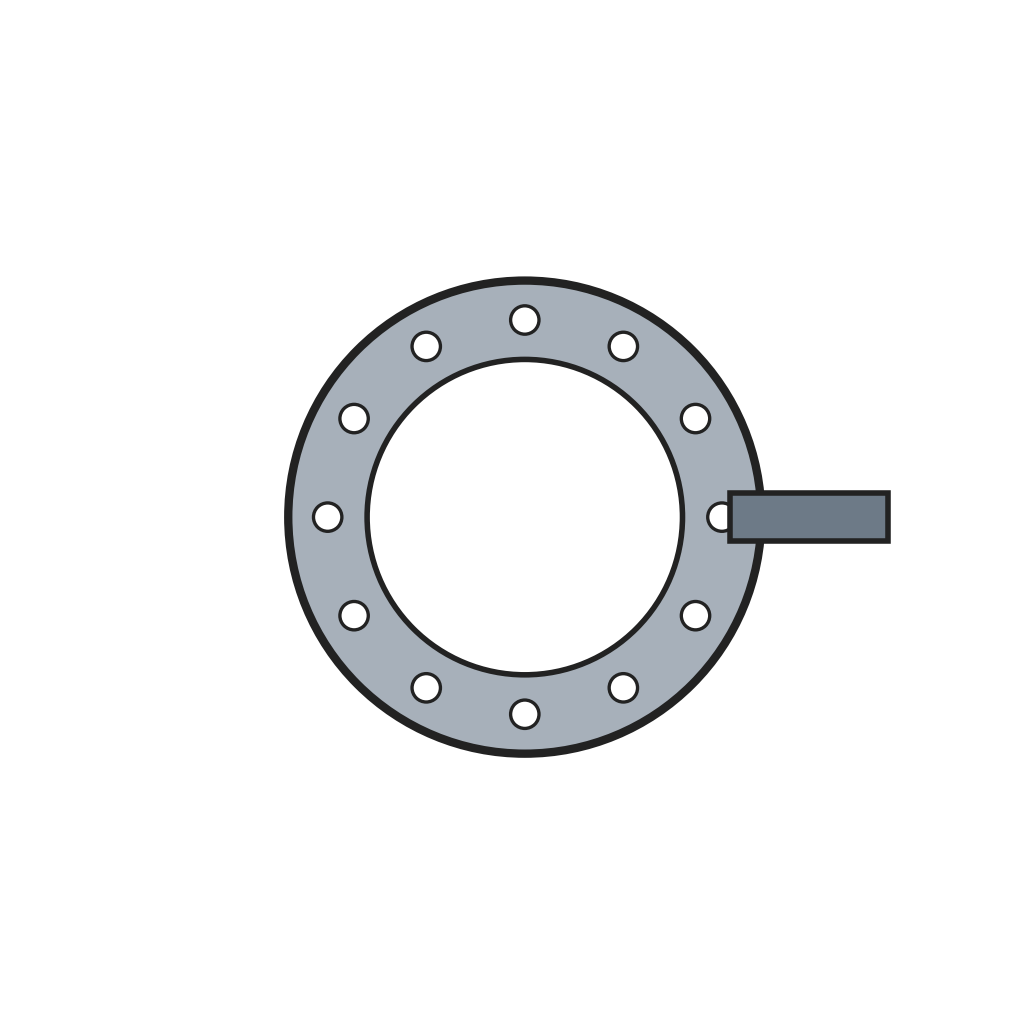 རླུང་རྒྱུན་ཚོད་འཛིན་ འཁོར་གདུབ།1 དུམ་བུ།
ལག་ཆས་དགོས་མཁོ:
སྒྲོག་བསྐོར་ཆས་ཆ་ཚང་།རྫས་རིགས
5- ས་ཆ་འཛིན
- ས་ཆ་འཛིན
- ས་ཆ་འཛིན
- 1 དུམ་བུ།ས་ཆ་འཛིན
- 1 དུམ་བུ།ས་ཆ་འཛིན
ལག་ཆས་དགོས་མཁོ
2- ས་ཆ་འཛིན
- ས་ཆ་འཛིན
བིལུ་པིརིན་ཊི་འདི་གིས་བཟོ་མི
འབྲེལ་ཡོད་བིལུ་པིརིན་ཊི
བིལུ་པིརིན་ཊི་འདི་ཚུ་ཐབས་ལམ་དང་རྫས་རིགས། སྤྱི་ཆོས་བགོ་བཤའ་བྱེད


CC0 སྤྱི་དབང
བིལུ་པིརིན་ཊི་འདི་CC0 འོག་བཀྲམས་ཡོད། ཁྱེད་རང་གིས་ཆོག་མཆན་མ་བཞེས་པར་ཕབ་ལེན་དང་བཟོ་བཅོས། བགོ་བཤའ། དགོས་མཁོ་གང་ལའང་བཀོལ་སྤྱོད་བྱས་ཆོག
བཟོ་མཁན་ལ་རྒྱབ་སྐྱོར་བྱེད་པའི་ཆེད་ཁོང་ཚོའི་བིལུ་པིརིན་ཊི་བརྒྱུད་ཐོན་སྐྱེད་ཉོ། བཟོ་མཁན་གྱིས བཟོ་མཁན་གྱི་ཁེ་ཕོགས ཚོང་པས་གཏན་འཁེལ་བྱས་པ། ཡང་ན་བིལུ་པིརིན་ཊི་འདིའི་པར་གསར་བཟོས་ཏེ་ཁྱེད་རང་གི་བིལུ་པིརིན་ཊི་ནང་མཐུད་སྦྲེལ་བྱས་ཏེ་ཡོང་སྒོ་བགོ་བཤའ་བྱེད།