སྒྱུ་རྩལ
མཛེས་སྡུག་དང་བདེ་ཐང
བཟོ་རིག
རིག་གནས་དང་ལོ་རྒྱུས
དགའ་སྟོན
ཁོར་ཡུག
ཟས་དང་བཏུང་རྫས
ཕྱིར་འཕྲུལ་རིག
ཚན་རིག
རྩེད་འགྲན
རིག་རྩལ
གྱོན་རུང
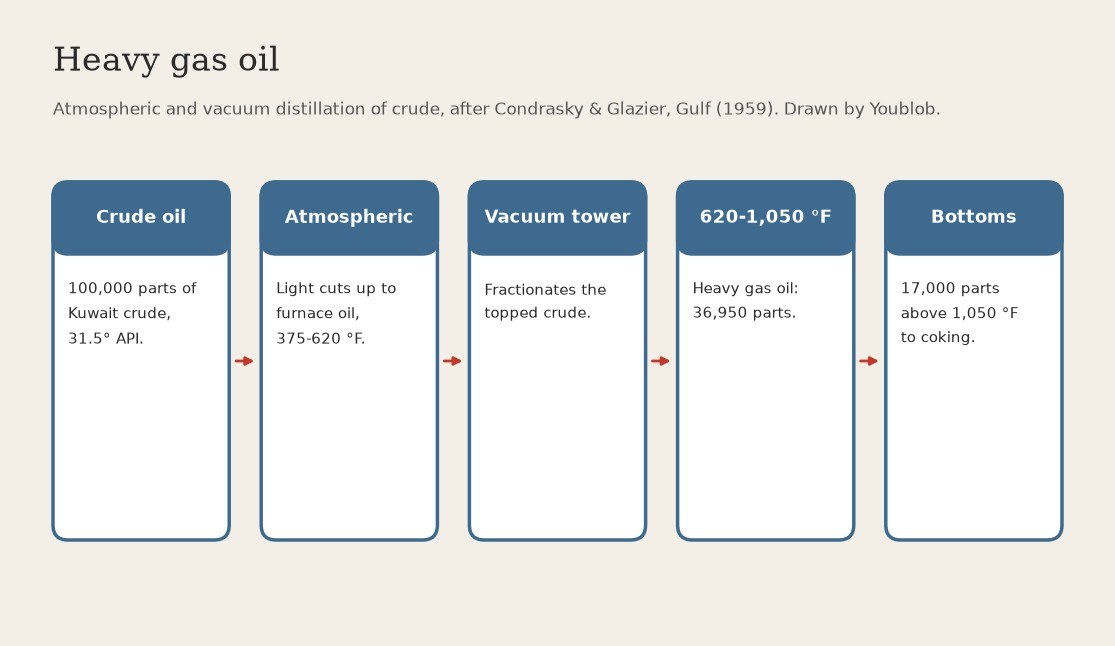


Heavy Gas Oil: the 620-1,050 °F Cut from Atmospheric and Vacuum Distillation of Crude Oil (Gulf, US 3,071,535)
A modern refinery splits crude oil in two towers: the first, at atmospheric pressure, takes off everything up to the furnace oil; the second, a vacuum tower, fractionates what is left to give gas oil for the catalytic cracker and a reduced crude for coking.
Result (Gulf's example): from 100,000 barrels a day of Kuwait crude, 36,950 of heavy gas oil boiling from 620 to 1,050 °F.
Source: Condrasky & Glazier, US 3,071,535 (Gulf, filed 1959), Table I. Not given: tower pressures, temperatures and vacuum. Hot oil: fire risk. Picture drawn by Youblob.
ཆེས་མཁས་པ
1 day
ལམ་སྟོན
1
1
Charge the crude oil
Charge the crude oil
Feed crude oil to the atmospheric fractionating column. Gulf's example: 100,000 barrels per calendar day of Kuwait crude of 31.5° API gravity.
གོམ་པ་འདིའི་རྫས་རིགས:
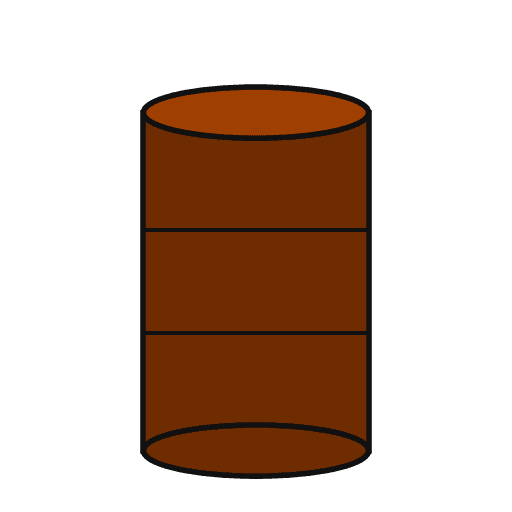
 ལས་མ་བྱས་པའི་ས་སྣུམ།100000 parts by volume
ལག་ཆས་དགོས་མཁོ:
 སྣུམ་བསག་སྣོད།
 སྤོ་བཤུད་འཐེན་འཕྲུལ།
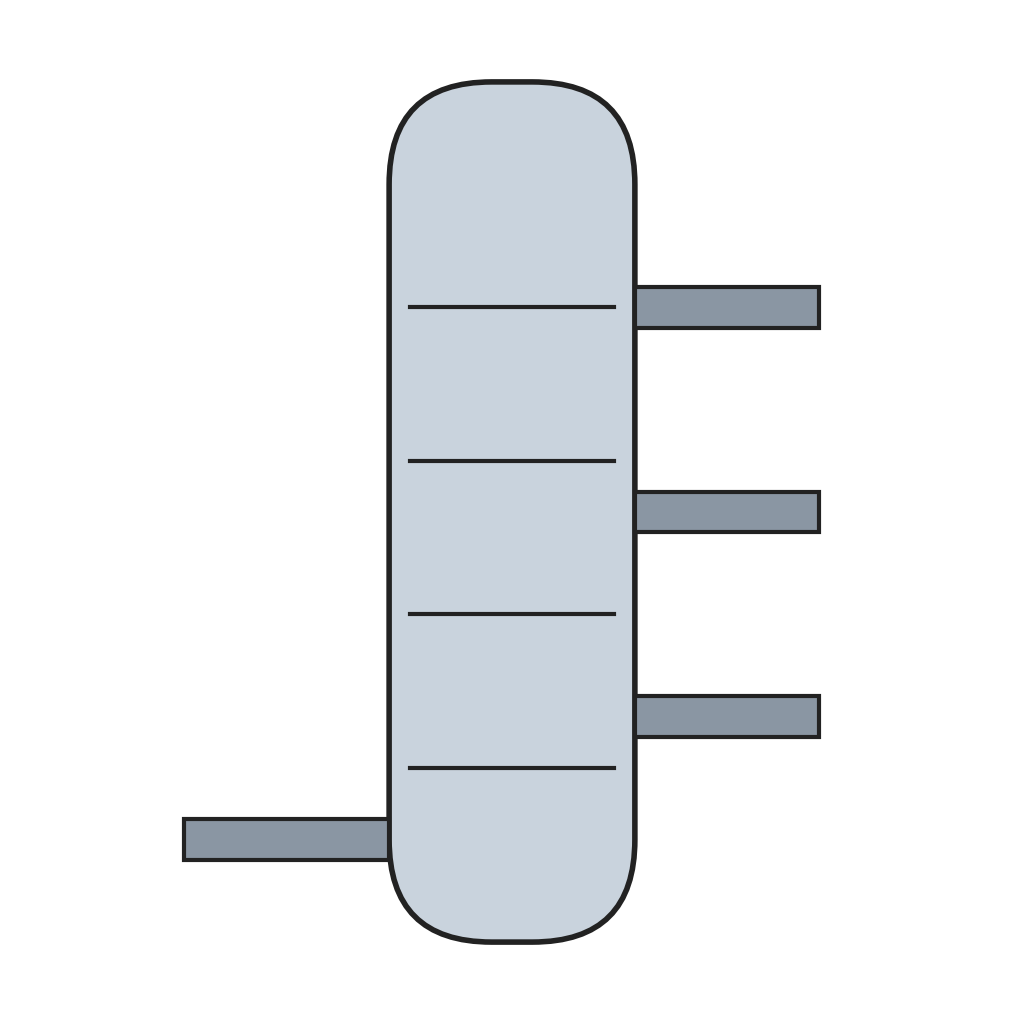 རླུང་གི་ནོན་ཤུགས་ཀྱི་བཅུ་ཐབས་ཀ་བ།
2
2
Top the crude at atmospheric pressure
Top the crude at atmospheric pressure
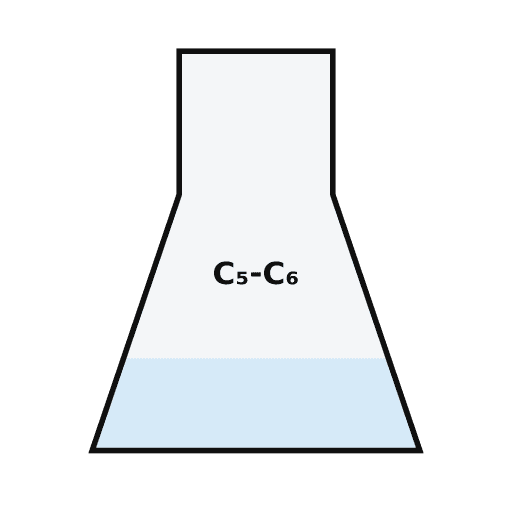
Take off the light cuts in the atmospheric column. Gulf's yields per 100,000: fuel gas 115 (as fuel-oil equivalent), C4 fraction 2,241, gasoline C5-190 °F 7,549 (the light straight-run gasoline, kept for isomerisation), naphtha 190-375 °F 15,700, furnace oil 375-620 °F 20,900.
ལག་ཆས་དགོས་མཁོ:
རླུང་གི་ནོན་ཤུགས་ཀྱི་བཅུ་ཐབས་ཀ་བ།3
3
Fractionate the topped crude under vacuum
Fractionate the topped crude under vacuum
Send the topped crude to the vacuum tower. Gulf does not give the vacuum or the temperatures.
ལག་ཆས་དགོས་མཁོ:
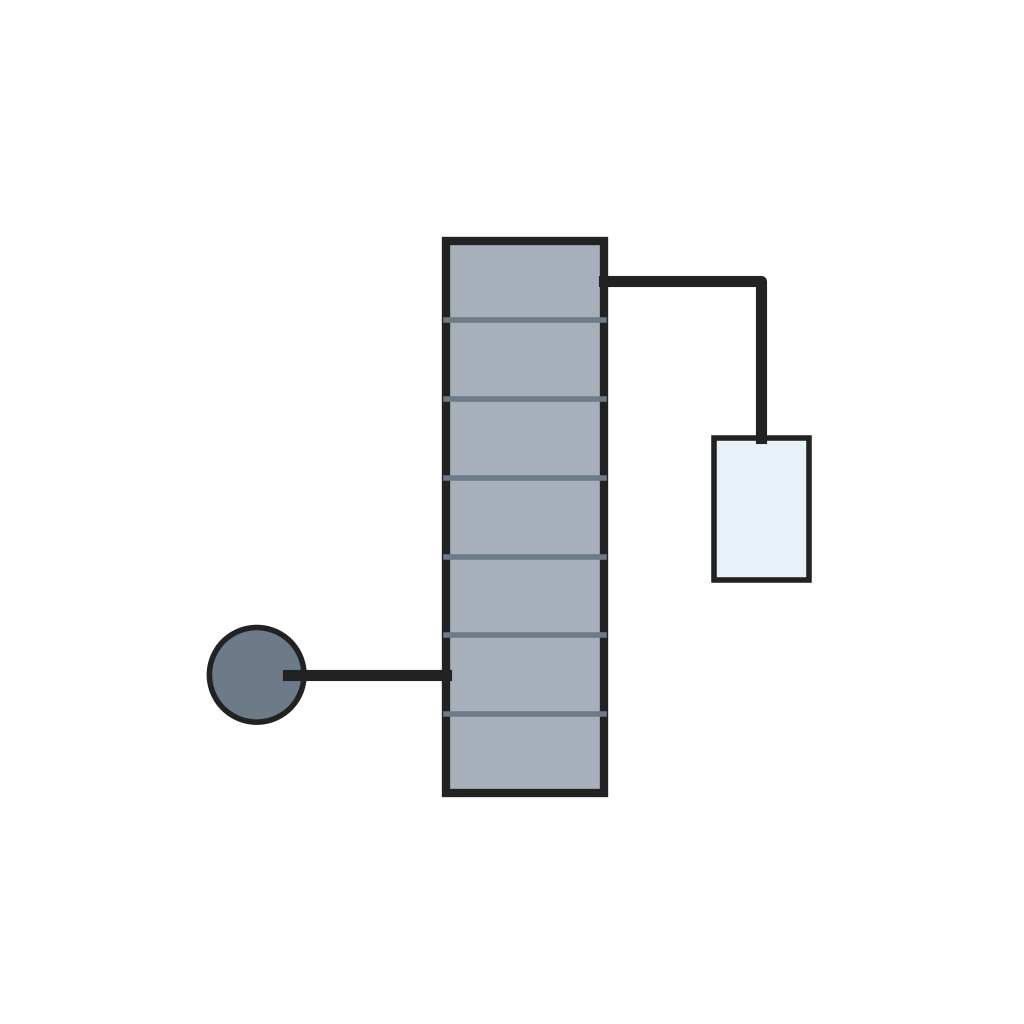 རླུང་མེད་བཅུ་ཐབས་ཀ་བ།
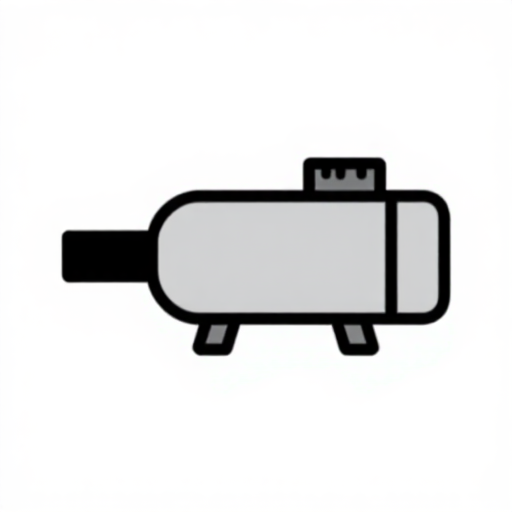 རླུང་འཐེན་འཕྲུལ་ཆས།
4
4
Draw the 620-1,050 °F heavy gas oil
Draw the 620-1,050 °F heavy gas oil
Draw off the heavy gas oil boiling from 620 to 1,050 °F: 36,950 per 100,000 of crude. The vacuum bottoms above 1,050 °F, 17,000, are the vacuum residue that goes to coking.
ལག་ཆས་དགོས་མཁོ:
རླུང་མེད་བཅུ་ཐབས་ཀ་བ།སྣུམ་བསག་སྣོད།རྫས་རིགས
1- 100000 parts by volumeས་ཆ་འཛིན
ལག་ཆས་དགོས་མཁོ
5- ས་ཆ་འཛིན
- ས་ཆ་འཛིན
- ས་ཆ་འཛིན
- 1 vendor sell this, none ship to you yetས་ཆ་འཛིན
བིལུ་པིརིན་ཊི་འདི་གིས་བཟོ་མི

འབྲེལ་ཡོད་བིལུ་པིརིན་ཊི
བིལུ་པིརིན་ཊི་འདི་ཚུ་ཐབས་ལམ་དང་རྫས་རིགས། སྤྱི་ཆོས་བགོ་བཤའ་བྱེད

CC0 སྤྱི་དབང
བིལུ་པིརིན་ཊི་འདི་CC0 འོག་བཀྲམས་ཡོད། ཁྱེད་རང་གིས་ཆོག་མཆན་མ་བཞེས་པར་ཕབ་ལེན་དང་བཟོ་བཅོས། བགོ་བཤའ། དགོས་མཁོ་གང་ལའང་བཀོལ་སྤྱོད་བྱས་ཆོག
བཟོ་མཁན་ལ་རྒྱབ་སྐྱོར་བྱེད་པའི་ཆེད་ཁོང་ཚོའི་བིལུ་པིརིན་ཊི་བརྒྱུད་ཐོན་སྐྱེད་ཉོ། བཟོ་མཁན་གྱིས བཟོ་མཁན་གྱི་ཁེ་ཕོགས ཚོང་པས་གཏན་འཁེལ་བྱས་པ། ཡང་ན་བིལུ་པིརིན་ཊི་འདིའི་པར་གསར་བཟོས་ཏེ་ཁྱེད་རང་གི་བིལུ་པིརིན་ཊི་ནང་མཐུད་སྦྲེལ་བྱས་ཏེ་ཡོང་སྒོ་བགོ་བཤའ་བྱེད།