སྒྱུ་རྩལ
མཛེས་སྡུག་དང་བདེ་ཐང
བཟོ་རིག
རིག་གནས་དང་ལོ་རྒྱུས
དགའ་སྟོན
ཁོར་ཡུག
ཟས་དང་བཏུང་རྫས
ཕྱིར་འཕྲུལ་རིག
ཚན་རིག
རྩེད་འགྲན
རིག་རྩལ
གྱོན་རུང


Hessian (Burlap): Jute Yarn Woven Plain on a Handloom
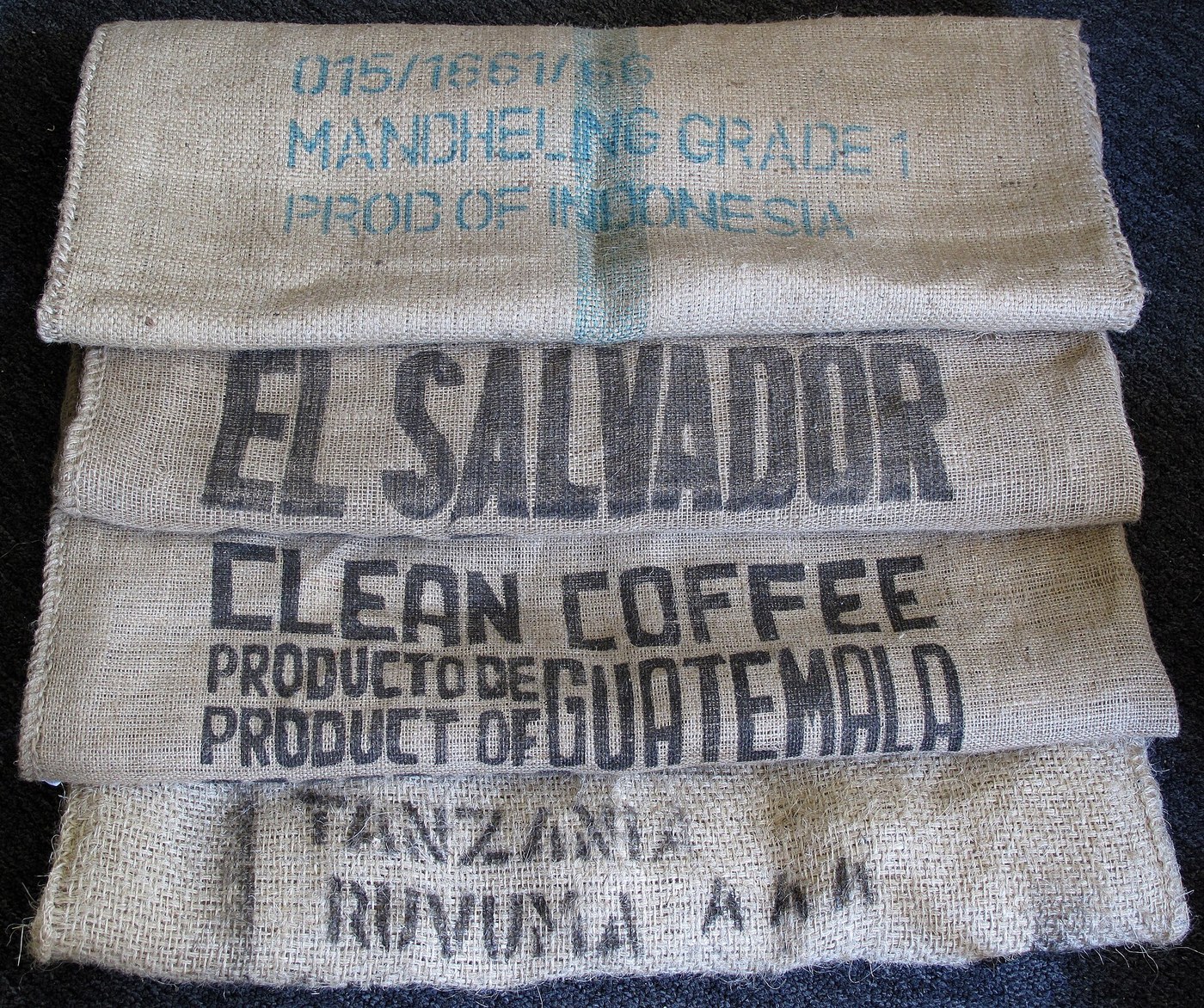
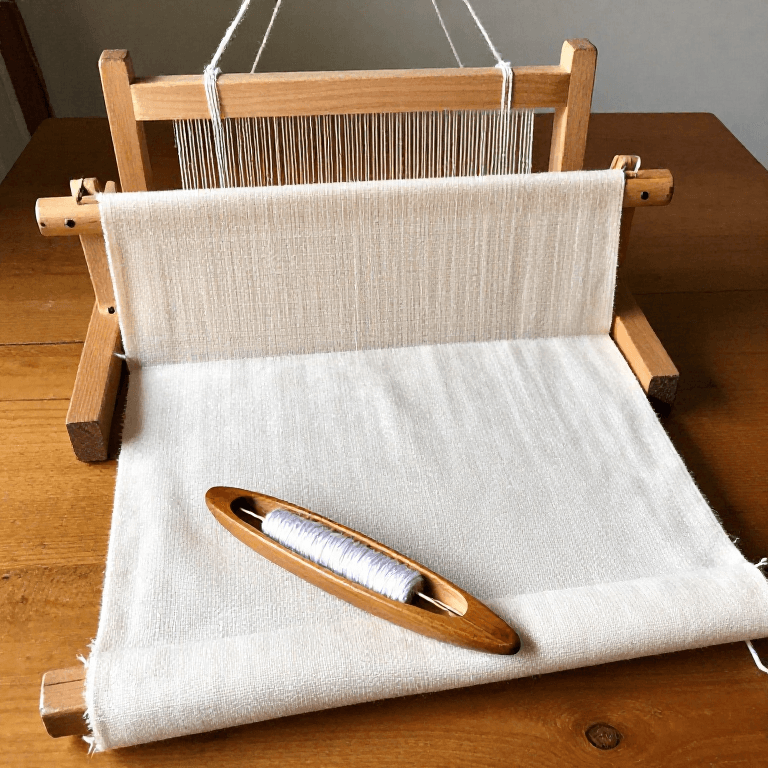
Hessian, or burlap, is the coarse, strong cloth of jute that sacks, sandbags and the backs of carpets are made of. Early Indian weavers made jute cloth with hand-spinning wheels and handlooms, before the Dundee and Bengal mills. Here the jute singles are woven plain on a rigid heddle loom, the same way as our cotton cloth, only far coarser.
The picture: empty coffee sacks of jute hessian.
འགོ་བཙུགས
A day for a metre
ལམ་སྟོན
1
1
Dampen the yarn
Dampen the yarn
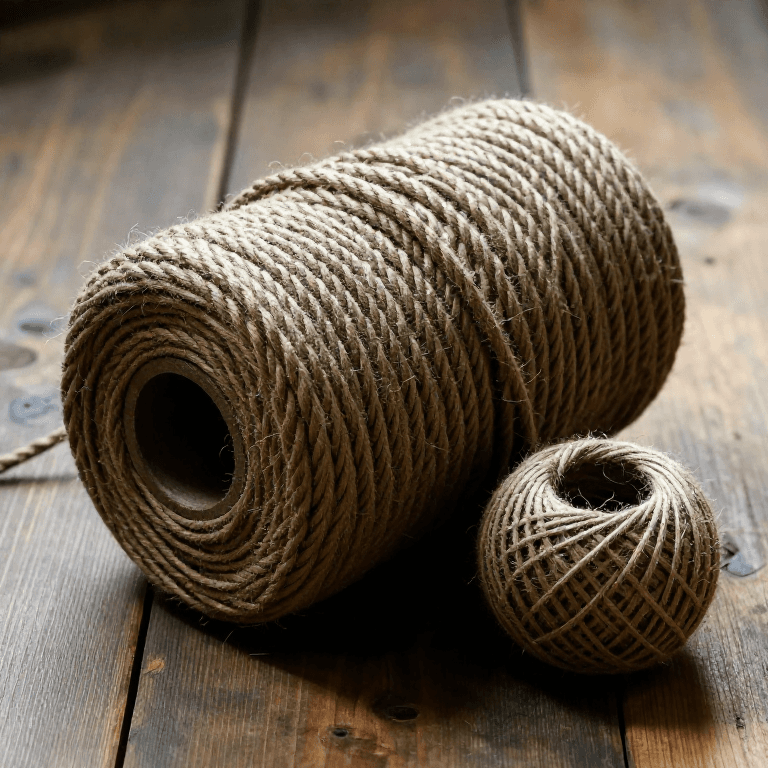
Spin or take jute singles about 2 mm thick. Keep a bowl of water by the loom to damp your fingers and smooth the fibre, as when spinning it.
གོམ་པ་འདིའི་རྫས་རིགས:
 ཇུཊ་ཀྱི་སྐུད་པ1 kg
 ཆུ།1 as required
ལག་ཆས་དགོས་མཁོ:
 ཕོར་པ་
2
2
Warp and weave plain
Warp and weave plain
Warp the loom with jute yarn at a coarse setting (the wide heddle) and weave plain, one over, one under, as the cotton cloth is woven. Beat each pick firmly so the cloth is dense.
3
3
Cut off and secure the ends
Cut off and secure the ends
Cut the cloth off the loom, knot the warp ends in small groups or darn them back with a large needle so the coarse weave cannot fray.
ལག་ཆས་དགོས་མཁོ:
 ཇེམ་ཙི།
 ཁབ་ཆེན་པོ།
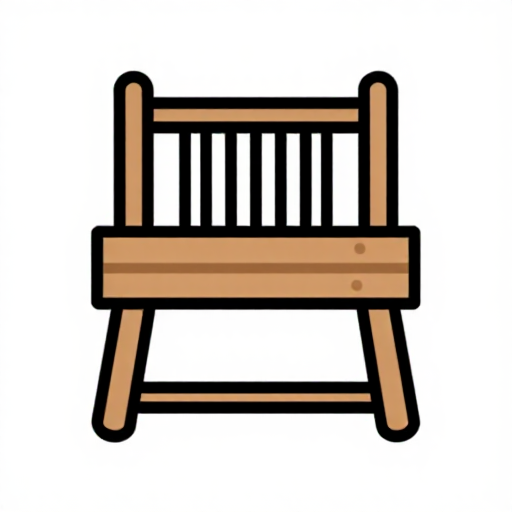 སྐུད་སྤོ་སྲ་བའི་ཐགས་ཤིང་།
བིལུ་པིརིན་ཊི་འདི་གིས་བཟོ་མི

འབྲེལ་ཡོད་བིལུ་པིརིན་ཊི
བིལུ་པིརིན་ཊི་འདི་ཚུ་ཐབས་ལམ་དང་རྫས་རིགས། སྤྱི་ཆོས་བགོ་བཤའ་བྱེད
CC0 སྤྱི་དབང
བིལུ་པིརིན་ཊི་འདི་CC0 འོག་བཀྲམས་ཡོད། ཁྱེད་རང་གིས་ཆོག་མཆན་མ་བཞེས་པར་ཕབ་ལེན་དང་བཟོ་བཅོས། བགོ་བཤའ། དགོས་མཁོ་གང་ལའང་བཀོལ་སྤྱོད་བྱས་ཆོག
བཟོ་མཁན་ལ་རྒྱབ་སྐྱོར་བྱེད་པའི་ཆེད་ཁོང་ཚོའི་བིལུ་པིརིན་ཊི་བརྒྱུད་ཐོན་སྐྱེད་ཉོ། བཟོ་མཁན་གྱིས བཟོ་མཁན་གྱི་ཁེ་ཕོགས ཚོང་པས་གཏན་འཁེལ་བྱས་པ། ཡང་ན་བིལུ་པིརིན་ཊི་འདིའི་པར་གསར་བཟོས་ཏེ་ཁྱེད་རང་གི་བིལུ་པིརིན་ཊི་ནང་མཐུད་སྦྲེལ་བྱས་ཏེ་ཡོང་སྒོ་བགོ་བཤའ་བྱེད།