སྒྱུ་རྩལ
མཛེས་སྡུག་དང་བདེ་ཐང
བཟོ་རིག
རིག་གནས་དང་ལོ་རྒྱུས
དགའ་སྟོན
ཁོར་ཡུག
ཟས་དང་བཏུང་རྫས
ཕྱིར་འཕྲུལ་རིག
ཚན་རིག
རྩེད་འགྲན
རིག་རྩལ
གྱོན་རུང
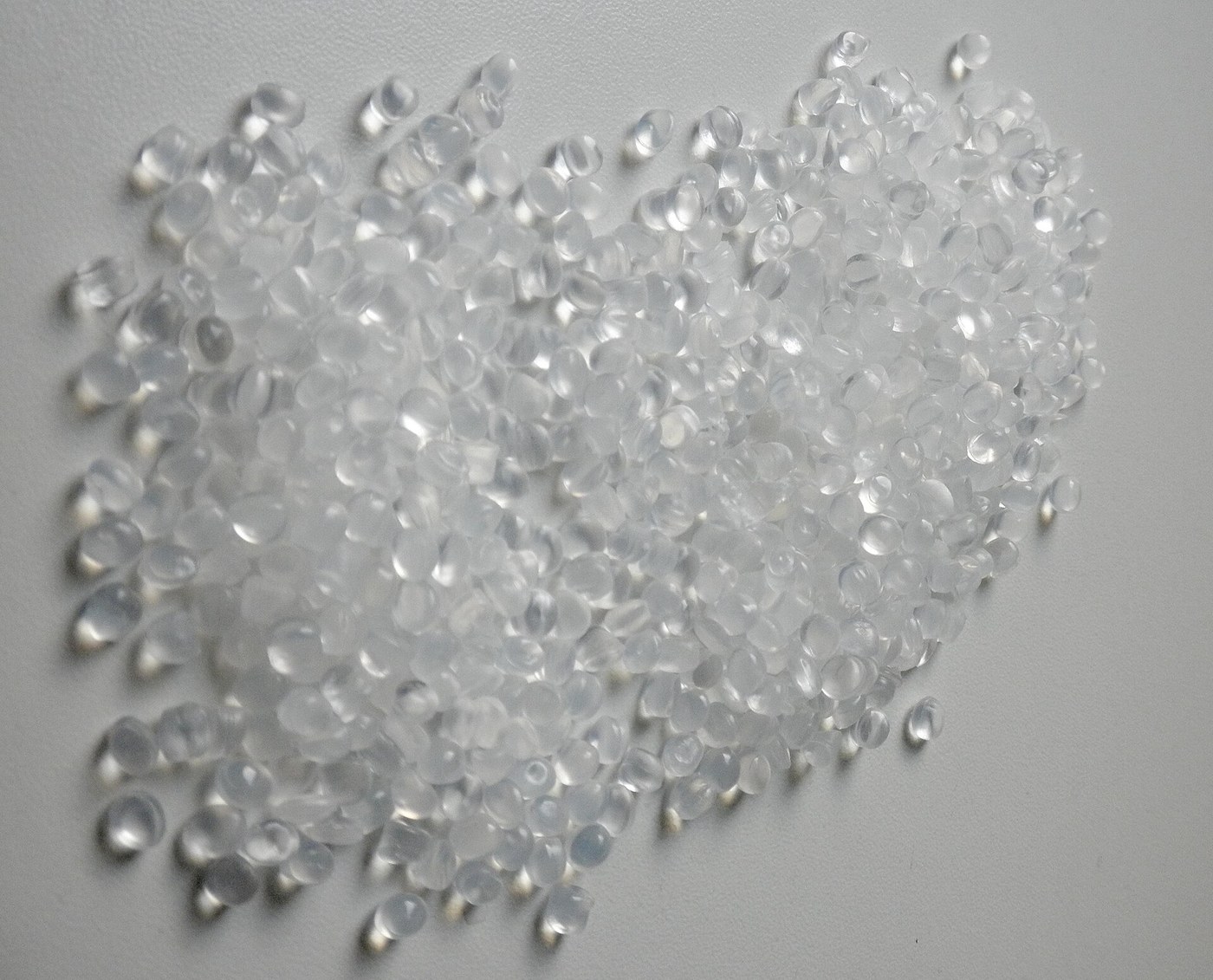


High-Pressure Polyethylene
In March 1933 Eric Fawcett and Reginald Gibson at ICI squeezed ethylene gas with benzaldehyde to about 1400 atmospheres and found a white waxy solid in the vessel. It could not be repeated reliably until 1935, when Michael Perrin's team traced the trick to a trace of oxygen that started the chains. The product was polyethylene - light, tough, a superb electrical insulator, and soon the cable insulation of wartime radar.
**US 2,153,553**, "Polymerization of olefins", Fawcett, Gibson and Perrin, assigned to Imperial Chemical Industries, granted 11. April 1939, claims "subjecting ethylene to a pressure above about 500 atmospheres and a temperature above about 100 C"; its example runs at 2000 atmospheres and 170 °C.
**Nobody reproduces 2000 atmospheres at home.** You work the polymer instead: fuse polyethylene bags into a tough sheet with an iron, then measure its density to tell high-pressure (branched, low-density) polyethylene from its later straight-chain sibling.
འགོ་བཙུགས
90 minutes
ལམ་སྟོན
1
1
Sort the bags
Sort the bags
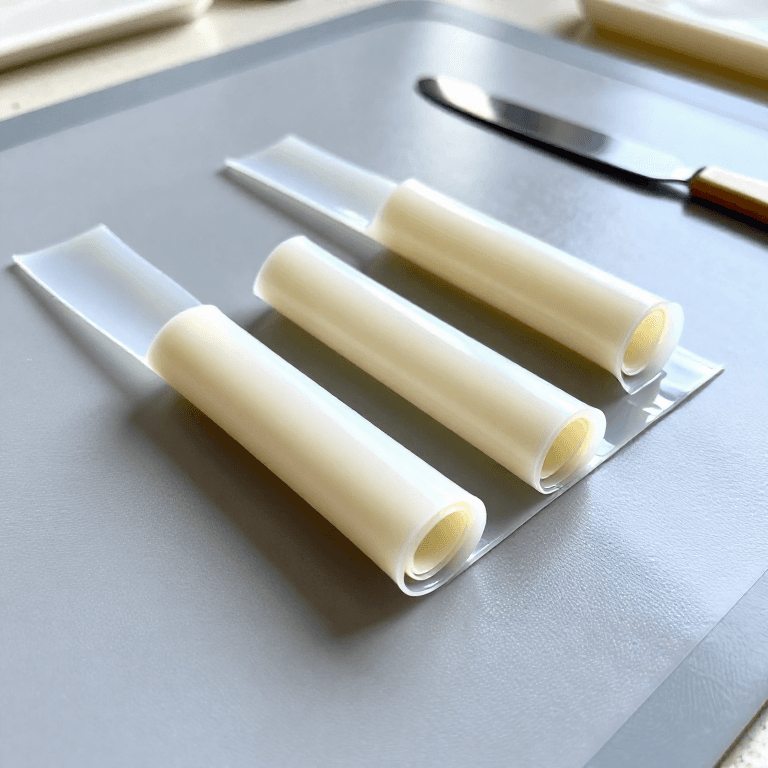
Collect clean, dry carrier or produce bags marked LDPE (recycling code 4). Cut off handles and seams; open each into a flat sheet.
གོམ་པ་འདིའི་རྫས་རིགས:
 པ་ལཱས་ཊིག་གི་ཁུག་མ་ཚུ8 དུམ་བུ།
ལག་ཆས་དགོས་མཁོ:
 ཇེམ་ཙི།
2
2
Stack between parchment
Stack between parchment
Stack 6 layers of bag film, printed side inward, between two sheets of baking parchment. The film must never touch the iron.
གོམ་པ་འདིའི་རྫས་རིགས:
 བག་ལེབ་བསྲེག་ནིའི་ཤོག་ཀུ།2 ལེབ་གཟུགས།
3
3
Fuse with the iron
Fuse with the iron
Iron on a low-medium setting, no steam, moving constantly for 15 seconds. Ventilate. Too hot and it shrivels and smokes - lower the setting.
ལག་ཆས་དགོས་མཁོ:
 རླངས་པའི་བསྲེག་ལྕགས
 N95 དབུགས་ཚགས་ཁ་རས།
4
4
Flip, repeat, cool
Flip, repeat, cool
Flip and iron the other side. Peel the parchment once cool. Re-iron any bubbled patches. The layers are now one welded sheet.
ལག་ཆས་དགོས་མཁོ:
རླངས་པའི་བསྲེག་ལྕགས5
5
Pull-test both
Pull-test both
Cut 20 mm strips from the fused sheet and from a single bag layer. Clamp each in the vise and pull with the spring scale. Record the peak force.
ལག་ཆས་དགོས་མཁོ:
 ཤུགས་འཇལ་ཆས་ (སི་པིརིང་སྲང)
 ལས་ཅོག་གི་འཛིན་ཆས།ཇེམ་ཙི།
6
6
Float test
Float test
Pour 50 ml isopropyl alcohol into a beaker. Drop in a small chip of the sheet - it sinks. Add water 10 ml at a time, stirring, then 1 ml at a time once the chip starts to lift, until it hangs mid-liquid. Note the total water added.
གོམ་པ་འདིའི་རྫས་རིགས:
 ཨའི་སོ་པོ་པཱའིལ་ཨཱལ་ཀོ་ཧོལ ༩༩ %50 ml
ལག་ཆས་དགོས་མཁོ:
 ཤེལ་གྱི་བི་ཀར།
 ཚད་རྟགས་ཅན་གྱི་སི་ལིན་ཌར།
 པི་པེཊ་དང་ཐིག་བླུག་ཆས་ཀྱི་ཆ་ཚང་
 དཀྲུག་ཤིང་།
7
7
Pressure, density, siblings
Pressure, density, siblings
Jupyter ཚང་དེབ་མངོན་གསལ་འབད་དོ་…
8
8
History & Context
History & Context
**What the patent specifies:** ethylene above about 500 atm and 100 °C (preferred 1000+ atm, 150–250 °C). **Modern build (derived):** post-consumer LDPE film, fused well below its decomposition temperature.
Low-pressure routes in the 1950s gave straight-chain, denser HDPE; both are still made in huge volumes because the branches that make LDPE weaker also make it softer and clearer. Limits: it creeps under load, softens around 100 °C, and burns.
རྫས་རིགས
3- 8 དུམ་བུ།ས་ཆ་འཛིན
- 2 ལེབ་གཟུགས།ས་ཆ་འཛིན
- ས་ཆ་འཛིན
ལག་ཆས་དགོས་མཁོ
9- ས་ཆ་འཛིན
- ས་ཆ་འཛིན
- ས་ཆ་འཛིན
- ས་ཆ་འཛིན
- ས་ཆ་འཛིན
- ས་ཆ་འཛིན
- ས་ཆ་འཛིན
- ས་ཆ་འཛིན
- ས་ཆ་འཛིན
འབྲེལ་ཡོད་བིལུ་པིརིན་ཊི
བིལུ་པིརིན་ཊི་འདི་ཚུ་ཐབས་ལམ་དང་རྫས་རིགས། སྤྱི་ཆོས་བགོ་བཤའ་བྱེད

CC0 སྤྱི་དབང
བིལུ་པིརིན་ཊི་འདི་CC0 འོག་བཀྲམས་ཡོད། ཁྱེད་རང་གིས་ཆོག་མཆན་མ་བཞེས་པར་ཕབ་ལེན་དང་བཟོ་བཅོས། བགོ་བཤའ། དགོས་མཁོ་གང་ལའང་བཀོལ་སྤྱོད་བྱས་ཆོག
བཟོ་མཁན་ལ་རྒྱབ་སྐྱོར་བྱེད་པའི་ཆེད་ཁོང་ཚོའི་བིལུ་པིརིན་ཊི་བརྒྱུད་ཐོན་སྐྱེད་ཉོ། བཟོ་མཁན་གྱིས བཟོ་མཁན་གྱི་ཁེ་ཕོགས ཚོང་པས་གཏན་འཁེལ་བྱས་པ། ཡང་ན་བིལུ་པིརིན་ཊི་འདིའི་པར་གསར་བཟོས་ཏེ་ཁྱེད་རང་གི་བིལུ་པིརིན་ཊི་ནང་མཐུད་སྦྲེལ་བྱས་ཏེ་ཡོང་སྒོ་བགོ་བཤའ་བྱེད།