སྒྱུ་རྩལ
མཛེས་སྡུག་དང་བདེ་ཐང
བཟོ་རིག
རིག་གནས་དང་ལོ་རྒྱུས
དགའ་སྟོན
ཁོར་ཡུག
ཟས་དང་བཏུང་རྫས
ཕྱིར་འཕྲུལ་རིག
ཚན་རིག
རྩེད་འགྲན
རིག་རྩལ
གྱོན་རུང
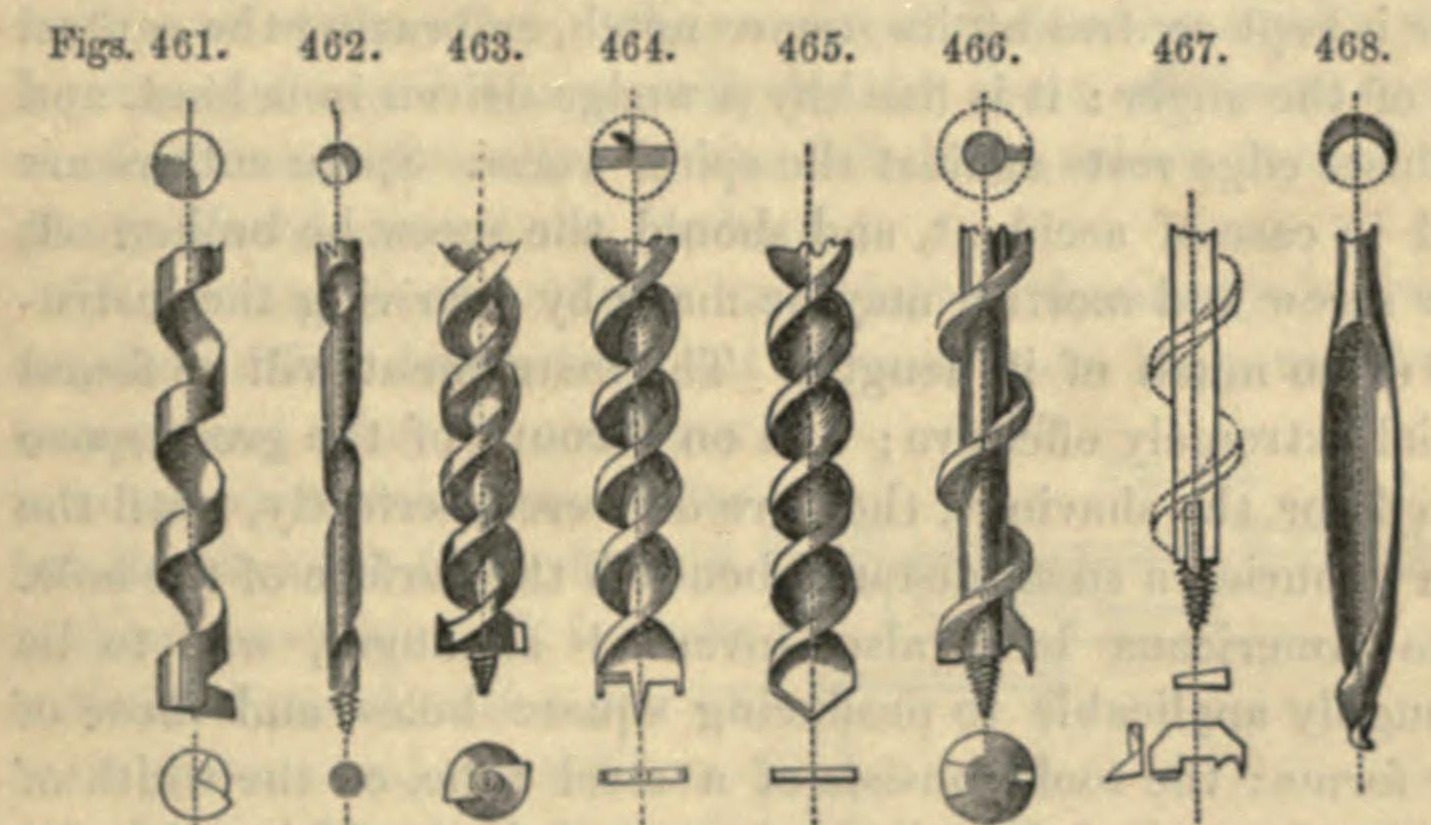


Screw Auger: a Steel Blade Twisted Red-Hot, with a Worm, Two Lips and an Eye for the Cross Handle (Holtzapffel, 1846)
How the common English screw auger was made, from Holtzapffel's Turning and Mechanical Manipulation: a parallel steel blade twisted red-hot, a worm at the point to pull it into the wood, two lips sharpened to cut, and the shaft end forged into an eye for a tightly driven cross handle.
མཐོ་རིམ
A day at the forge
ལམ་སྟོན
1
1
Twist count
Twist count
Jupyter ཚང་དེབ་མངོན་གསལ་འབད་དོ་…
2
2
Read Holtzapffel
Read Holtzapffel
"The ordinary screw auger ... is forged as a parallel blade of steel ... it is twisted red-hot."
3
3
Forge the blade
Forge the blade
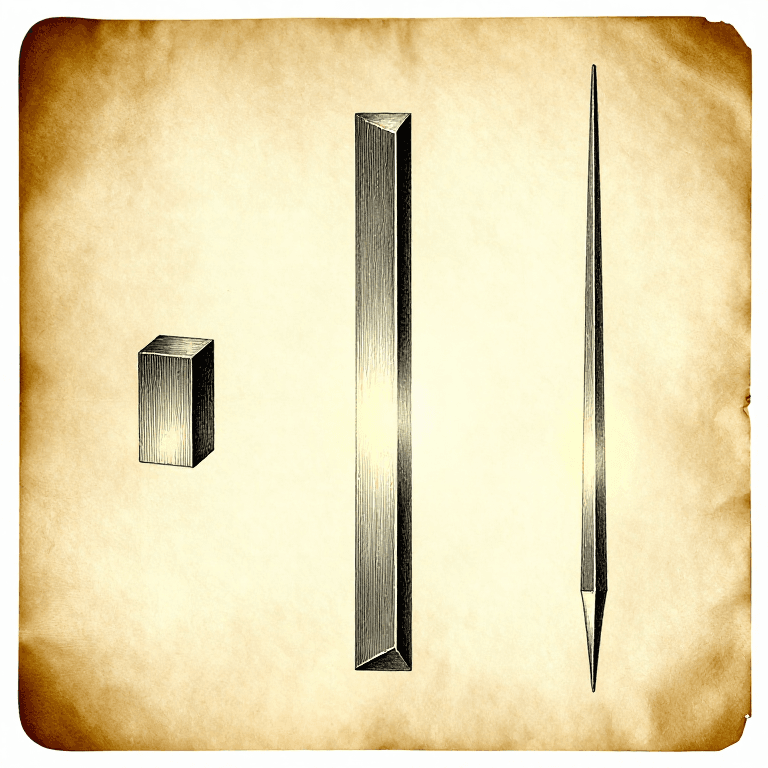
Draw a steel bar out into a flat, parallel blade, leaving a round end for the shaft. Width, thickness and length are ours: make the blade as wide as the hole you want.
གོམ་པ་འདིའི་རྫས་རིགས:
 ལག་ཆས་ལྕགས་ཀྱི་ཕུར་པ1 དུམ་བུ།
ལག་ཆས་དགོས་མཁོ:
 མགར་བའི་ཐབ་ཁུང་།
 མགར་བའི་རྡོ་ལེབ།
 ཐོ་བ།
 མགར་བའི་ལག་བཟུང་།
 ཕུ་ལར (ཁུང་བཟོ་ལྕགས)
4
4
Twist it red-hot
Twist it red-hot
Heat the blade to red, grip one end in the vice and twist the other with a wrench into an even double spiral. Twist in short heats and keep the pitch even.
ལག་ཆས་དགོས་མཁོ:
མགར་བའི་ཐབ་ཁུང་། ལས་ཅོག་གི་འཛིན་ཆས།
 སྐུད་རིས་བསྐོར་ཆས།མགར་བའི་ལག་བཟུང་།
5
5
Form the worm and lips
Form the worm and lips
File the point into a worm (a small tapered screw, as on a gimlet) that pulls the auger into the work. Shape and sharpen the two corners, or lips, to cut at the very ends and a little up the sides.
ལག་ཆས་དགོས་མཁོ:
ལས་ཅོག་གི་འཛིན་ཆས། བཤེར་ཆས (ལག་པའི་བཤེར་ཆས)
6
6
Forge the eye
Forge the eye
Forge the top of the shaft into a ring or eye.
ལག་ཆས་དགོས་མཁོ:
མགར་བའི་ཐབ་ཁུང་།མགར་བའི་རྡོ་ལེབ།ཐོ་བ།མགར་བའི་ལག་བཟུང་།7
7
Harden and temper (ours)
Harden and temper (ours)
He gives no hardening. Ours: harden the cutting end and temper it as for other wood-cutting edge tools, then hone the lips.
ལག་ཆས་དགོས་མཁོ:
མགར་བའི་ཐབ་ཁུང་། སྲ་བཟོའི་ཆུ་སྣོད།
 རྡོ་བརྡར།
8
8
Fit the cross handle
Fit the cross handle
Shape a hardwood bar and drive it tightly through the eye as a transverse handle.
གོམ་པ་འདིའི་རྫས་རིགས:
 ཤིང་སྲ་བའི་པང་ལེབ།1 དུམ་བུ།
ལག་ཆས་དགོས་མཁོ:
 ཡུ་བ་གཉིས་ཀྱི་བཤུས་གྲི།ཐོ་བ།
9
9
Troubleshooting
Troubleshooting
Screw auger troubleshooting.
Flow
Loading...
10
10
History and honest limits
History and honest limits
From Charles Holtzapffel, **Turning and Mechanical Manipulation**, vol. II (1846), pp. 540, 543 and 545-546 (checked on the archive.org scan turningmechanica02holtuoft). He also describes the single-lip auger: a half-round bar coiled into an open spiral with the flat side outwards, the end shaped like a shell auger. He gives no sizes or heat treatment: those, the tools and the handle wood are ours.
རྫས་རིགས
2- 1 དུམ་བུ།ས་ཆ་འཛིན
- 1 དུམ་བུ།ས་ཆ་འཛིན
ལག་ཆས་དགོས་མཁོ
11- ས་ཆ་འཛིན
- ས་ཆ་འཛིན
- ས་ཆ་འཛིན
- ས་ཆ་འཛིན
- ས་ཆ་འཛིན
- ས་ཆ་འཛིན
- ས་ཆ་འཛིན
- ས་ཆ་འཛིན
- ས་ཆ་འཛིན
- ས་ཆ་འཛིན
- ས་ཆ་འཛིན
བིལུ་པིརིན་ཊི་འདི་གིས་བཟོ་མི
འབྲེལ་ཡོད་བིལུ་པིརིན་ཊི
བིལུ་པིརིན་ཊི་འདི་ཚུ་ཐབས་ལམ་དང་རྫས་རིགས། སྤྱི་ཆོས་བགོ་བཤའ་བྱེད
CC0 སྤྱི་དབང
བིལུ་པིརིན་ཊི་འདི་CC0 འོག་བཀྲམས་ཡོད། ཁྱེད་རང་གིས་ཆོག་མཆན་མ་བཞེས་པར་ཕབ་ལེན་དང་བཟོ་བཅོས། བགོ་བཤའ། དགོས་མཁོ་གང་ལའང་བཀོལ་སྤྱོད་བྱས་ཆོག
བཟོ་མཁན་ལ་རྒྱབ་སྐྱོར་བྱེད་པའི་ཆེད་ཁོང་ཚོའི་བིལུ་པིརིན་ཊི་བརྒྱུད་ཐོན་སྐྱེད་ཉོ། བཟོ་མཁན་གྱིས བཟོ་མཁན་གྱི་ཁེ་ཕོགས ཚོང་པས་གཏན་འཁེལ་བྱས་པ། ཡང་ན་བིལུ་པིརིན་ཊི་འདིའི་པར་གསར་བཟོས་ཏེ་ཁྱེད་རང་གི་བིལུ་པིརིན་ཊི་ནང་མཐུད་སྦྲེལ་བྱས་ཏེ་ཡོང་སྒོ་བགོ་བཤའ་བྱེད།