སྒྱུ་རྩལ
མཛེས་སྡུག་དང་བདེ་ཐང
བཟོ་རིག
རིག་གནས་དང་ལོ་རྒྱུས
དགའ་སྟོན
ཁོར་ཡུག
ཟས་དང་བཏུང་རྫས
ཕྱིར་འཕྲུལ་རིག
ཚན་རིག
རྩེད་འགྲན
རིག་རྩལ
གྱོན་རུང
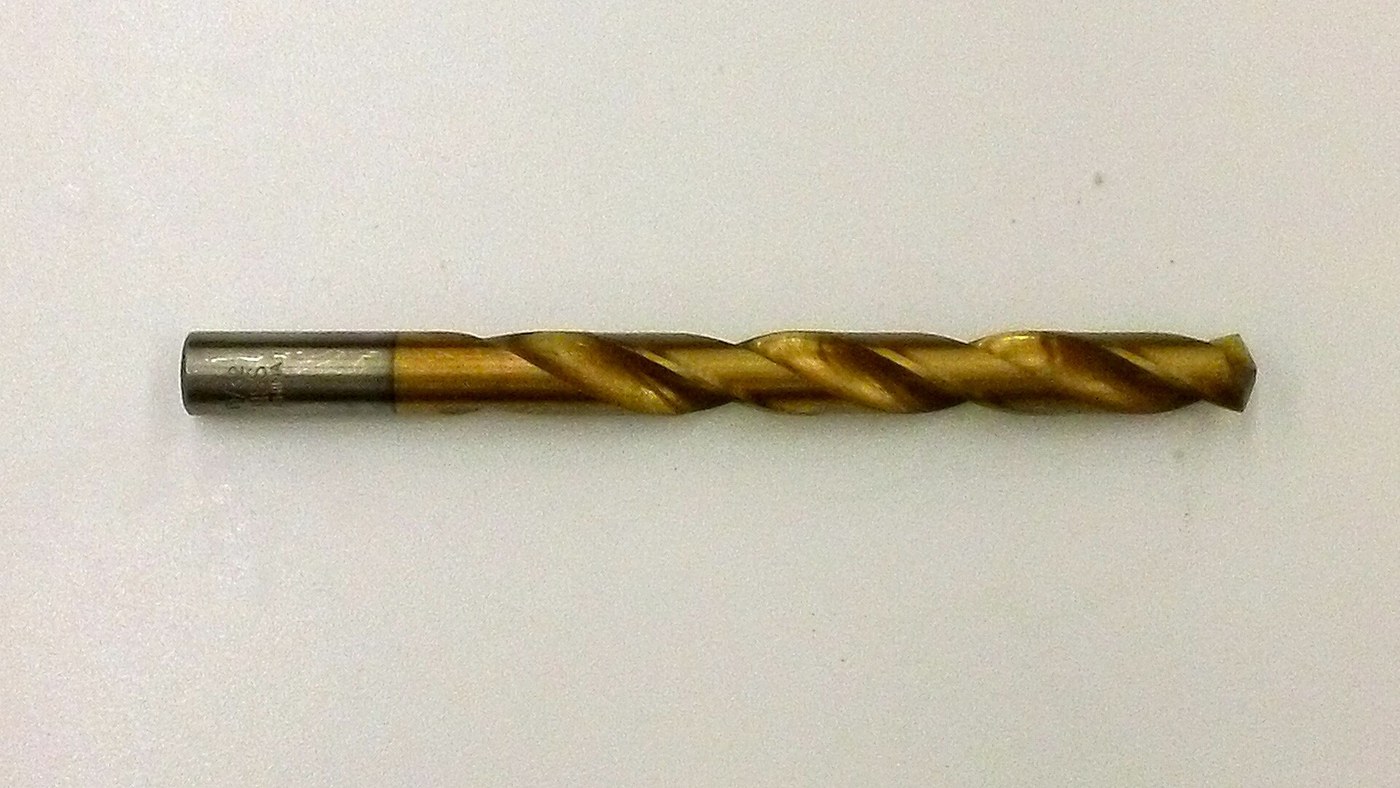


Twist Drill Bits: Flutes, Point and Coating
A twist drill is named after how it was first made: two grooves were cut in opposite sides of a round bar and the bar was twisted to make helical flutes. Today the flutes are usually ground: the bar turns while it moves past a grinding wheel, the way helical gears are cut. Drills have also been forged with their flutes, from blanks heated by induction. The common hardware-store drill has a 118° point, which works in wood, metal and plastic. A black oxide finish, made in a hot bath of sodium hydroxide with nitrates at about 141 °C that turns the surface to magnetite, adds heat and rust resistance; a titanium nitride coat, a few micrometres thick, can make a high-speed steel bit last three or more times longer.
མཐོ་རིམ
Factory process
ལམ་སྟོན
1
1
Cut the blanks
Cut the blanks
Cut high-speed steel round bar into blanks the length of the drill.
གོམ་པ་འདིའི་རྫས་རིགས:
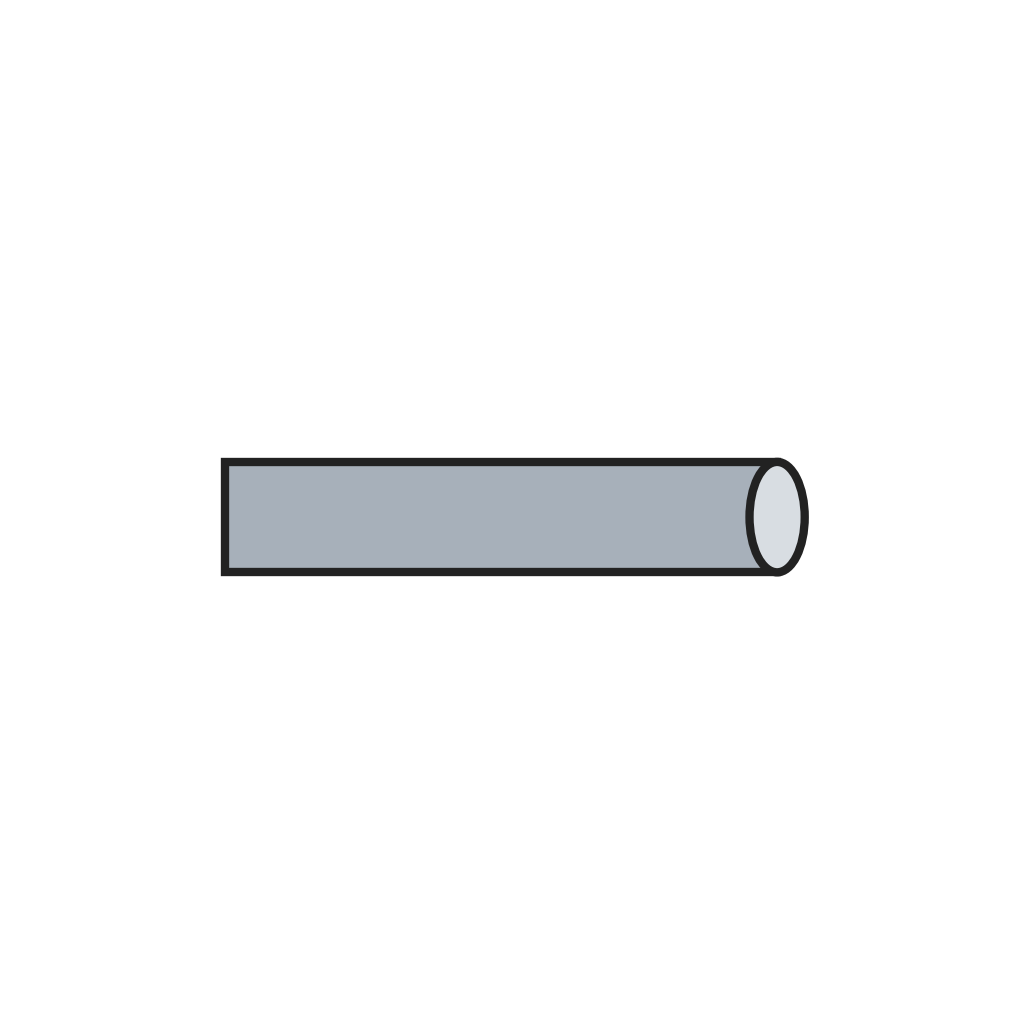 མགྱོགས་ཚད་མཐོ་བའི་ལྕགས་ཁར་ཡུ་བ་སྒོར་སྒོརམ།1 kg
2
2
Grind the flutes
Grind the flutes
Turn each blank while moving it past a grinding wheel to cut the two helical flutes.
ལག་ཆས་དགོས་མཁོ:
 བུག་གཟེར་ཡུར་བ་བརྡར་འཕྲུལ།
3
3
Grind the point
Grind the point
Grind the cutting point; 118° is the general-purpose angle.
ལག་ཆས་དགོས་མཁོ:
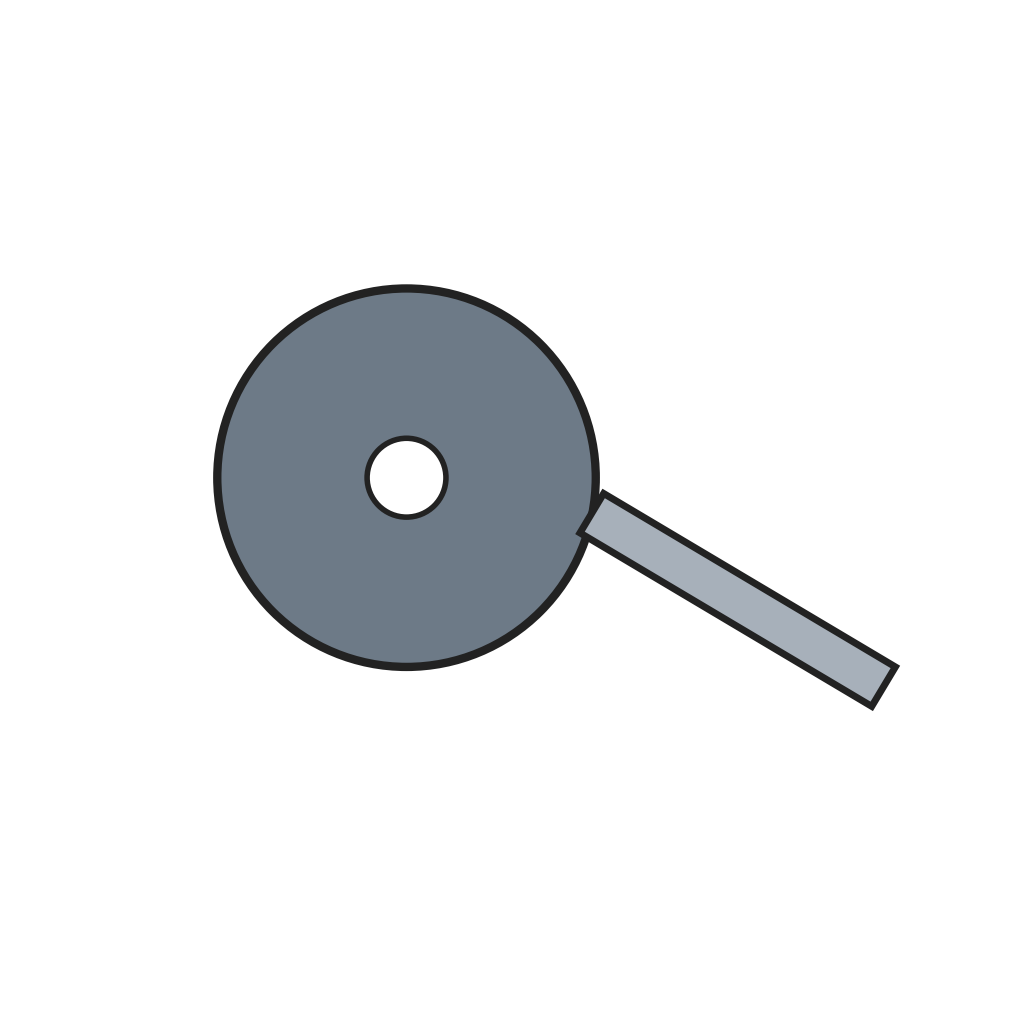 བུག་གཟེར་རྩེ་བརྡར་ཆས།
4
4
Finish
Finish
Give the drills a black oxide finish in a hot caustic nitrate bath, or a titanium nitride coat by vapour deposition.
གོམ་པ་འདིའི་རྫས་རིགས:
 སོ་ཌི་ཡམ་ཧཱའི་ཌོ་རོག་སཱའིཌ་ཁུ་བ།1 ལི་ཊར།
ལག་ཆས་དགོས་མཁོ:
 ནག་པོའི་ཨོག་སཱའིཌ་ཁྲུས་རྫིང་།
རྫས་རིགས
2- ས་ཆ་འཛིན
- 1 ལི་ཊར།ས་ཆ་འཛིན
ལག་ཆས་དགོས་མཁོ
3- ས་ཆ་འཛིན
- ས་ཆ་འཛིན
- ས་ཆ་འཛིན
བིལུ་པིརིན་ཊི་འདི་གིས་བཟོ་མི

འབྲེལ་ཡོད་བིལུ་པིརིན་ཊི
བིལུ་པིརིན་ཊི་འདི་ཚུ་ཐབས་ལམ་དང་རྫས་རིགས། སྤྱི་ཆོས་བགོ་བཤའ་བྱེད

CC0 སྤྱི་དབང
བིལུ་པིརིན་ཊི་འདི་CC0 འོག་བཀྲམས་ཡོད། ཁྱེད་རང་གིས་ཆོག་མཆན་མ་བཞེས་པར་ཕབ་ལེན་དང་བཟོ་བཅོས། བགོ་བཤའ། དགོས་མཁོ་གང་ལའང་བཀོལ་སྤྱོད་བྱས་ཆོག
བཟོ་མཁན་ལ་རྒྱབ་སྐྱོར་བྱེད་པའི་ཆེད་ཁོང་ཚོའི་བིལུ་པིརིན་ཊི་བརྒྱུད་ཐོན་སྐྱེད་ཉོ། བཟོ་མཁན་གྱིས བཟོ་མཁན་གྱི་ཁེ་ཕོགས ཚོང་པས་གཏན་འཁེལ་བྱས་པ། ཡང་ན་བིལུ་པིརིན་ཊི་འདིའི་པར་གསར་བཟོས་ཏེ་ཁྱེད་རང་གི་བིལུ་པིརིན་ཊི་ནང་མཐུད་སྦྲེལ་བྱས་ཏེ་ཡོང་སྒོ་བགོ་བཤའ་བྱེད།