སྒྱུ་རྩལ
མཛེས་སྡུག་དང་བདེ་ཐང
བཟོ་རིག
རིག་གནས་དང་ལོ་རྒྱུས
དགའ་སྟོན
ཁོར་ཡུག
ཟས་དང་བཏུང་རྫས
ཕྱིར་འཕྲུལ་རིག
ཚན་རིག
རྩེད་འགྲན
རིག་རྩལ
གྱོན་རུང


Induction Hob
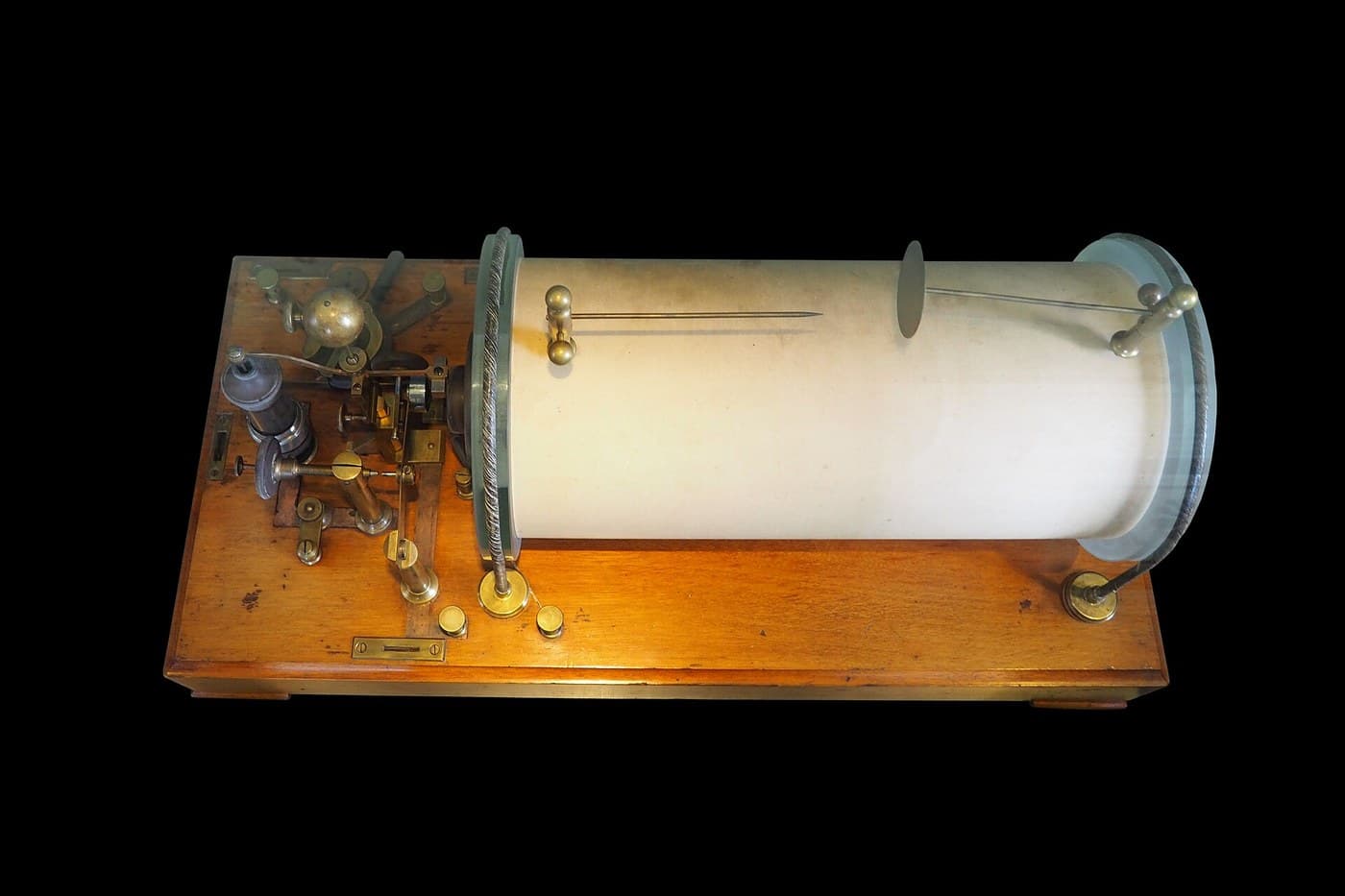
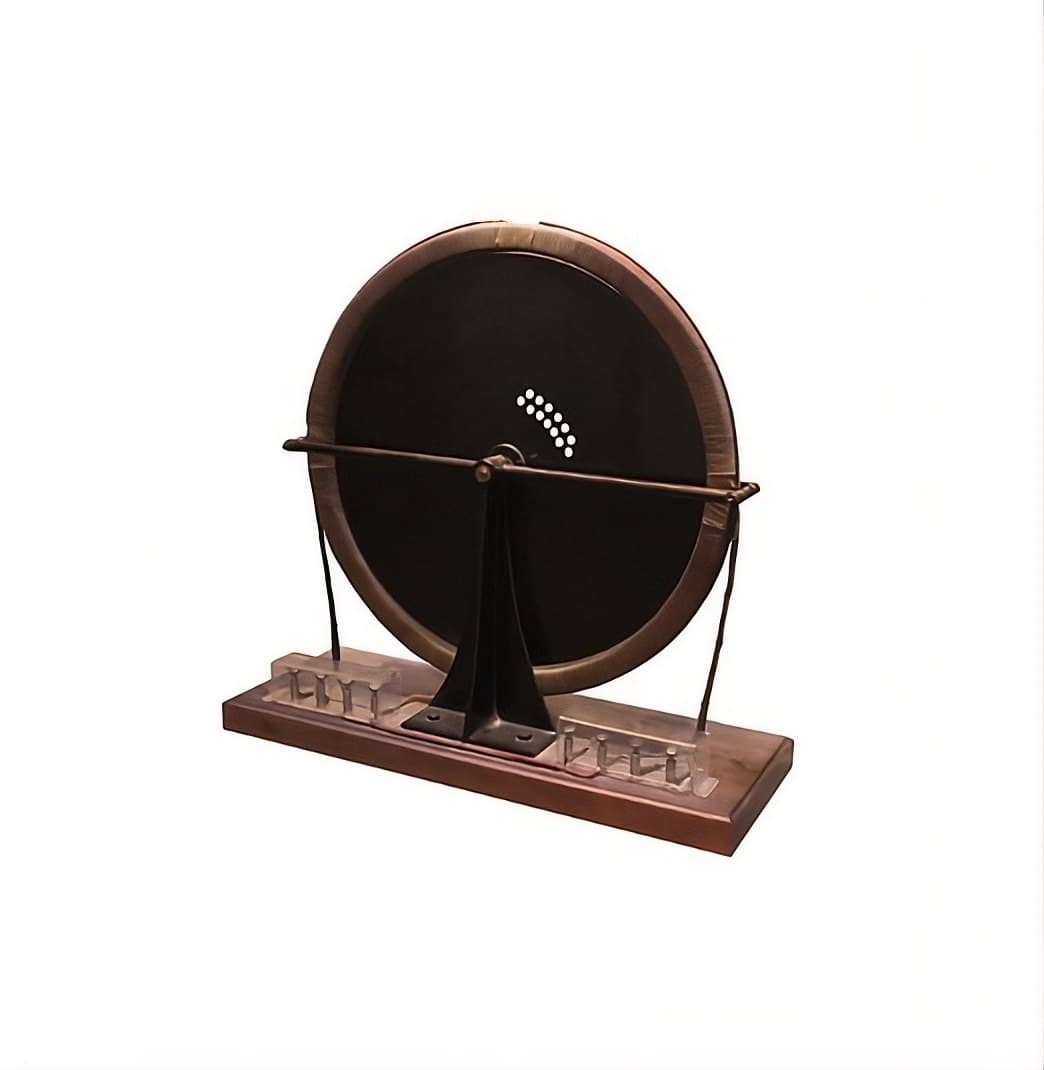
The induction coil already published makes a changing magnetic field, and the induction motor uses one to drive currents in a rotor. The cooking rung uses the same trick to heat the pan itself: no element, no flame, and a cold top - the pan is the only thing that gets hot.
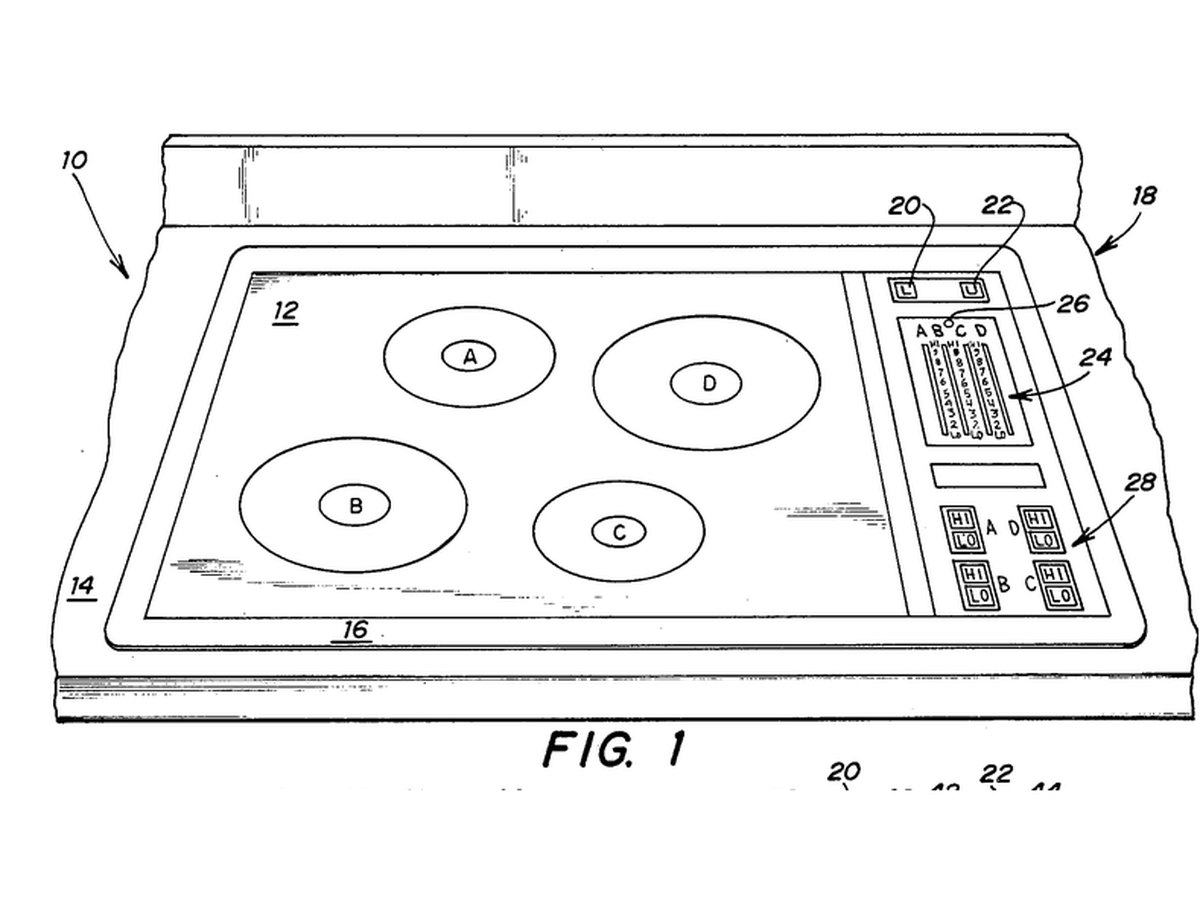
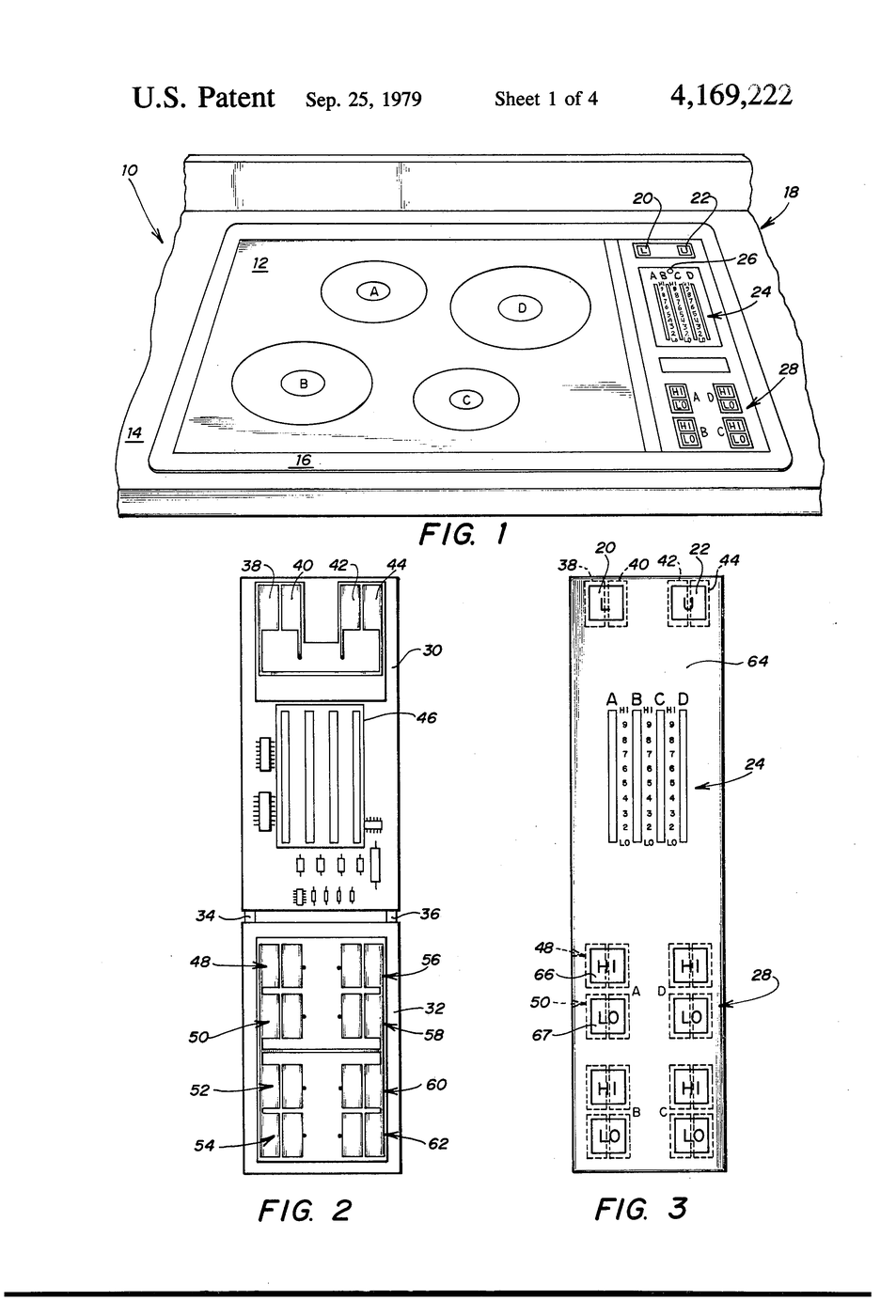
**US 4,169,222**, "Induction cook-top system and control", Raymond M. Tucker, assigned to Rangaire, filed 26. July 1977, granted 25. September 1979: mains rectified to DC, switched into induction heating coils under a non-metallic top, with the power set by the switching.
**A mains hob is never opened or built here.** You build a LOW-VOLTAGE induction heater from a 12–24 V module and measure which metals it can heat - which is exactly why some pans work on a hob and others do nothing.
བར་མ
3 hours
ལམ་སྟོན
1
1
Wind a work coil
Wind a work coil
Wind 6 turns of 10 AWG bare copper wire round a 60 mm former into a flat spiral, leaving 80 mm tails. Keep the turns evenly spaced and not touching.
གོམ་པ་འདིའི་རྫས་རིགས:
 ཟངས་ཐག1 མི་ཊར།
ལག་ཆས་དགོས་མཁོ:
 ཀམ་གྱི་ཆ་ཚང་
 ཐིག་ཤིང་།
2
2
Power it safely
Power it safely
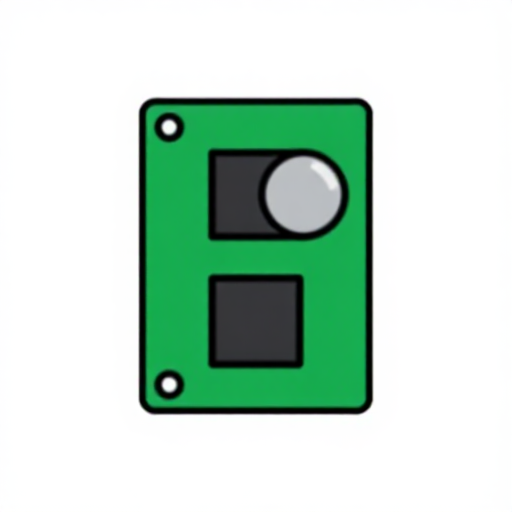
Bolt the coil to the ZVS module's terminals. Set the bench supply to 12 V with a 5 A limit; the module draws several amps and its transistors get hot. Never run it with no metal near the coil for more than a few seconds, and keep the supply under 24 V.
གོམ་པ་འདིའི་རྫས་རིགས:
 ZVS གློག་འགུགས་ཚ་སྐྱེད་ཆ་ཤས།1 དུམ་བུ།
ལག་ཆས་དགོས་མཁོ:
 བསྒྱུར་བཅོས་འབད་བཏུབ་པའི་ལས་ཁྲིའི་གློག་ཁུངས།
 གསལ་བའི་ཉེན་སྲུང་མིག་ཤེལ།
3
3
Cut six discs
Cut six discs
Cut 40 mm discs from mild steel, stainless (both a magnetic and a non-magnetic grade if you have them), aluminium and copper, all the same thickness. Deburr the edges. Try a magnet on each and note which hold it.
གོམ་པ་འདིའི་རྫས་རིགས:
 ལྕགས་འཇམ་གྱི་ལེབ་ཤོག1 དུམ་བུ།
 ཁ་ཟེ་མི་ཆགས་པའི་ལྕགས་ལེབ1 དུམ་བུ།
 ཨེལུ་མི་ནི་ཡམ་གྱི་ལེབ་ཤོག1 དུམ་བུ།
 ཟངས་ཀྱི་ལེབ་ཤོག1 དུམ་བུ།
 ནིའོ་ཌི་མི་ཡམ་གྱི་ཁབ་ལེན་ཆ་ཚན།1 ཚན་པ།
ལག་ཆས་དགོས་མཁོ:
 ལྕགས་ལེབ་གཏུབ་ནིའི་ཇེམ་ཙི།
 ལྕགས་ཀྱི་དར་མ།
4
4
Sixty seconds each
Sixty seconds each
Rest each disc on a ceramic tile 5 mm above the coil, note its starting temperature, run for 60 seconds at the same supply setting, and read it again. Lift hot discs with pliers and gloves; let the module cool between runs.
ལག་ཆས་དགོས་མཁོ:
 དམར་མདངས་འོག་གི་ཚ་གྲང་འཇལ་ཆས།
 ཆུ་ཚོད་བཀག་ཆས།
 ཚག་གི་ལག་ཤུབས།ཀམ་གྱི་ཆ་ཚང་
5
5
The same test on a real hob
The same test on a real hob
If a commercial induction hob is to hand, put a cast-iron skillet on it, then an aluminium saucepan, and see which one it will even acknowledge. Then hold a magnet to each base.
ལག་ཆས་དགོས་མཁོ:
 ལྕགས་བླུགས་མའི་ཏིང་ལྷུ་
 གྱང་མཐོ་བའི་ཟངས།ནིའོ་ཌི་མི་ཡམ་གྱི་ཁབ་ལེན་ཆ་ཚན།
6
6
Skin depth and your results
Skin depth and your results
Jupyter ཚང་དེབ་མངོན་གསལ་འབད་དོ་…
7
7
History & Context
History & Context
**What the patent specifies:** a cook-top with rectifier, gated semiconductor switches and induction heating coils beneath a non-metallic top, with the heat set by how the coils are switched. **Modern build (derived):** a low-voltage ZVS heater and metal discs.
Induction reached kitchens slowly because the electronics were dear; efficiency into the pan is high and the top stays cool enough not to burn spills on. Its limits: the pan must be magnetic (so much old aluminium and copper cookware is useless), the electronics whine, and a pan smaller than the coil couples poorly.
རྫས་རིགས
7- 1 མི་ཊར།ས་ཆ་འཛིན
- 1 དུམ་བུ།ས་ཆ་འཛིན
- 1 དུམ་བུ།ས་ཆ་འཛིན
- 1 དུམ་བུ།ས་ཆ་འཛིན
- 1 དུམ་བུ།ས་ཆ་འཛིན
- 1 དུམ་བུ།ས་ཆ་འཛིན
- ས་ཆ་འཛིན
ལག་ཆས་དགོས་མཁོ
12- ས་ཆ་འཛིན
- ས་ཆ་འཛིན
- ས་ཆ་འཛིན
- ས་ཆ་འཛིན
- ས་ཆ་འཛིན
- ས་ཆ་འཛིན
- ས་ཆ་འཛིན
- ས་ཆ་འཛིན
- ས་ཆ་འཛིན
- ས་ཆ་འཛིན
- ས་ཆ་འཛིན
འབྲེལ་ཡོད་བིལུ་པིརིན་ཊི
བིལུ་པིརིན་ཊི་འདི་ཚུ་ཐབས་ལམ་དང་རྫས་རིགས། སྤྱི་ཆོས་བགོ་བཤའ་བྱེད

CC0 སྤྱི་དབང
བིལུ་པིརིན་ཊི་འདི་CC0 འོག་བཀྲམས་ཡོད། ཁྱེད་རང་གིས་ཆོག་མཆན་མ་བཞེས་པར་ཕབ་ལེན་དང་བཟོ་བཅོས། བགོ་བཤའ། དགོས་མཁོ་གང་ལའང་བཀོལ་སྤྱོད་བྱས་ཆོག
བཟོ་མཁན་ལ་རྒྱབ་སྐྱོར་བྱེད་པའི་ཆེད་ཁོང་ཚོའི་བིལུ་པིརིན་ཊི་བརྒྱུད་ཐོན་སྐྱེད་ཉོ། བཟོ་མཁན་གྱིས བཟོ་མཁན་གྱི་ཁེ་ཕོགས ཚོང་པས་གཏན་འཁེལ་བྱས་པ། ཡང་ན་བིལུ་པིརིན་ཊི་འདིའི་པར་གསར་བཟོས་ཏེ་ཁྱེད་རང་གི་བིལུ་པིརིན་ཊི་ནང་མཐུད་སྦྲེལ་བྱས་ཏེ་ཡོང་སྒོ་བགོ་བཤའ་བྱེད།