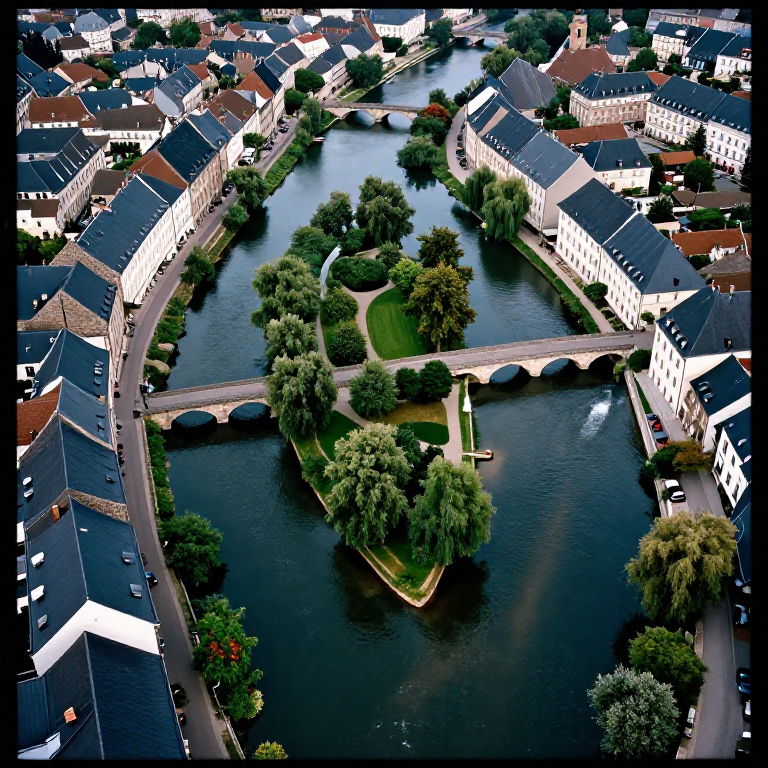


Königsberg Bridges
ལམ་སྟོན
Try it the obvious way first
Try it the obvious way first
Attempt the walk on the actual map before simplifying anything.
- Draw the two banks, two islands and seven bridges.
- Trace routes with a pencil, trying to cross every bridge exactly once.
- Record how many attempts you make and where each one fails.
གོམ་པ་འདིའི་རྫས་རིགས:
 ཐིག་ཁྲམ་ཤོག་ཀུ།1 pad
 གིརེ་ཕཱའིཊ་སྨྱུ་གུའི་ཚོགས་ཆས།1 ཚན་པ།
Throw the geography away
Throw the geography away
Reduce the map to dots and lines.
- Replace each landmass with a single dot — four dots.
- Replace each bridge with a line joining two dots — seven lines.
- Redraw it several times with the dots in different places.
Count the odd vertices
Count the odd vertices
One count answers the question.
- For each dot, count the lines meeting it — its degree.
- Mark which dots have an ODD degree.
- In Königsberg, all four are odd.
Find where the approach does apply
Find where the approach does apply
The same count tells you when a route IS possible, which is the useful half.
- Redraw the graph, adding one bridge to make exactly two odd vertices.
- Find a walk — it must start at one odd vertex and end at the other.
- Now make all vertices even and find a walk that returns to its start.
གོམ་པ་འདིའི་རྫས་རིགས:
 ཚོན་སྣ་ཚོགས་ཀྱི་ཤོག་སྦོམ་ཐུམ་སྒྲིལ།1 སྒྲིལ་ཐུམ།
History and context
History and context
Leonhard Euler presented the solution to the St Petersburg Academy in 1735 and published in 1736. He was mildly dismissive of the problem itself — it looked like a triviality with no mathematics in it — and what he actually contributed was the method of turning it into a question about connection alone.
The city has changed and the puzzle with it. Königsberg is now Kaliningrad; two bridges were destroyed in the Second World War and others rebuilt, and with the modern arrangement a walk is possible. The mathematics did not change — the graph did.
What the approach opened up: graph theory now underlies routing on networks, scheduling, dependency resolution in software builds, molecular structure in chemistry, and social network analysis. The Chinese postman problem — find the shortest route covering every edge, repeating as few as necessary — is the practical descendant used to plan refuse collection and gritting rounds.
The transferable idea is the discarding. Euler's contribution was recognising which features of a situation carry the answer and which are decoration. That judgement is doing the same work in every abstraction since: a circuit diagram ignores the physical layout of wires, an underground map ignores real distances, and both are more useful for it.
རྫས་རིགས
3- 1 padས་ཆ་འཛིན
- ས་ཆ་འཛིན
- 1 སྒྲིལ་ཐུམ།ས་ཆ་འཛིན
CC0 སྤྱི་དབང
བིལུ་པིརིན་ཊི་འདི་CC0 འོག་བཀྲམས་ཡོད། ཁྱེད་རང་གིས་ཆོག་མཆན་མ་བཞེས་པར་ཕབ་ལེན་དང་བཟོ་བཅོས། བགོ་བཤའ། དགོས་མཁོ་གང་ལའང་བཀོལ་སྤྱོད་བྱས་ཆོག
བཟོ་མཁན་ལ་རྒྱབ་སྐྱོར་བྱེད་པའི་ཆེད་ཁོང་ཚོའི་བིལུ་པིརིན་ཊི་བརྒྱུད་ཐོན་སྐྱེད་ཉོ། བཟོ་མཁན་གྱིས བཟོ་མཁན་གྱི་ཁེ་ཕོགས ཚོང་པས་གཏན་འཁེལ་བྱས་པ། ཡང་ན་བིལུ་པིརིན་ཊི་འདིའི་པར་གསར་བཟོས་ཏེ་ཁྱེད་རང་གི་བིལུ་པིརིན་ཊི་ནང་མཐུད་སྦྲེལ་བྱས་ཏེ་ཡོང་སྒོ་བགོ་བཤའ་བྱེད།