སྒྱུ་རྩལ
མཛེས་སྡུག་དང་བདེ་ཐང
བཟོ་རིག
རིག་གནས་དང་ལོ་རྒྱུས
དགའ་སྟོན
ཁོར་ཡུག
ཟས་དང་བཏུང་རྫས
ཕྱིར་འཕྲུལ་རིག
ཚན་རིག
རྩེད་འགྲན
རིག་རྩལ
གྱོན་རུང
ཉེན་ཁ་ཅན།


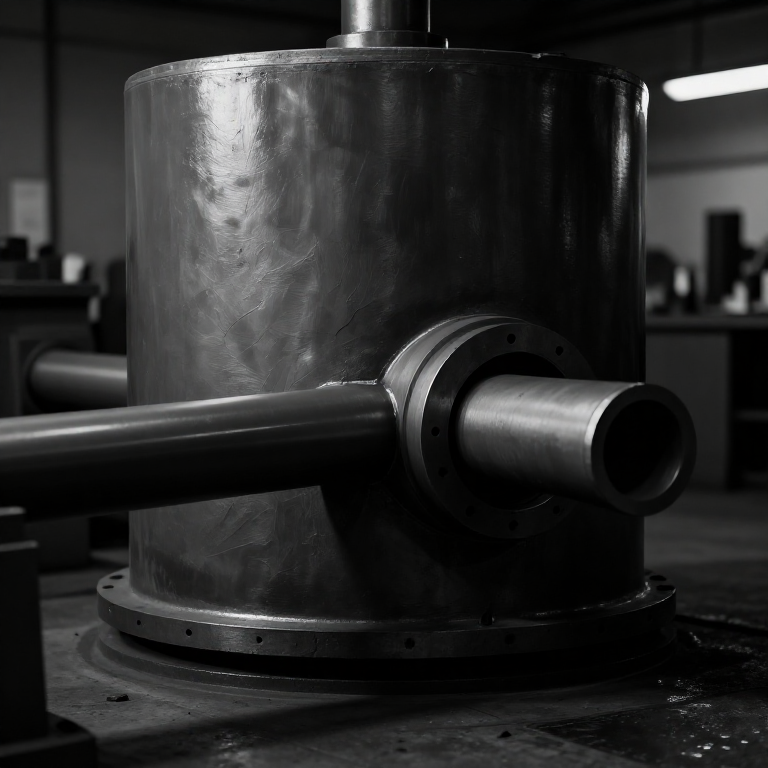
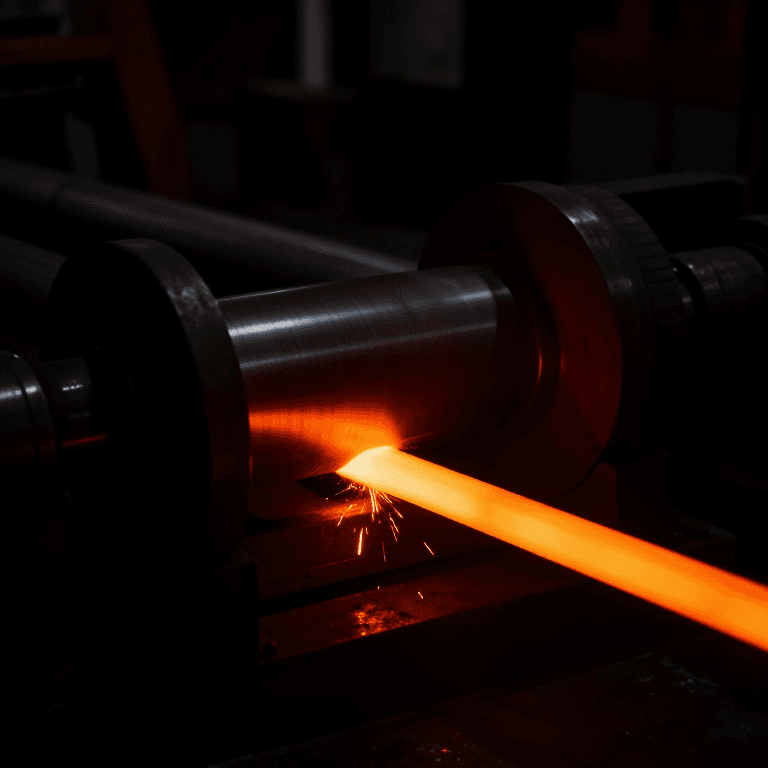
Lead Pipe Extrusion
Rolling squeezes metal between two rolls and can only make sections open to the outside. Extrusion pushes it through a hole instead — and if you put a mandrel in the middle of that hole, what comes out is a tube, seamless, in one continuous length. Joseph Bramah patented a lead pipe press in 1797 and Thomas Burr built on it, replacing pipe that had been made by casting sheet, bending it round a rod and soldering the seam. The seam was the weak point and the failure point; extrusion abolished it. The metal behaves almost like a fluid under enough pressure, and the die's shape becomes the product's shape — which is why extrusion can produce complex hollow profiles that no rolling mill could ever form.
མཐོ་རིམ
5 hours
ཉེན་ཁ་ཅན་ནང་དོན
བིལུ་པིརིན་ཊི་འདིའི་ནང་ཉེན་ཁ་ཅན་ལག་ལེན་ཡོད། གོམ་པ་རེ་རེའི་ལམ་སྟོན་བལྟ་ནིའི་ཆེད་ནང་འཛུལ་གནང་ཞིང་ཉེན་ཁ་ཅན་ནང་དོན་ལྕོགས་གནང།
ནང་བསྐྱོད་འབད།འབྲེལ་ཡོད་བིལུ་པིརིན་ཊི
བིལུ་པིརིན་ཊི་འདི་ཚུ་ཐབས་ལམ་དང་རྫས་རིགས། སྤྱི་ཆོས་བགོ་བཤའ་བྱེད

CC0 སྤྱི་དབང
བིལུ་པིརིན་ཊི་འདི་CC0 འོག་བཀྲམས་ཡོད། ཁྱེད་རང་གིས་ཆོག་མཆན་མ་བཞེས་པར་ཕབ་ལེན་དང་བཟོ་བཅོས། བགོ་བཤའ། དགོས་མཁོ་གང་ལའང་བཀོལ་སྤྱོད་བྱས་ཆོག
བཟོ་མཁན་ལ་རྒྱབ་སྐྱོར་བྱེད་པའི་ཆེད་ཁོང་ཚོའི་བིལུ་པིརིན་ཊི་བརྒྱུད་ཐོན་སྐྱེད་ཉོ། བཟོ་མཁན་གྱིས བཟོ་མཁན་གྱི་ཁེ་ཕོགས ཚོང་པས་གཏན་འཁེལ་བྱས་པ། ཡང་ན་བིལུ་པིརིན་ཊི་འདིའི་པར་གསར་བཟོས་ཏེ་ཁྱེད་རང་གི་བིལུ་པིརིན་ཊི་ནང་མཐུད་སྦྲེལ་བྱས་ཏེ་ཡོང་སྒོ་བགོ་བཤའ་བྱེད།