སྒྱུ་རྩལ
མཛེས་སྡུག་དང་བདེ་ཐང
བཟོ་རིག
རིག་གནས་དང་ལོ་རྒྱུས
དགའ་སྟོན
ཁོར་ཡུག
ཟས་དང་བཏུང་རྫས
ཕྱིར་འཕྲུལ་རིག
ཚན་རིག
རྩེད་འགྲན
རིག་རྩལ
གྱོན་རུང
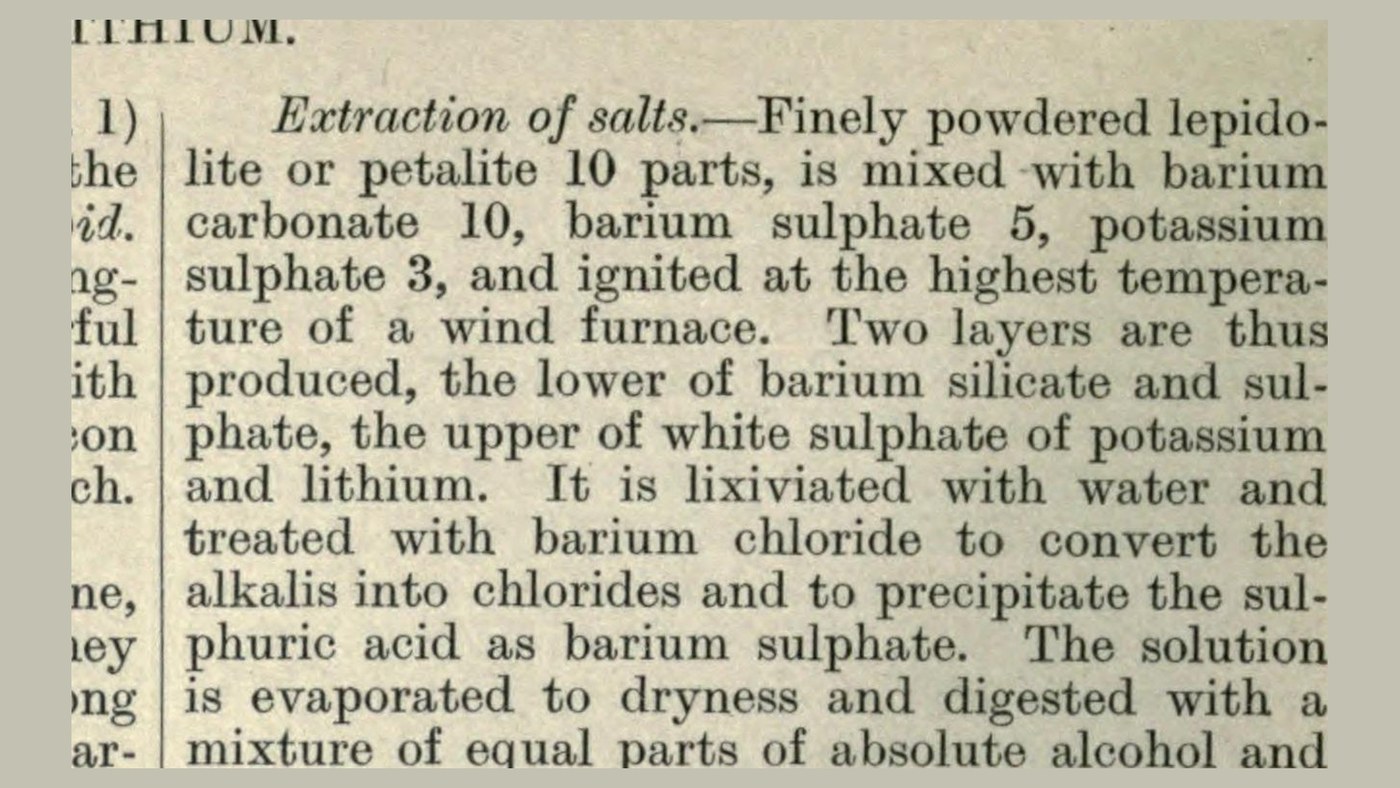


Lepidolite Lithia Residue: Troost's Barium Fusion, Lithium Chloride Taken Out (Thorpe, 1912)
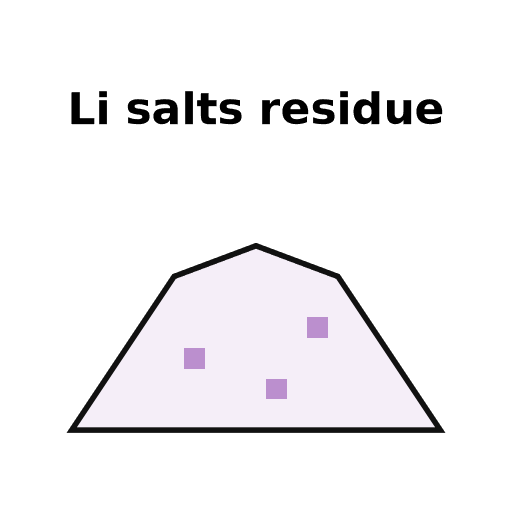
Lithium salts from lepidolite by Troost's method: the powdered mineral is fused with barium carbonate, barium sulphate and potassium sulphate, the alkali sulphate layer turned into chlorides with barium chloride, and the lithium chloride dissolved out with alcohol and ether. The saline chlorides left behind are the residue in which Bunsen found rubidium.
The fusion separates into two layers: barium silicate and sulphate below, white potassium and lithium sulphate above.
Source: T. E. Thorpe, Dictionary of Applied Chemistry vol. III (1912), p. 338. Picture: the book's text.
མཐོ་རིམ
Unknown
ལམ་སྟོན
1
1
Fuse with barium salts
Fuse with barium salts
Mix 10 parts finely powdered lepidolite with 10 parts barium carbonate, 5 parts barium sulphate and 3 parts potassium sulphate, and ignite at the highest heat of a wind furnace. Two layers form: barium silicate and sulphate below, white potassium and lithium sulphate above.
གོམ་པ་འདིའི་རྫས་རིགས:
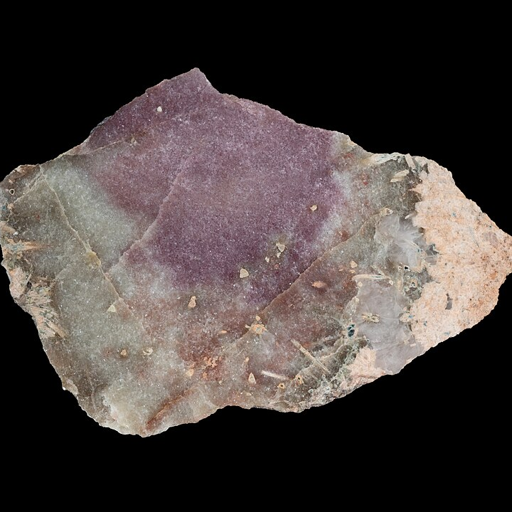 ལེ་པི་ཌོ་ལའིཊ།1 10 parts, finely powdered
 བ་རི་ཡམ་ཀར་བོ་ནེཊ། (ཝི་ཐེ་རཡིཊ)1 10 parts
 བ་རའི་ཊི་ (ལྕི་བའི་ཨེསི་པར་)1 5 parts
 པོ་ཊེ་སི་ཡམ་སཱལ་ཕེཊ།1 3 parts
ལག་ཆས་དགོས་མཁོ:
 གཏུན་ཁུང་དང་གཏུན་ཤིང་།
 ཞུན་སྣོད།
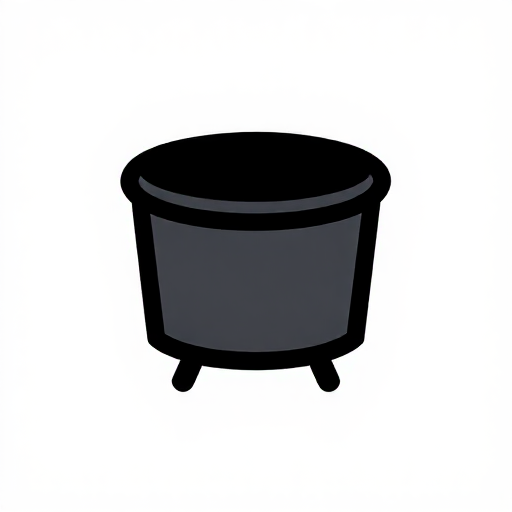 སོལ་བའི་མེ་ཐབ།
2
2
Turn the alkalis into chlorides
Turn the alkalis into chlorides
Lixiviate the upper layer with water and treat it with barium chloride, which turns the alkalis into chlorides and throws down the sulphuric acid as barium sulphate. Filter.
གོམ་པ་འདིའི་རྫས་རིགས:
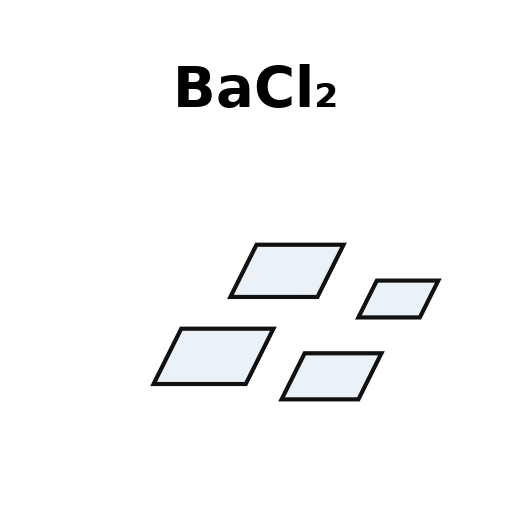 བེ་རི་ཡམ་ཀོ་ལོ་རའིཌ།1 དུམ་བུ།
 ཆུ།1 དུམ་བུ།
ལག་ཆས་དགོས་མཁོ:
 འཚག་ཤོག
3
3
Take out the lithium chloride
Take out the lithium chloride
Evaporate the solution to dryness and digest with equal parts of absolute alcohol and ether: the lithium chloride dissolves with only a trace of potassium and sodium chloride. What stays undissolved is the saline residue of alkali chlorides.
ལག་ཆས་དགོས་མཁོ:
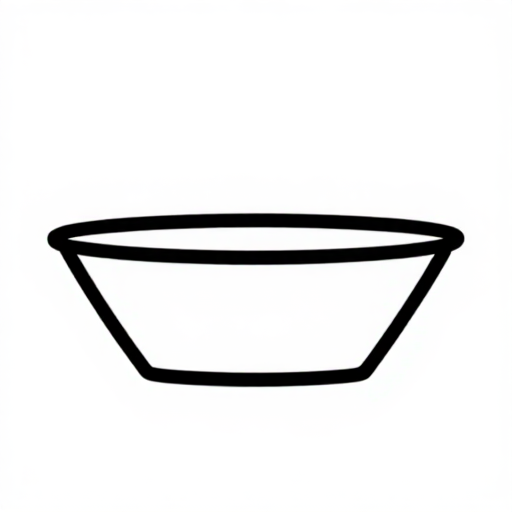 རླངས་བཟོའི་ཕོར་པ།
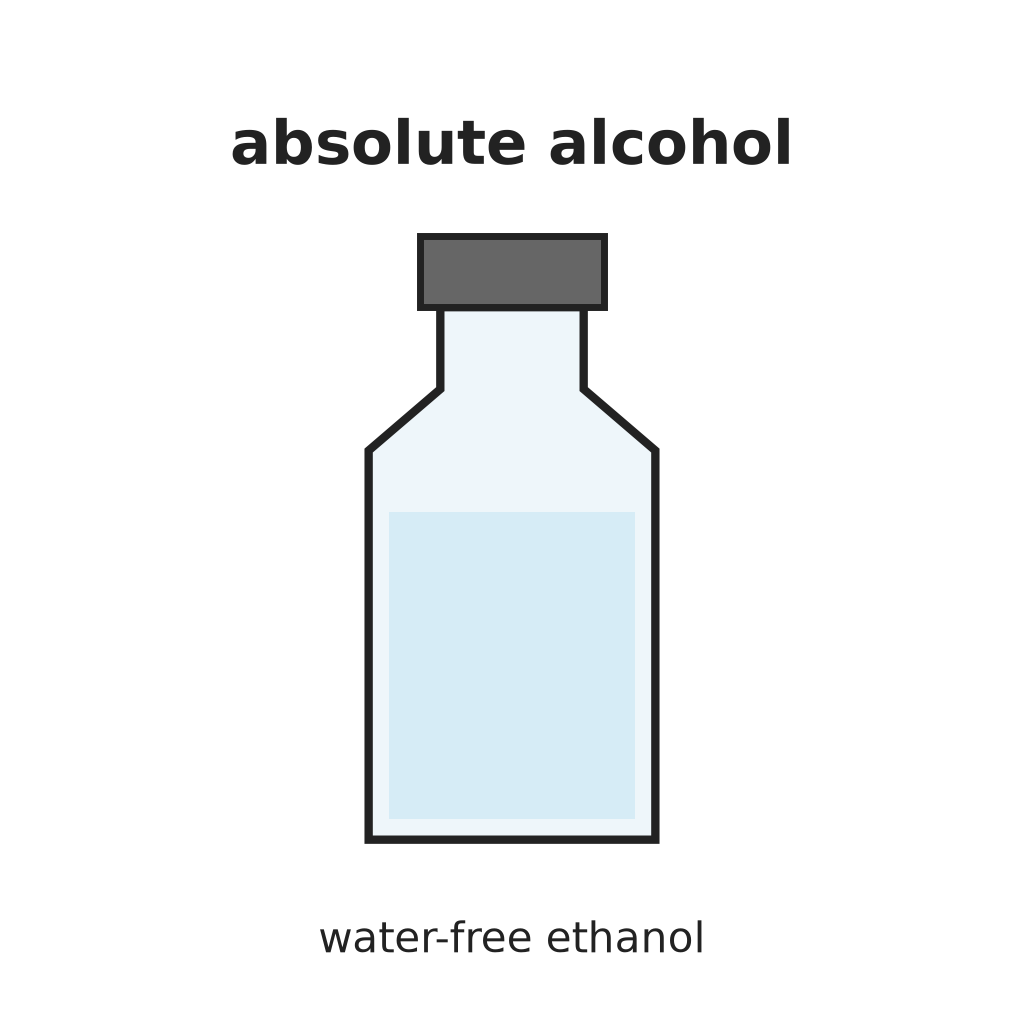 གཙང་མའི་ཨཱལ་ཀོ་ཧོལ།
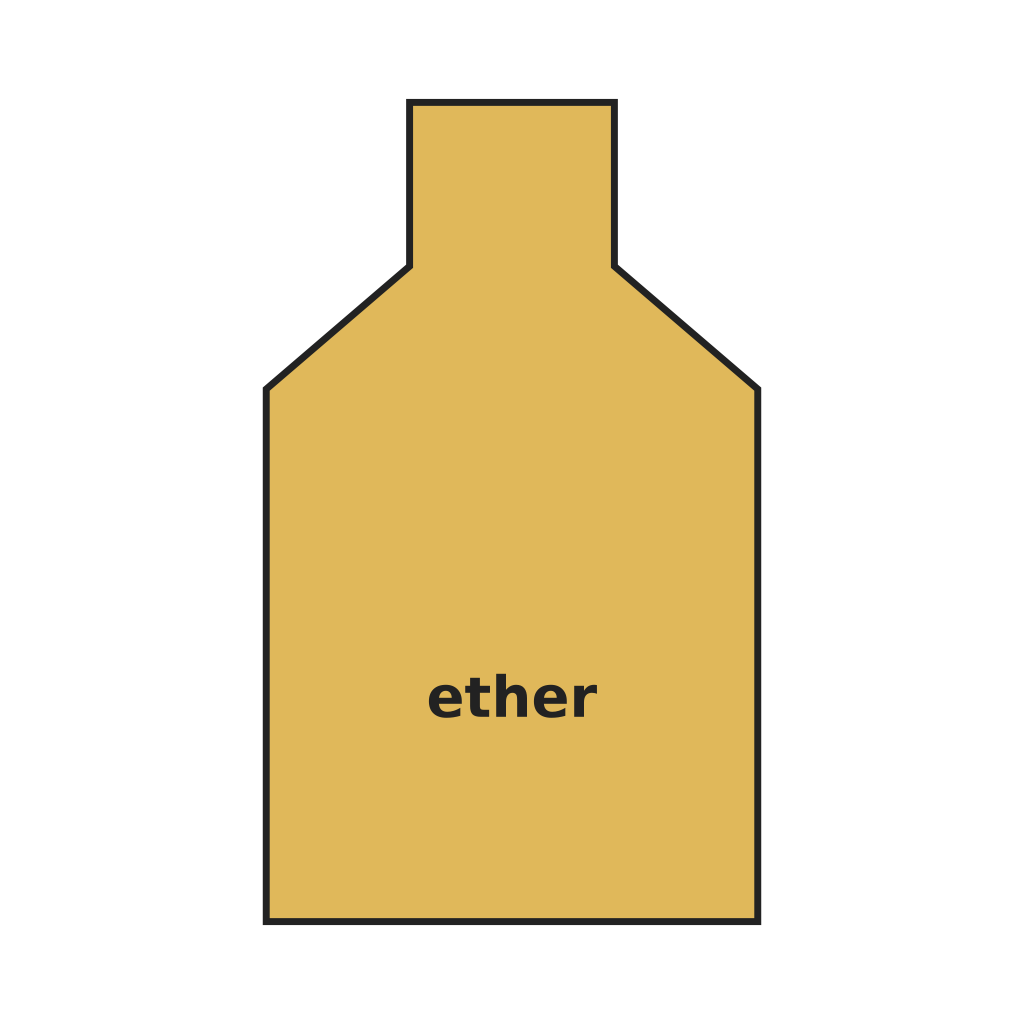 ཌའི་ཨེ་ཐིལ་ཨི་ཐར།
རྫས་རིགས
6- 1 10 parts, finely powderedས་ཆ་འཛིན
- 1 10 partsས་ཆ་འཛིན
- 1 5 partsས་ཆ་འཛིན
- 1 3 partsས་ཆ་འཛིན
- 1 དུམ་བུ།ས་ཆ་འཛིན
- 1 དུམ་བུ།ས་ཆ་འཛིན
ལག་ཆས་དགོས་མཁོ
7- ས་ཆ་འཛིན
- ས་ཆ་འཛིན
- ས་ཆ་འཛིན
- ས་ཆ་འཛིན
- ས་ཆ་འཛིན
- ས་ཆ་འཛིན
- ས་ཆ་འཛིན
བིལུ་པིརིན་ཊི་འདི་གིས་བཟོ་མི
CC0 སྤྱི་དབང
བིལུ་པིརིན་ཊི་འདི་CC0 འོག་བཀྲམས་ཡོད། ཁྱེད་རང་གིས་ཆོག་མཆན་མ་བཞེས་པར་ཕབ་ལེན་དང་བཟོ་བཅོས། བགོ་བཤའ། དགོས་མཁོ་གང་ལའང་བཀོལ་སྤྱོད་བྱས་ཆོག
བཟོ་མཁན་ལ་རྒྱབ་སྐྱོར་བྱེད་པའི་ཆེད་ཁོང་ཚོའི་བིལུ་པིརིན་ཊི་བརྒྱུད་ཐོན་སྐྱེད་ཉོ། བཟོ་མཁན་གྱིས བཟོ་མཁན་གྱི་ཁེ་ཕོགས ཚོང་པས་གཏན་འཁེལ་བྱས་པ། ཡང་ན་བིལུ་པིརིན་ཊི་འདིའི་པར་གསར་བཟོས་ཏེ་ཁྱེད་རང་གི་བིལུ་པིརིན་ཊི་ནང་མཐུད་སྦྲེལ་བྱས་ཏེ་ཡོང་སྒོ་བགོ་བཤའ་བྱེད།