སྒྱུ་རྩལ
མཛེས་སྡུག་དང་བདེ་ཐང
བཟོ་རིག
རིག་གནས་དང་ལོ་རྒྱུས
དགའ་སྟོན
ཁོར་ཡུག
ཟས་དང་བཏུང་རྫས
ཕྱིར་འཕྲུལ་རིག
ཚན་རིག
རྩེད་འགྲན
རིག་རྩལ
གྱོན་རུང
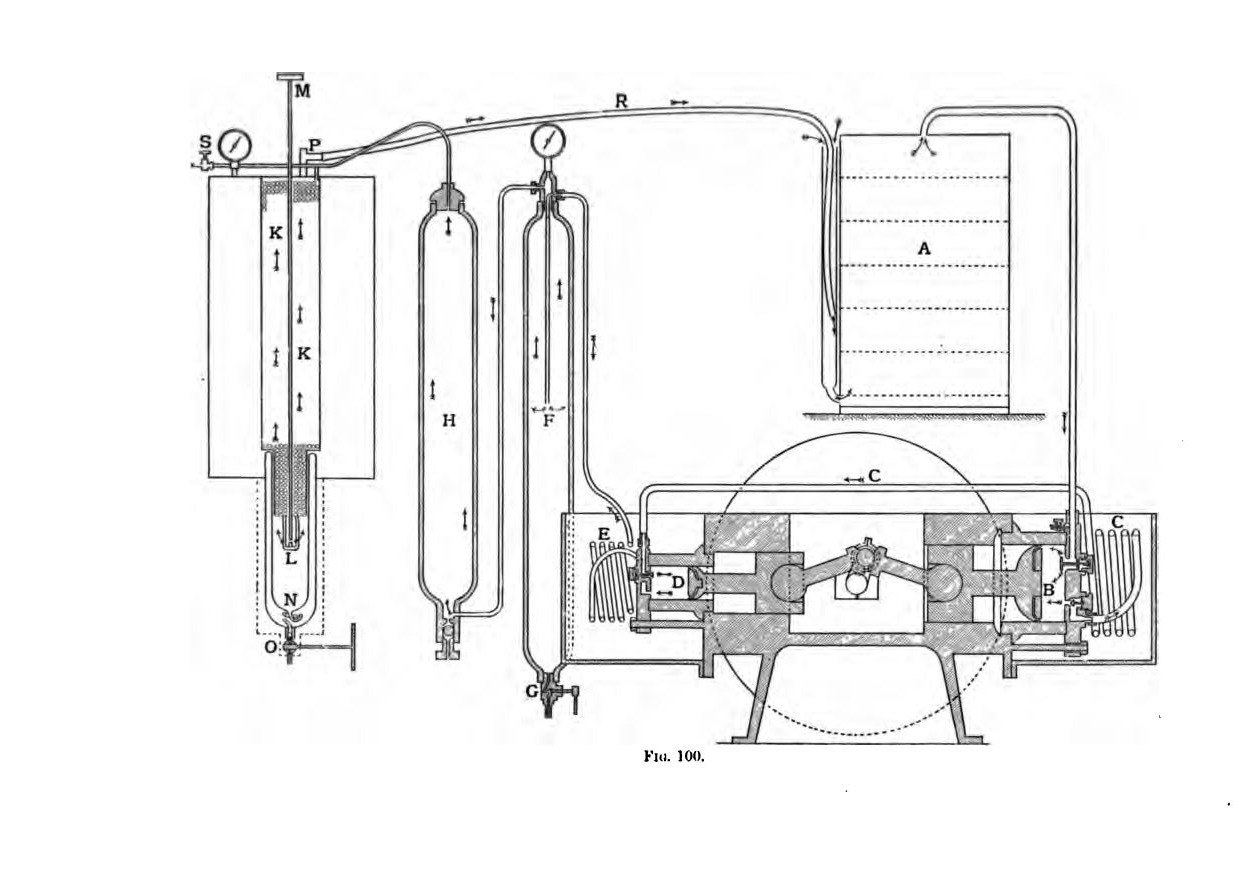


Liquid Air: Air Compressed to 170 Atmospheres and Expanded through the Hampson Liquefier (Travers 1901)
Air freed of carbon dioxide and water is pumped to about 170 atmospheres and let out through a fine valve at the foot of long copper coils. The expanding air cools a little and flows back over the coils, cooling the air coming down, until some of it turns liquid and drips into a vacuum vessel.
Result: liquid air, about 1-1.5 litres an hour, the first after about four minutes.
Source: M. W. Travers, The Experimental Study of Gases (1901), pp. 190-194, Fig. 100 (shown above). High pressure and liquid air: Travers warns that a sudden fault can cause a serious accident.
མཐོ་རིམ
1 day
ལམ་སྟོན
1
1
Draw air through slaked lime
Draw air through slaked lime
Draw the air into the compressor through a cylinder of moist slaked lime spread on trays.
གོམ་པ་འདིའི་རྫས་རིགས:
 མཁའ་རླུང - འཛམ་གླིང1 as required
ལག་ཆས་དགོས་མཁོ:
 ཀེལ་སིཡམ་ཧའི་ཌོག་སཱིཌ (རྡོ་ཞ་བསད་མ)
2
2
Compress in two stages
Compress in two stages
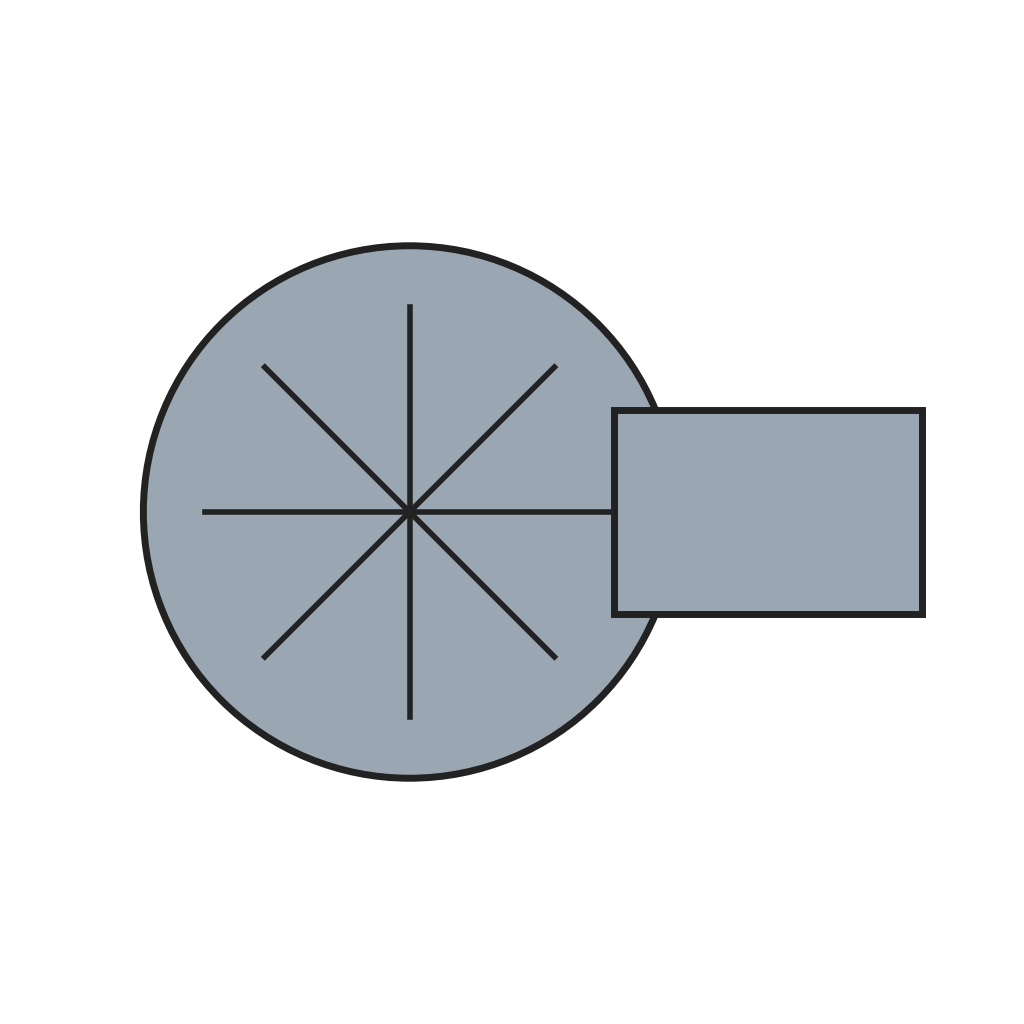
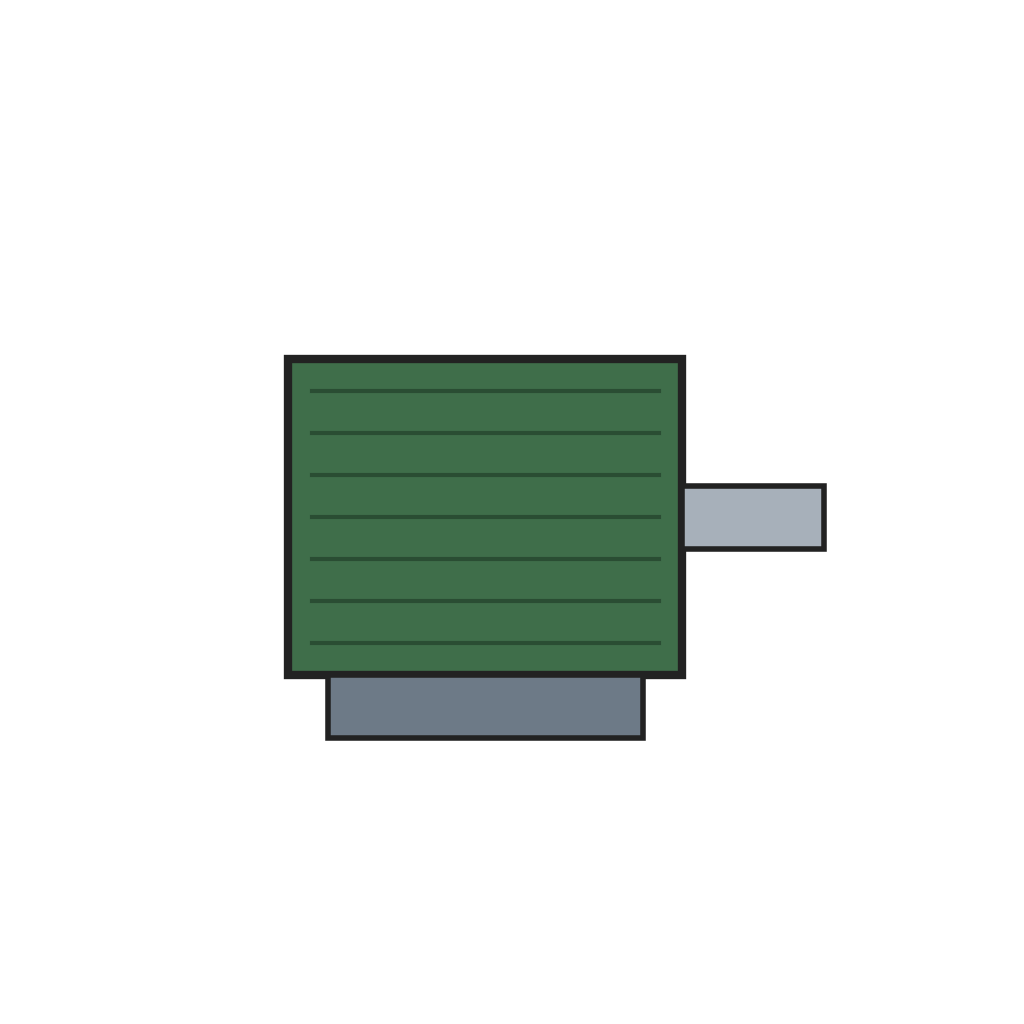
Compress in two stages to 160-180 atmospheres (the first to about 16), each stage followed by a copper coil in running water and then a water separator. A little water goes in with the air to lubricate; blow it off from the separator now and then. Travers' compressor was driven by a 5 horse-power electric motor.
ལག་ཆས་དགོས་མཁོ:
 རླུང་རྫས་གནོན་འཕྲུལ་ཆས།
 གློག་འཁོར།
 ཆུ།
 གནོན་ཤུགས་འཇལ་ཆས།
3
3
Dry over caustic potash
Dry over caustic potash
Pass the air through a cylinder of lumps of caustic potash to take out the water vapour and the last carbon dioxide. Run off the little water that collects after some weeks.
ལག་ཆས་དགོས་མཁོ:
 པོ་ཊ་སིཡམ་ཧའིཌོག་སའིཌི།
4
4
Liquefy
Liquefy
Lead the dry air into the Hampson liquefier, its lower end and valve inside a vacuum vessel. Start the motor, blow a little air through, close the valve and let the pressure rise to 170 atmospheres. Open the valve and keep the flow steady by the glycerol gauge on the exit (about 10 cm of glycerol with an exit rubber tube 80 cm long and 2 cm across). Liquid air appears in about four minutes; about 5 % of the air liquefies.
ལག་ཆས་དགོས་མཁོ:
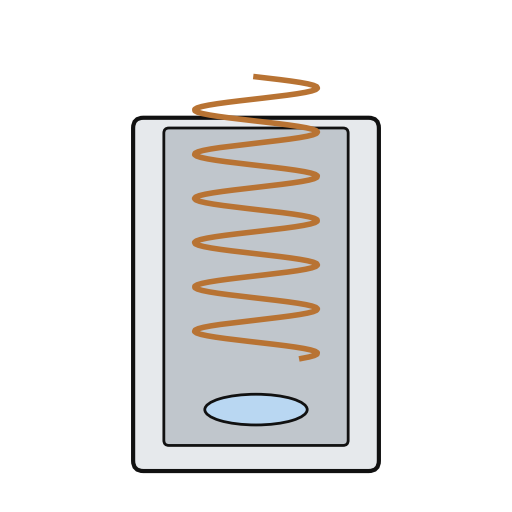 ཧེམ་སཱན་རླུང་ཆུ་བཟོ་ཆས།
 སྟོང་ཁམས་སྣོད། (ཌི་ཝར)
 རབ་བར་གྱི་སྦུག་མ།
 གི་ལི་སི་རོལ།གནོན་ཤུགས་འཇལ་ཆས།
5
5
Draw it off, watch the machine
Draw it off, watch the machine
Run off the liquid air through the tap from time to time, about 1-1.5 litres an hour. Watch the machinery the whole time.
ལག་ཆས་དགོས་མཁོ:
སྟོང་ཁམས་སྣོད། (ཌི་ཝར)རྫས་རིགས
1- 1 as requiredས་ཆ་འཛིན
ལག་ཆས་དགོས་མཁོ
10- ས་ཆ་འཛིན
- ས་ཆ་འཛིན
- ས་ཆ་འཛིན
- ས་ཆ་འཛིན
- ས་ཆ་འཛིན
- ས་ཆ་འཛིན
- ས་ཆ་འཛིན
- ས་ཆ་འཛིན
- ས་ཆ་འཛིན
བིལུ་པིརིན་ཊི་འདི་གིས་བཟོ་མི
CC0 སྤྱི་དབང
བིལུ་པིརིན་ཊི་འདི་CC0 འོག་བཀྲམས་ཡོད། ཁྱེད་རང་གིས་ཆོག་མཆན་མ་བཞེས་པར་ཕབ་ལེན་དང་བཟོ་བཅོས། བགོ་བཤའ། དགོས་མཁོ་གང་ལའང་བཀོལ་སྤྱོད་བྱས་ཆོག
བཟོ་མཁན་ལ་རྒྱབ་སྐྱོར་བྱེད་པའི་ཆེད་ཁོང་ཚོའི་བིལུ་པིརིན་ཊི་བརྒྱུད་ཐོན་སྐྱེད་ཉོ། བཟོ་མཁན་གྱིས བཟོ་མཁན་གྱི་ཁེ་ཕོགས ཚོང་པས་གཏན་འཁེལ་བྱས་པ། ཡང་ན་བིལུ་པིརིན་ཊི་འདིའི་པར་གསར་བཟོས་ཏེ་ཁྱེད་རང་གི་བིལུ་པིརིན་ཊི་ནང་མཐུད་སྦྲེལ་བྱས་ཏེ་ཡོང་སྒོ་བགོ་བཤའ་བྱེད།