སྒྱུ་རྩལ
མཛེས་སྡུག་དང་བདེ་ཐང
བཟོ་རིག
རིག་གནས་དང་ལོ་རྒྱུས
དགའ་སྟོན
ཁོར་ཡུག
ཟས་དང་བཏུང་རྫས
ཕྱིར་འཕྲུལ་རིག
ཚན་རིག
རྩེད་འགྲན
རིག་རྩལ
གྱོན་རུང
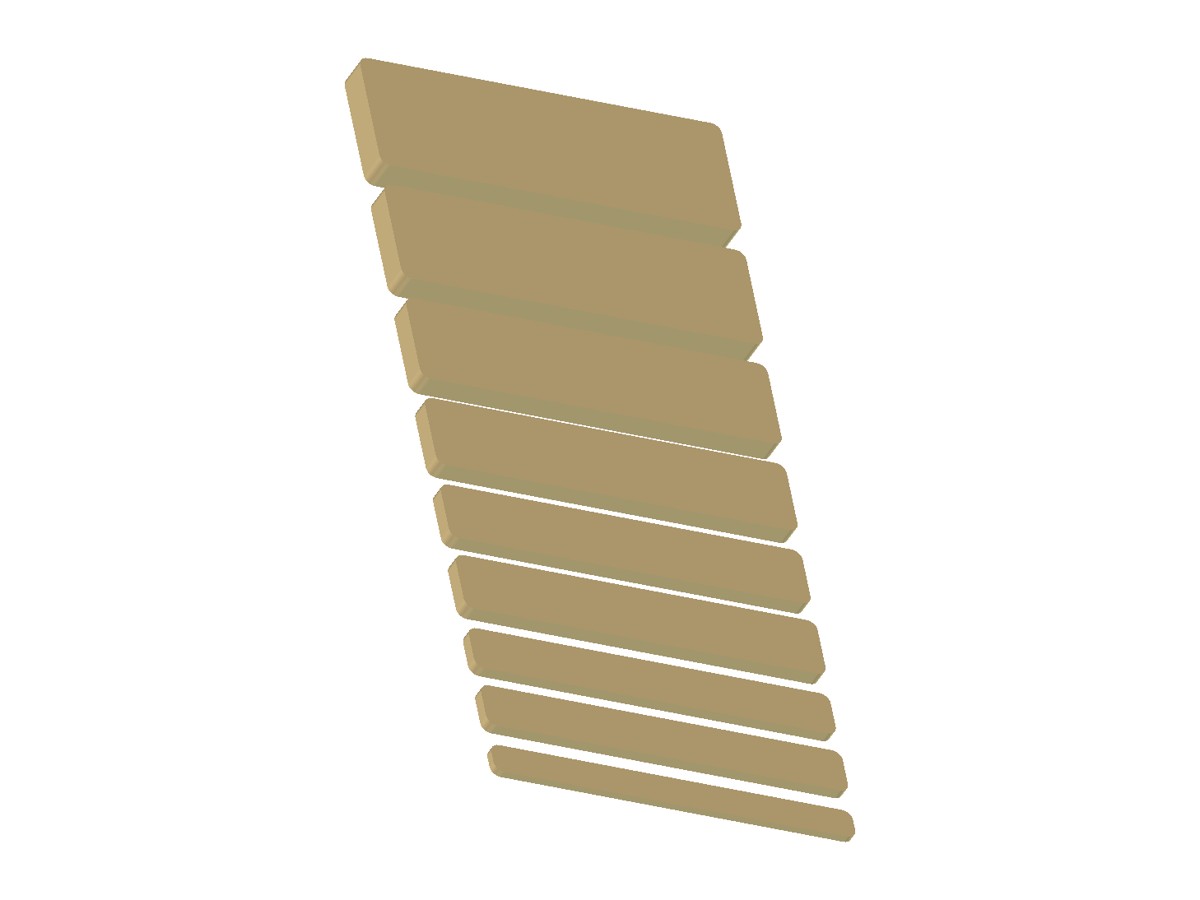


Loop Sticks: a Graded Set of Hardwood Sticks for Shaping Strap Loops (Hasluck, Harness Making, 1904)
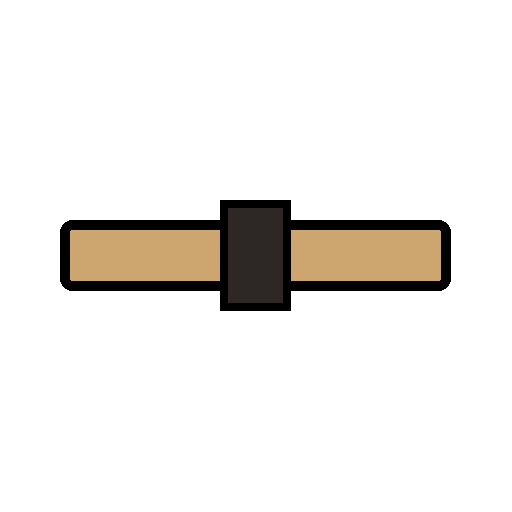
A set of flat hardwood sticks, 1/2 in. to 2 in. wide, that the harness maker puts inside a leather loop (the keeper on a buckled strap) to beat it flat and square and to clinch the nails against. Hasluck's Harness Making (1904) gives the range of sizes and says to have two of some, for work done in pairs.
འགོ་བཙུགས
About 3 hours
ལམ་སྟོན
1
1
Leather keepers shaped square
Leather keepers shaped square
Stitching leather keepers and blocking them square (g mac). A loop stick is what goes inside while you shape one.
2
2
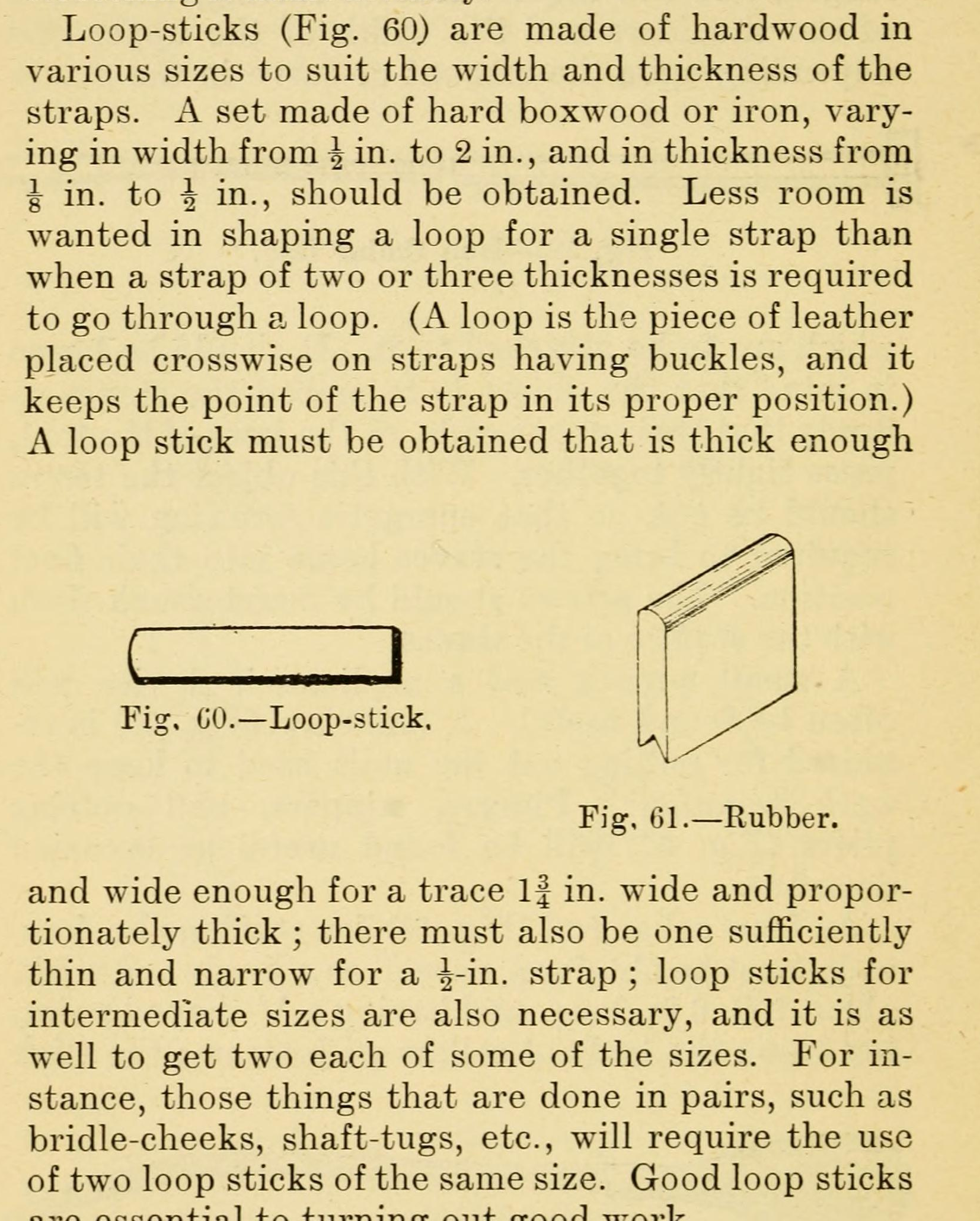
Hasluck's loop sticks, 1904
Hasluck's loop sticks, 1904
Harness Making p. 28: loop sticks of hardwood, sized to the width and thickness of the straps; a set of hard boxwood or iron from 1/2 in. to 2 in. wide and 1/8 in. to 1/2 in. thick. A loop for two or three thicknesses of strap needs a thicker stick than one for a single strap. Have one big enough for a 1 3/4 in. trace, one for a 1/2 in. strap, sizes between, and two of some sizes for pairs such as bridle cheeks and shaft tugs.
3
3
Cut the set
Cut the set
Rip and plane close-grained hardwood (boxwood if you can get it) to these widths and thicknesses, each 6 in. (152 mm) long: 1/2 x 1/8 in. (12.7 x 3.2 mm); 3/4 x 3/16 in. (19.1 x 4.8 mm) x 2; 1 x 1/4 in. (25.4 x 6.4 mm) x 2; 1 1/4 x 5/16 in. (31.8 x 7.9 mm); 1 1/2 x 3/8 in. (38.1 x 9.5 mm); 1 3/4 x 7/16 in. (44.5 x 11.1 mm); 2 x 1/2 in. (50.8 x 12.7 mm). Check each with the caliper.
གོམ་པ་འདིའི་རྫས་རིགས:
 ཤིང་སྲ་བའི་པང་ལེབ།1 piece (about 160 x 300 x 15 mm)
ལག་ཆས་དགོས་མཁོ:
 ལག་སོག་ལེ།
 ཤིང་ཟེ་ཆུང་ཀུ།
 རྟགས་བཀལ་ནིའི་ཚད་ཆས།
 མཉམ་སྦྱོར་གྲུ་བཞི།
 ལས་ཅོག་གི་འཛིན་ཆས།
 ཨང་རྟགས་ཚད་འཇལ་ཆས་ ཨིནཅི 6
4
4
Shape and finish
Shape and finish
Keep the faces flat and the long edges square so the loops come out square. Round the four corners a little (about 4 mm), smooth all over, ease the edges, and rub in a little linseed oil. Mark each stick with its size.
གོམ་པ་འདིའི་རྫས་རིགས:
 ལིན་སིཊ་སྣུམ།10 ml
ལག་ཆས་དགོས་མཁོ:
 ཤིང་གི་སྲོག་ལེབ་རྩུབ་མོ།
 བྱེ་མའི་ཤོག་ཀུ
5
5
Use a loop stick
Use a loop stick
Choose the stick that matches the strap, thicker if two or three thicknesses must pass the loop. Put it inside the loop, beat the loop gently until it is flat and square, and clinch the nails that hold the loop against the stick, leaving it inside while you nail the other side (Hasluck pp. 71 and 98).
6
6
Troubleshooting
Troubleshooting
Loop problems and fixes.
Flow
Loading...
7
7
History and honest limits
History and honest limits
From Paul N. Hasluck (ed.), Harness Making (1904), p. 28, Fig. 60, with use on pp. 71 and 98. Hasluck gives the range only: the sizes between, the thickness for each width, the 6 in. length and the oil finish are ours. For the biggest loops he uses an iron stick. Not made by us yet.
རྫས་རིགས
2- 1 piece (about 160 x 300 x 15 mm)ས་ཆ་འཛིན
- 10 mlས་ཆ་འཛིན
ལག་ཆས་དགོས་མཁོ
8- ས་ཆ་འཛིན
- ས་ཆ་འཛིན
- ས་ཆ་འཛིན
- ས་ཆ་འཛིན
- ས་ཆ་འཛིན
- ས་ཆ་འཛིན
- ས་ཆ་འཛིན
- ས་ཆ་འཛིན
བིལུ་པིརིན་ཊི་འདི་གིས་བཟོ་མི
འབྲེལ་ཡོད་བིལུ་པིརིན་ཊི
བིལུ་པིརིན་ཊི་འདི་ཚུ་ཐབས་ལམ་དང་རྫས་རིགས། སྤྱི་ཆོས་བགོ་བཤའ་བྱེད
CC0 སྤྱི་དབང
བིལུ་པིརིན་ཊི་འདི་CC0 འོག་བཀྲམས་ཡོད། ཁྱེད་རང་གིས་ཆོག་མཆན་མ་བཞེས་པར་ཕབ་ལེན་དང་བཟོ་བཅོས། བགོ་བཤའ། དགོས་མཁོ་གང་ལའང་བཀོལ་སྤྱོད་བྱས་ཆོག
བཟོ་མཁན་ལ་རྒྱབ་སྐྱོར་བྱེད་པའི་ཆེད་ཁོང་ཚོའི་བིལུ་པིརིན་ཊི་བརྒྱུད་ཐོན་སྐྱེད་ཉོ། བཟོ་མཁན་གྱིས བཟོ་མཁན་གྱི་ཁེ་ཕོགས ཚོང་པས་གཏན་འཁེལ་བྱས་པ། ཡང་ན་བིལུ་པིརིན་ཊི་འདིའི་པར་གསར་བཟོས་ཏེ་ཁྱེད་རང་གི་བིལུ་པིརིན་ཊི་ནང་མཐུད་སྦྲེལ་བྱས་ཏེ་ཡོང་སྒོ་བགོ་བཤའ་བྱེད།