སྒྱུ་རྩལ
མཛེས་སྡུག་དང་བདེ་ཐང
བཟོ་རིག
རིག་གནས་དང་ལོ་རྒྱུས
དགའ་སྟོན
ཁོར་ཡུག
ཟས་དང་བཏུང་རྫས
ཕྱིར་འཕྲུལ་རིག
ཚན་རིག
རྩེད་འགྲན
རིག་རྩལ
གྱོན་རུང
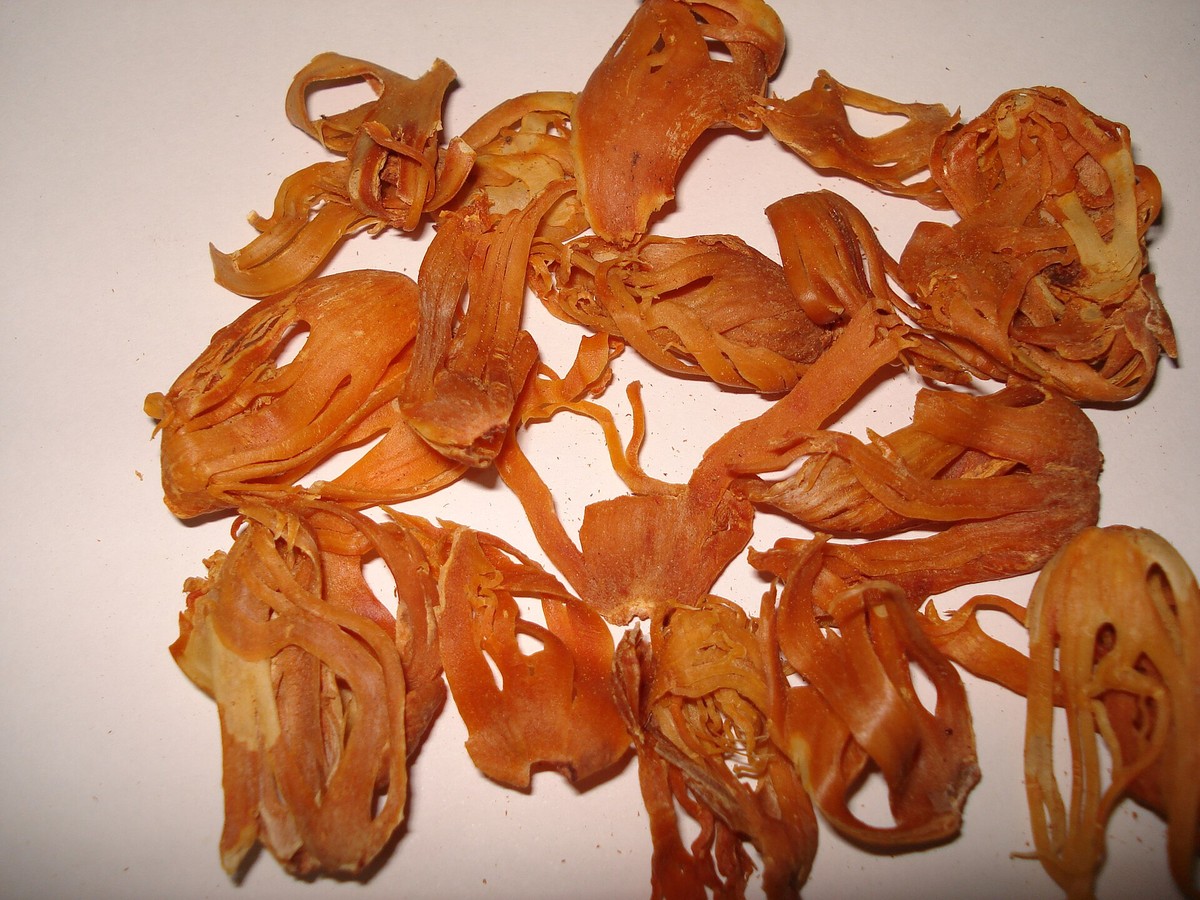


Mace: the Red Aril of the Nutmeg, Taken Off Whole, Flattened and Sun-Dried (Ridley, 1912)
Mace is the red, lacy covering of the nutmeg seed, dried into a spice. Pick the fruit when it splits, take the mace off the nut in one piece, flatten it and dry it in the sun on mats, out of the dew and out of smoke. It turns from red to orange as it dries. Henry Ridley described the work in Spices (1912).
འགོ་བཙུགས
2 days to 2 weeks of drying
ལམ་སྟོན
1
1
Taking mace off the nutmeg
Taking mace off the nutmeg
Removing the mace from a fresh nutmeg seed (Agriculture Farming).
2
2
Pick the fruit when it splits
Pick the fruit when it splits
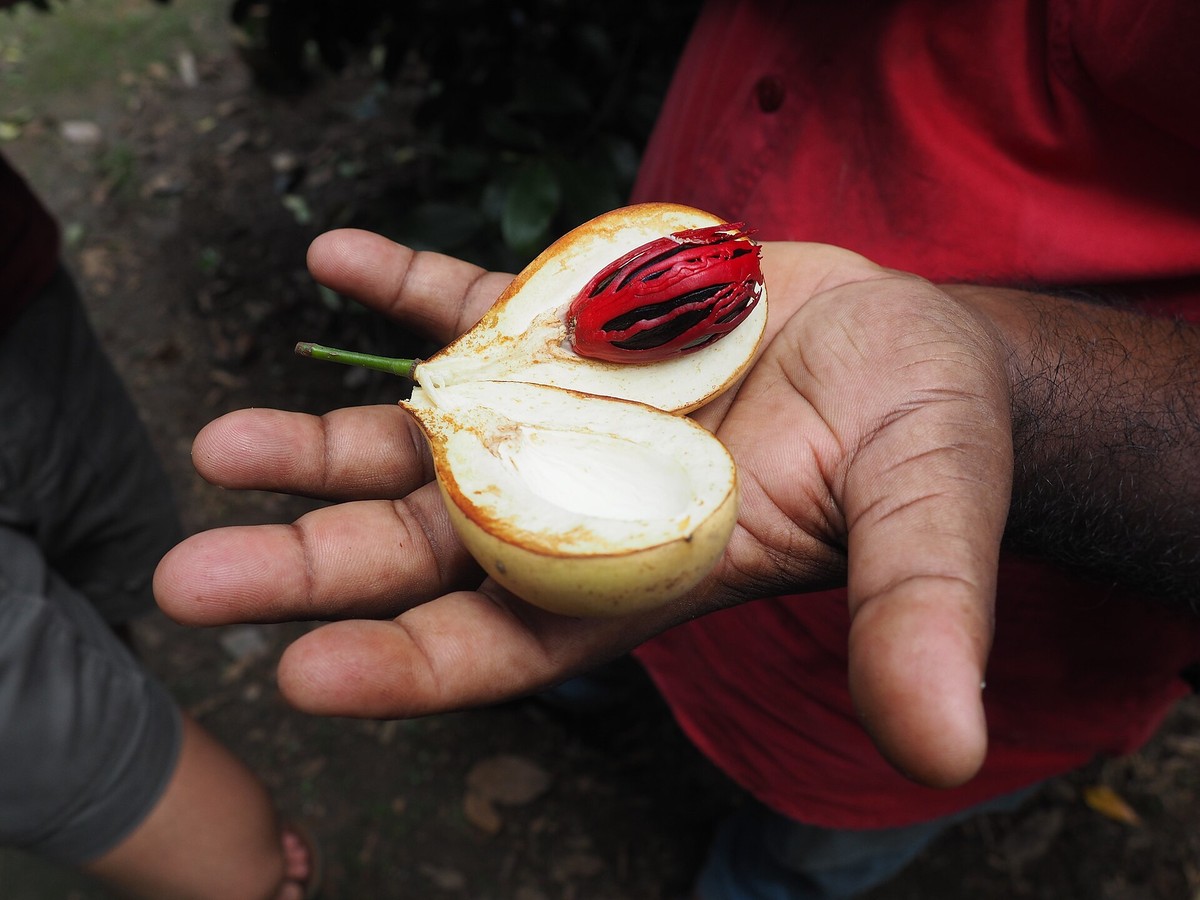
Ridley: the fruits ripen about six months after flowering, and "when they split and show the seed covered with its brilliant red mace, they are ripe". Pick them by hand, with a hooked stick on low trees, into a basket: a fruit that falls to the ground is bruised, "which injures the mace".
གོམ་པ་འདིའི་རྫས་རིགས:
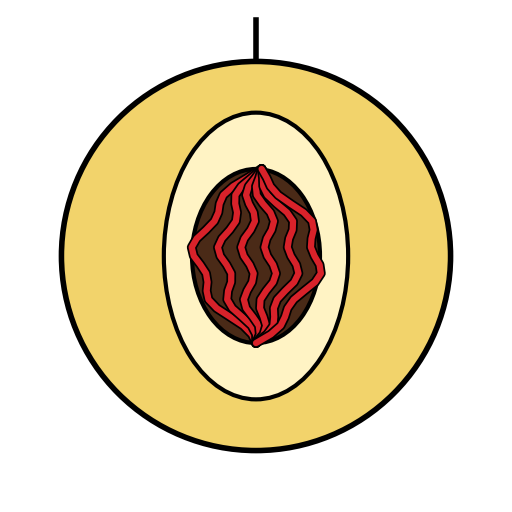 Ripe Nutmeg Fruit1 kg (or as many as are ripe)
ལག་ཆས་དགོས་མཁོ:
 ལོ་ཐོག་སྣོད
3
3
Take off the mace in one piece
Take off the mace in one piece
Open the fruit and lift out the seed. The mace is attached only at its base, the heel: open it from the top of the nut and fold it back, and it comes off by hand. Keep it whole (a double blade) rather than in two halves. Keep the nuts apart for drying as nutmeg.
4
4
Flatten it
Flatten it
Flatten each blade by hand while it is fresh, or press a batch between two boards.
ལག་ཆས་དགོས་མཁོ:
 ཤིང་སྲ་བའི་པང་ལེབ།
5
5
Dry it in the sun
Dry it in the sun
Spread the blades on mats or flat trays in the sun. Ridley gives four or five hours a day for a fortnight in most cases, or two days in good, dry weather. Bring them indoors before nightfall, into a light, airy room, so the dew does not wet them.
ལག་ཆས་དགོས་མཁོ:
 སྐམ་ནིའི་གདན
6
6
In damp weather, dry it over charcoal
In damp weather, dry it over charcoal
Smoke spots the mace and spoils its colour. If the weather is too damp, dry it above a smokeless charcoal fire, and never let smoke touch it.
ལག་ཆས་དགོས་མཁོ:
 སོལ་བའི་ཐབ།
 ཤིང་སོལ་གྱི་དུམ་བུ། (ཤིང་སྲ།)
7
7
Check and store it
Check and store it
Mace moulds easily, so keep it dry. It is red at first and turns orange, then yellow, over some months. Good mace is whole double blades, flattened, horny and not too brittle, with a clear, bright colour. Store it dry in closed jars (ours).
ལག་ཆས་དགོས་མཁོ:
 ཁ་བཅད་ཡོད་པའི་ཤེལ་སྣོད།
8
8
Troubleshooting
Troubleshooting
Mace problems and fixes.
Flow
Loading...
9
9
History and honest limits
History and honest limits
Henry N. Ridley, Spices (London, 1912), chapter III, Nutmegs and Mace, pp. 123 and 145-146. He notes that Dutch planters sometimes sprinkled mace with sea-water before drying against insects, but that this "is not necessary if proper care is taken". You need a fruiting nutmeg tree. Cover photo: dried mace, Miansari66, public domain; fruit photo: Schlawensko, CC BY-SA 4.0 (Wikimedia Commons). Not made by us yet.
རྫས་རིགས
1- 1 kg (or as many as are ripe)ས་ཆ་འཛིན
ལག་ཆས་དགོས་མཁོ
6- ས་ཆ་འཛིན
- ས་ཆ་འཛིན
- ས་ཆ་འཛིན
- ས་ཆ་འཛིན
- ས་ཆ་འཛིན
- ས་ཆ་འཛིན
བིལུ་པིརིན་ཊི་འདི་གིས་བཟོ་མི

CC0 སྤྱི་དབང
བིལུ་པིརིན་ཊི་འདི་CC0 འོག་བཀྲམས་ཡོད། ཁྱེད་རང་གིས་ཆོག་མཆན་མ་བཞེས་པར་ཕབ་ལེན་དང་བཟོ་བཅོས། བགོ་བཤའ། དགོས་མཁོ་གང་ལའང་བཀོལ་སྤྱོད་བྱས་ཆོག
བཟོ་མཁན་ལ་རྒྱབ་སྐྱོར་བྱེད་པའི་ཆེད་ཁོང་ཚོའི་བིལུ་པིརིན་ཊི་བརྒྱུད་ཐོན་སྐྱེད་ཉོ། བཟོ་མཁན་གྱིས བཟོ་མཁན་གྱི་ཁེ་ཕོགས ཚོང་པས་གཏན་འཁེལ་བྱས་པ། ཡང་ན་བིལུ་པིརིན་ཊི་འདིའི་པར་གསར་བཟོས་ཏེ་ཁྱེད་རང་གི་བིལུ་པིརིན་ཊི་ནང་མཐུད་སྦྲེལ་བྱས་ཏེ་ཡོང་སྒོ་བགོ་བཤའ་བྱེད།