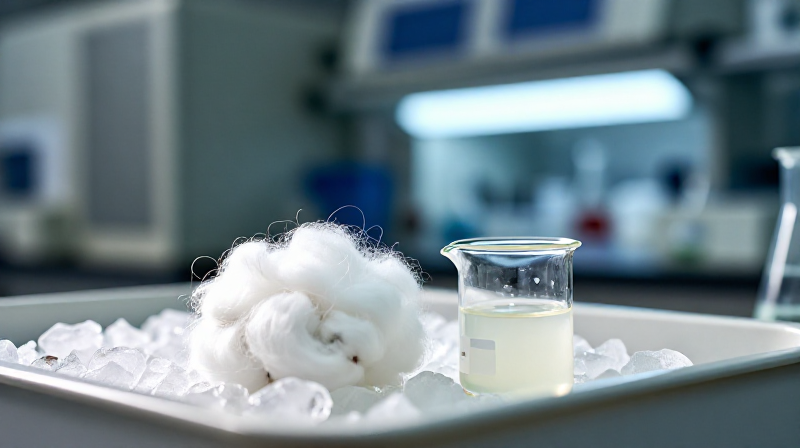

Making Nitrocellulose (Guncotton) — The Nitration That Launched Smokeless Powder and Plastics
In 1846, Christian Friedrich Schönbein, a professor in Basel, accidentally spilled a mixture of nitric and sulfuric acids on his kitchen table. He mopped it up with his wife's cotton apron, hung it by the stove to dry — and it burst into flames and vanished. Schönbein immediately grasped the significance: the acids had transformed cellulose into a new substance, nitrocellulose (cellulose trinitrate, [C₆H₇O₂(ONO₂)₃]ₙ), which burned with extraordinary speed and left no smoke or residue.
The chemistry is an esterification: the three hydroxyl groups (-OH) on each glucose unit of the cellulose chain are replaced by nitrate ester groups (-ONO₂) using a mixture of concentrated nitric acid (the nitrating agent) and concentrated sulfuric acid (the dehydrating agent that drives the reaction to completion). The mixed acid must be ice-cold — heat causes decomposition and can trigger violent combustion of the product while still in the acid.
Nitrocellulose had two enormous consequences. First, it became the basis of smokeless gunpowder — vastly superior to black powder because it produces no obscuring smoke and three times the gas volume per gram. Cordite, ballistite, and all modern propellants are based on Schönbein's discovery. Second, when plasticised with camphor, nitrocellulose becomes celluloid — the first commercial plastic (1869) and the material that made cinema possible.
SAFETY WARNING: Nitrocellulose is a HIGH EXPLOSIVE when dry. It is shock-sensitive, friction-sensitive, and can detonate. The nitration itself is dangerous — the mixed acid is violently corrosive, and the reaction can run away if temperature control is lost. This experiment must ONLY be performed under strict laboratory conditions with full safety equipment, ice-bath temperature control, and proper training. Store the product WET — dry nitrocellulose is a serious detonation hazard.
ཉེན་ཁ་ཅན་ནང་དོན
བིལུ་པིརིན་ཊི་འདིའི་ནང་ཉེན་ཁ་ཅན་ལག་ལེན་ཡོད། གོམ་པ་རེ་རེའི་ལམ་སྟོན་བལྟ་ནིའི་ཆེད་ནང་འཛུལ་གནང་ཞིང་ཉེན་ཁ་ཅན་ནང་དོན་ལྕོགས་གནང།
ནང་བསྐྱོད་འབད།འབྲེལ་ཡོད་བིལུ་པིརིན་ཊི
བིལུ་པིརིན་ཊི་འདི་ཚུ་ཐབས་ལམ་དང་རྫས་རིགས། སྤྱི་ཆོས་བགོ་བཤའ་བྱེད
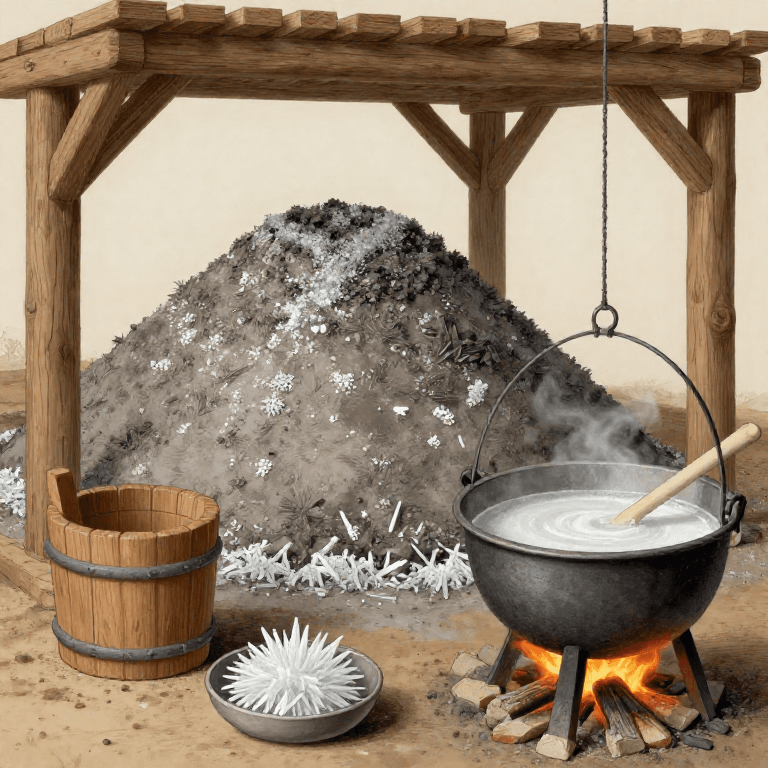
Growing Saltpeter from Niter Beds — The Explosive Element in Every Living Thing
Peter གྱིས
སྔོན་རབས
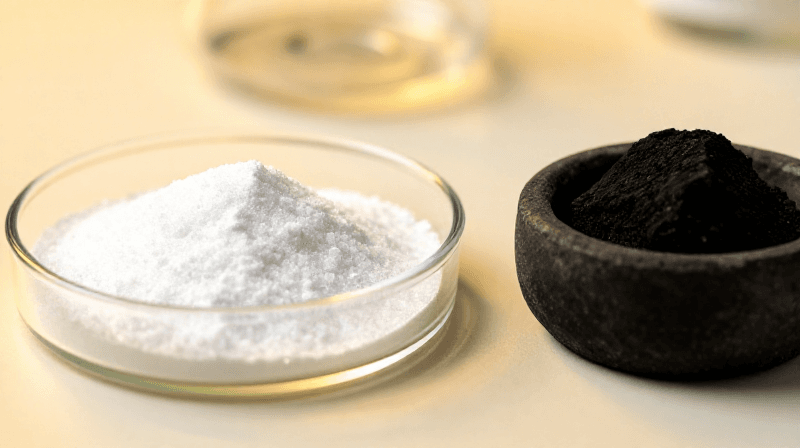
Making Soda Ash by the Leblanc Process — The Chemical That Made Soap and Glass Affordable
Charlie གྱིས
བཟོ་གྲྭ
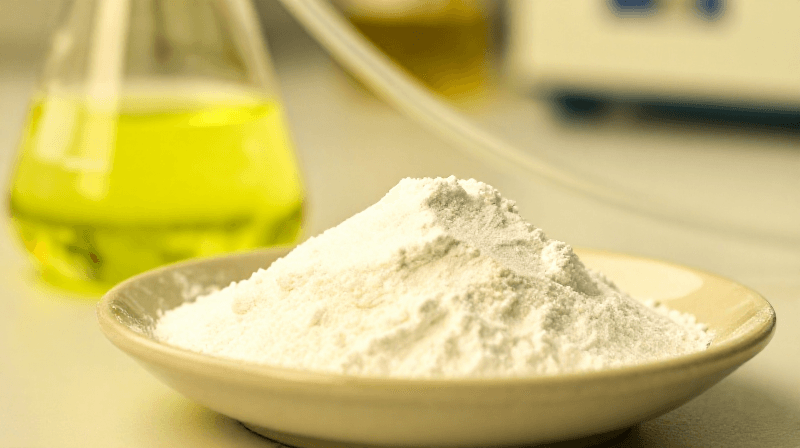
Making Bleaching Powder — The Chlorine Chemistry That Made White Fabric Affordable
Charlie གྱིས
བཟོ་གྲྭ
CC0 སྤྱི་དབང
བིལུ་པིརིན་ཊི་འདི་CC0 འོག་བཀྲམས་ཡོད། ཁྱེད་རང་གིས་ཆོག་མཆན་མ་བཞེས་པར་ཕབ་ལེན་དང་བཟོ་བཅོས། བགོ་བཤའ། དགོས་མཁོ་གང་ལའང་བཀོལ་སྤྱོད་བྱས་ཆོག
བཟོ་མཁན་ལ་རྒྱབ་སྐྱོར་བྱེད་པའི་ཆེད་ཁོང་ཚོའི་བིལུ་པིརིན་ཊི་བརྒྱུད་ཐོན་སྐྱེད་ཉོ། བཟོ་མཁན་གྱིས བཟོ་མཁན་གྱི་ཁེ་ཕོགས ཚོང་པས་གཏན་འཁེལ་བྱས་པ། ཡང་ན་བིལུ་པིརིན་ཊི་འདིའི་པར་གསར་བཟོས་ཏེ་ཁྱེད་རང་གི་བིལུ་པིརིན་ཊི་ནང་མཐུད་སྦྲེལ་བྱས་ཏེ་ཡོང་སྒོ་བགོ་བཤའ་བྱེད།