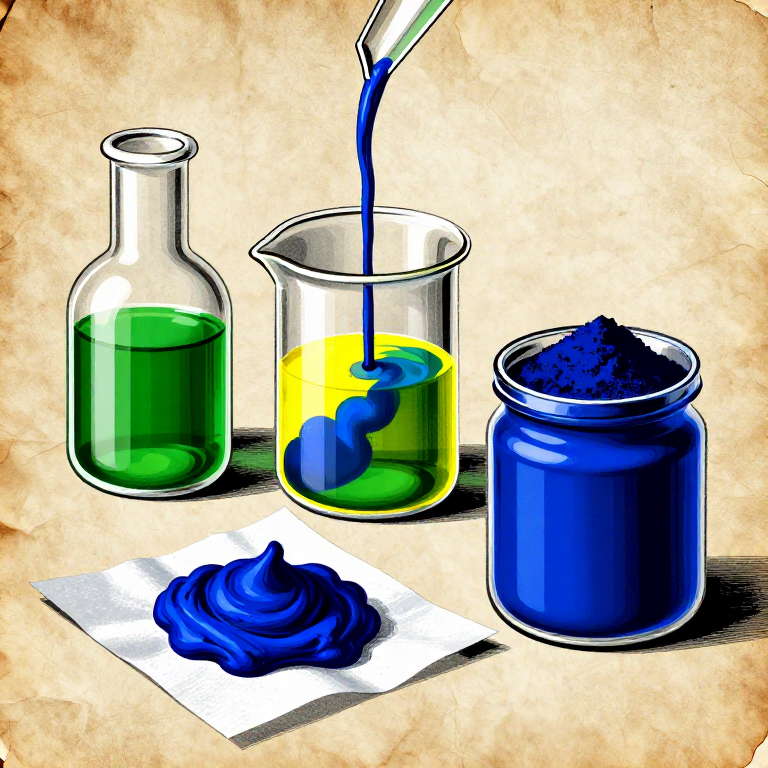

Making Prussian Blue — The First Modern Synthetic Pigment (Berlin, 1704)
Prussian blue (iron(III) hexacyanoferrate(II), Fe₄[Fe(CN)₆]₃) was the first modern synthetic pigment — accidentally discovered in Berlin between 1704 and 1706. The paint maker Johann Jacob Diesbach was attempting to make a red lake pigment from cochineal, using a batch of potash (potassium carbonate) supplied by the alchemist Johann Konrad Dippel. Unknown to Diesbach, Dippel had previously used that potash in the distillation of animal oil — contaminating it with potassium ferrocyanide (prussiate of potash). When Diesbach mixed this contaminated potash with iron sulfate and cochineal, instead of the expected red lake, he produced a deep, vivid blue precipitate.
The discovery broke the centuries-old monopoly of ultramarine (from lapis lazuli) and smalt (from cobalt glass) as the only available blue pigments. Prussian blue was cheap, intensely coloured, and easy to manufacture — within decades it became the dominant blue pigment in European painting, textile printing, and wallpaper manufacture. Its intense tinting strength is extraordinary: a tiny amount of Prussian blue can colour a vast quantity of paint. It is transparent to semi-transparent, making it excellent for glazing techniques, and it produces beautiful dark blues, blue-blacks, and (when mixed with yellow) vivid greens that no previous pigment could match.
SAFETY WARNING: The synthesis involves potassium ferrocyanide, which is itself of low toxicity, but releases hydrogen cyanide (HCN) gas if heated above 300°C or treated with strong acid. The reaction also uses iron sulfate (mildly irritating) and dilute hydrochloric acid. All steps must be performed in a well-ventilated area, and the reagents must NEVER be heated beyond the temperatures specified. Wear gloves, goggles, and a respirator when handling the acid. Dispose of all waste solutions responsibly.
ལམ་སྟོན
Safety preparation
Safety preparation
MANDATORY SAFETY: Work in a well-ventilated area — outdoors or under a fume hood. Put on chemical-resistant nitrile gloves, chemical splash goggles, and a P100/FFP3 respirator. The synthesis involves dilute hydrochloric acid (corrosive, produces HCl fumes) and potassium ferrocyanide (which releases hydrogen cyanide gas if overheated or exposed to strong acid). NEVER heat any solution above 60°C during this process. NEVER add concentrated acid to the ferrocyanide solution. Have clean water and baking soda available to neutralise any acid spills.
ལག་ཆས་དགོས་མཁོ:
 སྐྱུར་རླུང་བཙག་ཆས་ཡོད་པའི་དབུགས་སྲུང་།
 རྫས་སྦྱོར་འཐོར་སྲུང་མིག་ཤེལ།
 རྫས་སྦྱོར་བཟོད་ཐུབ་པའི་ལག་ཤུབས།
Prepare the iron sulfate solution
Prepare the iron sulfate solution
Dissolve 25 g of ferrous sulfate (iron(II) sulfate, FeSO₄·7H₂O — also known as green vitriol or copperas) in 250 ml of warm water (40-50°C) in a glass beaker. Stir until completely dissolved. The solution should be a clear, pale green. Ferrous sulfate is the iron source — it provides the iron(II) ions that will form one half of the Prussian blue crystal structure. Use laboratory-grade or technical-grade ferrous sulfate — garden-variety iron sulfate may contain impurities that affect the pigment colour.
གོམ་པ་འདིའི་རྫས་རིགས:
 ལྕགས་ཀྱི་སལ་ཕེཊ།25 g
ལག་ཆས་དགོས་མཁོ:
 ཚ་བཟོད་ཤེལ་གྱི་བི་ཀར།
 དཀྲུག་ཤིང་།
 ཨང་རྟགས་ཐབ་ཚང་སྲང་།
Prepare the potassium ferrocyanide solution
Prepare the potassium ferrocyanide solution
In a separate clean glass beaker, dissolve 20 g of potassium ferrocyanide (K₄[Fe(CN)₆]·3H₂O — yellow prussiate of potash) in 250 ml of room-temperature water. Stir until completely dissolved. The solution should be a clear, bright yellow. SAFETY: Potassium ferrocyanide is of low toxicity in this form, but NEVER heat it above 300°C or mix it with strong acid — these conditions release hydrogen cyanide (HCN) gas, which is lethal. At room temperature in dilute solution, it is safe to handle with basic precautions (gloves, goggles).
གོམ་པ་འདིའི་རྫས་རིགས:
 པོ་ཊ་སི་ཡམ་ཕེ་རོ་སཱའི་ཡ་ནཱའིཌ20 g
ལག་ཆས་དགོས་མཁོ:
 བོ་རོ་སི་ལི་ཀེཊ་ཀྱི་ཕོར་པ།
Mix the two solutions to form the initial precipitate
Mix the two solutions to form the initial precipitate
Slowly pour the ferrous sulfate solution into the potassium ferrocyanide solution while stirring gently. A thick, dark blue-green precipitate forms immediately — this is 'Prussian white' (iron(II) ferrocyanide, also called Berlin white or Turnbull's blue precursor), which is actually a dark, greenish-blue at this stage. Stir thoroughly to ensure complete reaction. The mixture should be a thick, dark suspension with no clear yellow or green zones remaining. Let the precipitate settle for 15-20 minutes.
ལག་ཆས་དགོས་མཁོ:
 ཤིང་གི་སྐྱོགས།
Oxidise with dilute hydrochloric acid to produce Prussian blue
Oxidise with dilute hydrochloric acid to produce Prussian blue
The initial precipitate must be oxidised to convert it from the greenish intermediate to the vivid blue Prussian blue. Add 50 ml of dilute hydrochloric acid (10% HCl) slowly, stirring continuously. The acid serves two purposes: it acidifies the solution (promoting oxidation of Fe²⁺ to Fe³⁺ by dissolved oxygen) and helps develop the characteristic deep blue colour. As you add the acid, the precipitate shifts dramatically from dark greenish-blue to the brilliant, deep Prussian blue. Let the mixture stand, stirring occasionally, for 30-60 minutes to complete the oxidation. The supernatant liquid should become nearly clear as all the colour concentrates in the precipitate.
གོམ་པ་འདིའི་རྫས་རིགས:
 ཧའི་ཌོ་རོ་ཀོ་ལོ་རིག་སྐྱུར་རྫས།50 ml
Filter, wash, dry, and grind the finished pigment
Filter, wash, dry, and grind the finished pigment
Pour the blue precipitate through filter paper set in a funnel, collecting the clear filtrate below (dispose responsibly — it contains dissolved iron salts and traces of ferrocyanide). Wash the collected blue precipitate by pouring several portions of clean water through the filter — at least 500 ml total — to remove residual acid and salts. Unwashed Prussian blue tends to be unstable and can decompose over time. Once thoroughly washed, spread the wet pigment paste on a clean glass surface and let dry completely (1-3 days). The dried Prussian blue forms a hard, dark blue cake — grind to a fine powder with a glass muller. The finished pigment is an extraordinarily intense, transparent, deep blue. Store in a sealed glass jar away from strong light. Prussian blue is compatible with all painting binders and is especially valued in watercolour and oil for its intense tinting strength and transparency.
ལག་ཆས་དགོས་མཁོ:
 འཚག་ཤོག
 ཟངས་ལེགས་ལྕགས་ཀྱི་ལྷུང་བཟེད།
 ཤེལ་གྱི་གཞོང་རྡོ།
 ཁ་བཅད་ཡོད་པའི་ཤེལ་སྣོད།
རྫས་རིགས
3- 25 gས་ཆ་འཛིན
- ས་ཆ་འཛིན
- ས་ཆ་འཛིན
ལག་ཆས་དགོས་མཁོ
12- ས་ཆ་འཛིན
- ས་ཆ་འཛིན
- ས་ཆ་འཛིན
- ས་ཆ་འཛིན
- ས་ཆ་འཛིན
- ས་ཆ་འཛིན
- ས་ཆ་འཛིན
- ས་ཆ་འཛིན
- ས་ཆ་འཛིན
- ས་ཆ་འཛིན
- ས་ཆ་འཛིན
མཐུད་སྦྲེལ་བིལུ་པིརིན་ཊི་རྫས་རིགས
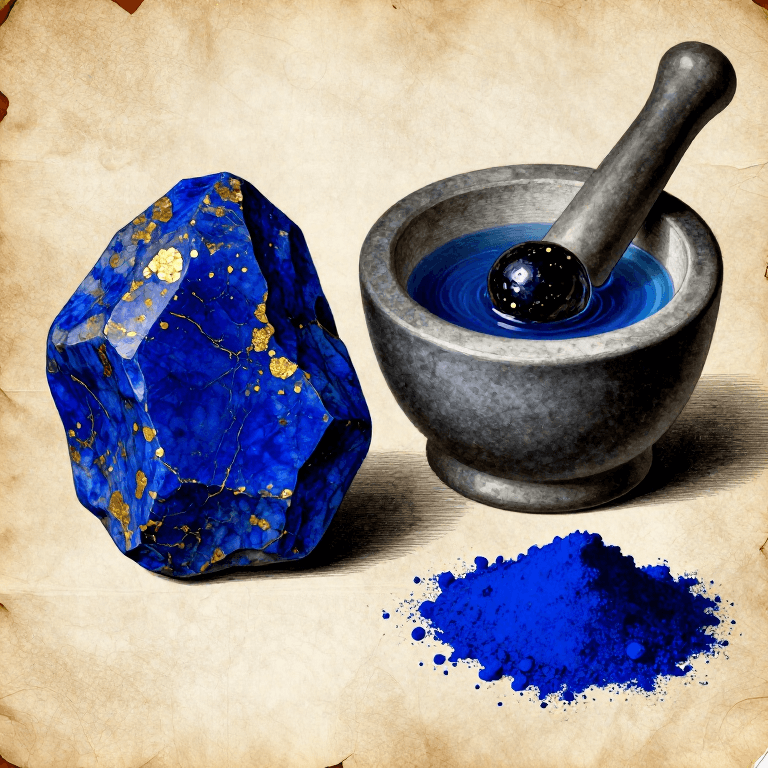
Making Ultramarine from Lapis Lazuli — Extracting the Most Precious Pigment in History
Charlie གྱིས
སྒྱུ་རྩལ
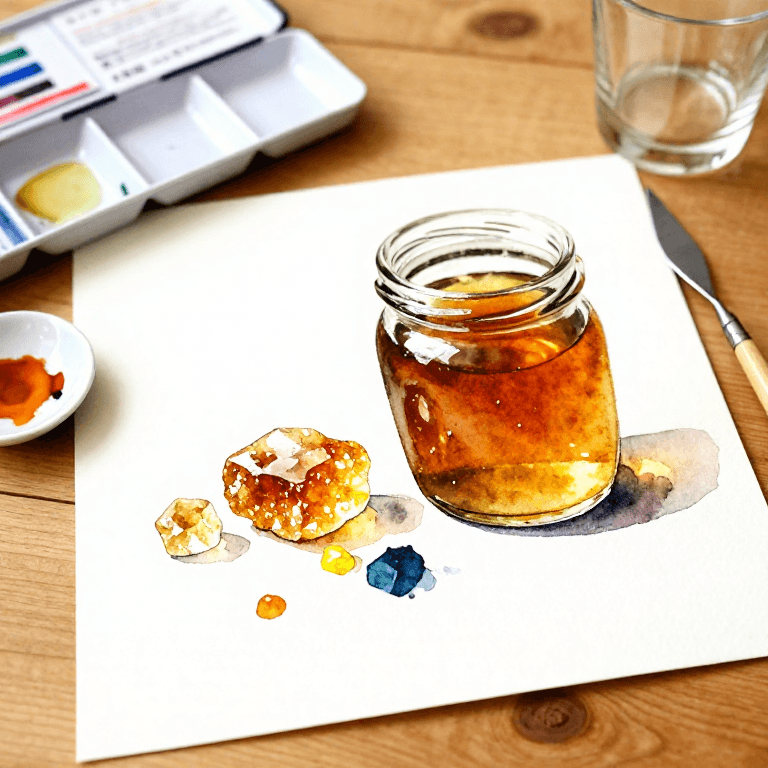
Making Watercolour Paint from Raw Pigments — Gum Arabic Binder
Charlie གྱིས
སྒྱུ་རྩལ
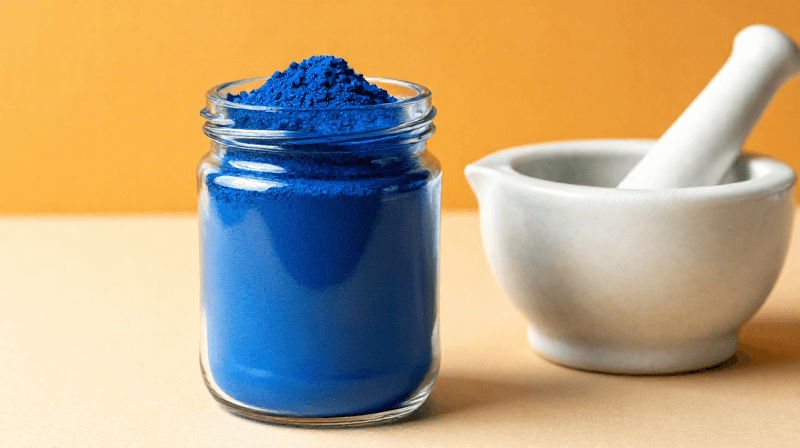
Making Phthalocyanine Blue — The Copper Complex That Became the World's Most Used Blue Pigment
Charlie གྱིས
སྒྱུ་རྩལ
བིལུ་པིརིན་ཊི་འདི་གིས་བཟོ་མི

འབྲེལ་ཡོད་བིལུ་པིརིན་ཊི
བིལུ་པིརིན་ཊི་འདི་ཚུ་ཐབས་ལམ་དང་རྫས་རིགས། སྤྱི་ཆོས་བགོ་བཤའ་བྱེད
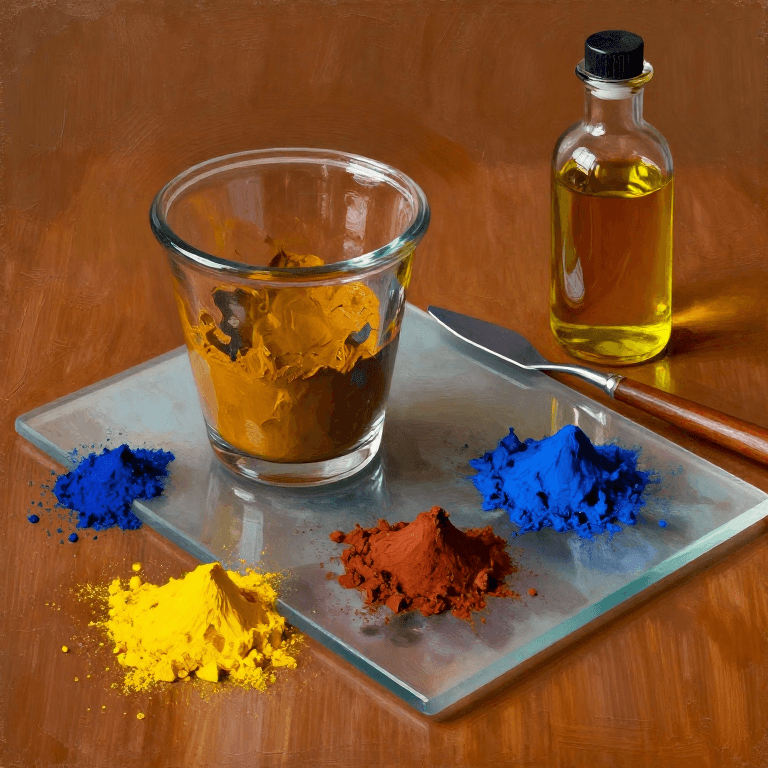
Making Oil Paint from Raw Pigments — Grinding Pigments in Linseed Oil
Charlie གྱིས
སྒྱུ་རྩལ
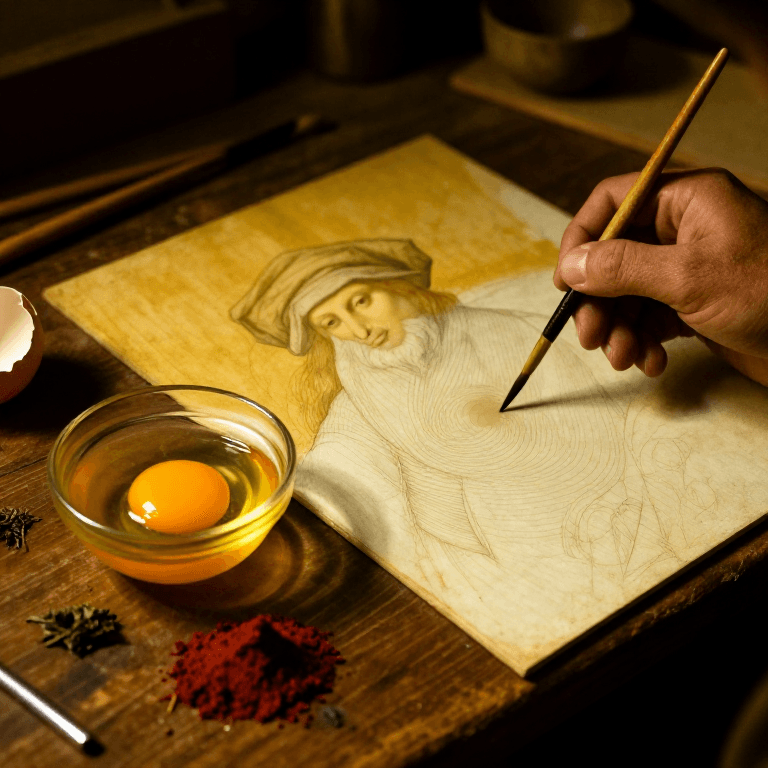
Making Egg Tempera Paint — The Medieval Panel Painting Medium
Charlie གྱིས
སྒྱུ་རྩལ
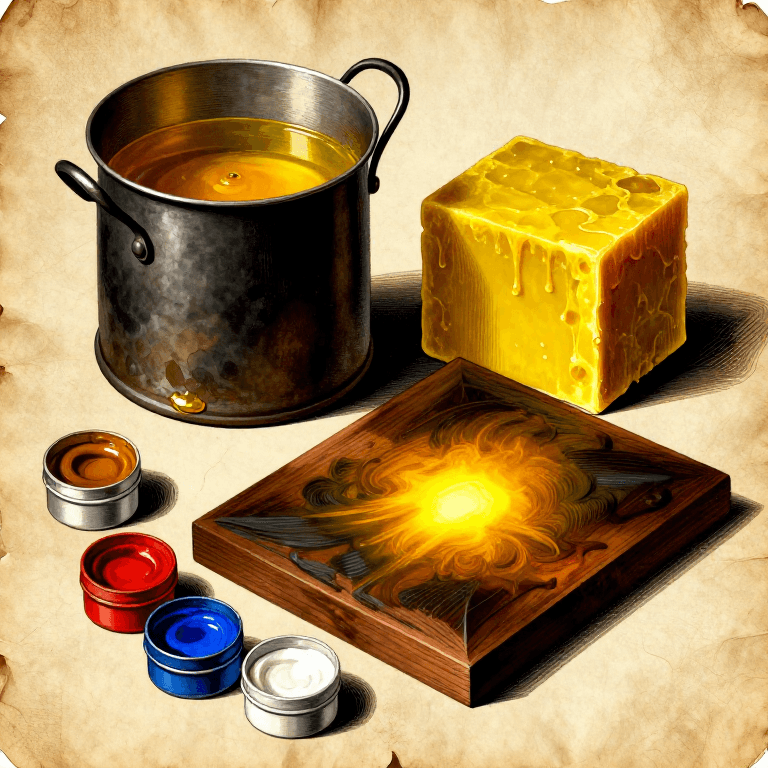
Making Encaustic Paint — The Hot Beeswax Medium of Ancient Greek and Egyptian Painters
Charlie གྱིས
སྒྱུ་རྩལ

Making Acrylic Paint — Grinding Pigments into Acrylic Polymer Medium
Charlie གྱིས
སྒྱུ་རྩལ
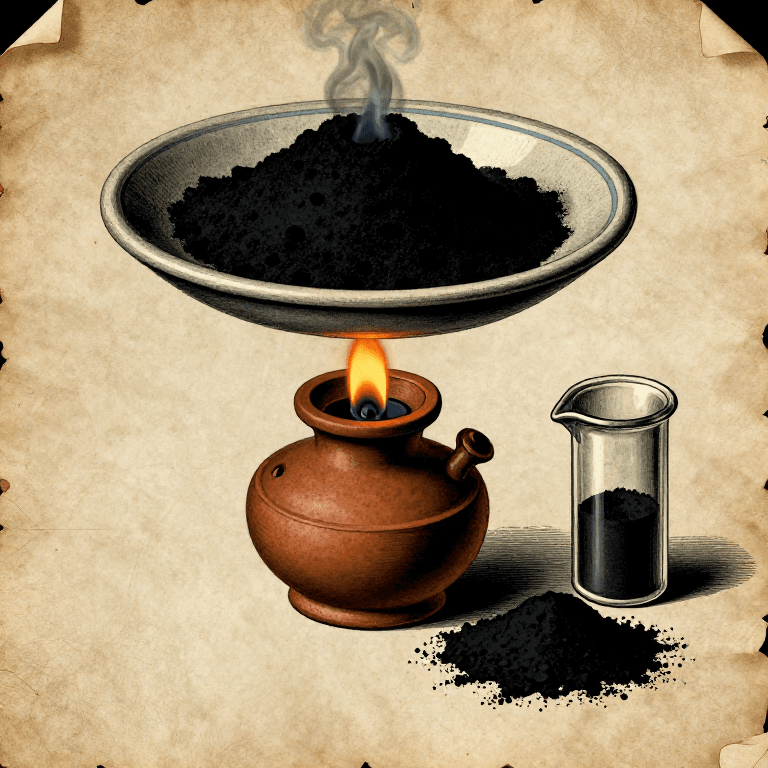
Making Lampblack Pigment — Collecting Carbon Soot from a Burning Flame
Charlie གྱིས
སྒྱུ་རྩལ
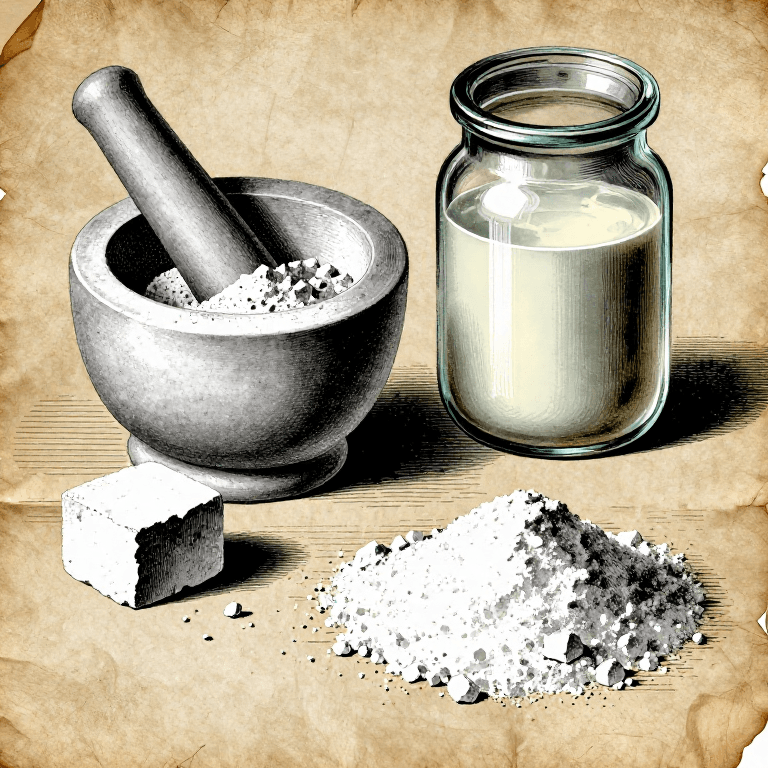
Making Chalk White Pigment (Whiting) — Grinding and Levigating Natural Chalk
Charlie གྱིས
སྒྱུ་རྩལ
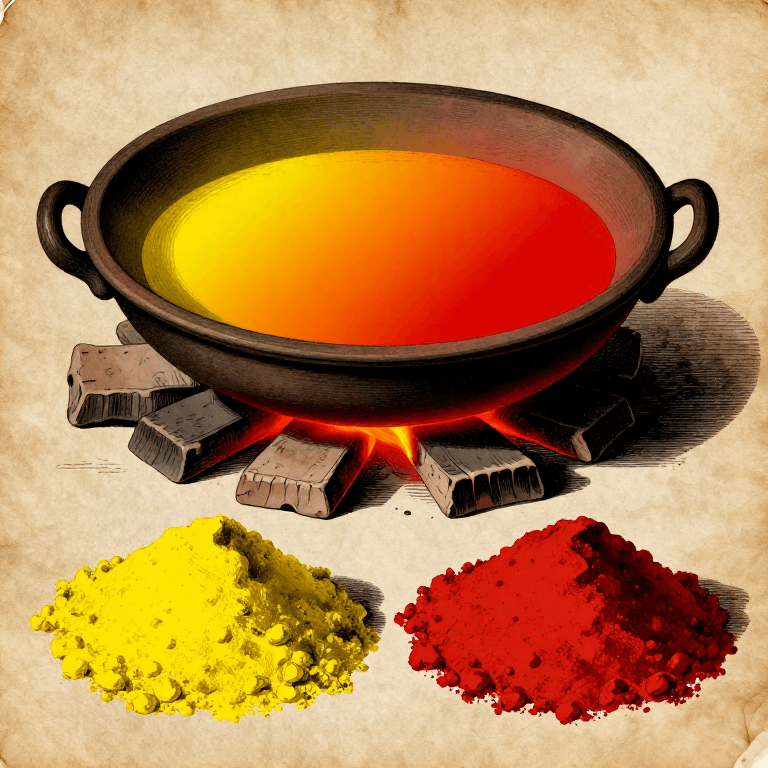
Making Red Ochre by Calcining Yellow Ochre — The Oldest Deliberate Pigment Transformation
Charlie གྱིས
སྒྱུ་རྩལ
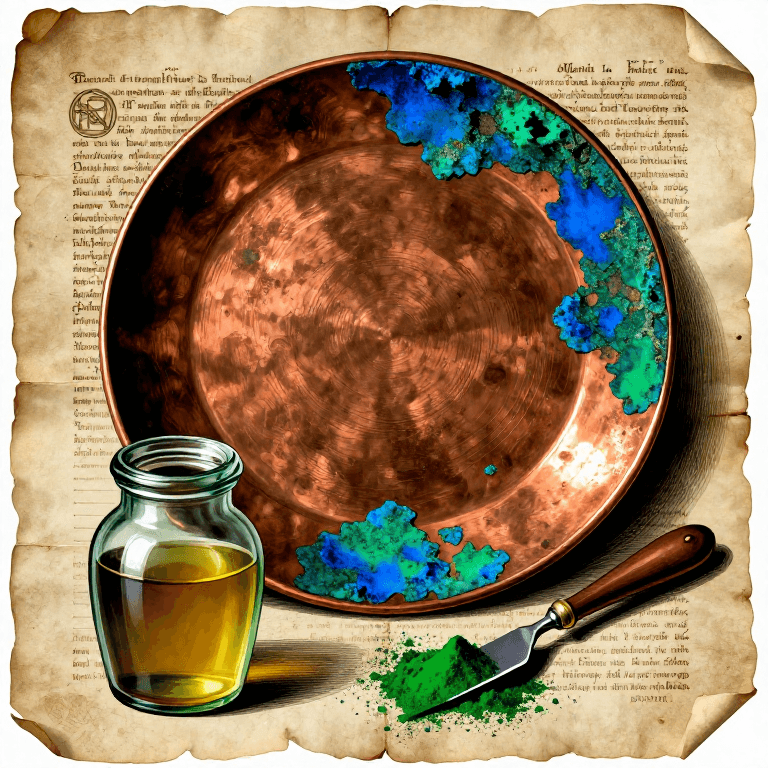
Making Verdigris — The Copper Acetate Green of Medieval Painters
Charlie གྱིས
སྒྱུ་རྩལ
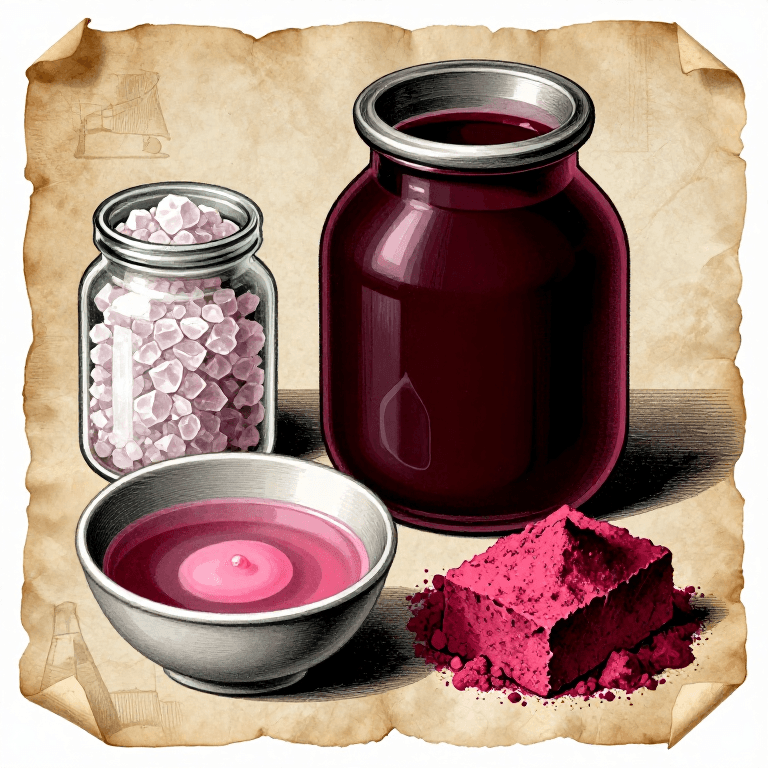
Making a Lake Pigment from Plant Dye — Precipitating Soluble Colour onto an Insoluble Substrate
Charlie གྱིས
སྒྱུ་རྩལ
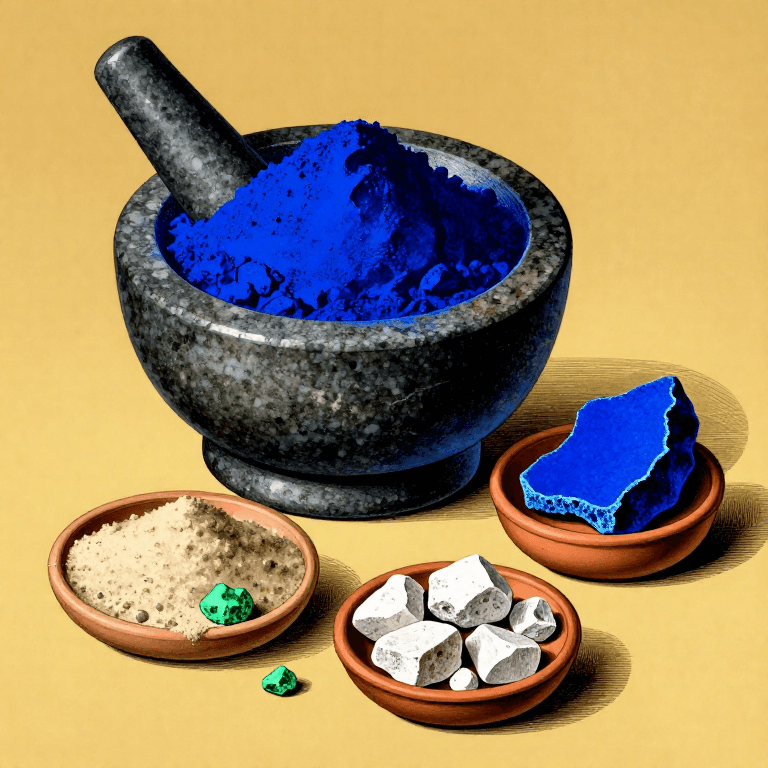
Egyptian Blue Pigment — Grinding Egyptian Blue from Copper Silicate
Charlie གྱིས
རྫས་རིག
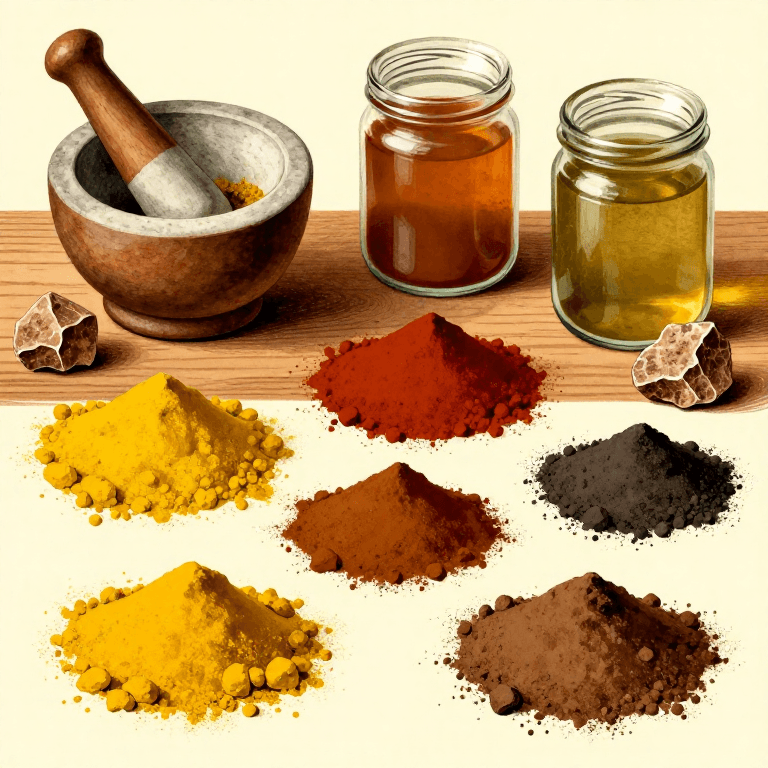
Making Natural Earth Pigments from Soil and Rocks — Collecting and Processing
Mary གྱིས
སྒྱུ་རྩལ
CC0 སྤྱི་དབང
བིལུ་པིརིན་ཊི་འདི་CC0 འོག་བཀྲམས་ཡོད། ཁྱེད་རང་གིས་ཆོག་མཆན་མ་བཞེས་པར་ཕབ་ལེན་དང་བཟོ་བཅོས། བགོ་བཤའ། དགོས་མཁོ་གང་ལའང་བཀོལ་སྤྱོད་བྱས་ཆོག
བཟོ་མཁན་ལ་རྒྱབ་སྐྱོར་བྱེད་པའི་ཆེད་ཁོང་ཚོའི་བིལུ་པིརིན་ཊི་བརྒྱུད་ཐོན་སྐྱེད་ཉོ། བཟོ་མཁན་གྱིས བཟོ་མཁན་གྱི་ཁེ་ཕོགས ཚོང་པས་གཏན་འཁེལ་བྱས་པ། ཡང་ན་བིལུ་པིརིན་ཊི་འདིའི་པར་གསར་བཟོས་ཏེ་ཁྱེད་རང་གི་བིལུ་པིརིན་ཊི་ནང་མཐུད་སྦྲེལ་བྱས་ཏེ་ཡོང་སྒོ་བགོ་བཤའ་བྱེད།