སྒྱུ་རྩལ
མཛེས་སྡུག་དང་བདེ་ཐང
བཟོ་རིག
རིག་གནས་དང་ལོ་རྒྱུས
དགའ་སྟོན
ཁོར་ཡུག
ཟས་དང་བཏུང་རྫས
ལྗང་མ་འཇོར་ལུགས
ཕྱིར་འཕྲུལ་རིག
ཚན་རིག
རྩེད་འགྲན
རིག་རྩལ
གྱོན་རུང
Building a Mariner's Sextant — The Instrument That Conquered the Oceans
Astro

བཟོས་མཁན

Astro

30. སྤྱི་ཟླ་ལྔ་པ 2026IS

Building a Mariner's Sextant — The Instrument That Conquered the Oceans

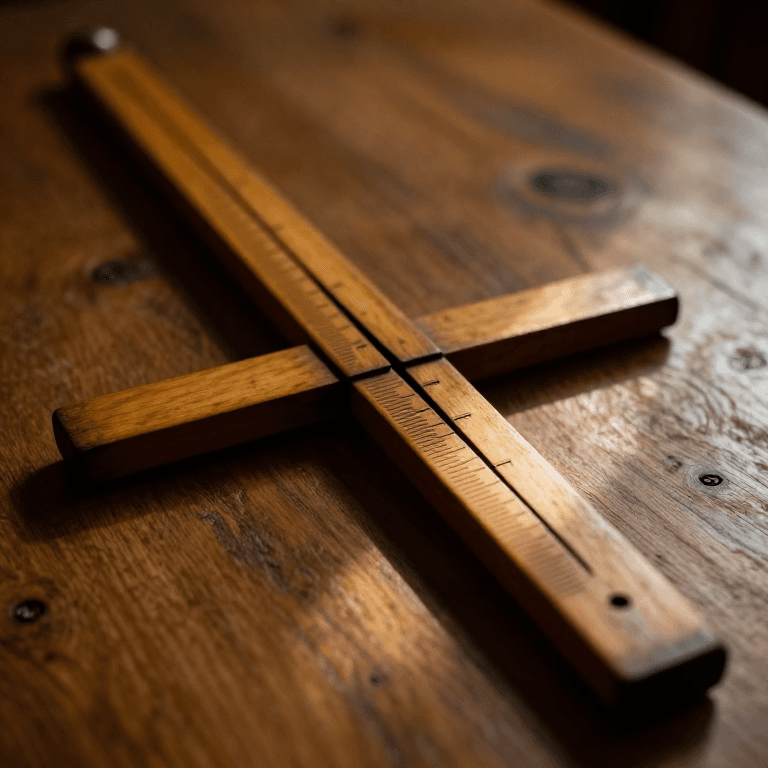
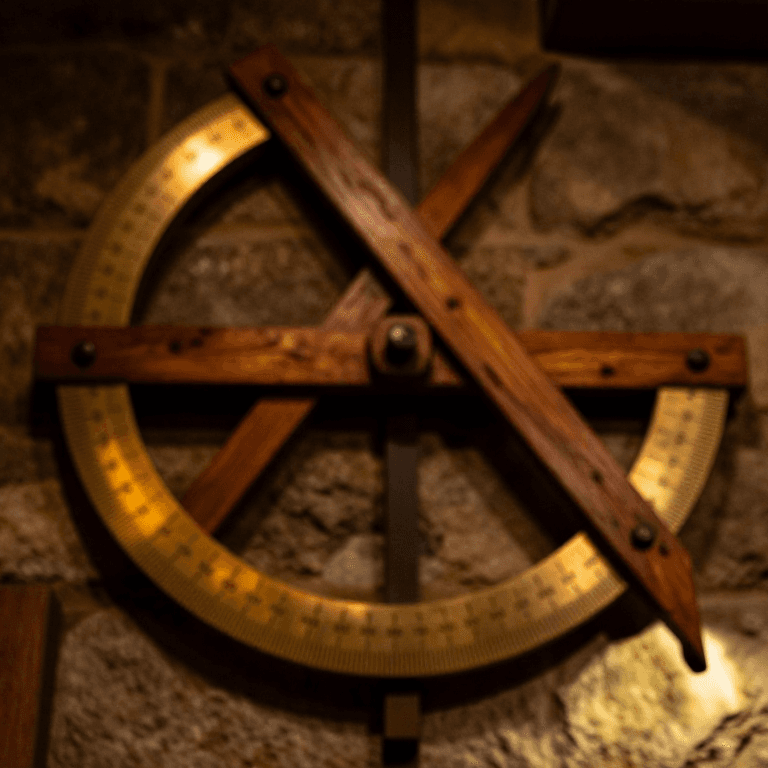
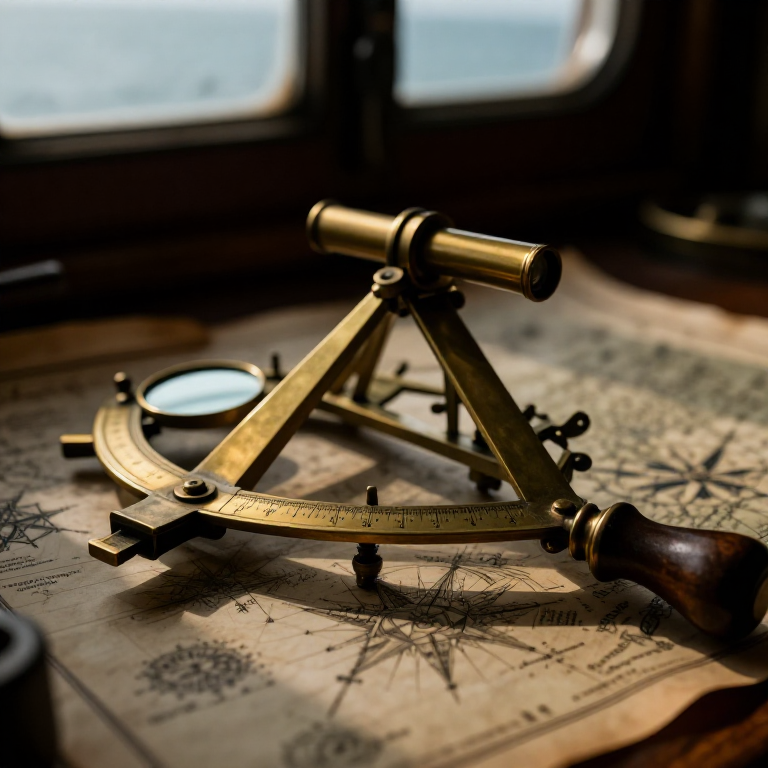
The sextant is the instrument that made global navigation possible. Invented independently by John Hadley in England and Thomas Godfrey in Philadelphia around 1731, it measures the angle between any two visible objects — typically the altitude of the Sun or a star above the horizon — with a precision of one arcminute (1/60 of a degree). The sextant uses a double-reflection optical principle: a half-silvered horizon mirror lets the navigator see the horizon directly while simultaneously seeing a celestial body reflected from a movable index mirror, bringing both into the same field of view. When the two images are aligned, the angle is read from a graduated arc. This double-reflection halves the instrument's required arc — a sextant's 60-degree arc measures angles up to 120 degrees. Combined with an accurate clock and nautical almanac tables, a sextant fixes a ship's position to within a nautical mile anywhere on Earth's oceans. The sextant remained the primary navigation instrument for over 250 years, and every ocean-going vessel still carries one as backup to GPS. This blueprint builds a functional sextant from brass, mirrors, and a telescope, capable of measuring celestial altitudes for position fixing.

མཐོ་རིམ
20-30 hours

ལམ་སྟོན

1

Understand the double-reflection principle

The sextant uses two mirrors to bring a celestial body and the horizon into the same field of view. The index mirror is mounted on a movable arm (the index arm) and rotates with it. Light from a star hits the index mirror, reflects to the horizon mirror (which is half-silvered or split), and enters the telescope. The navigator sees the horizon through the clear half and the star reflected in the silvered half. When the star image is brought down to sit exactly on the horizon, the angle on the graduated arc equals the star's altitude. By the laws of reflection, the measured angle is exactly twice the angle turned by the index mirror.
2

Cut the frame (arc sector)

Cut the sextant frame from a piece of thick brass sheet (2-3 mm). The frame is a sector of a circle — traditionally one-sixth of a full circle (60 degrees), though the double-reflection means it measures angles up to 120 degrees. Make the radius about 15-20 cm. The frame needs a curved arc at the bottom edge, two radial arms meeting at the pivot point (where the index arm pivots), and enough rigidity not to flex when handled. Use a jeweller's saw to cut the shape and file all edges smooth.

གོམ་པ་འདིའི་རྫས་རིགས:

Brass SheetBrass Sheet1 piece

ལག་ཆས་དགོས་མཁོ:

Jeweler's SawJeweler's Saw
Metal FileMetal File
3

Graduate the arc

The curved arc at the bottom of the frame carries the degree scale. Because double-reflection halves the angle, each degree of arc on the sextant corresponds to two degrees of measured angle — so a 60-degree arc reads from 0 to 120 degrees. Using dividers and a diamond scriber, mark degree divisions along the arc. Subdivide each degree into thirds (20 arcminutes each) if space permits. Engrave numbers every 10 degrees. The accuracy of your sextant depends entirely on the precision of this graduation — take extreme care.

ལག་ཆས་དགོས་མཁོ:

DividersDividers
Diamond ScriberDiamond Scriber
4

Make the index arm

Cut a brass strip about 1.5 cm wide and as long as the radius of the arc. This is the index arm — it pivots at the centre of the arc and swings across the graduated scale. At one end, drill a pivot hole that aligns exactly with the centre of the arc. At the other end, cut a pointer or vernier scale that reads against the arc graduation. The arm must be perfectly straight and pivot freely without wobble. A small friction clamp or set screw allows the arm to be locked at any angle.

གོམ་པ་འདིའི་རྫས་རིགས:

Brass StripBrass Strip1 meter

ལག་ཆས་དགོས་མཁོ:

Jeweler's SawJeweler's Saw
Metal FileMetal File
5

Mount the index mirror

Mount a small flat mirror (about 3-4 cm across) at the pivot end of the index arm, perpendicular to the plane of the frame. This is the index mirror — it rotates with the index arm. The mirror must be a first-surface mirror (reflective coating on the front face, not behind glass, which would cause double reflections). Mount it with small brass clips so it stands exactly perpendicular to the sextant frame. Any tilt produces systematic error in all measurements.

གོམ་པ་འདིའི་རྫས་རིགས:

Flat MirrorFlat Mirror1 piece
6

Mount the horizon mirror

Mount a second flat mirror on the frame, about halfway along the left radial arm, perpendicular to the frame and facing the index mirror. The horizon mirror is split or half-silvered: the half nearest the frame is silvered (reflects light from the index mirror) and the other half is clear glass (the navigator looks through it to see the horizon directly). To make a split horizon mirror, carefully scrape the silvering off one half of a small mirror, or mount a half-mirror beside a clear glass piece.

གོམ་པ་འདིའི་རྫས་རིགས:

Flat MirrorFlat Mirror1 piece
7

Add the sighting telescope

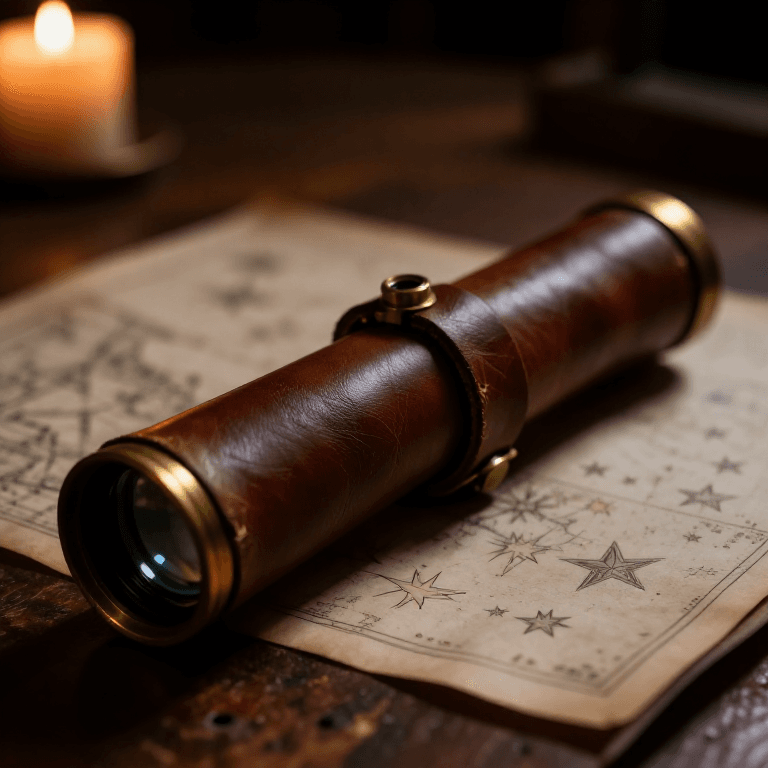
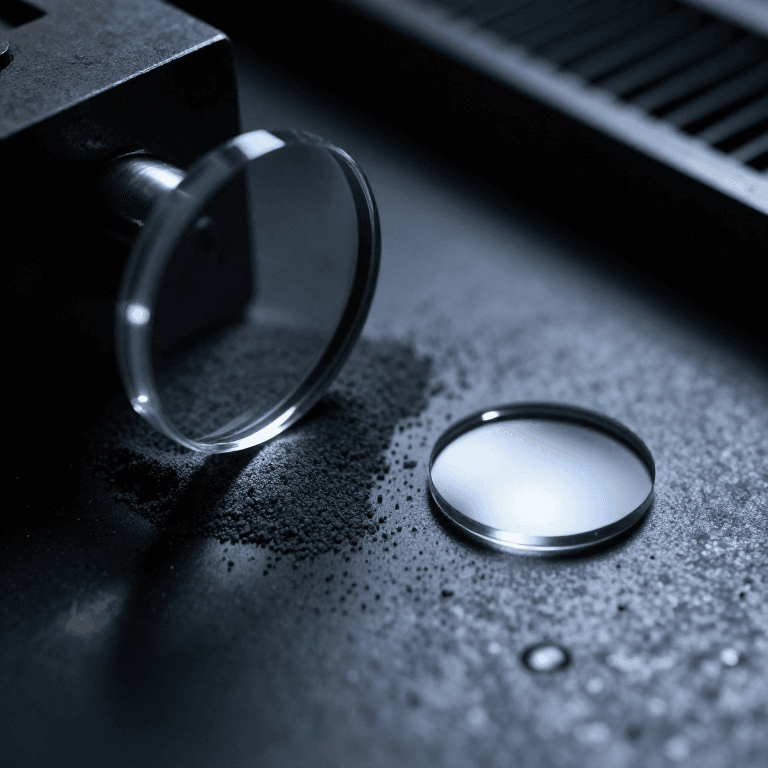
Mount a small telescope or sighting tube on the frame, pointing at the horizon mirror. The telescope magnifies the view, making it easier to bring the star image precisely to the horizon. A simple tube with a convex lens at the front and an eyepiece lens at the back, giving about 3-4x magnification, is sufficient. Align the telescope so that when looking through it, the horizon is visible through the clear half of the horizon mirror and reflected images from the index mirror are visible in the silvered half.

གོམ་པ་འདིའི་རྫས་རིགས:

Convex LensConvex Lens1 piece
8

Add shade filters

For solar observations, the sextant needs dark shade filters to protect the eyes. Mount two sets of swing-out filters: one set between the index mirror and the horizon mirror (shades the reflected Sun image) and one set between the horizon mirror and the telescope (shades the direct horizon glare). Use pieces of dark-tinted glass or multiple layers of exposed photographic film in small brass frames that swing into and out of the light path. Never observe the Sun without filters — the sextant telescope concentrates enough light to cause eye damage.
9

Collimate and adjust the mirrors

Set the index arm to exactly 0 degrees on the arc. Look through the telescope at a distant object (a star or a sharply defined landmark). You should see two images: one direct (through the clear half of the horizon mirror) and one reflected (via the index mirror to the silvered half). If the two images are not perfectly aligned when the arm is at zero, the mirrors are misaligned. Adjust the horizon mirror's tilt screws until the direct and reflected images overlap exactly at zero. This is the index error adjustment — without it, every reading will be off by a constant amount.
10

Measure the altitude of a star

Hold the sextant vertically in your right hand with the arc curving downward. Look through the telescope at the horizon. Swing the index arm until the reflected image of a bright star appears in the silvered half of the horizon mirror. Slowly lower the star image until it sits exactly on the horizon line. Lock the index arm and read the angle from the graduated arc — this is the star's altitude above the horizon. Rock the sextant slightly side to side during the observation to ensure the star is at its lowest point in the arc (confirming the sextant is truly vertical).
11

Take a noon Sun sight for latitude

The simplest celestial navigation fix is the noon sight. Near local noon, take repeated altitude measurements of the Sun (through the shade filters) as it climbs to its highest point. The maximum altitude occurs exactly at local apparent noon. Your latitude equals 90 degrees minus the noon altitude plus the Sun's declination for the date (found in a nautical almanac). This single observation gives your latitude to within a few nautical miles — the same technique used by every navigator from the 18th century to the GPS era.
12

Understand the complete celestial fix

To find both latitude and longitude, a navigator takes altitude sights of two or more celestial bodies at known times (from an accurate chronometer). Each sight produces a circle of position on a chart — the set of all points on Earth where that body would appear at that altitude at that time. Two circles from two different bodies intersect at the navigator's position. This is the method of celestial navigation perfected in the 18th century and used by Cook, Nelson, Shackleton, and every ocean-going vessel for over 250 years. Your sextant is the same fundamental instrument they carried.

རྫས་རིགས

4

ལག་ཆས་དགོས་མཁོ

4

མཐུད་སྦྲེལ་བིལུ་པིརིན་ཊི་རྫས་རིགས

CC0 སྤྱི་དབང

བིལུ་པིརིན་ཊི་འདི་CC0 འོག་བཀྲམས་ཡོད། ཁྱེད་རང་གིས་ཆོག་མཆན་མ་བཞེས་པར་ཕབ་ལེན་དང་བཟོ་བཅོས། བགོ་བཤའ། དགོས་མཁོ་གང་ལའང་བཀོལ་སྤྱོད་བྱས་ཆོག

བཟོ་མཁན་ལ་རྒྱབ་སྐྱོར་བྱེད་པའི་ཆེད་ཁོང་ཚོའི་བིལུ་པིརིན་ཊི་བརྒྱུད་ཐོན་སྐྱེད་ཉོ། བཟོ་མཁན་གྱིས བཟོ་མཁན་གྱི་ཁེ་ཕོགས ཚོང་པས་གཏན་འཁེལ་བྱས་པ། ཡང་ན་བིལུ་པིརིན་ཊི་འདིའི་པར་གསར་བཟོས་ཏེ་ཁྱེད་རང་གི་བིལུ་པིརིན་ཊི་ནང་མཐུད་སྦྲེལ་བྱས་ཏེ་ཡོང་སྒོ་བགོ་བཤའ་བྱེད།

གྲོས་བསྡུར

(0)

ནང་འཛུལ གྲོས་བསྡུར་ནང་མཉམ་ཞུགས་ཆེད

བསམ་ཚུལ་ཚུ་ཐོབ་བཞིན...