སྒྱུ་རྩལ
མཛེས་སྡུག་དང་བདེ་ཐང
བཟོ་རིག
རིག་གནས་དང་ལོ་རྒྱུས
དགའ་སྟོན
ཁོར་ཡུག
ཟས་དང་བཏུང་རྫས
ཕྱིར་འཕྲུལ་རིག
ཚན་རིག
རྩེད་འགྲན
རིག་རྩལ
གྱོན་རུང
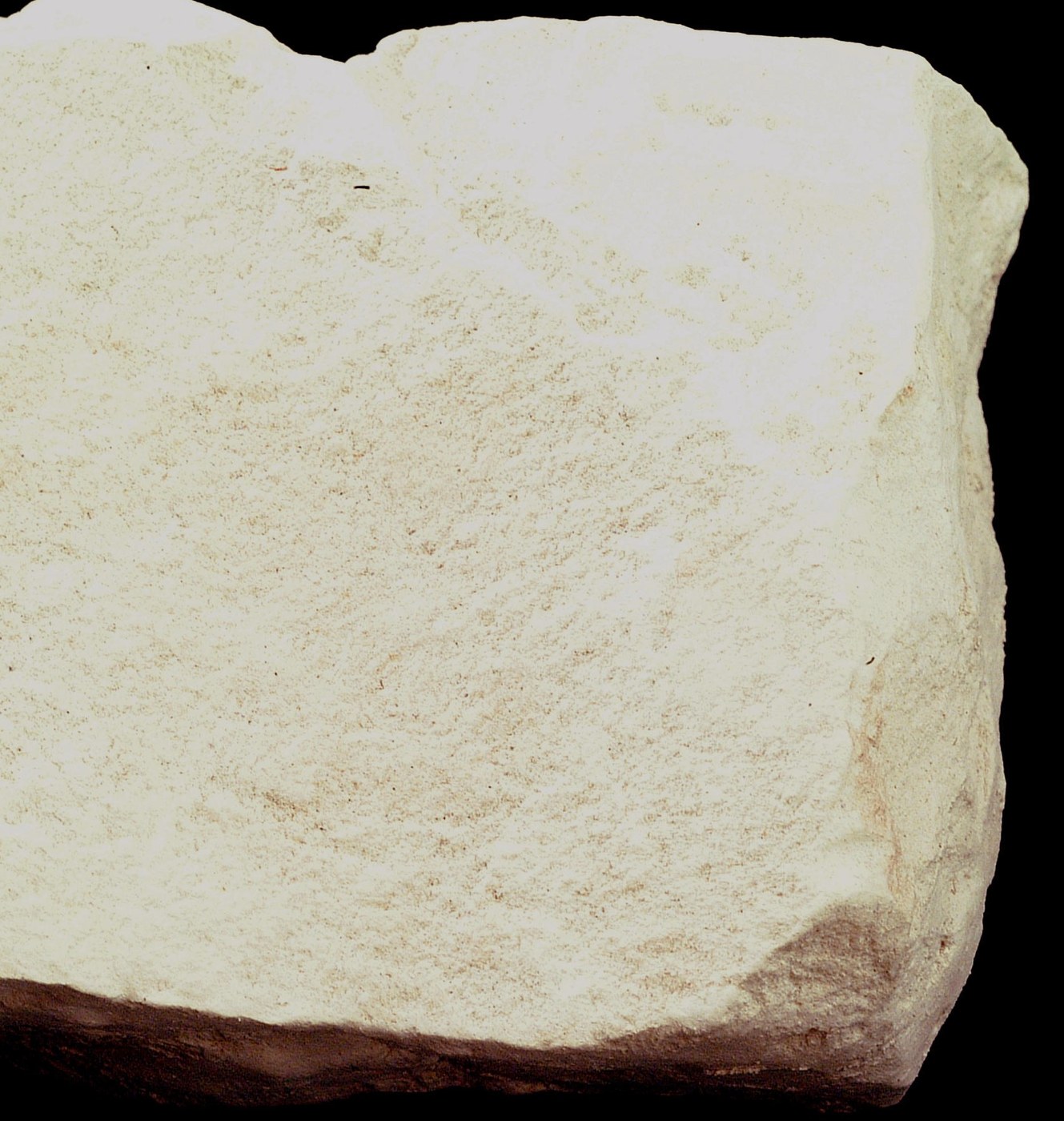


Marking Chalk Sawn from Natural Chalk
Natural chalk is a soft, white, nearly pure calcite rock. It marks because it crumbles and leaves loose particles on rough surfaces, which wipe away again. Saw a clean lump into square sticks, round the ends and let them dry.
The picture: a block of chalk from the White Cliffs of Dover.
འགོ་བཙུགས
An afternoon, then drying
ལམ་སྟོན
1
1
Pick and square a lump
Pick and square a lump
Choose white chalk without hard nodules or grit, which would scratch. Saw the lump square on a bench hook.
གོམ་པ་འདིའི་རྫས་རིགས:
 རང་བཞིན་གྱི་ས་ཀར། (རགས་པའི་རྡོག་མ)1 kg
ལག་ཆས་དགོས་མཁོ:
 ལག་གི་སོག་ལེ་ཆུང་ཀུ
 སོག་ལེའི་འགོག་ཤིང་།
 ཐལ་བའི་ཁ་རས།
2
2
Saw the sticks
Saw the sticks
Saw the block into slabs, then the slabs into sticks about 12 mm square and 80 mm long (our size). Chalk is soft; let the saw do the work.
ལག་ཆས་དགོས་མཁོ:
ལག་གི་སོག་ལེ་ཆུང་ཀུསོག་ལེའི་འགོག་ཤིང་།ཐལ་བའི་ཁ་རས།3
3
Shape the ends
Shape the ends
Round or point one end of each stick with a rasp or knife, for a fine line.
ལག་ཆས་དགོས་མཁོ:
 ལྕགས་ཀྱི་སོ་རྩུབ།
 གྲི།
གྲི།4
4
Dry
Dry
Quarried chalk holds water. Leave the sticks on a rack in a dry, airy place until they no longer feel cool and damp (our check).
ལག་ཆས་དགོས་མཁོ:
 སྐམ་སའི་སྟེགས་བུ།
5
5
Sticks from a lump
Sticks from a lump
Jupyter ཚང་དེབ་མངོན་གསལ་འབད་དོ་…
རྫས་རིགས
1- ས་ཆ་འཛིན
ལག་ཆས་དགོས་མཁོ
6- ས་ཆ་འཛིན
- ས་ཆ་འཛིན
- ས་ཆ་འཛིན
- ས་ཆ་འཛིན
- ས་ཆ་འཛིན
- ས་ཆ་འཛིན
བིལུ་པིརིན་ཊི་འདི་གིས་བཟོ་མི

འབྲེལ་ཡོད་བིལུ་པིརིན་ཊི
བིལུ་པིརིན་ཊི་འདི་ཚུ་ཐབས་ལམ་དང་རྫས་རིགས། སྤྱི་ཆོས་བགོ་བཤའ་བྱེད

CC0 སྤྱི་དབང
བིལུ་པིརིན་ཊི་འདི་CC0 འོག་བཀྲམས་ཡོད། ཁྱེད་རང་གིས་ཆོག་མཆན་མ་བཞེས་པར་ཕབ་ལེན་དང་བཟོ་བཅོས། བགོ་བཤའ། དགོས་མཁོ་གང་ལའང་བཀོལ་སྤྱོད་བྱས་ཆོག
བཟོ་མཁན་ལ་རྒྱབ་སྐྱོར་བྱེད་པའི་ཆེད་ཁོང་ཚོའི་བིལུ་པིརིན་ཊི་བརྒྱུད་ཐོན་སྐྱེད་ཉོ། བཟོ་མཁན་གྱིས བཟོ་མཁན་གྱི་ཁེ་ཕོགས ཚོང་པས་གཏན་འཁེལ་བྱས་པ། ཡང་ན་བིལུ་པིརིན་ཊི་འདིའི་པར་གསར་བཟོས་ཏེ་ཁྱེད་རང་གི་བིལུ་པིརིན་ཊི་ནང་མཐུད་སྦྲེལ་བྱས་ཏེ་ཡོང་སྒོ་བགོ་བཤའ་བྱེད།