སྒྱུ་རྩལ
མཛེས་སྡུག་དང་བདེ་ཐང
བཟོ་རིག
རིག་གནས་དང་ལོ་རྒྱུས
དགའ་སྟོན
ཁོར་ཡུག
ཟས་དང་བཏུང་རྫས
ཕྱིར་འཕྲུལ་རིག
ཚན་རིག
རྩེད་འགྲན
རིག་རྩལ
གྱོན་རུང
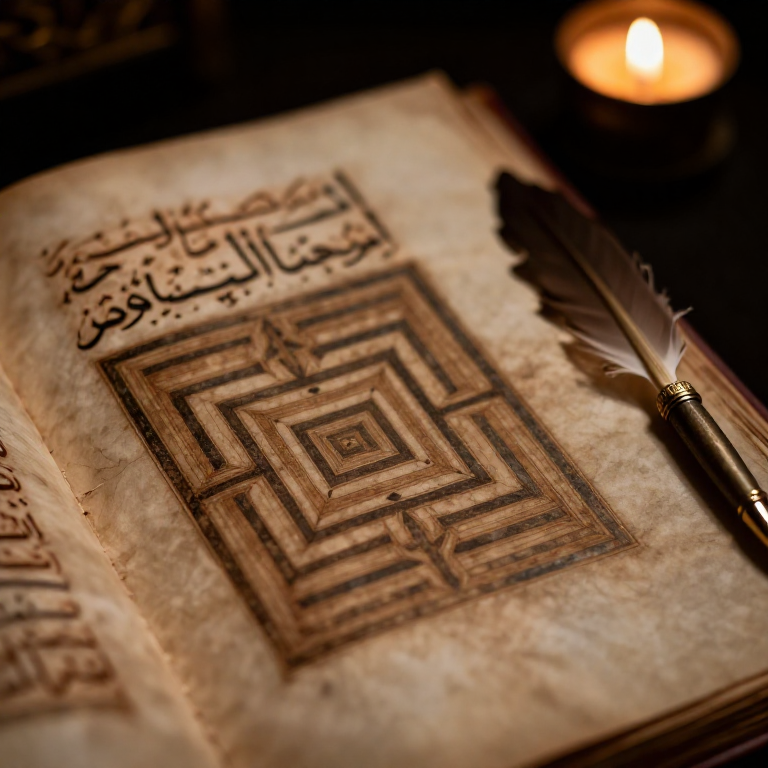


Al-Khwarizmi's Algebra — Complete the Square with Paper Tiles
A hands-on maths project: cut a square and rectangles of card and physically rearrange them to 'complete the square' -- the method that gave algebra its name in Baghdad around 820 AD. A Python cell solves the quadratic, and a compendium follows the words 'algebra' and 'algorithm' to their source.
འགོ་བཙུགས
30 minutes
ལམ་སྟོན
1
1
The book that named algebra
The book that named algebra
Around 820 AD, in Baghdad, al-Khwarizmi wrote a book on solving equations by 'al-jabr' -- restoring. From that word we get ALGEBRA, and from the Latin form of his name, ALGORITHM. His method has a beautiful picture you can cut out.
2
2
Cut algebra tiles
Cut algebra tiles
To solve x-squared plus 10x equals 39, cut a square of unknown side x (call it a biggish square), and two long strips each 5 wide (together they are the 10x). Arrange the square with a strip along two of its sides -- the shape is almost a bigger square, but missing a corner.
གོམ་པ་འདིའི་རྫས་རིགས:
 ཚོན་སྣ་ཚོགས་ཀྱི་ཤོག་སྦོམ་ཐུམ་སྒྲིལ།1 དུམ་བུ།
ལག་ཆས་དགོས་མཁོ:
 ཇེམ་ཙི།
 ཐིག་ཤིང་།
3
3
Complete the square
Complete the square
The missing corner is a 5 by 5 square -- 25. Cut it and add it in: now you have a perfect big square whose area is the original 39 plus the added 25, which is 64. A square of area 64 has side 8. But that side is x + 5, so x + 5 = 8 and x = 3. You solved a quadratic by rearranging paper.
4
4
Check it
Check it
Jupyter ཚང་དེབ་མངོན་གསལ་འབད་དོ་…
ལག་ཆས་དགོས་མཁོ:
 ཅོག་ཙེའི་གློག་རིག
 རྩིས་འཕྲུལ།
5
5
Compendium: the idea that runs the world
Compendium: the idea that runs the world
What your tiles teach. (1) 'Completing the square' works for EVERY quadratic: add the square of half the x-coefficient to make a perfect square, then take a square root. (2) Doing those steps once in general gives the quadratic formula every student learns. (3) Al-Khwarizmi's leap -- treating an unknown as a symbol you manipulate by fixed rules -- is the foundation of all later mathematics, science and engineering. (4) His name lives on twice: in 'algebra', the language of the unknown, and in 'algorithm', the step-by-step recipe at the heart of every computer program.
རྫས་རིགས
2- 1 དུམ་བུ།ས་ཆ་འཛིན
- 1 ལེབ་གཟུགས།ས་ཆ་འཛིན
ལག་ཆས་དགོས་མཁོ
5- ས་ཆ་འཛིན
- ས་ཆ་འཛིན
- ས་ཆ་འཛིན
- ས་ཆ་འཛིན
- ས་ཆ་འཛིན
འབྲེལ་ཡོད་བིལུ་པིརིན་ཊི
བིལུ་པིརིན་ཊི་འདི་ཚུ་ཐབས་ལམ་དང་རྫས་རིགས། སྤྱི་ཆོས་བགོ་བཤའ་བྱེད
CC0 སྤྱི་དབང
བིལུ་པིརིན་ཊི་འདི་CC0 འོག་བཀྲམས་ཡོད། ཁྱེད་རང་གིས་ཆོག་མཆན་མ་བཞེས་པར་ཕབ་ལེན་དང་བཟོ་བཅོས། བགོ་བཤའ། དགོས་མཁོ་གང་ལའང་བཀོལ་སྤྱོད་བྱས་ཆོག
བཟོ་མཁན་ལ་རྒྱབ་སྐྱོར་བྱེད་པའི་ཆེད་ཁོང་ཚོའི་བིལུ་པིརིན་ཊི་བརྒྱུད་ཐོན་སྐྱེད་ཉོ། བཟོ་མཁན་གྱིས བཟོ་མཁན་གྱི་ཁེ་ཕོགས ཚོང་པས་གཏན་འཁེལ་བྱས་པ། ཡང་ན་བིལུ་པིརིན་ཊི་འདིའི་པར་གསར་བཟོས་ཏེ་ཁྱེད་རང་གི་བིལུ་པིརིན་ཊི་ནང་མཐུད་སྦྲེལ་བྱས་ཏེ་ཡོང་སྒོ་བགོ་བཤའ་བྱེད།