སྒྱུ་རྩལ
མཛེས་སྡུག་དང་བདེ་ཐང
བཟོ་རིག
རིག་གནས་དང་ལོ་རྒྱུས
དགའ་སྟོན
ཁོར་ཡུག
ཟས་དང་བཏུང་རྫས
ཕྱིར་འཕྲུལ་རིག
ཚན་རིག
རྩེད་འགྲན
རིག་རྩལ
གྱོན་རུང

Eye, Ear and Tooth Remedies of the Missouri River Tribes: Rose-hip and Skeleton Weed Washes, Licorice and Yarrow for Earache, Licorice, Calamus and Echinacea for Toothache (Gilmore, 1919)
Eye, ear and tooth remedies Melvin Gilmore recorded on the Missouri: a steeped rose-hip eye wash (Omaha) and skeleton weed stems for sore eyes (Omaha, Ponca); steeped licorice leaves (Teton Dakota) and a wad of yarrow (Winnebago) for earache; and licorice root, calamus or a piece of echinacea held on an aching tooth. Recorded use, not medical advice.
འགོ་བཙུགས
An hour
ལམ་སྟོན
1
1
Read Gilmore
Read Gilmore
Eye, ear and tooth remedies from Gilmore's list of plants, credited to the tribes he names. Recorded use, not medical advice: eye pain, a discharging ear or a swollen jaw need a doctor or dentist (ours).
2
2
Eye washes
Eye washes
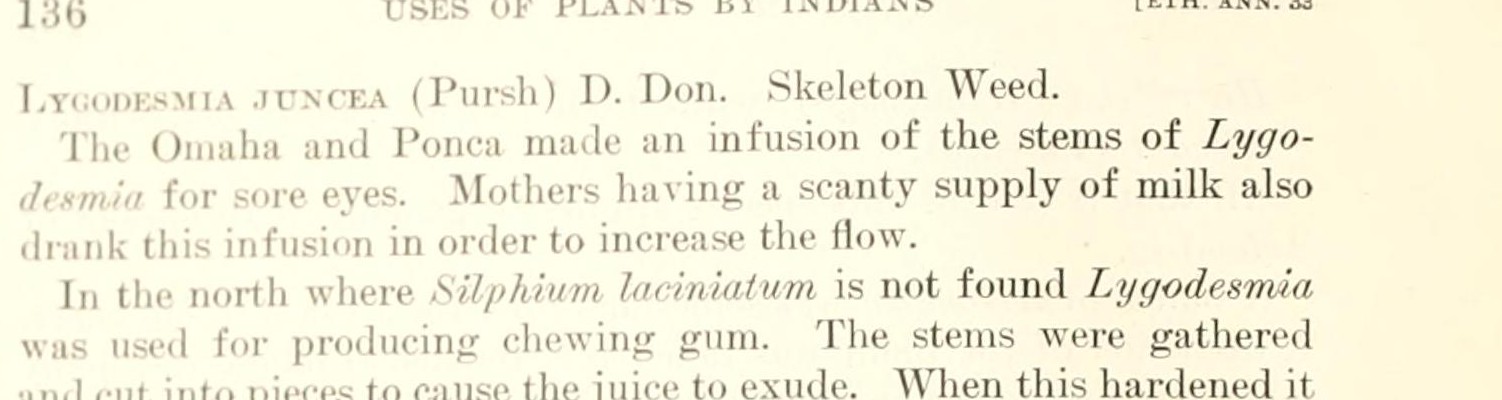
Omaha: steep wild rose fruits for "a wash for inflammation of the eyes". Omaha and Ponca: an infusion of skeleton weed stems "for sore eyes." Ours: strain through clean cloth and use cooled.
གོམ་པ་འདིའི་རྫས་རིགས:
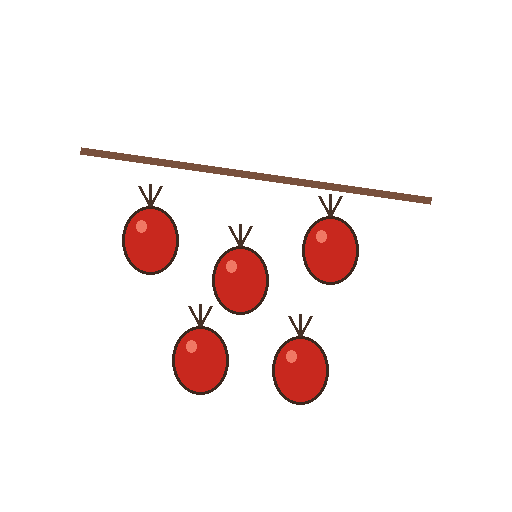 Wild Rose Fruits1 དུམ་བུ།
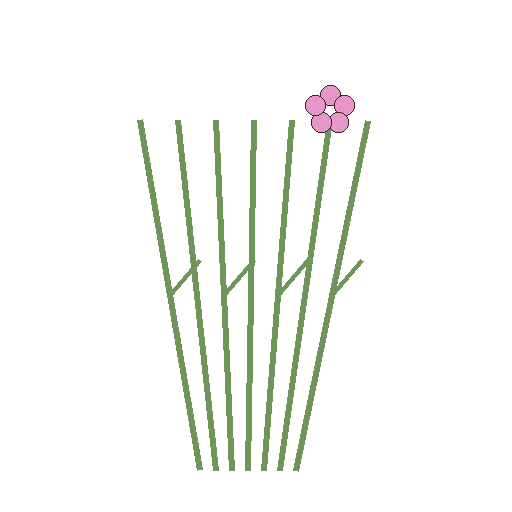 Skeleton Weed Stems1 དུམ་བུ།
 ཆུ།1 དུམ་བུ།
ལག་ཆས་དགོས་མཁོ:
 གྲི།
 ས་སྣོད།
 མེའི་དོང་།
 ཆུར་བའི་རས།
3
3
Earache
Earache
Teton Dakota: "The leaves after being steeped are applied to the ears for earache" (wild licorice). Winnebago: "a wad of the leaves, also the infusion, was put into the ear" (yarrow).
གོམ་པ་འདིའི་རྫས་རིགས:
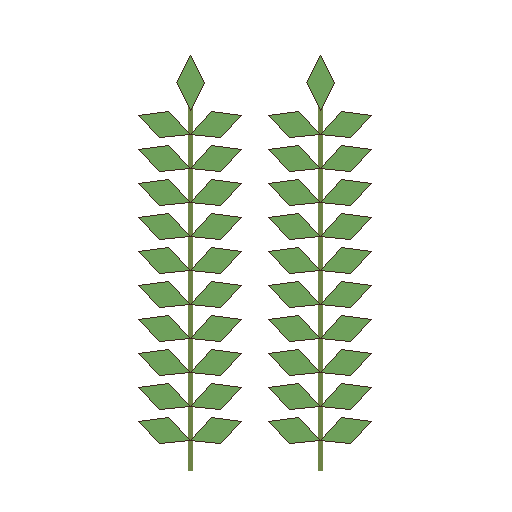 Wild Licorice Leaves1 དུམ་བུ།
 ཡ་རོ། (Achillea millefolium)1 དུམ་བུ།ཆུ།1 དུམ་བུ།
ལག་ཆས་དགོས་མཁོ:
ས་སྣོད།མེའི་དོང་།4
4
Toothache
Toothache
Teton Dakota: chew wild licorice root and hold it in the mouth; "It tastes strong at first, but after a while it becomes sweet." Calamus rootstock was chewed for toothache; a piece of echinacea was "kept on the painful tooth until there was relief".
གོམ་པ་འདིའི་རྫས་རིགས:
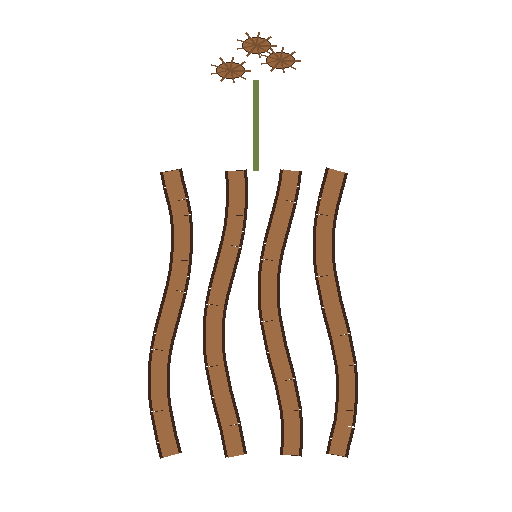 Wild Licorice Root1 དུམ་བུ།
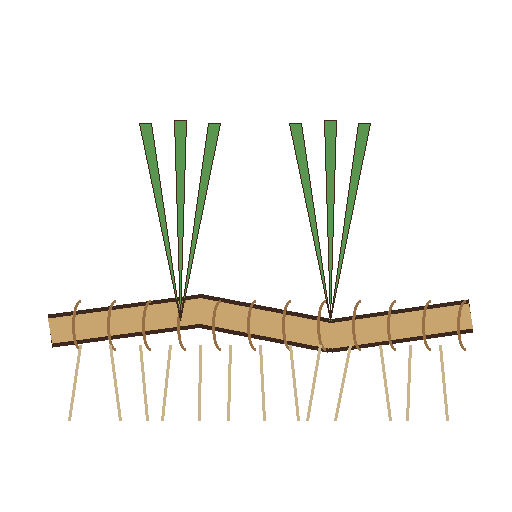 Calamus Rootstock1 དུམ་བུ།
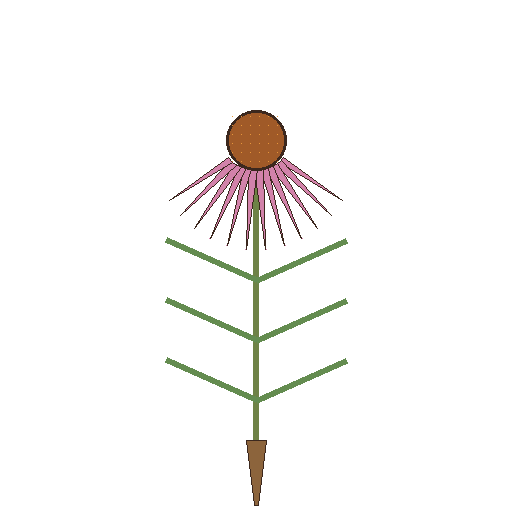 Narrow-leaved Purple Coneflower Plant1 དུམ་བུ།
ལག་ཆས་དགོས་མཁོ:
 བརྐོ་ཤིང།གྲི།
5
5
Sore mouth in babies
Sore mouth in babies
Pawnee: dry four-o'clock root, grind it fine and put it on dry. Ours: nothing in a baby's mouth without a doctor.
གོམ་པ་འདིའི་རྫས་རིགས:
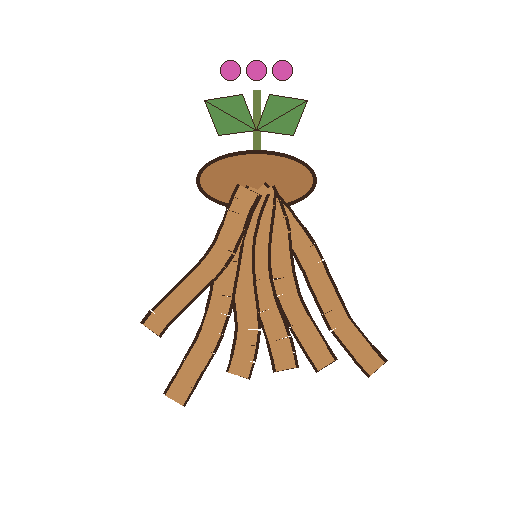 Umbrella-Plant Root1 དུམ་བུ།
ལག་ཆས་དགོས་མཁོ:
བརྐོ་ཤིང། རྡོའི་གཏུན་ཁུང་དང་གཏུན་ཤིང་།
6
6
Troubleshooting
Troubleshooting
Safety.
Flow
Loading...
7
7
History and honest limits
History and honest limits
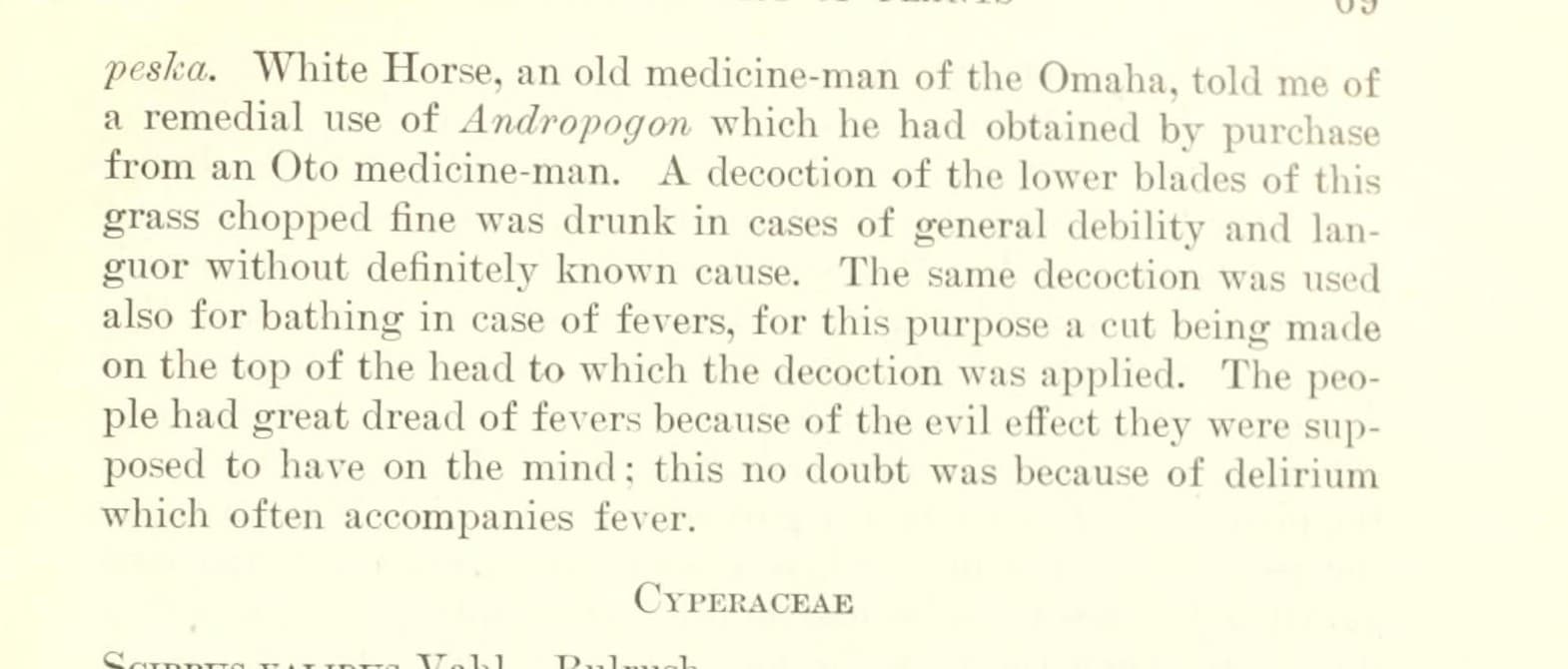
From Melvin R. Gilmore, *Uses of Plants by the Indians of the Missouri River Region*, **33rd Annual Report of the Bureau of American Ethnology** (1919), pp. 70, 72, 78, 85, 92, 116, 131, 134 and 136 (checked on the archive.org scan usesofplantsbyin00gilm). Gilmore wrote down what Omaha, Ponca, Pawnee, Dakota, Winnebago and Oto people told him; each remedy is credited to the tribe he names. Echinacea's Omaha-Ponca name means eye-wash plant, but Gilmore gives no preparation. Left out: blue flag rootstock dropped in the ear or eye-water, and a coral berry leaf eye lotion (both plants are poisonous). Safety lines are ours. Recorded use, not medical advice.
རྫས་རིགས
9- 1 དུམ་བུ།ས་ཆ་འཛིན
- 1 དུམ་བུ།ས་ཆ་འཛིན
- 2 དུམ་བུ།ས་ཆ་འཛིན
- 1 དུམ་བུ།ས་ཆ་འཛིན
- 1 དུམ་བུ།ས་ཆ་འཛིན
- 1 དུམ་བུ།ས་ཆ་འཛིན
- 1 དུམ་བུ།ས་ཆ་འཛིན
- ས་ཆ་འཛིན
- 1 དུམ་བུ།ས་ཆ་འཛིན
བིལུ་པིརིན་ཊི་འདི་གིས་བཟོ་མི
འབྲེལ་ཡོད་བིལུ་པིརིན་ཊི
བིལུ་པིརིན་ཊི་འདི་ཚུ་ཐབས་ལམ་དང་རྫས་རིགས། སྤྱི་ཆོས་བགོ་བཤའ་བྱེད

Chippewa Remedies for Sore Eyes, Sties, Cataract and Sore Ears: Dogwood and Alder Washes, Chickweed, Rose and Raspberry Root, Squirrel-Tail, Aster (Densmore, 1928)
Bob གྱིས
རྩི་རིག
༡༠
༠
༠
༠
༠
༠
Fever Remedies of the Missouri River Tribes: Calamus, Hops, Wild Four-o'clock, Wild Licorice, Beardtongue and Herb Washes (Gilmore, 1919)
Bob གྱིས
རྩི་རིག
༡༣
༠
༠
༠
༠
༠
CC0 སྤྱི་དབང
བིལུ་པིརིན་ཊི་འདི་CC0 འོག་བཀྲམས་ཡོད། ཁྱེད་རང་གིས་ཆོག་མཆན་མ་བཞེས་པར་ཕབ་ལེན་དང་བཟོ་བཅོས། བགོ་བཤའ། དགོས་མཁོ་གང་ལའང་བཀོལ་སྤྱོད་བྱས་ཆོག
བཟོ་མཁན་ལ་རྒྱབ་སྐྱོར་བྱེད་པའི་ཆེད་ཁོང་ཚོའི་བིལུ་པིརིན་ཊི་བརྒྱུད་ཐོན་སྐྱེད་ཉོ། བཟོ་མཁན་གྱིས བཟོ་མཁན་གྱི་ཁེ་ཕོགས ཚོང་པས་གཏན་འཁེལ་བྱས་པ། ཡང་ན་བིལུ་པིརིན་ཊི་འདིའི་པར་གསར་བཟོས་ཏེ་ཁྱེད་རང་གི་བིལུ་པིརིན་ཊི་ནང་མཐུད་སྦྲེལ་བྱས་ཏེ་ཡོང་སྒོ་བགོ་བཤའ་བྱེད།