སྒྱུ་རྩལ
མཛེས་སྡུག་དང་བདེ་ཐང
བཟོ་རིག
རིག་གནས་དང་ལོ་རྒྱུས
དགའ་སྟོན
ཁོར་ཡུག
ཟས་དང་བཏུང་རྫས
ཕྱིར་འཕྲུལ་རིག
ཚན་རིག
རྩེད་འགྲན
རིག་རྩལ
གྱོན་རུང

Stomach Ache and Colic Remedies of the Missouri River Tribes: Calamus, Sweetened Wild Mint, Verbena, Wild Bergamot, Gumweed and a Rattle-pod Ointment (Gilmore, 1919)
Stomach and colic remedies Melvin Gilmore recorded on the Missouri: calamus and sugared wild mint (all the tribes), verbena leaves, wild bergamot, purple mallow root and gumweed for children (Teton Dakota), ground cherry root, and a Pawnee ointment of rattle-pod seed powder in buffalo fat rubbed on the belly. Recorded use, not medical advice.
འགོ་བཙུགས
An hour
ལམ་སྟོན
1
1
Read Gilmore
Read Gilmore
Stomach and colic remedies from Gilmore's list of plants, credited to the tribes he names. Recorded use, not medical advice: severe or lasting belly pain, or pain with vomiting or fever, needs a doctor (ours).
2
2
Calamus and wild mint
Calamus and wild mint
All the tribes used calamus as a carminative; "For colic an infusion of the pounded root stock was drunk." Wild mint was steeped "in water for the patient to drink and sweetened with sugar."
གོམ་པ་འདིའི་རྫས་རིགས:
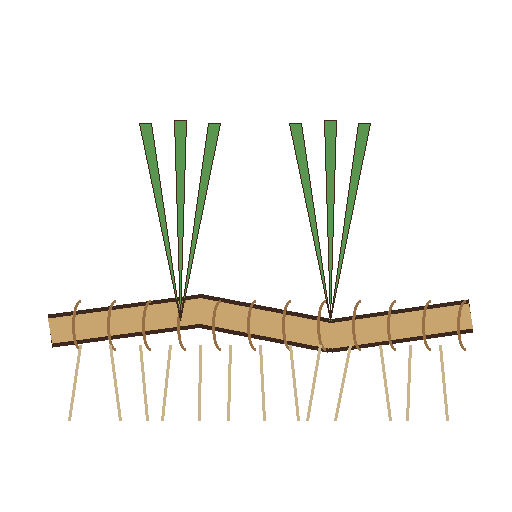 Calamus Rootstock1 དུམ་བུ།
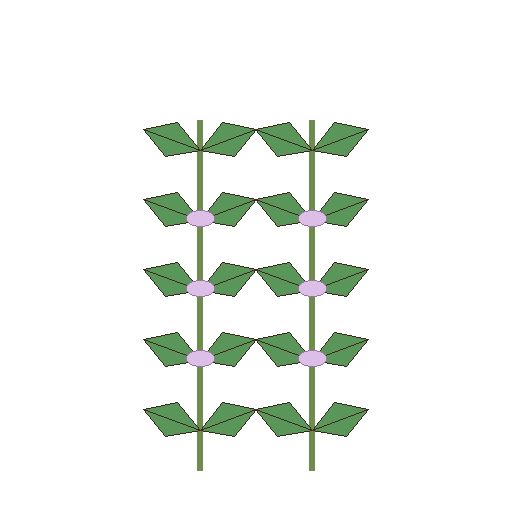 Wild Mint1 དུམ་བུ།
 ཀ་ར་དཀརཔོ།1 དུམ་བུ།
 ཆུ།1 དུམ་བུ།
ལག་ཆས་དགོས་མཁོ:
 རྡོའི་གཏུན་ཁུང་དང་གཏུན་ཤིང་།
 ས་སྣོད།
 མེའི་དོང་།
3
3
Teton Dakota drinks
Teton Dakota drinks
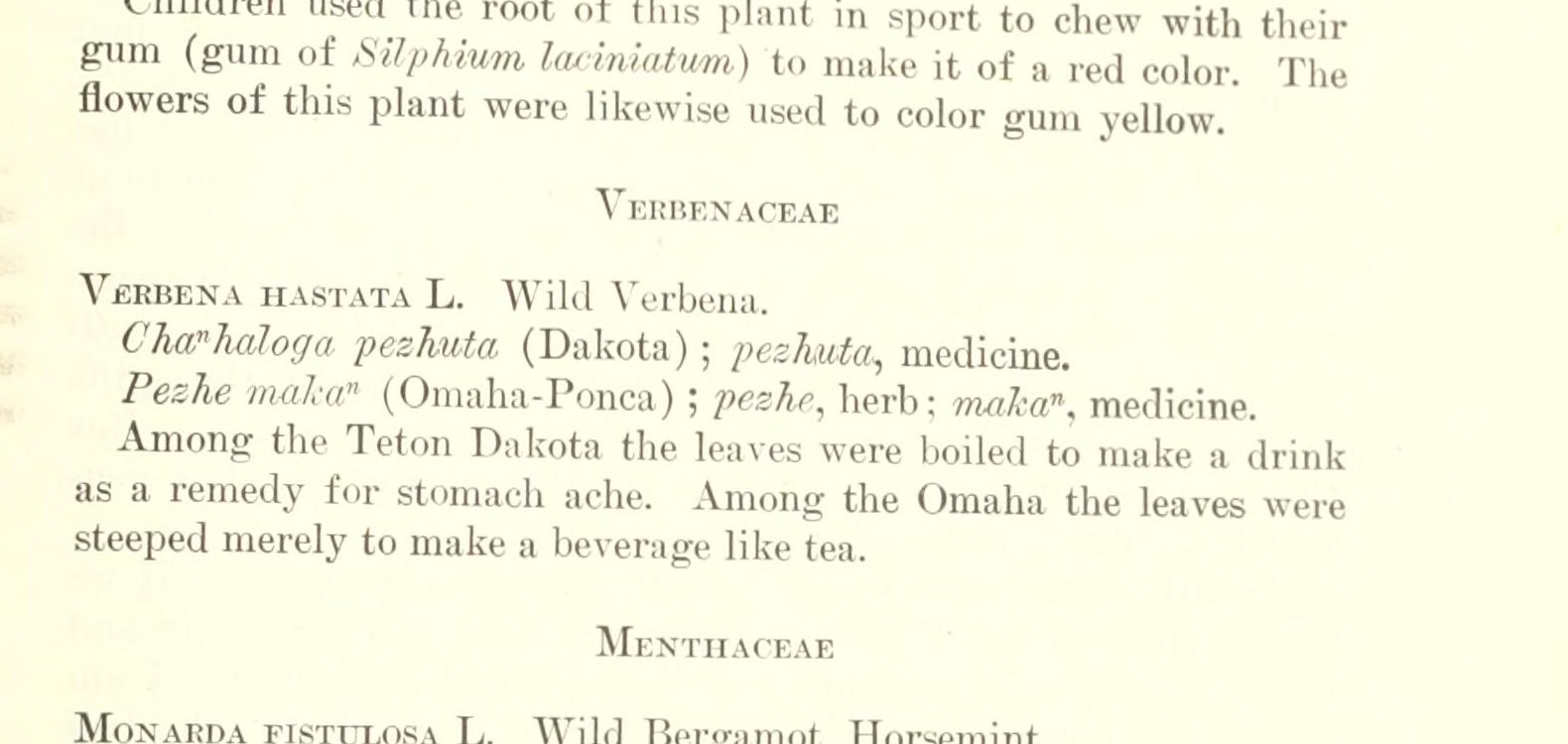
Boil verbena leaves for stomach ache; boil wild bergamot flowers and leaves together for abdominal pains; boil purple mallow root for internal pains; give children a decoction of gumweed for colic.
གོམ་པ་འདིའི་རྫས་རིགས:
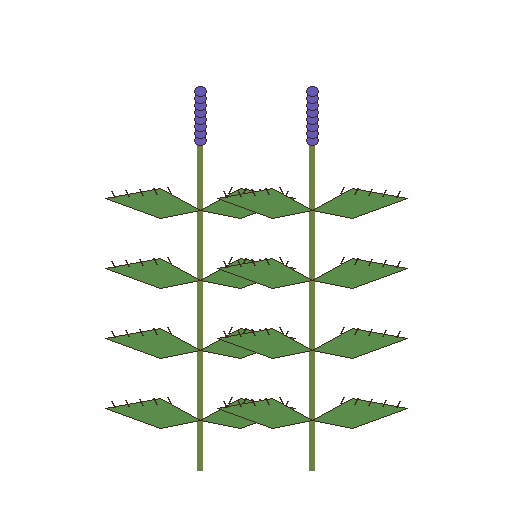 Wild Verbena Leaves1 དུམ་བུ།
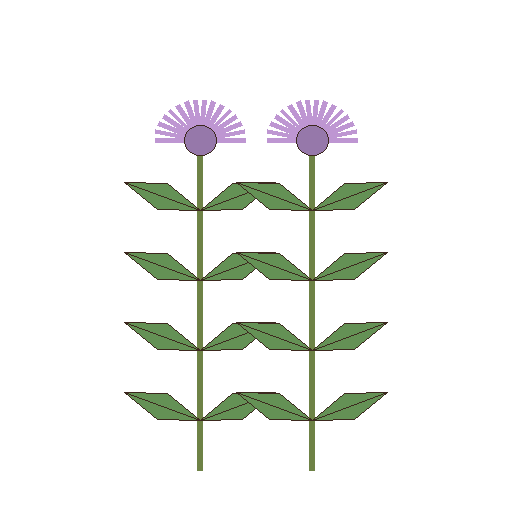 Horsemint Flowers and Leaves1 དུམ་བུ།
 Purple Mallow Root1 དུམ་བུ།
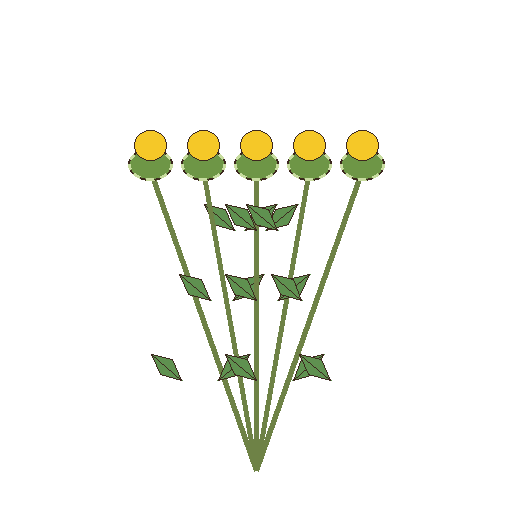 Gumweed Plant1 དུམ་བུ།ཆུ།1 དུམ་བུ།
ལག་ཆས་དགོས་མཁོ:
 བརྐོ་ཤིང།
 གྲི།ས་སྣོད།མེའི་དོང་།
 ཆུར་བའི་རས།
4
4
Ground cherry root
Ground cherry root
"A decoction of the root was used for stomach trouble and for headache."
གོམ་པ་འདིའི་རྫས་རིགས:
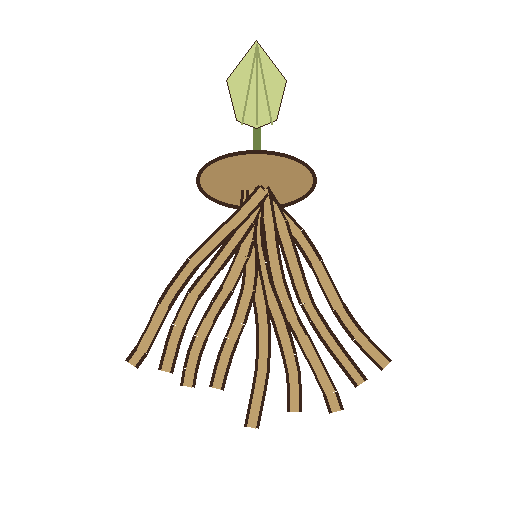 Prairie Ground Cherry Root1 དུམ་བུ།ཆུ།1 དུམ་བུ།
ལག་ཆས་དགོས་མཁོ:
བརྐོ་ཤིང།ས་སྣོད།མེའི་དོང་།5
5
Pawnee colic ointment
Pawnee colic ointment
Pound black rattle-pod seeds to powder, mix with buffalo fat and rub it on the abdomen for colic. Ours: the seeds are poisonous, outside use only, keep from children.
གོམ་པ་འདིའི་རྫས་རིགས:
 Black Rattle-pod Seeds1 དུམ་བུ།
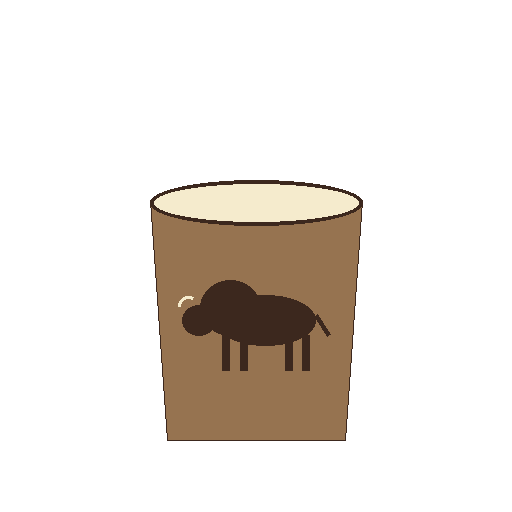 Buffalo Fat1 དུམ་བུ།
ལག་ཆས་དགོས་མཁོ:
རྡོའི་གཏུན་ཁུང་དང་གཏུན་ཤིང་།6
6
Troubleshooting
Troubleshooting
Belly pain safety.
Flow
Loading...
7
7
History and honest limits
History and honest limits
From Melvin R. Gilmore, *Uses of Plants by the Indians of the Missouri River Region*, **33rd Annual Report of the Bureau of American Ethnology** (1919), pp. 70, 90, 103, 111, 112, 113 and 133 (checked on the archive.org scan usesofplantsbyin00gilm). Gilmore wrote down what Omaha, Ponca, Pawnee, Dakota, Winnebago and Oto people told him; each remedy is credited to the tribe he names. Left out: tall milkweed root eaten raw for the stomach (milkweeds are poisonous), an Oto nausea cure with ragweed leaves laid on a scarified belly, and a sage decoction Gilmore gives for "many other kinds of ailments" without a species. Safety lines are ours. Recorded use, not medical advice.
རྫས་རིགས
11- 1 དུམ་བུ།ས་ཆ་འཛིན
- 1 དུམ་བུ།ས་ཆ་འཛིན
- 1 དུམ་བུ།ས་ཆ་འཛིན
- 3 དུམ་བུ།ས་ཆ་འཛིན
- 1 དུམ་བུ།ས་ཆ་འཛིན
- 1 དུམ་བུ།ས་ཆ་འཛིན
- 1 དུམ་བུ།ས་ཆ་འཛིན
- 1 དུམ་བུ།ས་ཆ་འཛིན
- 1 དུམ་བུ།ས་ཆ་འཛིན
- 1 དུམ་བུ།ས་ཆ་འཛིན
- 1 དུམ་བུ།ས་ཆ་འཛིན
བིལུ་པིརིན་ཊི་འདི་གིས་བཟོ་མི
འབྲེལ་ཡོད་བིལུ་པིརིན་ཊི
བིལུ་པིརིན་ཊི་འདི་ཚུ་ཐབས་ལམ་དང་རྫས་རིགས། སྤྱི་ཆོས་བགོ་བཤའ་བྱེད
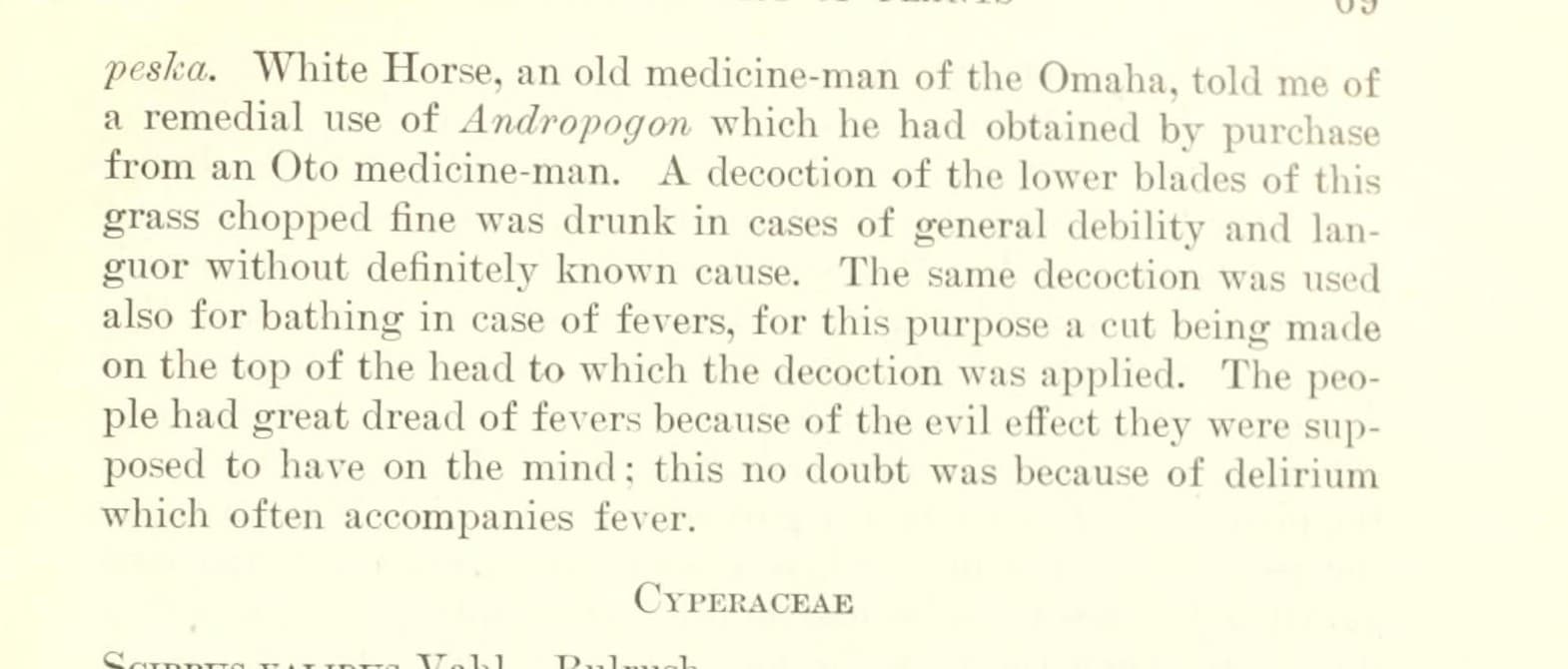
Fever Remedies of the Missouri River Tribes: Calamus, Hops, Wild Four-o'clock, Wild Licorice, Beardtongue and Herb Washes (Gilmore, 1919)
Bob གྱིས
རྩི་རིག
༡༣
༠
༠
༠
༠
༠
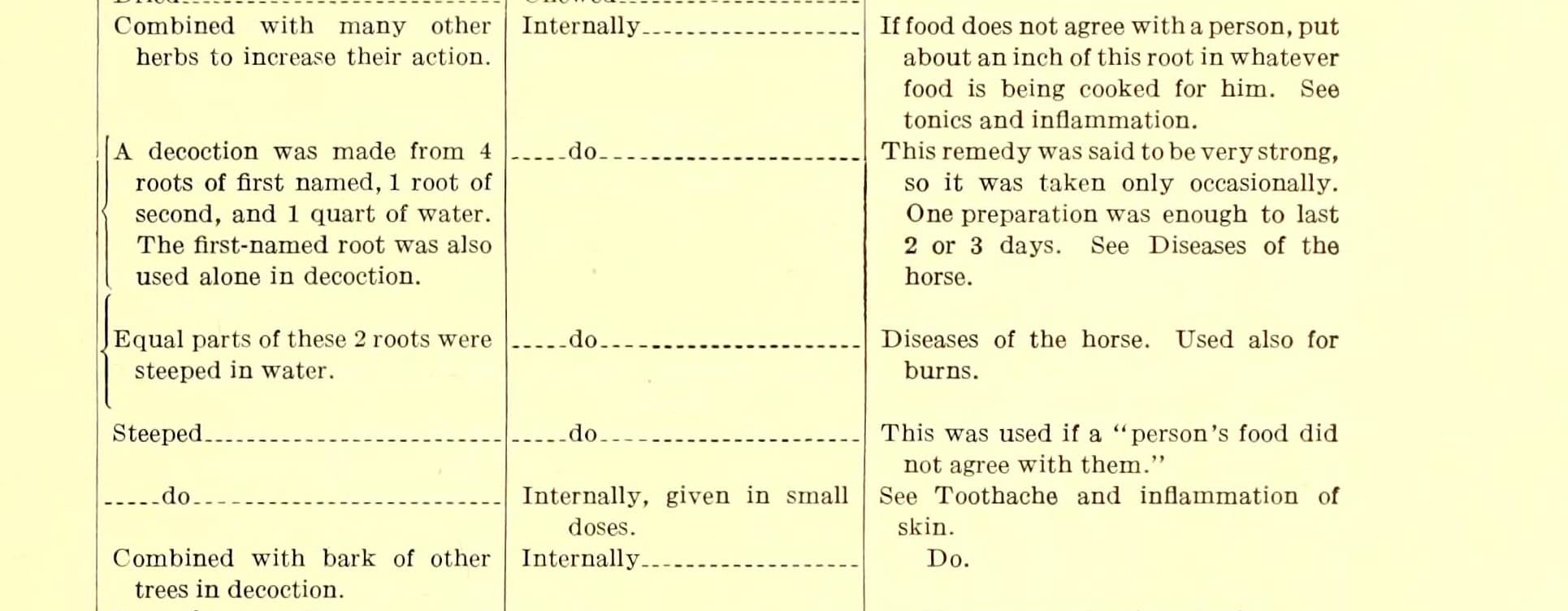
Chippewa Remedies for Indigestion and Stomach Pain: Wild Ginger in the Cooking, Prairie Smoke with Alum Root, Arrowhead, Bluestem, Birch, Horseweed (Densmore, 1928)
Bob གྱིས
རྩི་རིག
༥
༠
༠
༠
༠
༠
CC0 སྤྱི་དབང
བིལུ་པིརིན་ཊི་འདི་CC0 འོག་བཀྲམས་ཡོད། ཁྱེད་རང་གིས་ཆོག་མཆན་མ་བཞེས་པར་ཕབ་ལེན་དང་བཟོ་བཅོས། བགོ་བཤའ། དགོས་མཁོ་གང་ལའང་བཀོལ་སྤྱོད་བྱས་ཆོག
བཟོ་མཁན་ལ་རྒྱབ་སྐྱོར་བྱེད་པའི་ཆེད་ཁོང་ཚོའི་བིལུ་པིརིན་ཊི་བརྒྱུད་ཐོན་སྐྱེད་ཉོ། བཟོ་མཁན་གྱིས བཟོ་མཁན་གྱི་ཁེ་ཕོགས ཚོང་པས་གཏན་འཁེལ་བྱས་པ། ཡང་ན་བིལུ་པིརིན་ཊི་འདིའི་པར་གསར་བཟོས་ཏེ་ཁྱེད་རང་གི་བིལུ་པིརིན་ཊི་ནང་མཐུད་སྦྲེལ་བྱས་ཏེ་ཡོང་སྒོ་བགོ་བཤའ་བྱེད།