སྒྱུ་རྩལ
མཛེས་སྡུག་དང་བདེ་ཐང
བཟོ་རིག
རིག་གནས་དང་ལོ་རྒྱུས
དགའ་སྟོན
ཁོར་ཡུག
ཟས་དང་བཏུང་རྫས
ཕྱིར་འཕྲུལ་རིག
ཚན་རིག
རྩེད་འགྲན
རིག་རྩལ
གྱོན་རུང
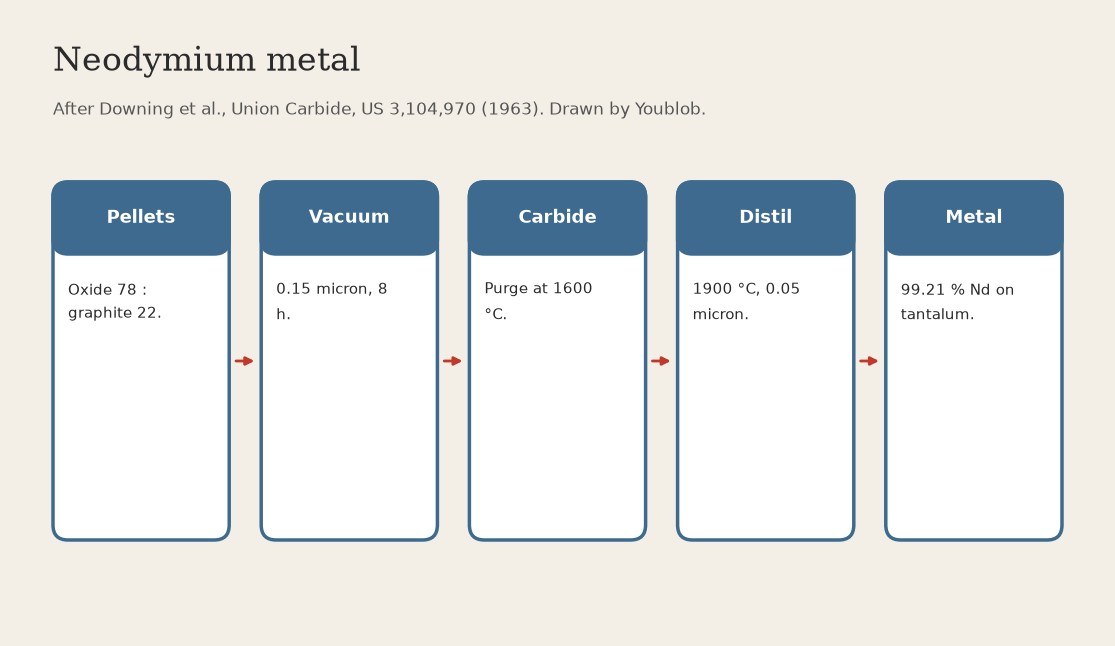


Neodymium Metal: Oxide Reduced by Graphite in Vacuum, Distilled at 1900 °C onto Tantalum (Downing, Union Carbide, US 3,104,970)
Carbon cannot pull neodymium out of its oxide in an ordinary furnace. In a hard vacuum it can: the oxide and graphite turn into neodymium carbide, and at 1900 °C the neodymium itself boils off and condenses as metal on a cool tantalum plate.
Result: neodymium metal, 99.21 % Nd and 0.83 % carbon in Union Carbide's run.
Source: Downing, Gorski and Koerner, US 3,104,970 (Union Carbide, 1963), Example II. That example starts from a samarium-neodymium mixture; using it for pure neodymium oxide is ours. Picture drawn by Youblob.
མཐོ་རིམ
2 days
ལམ་སྟོན
1
1
Mix with graphite and pelletise
Mix with graphite and pelletise
Mix the oxide intimately with powdered graphite (Example II: 78 % oxides to 22 % graphite by weight, 1.8 % carbon over theory; the patent allows 1-15 %, prefers 5-10 %), particles under about 50 microns, and press into 0.75 in pellets.
གོམ་པ་འདིའི་རྫས་རིགས:
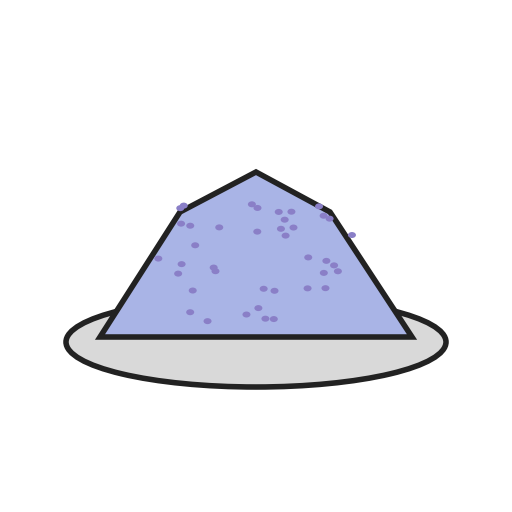 ནི་ཡོ་ཌི་མི་ཡམ་ཨོག་སའིཌ།78 parts
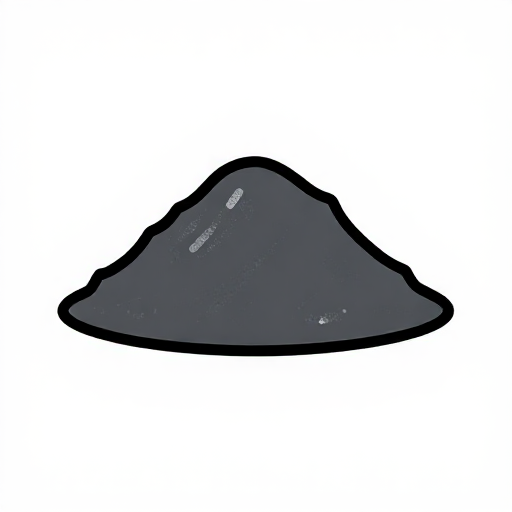 གིརཕ་ཊའི་ཕྱེ་མ།22 parts
ལག་ཆས་དགོས་མཁོ:
 ལག་པ་འདྲ་མཉམ་གྱི་སྲང་།
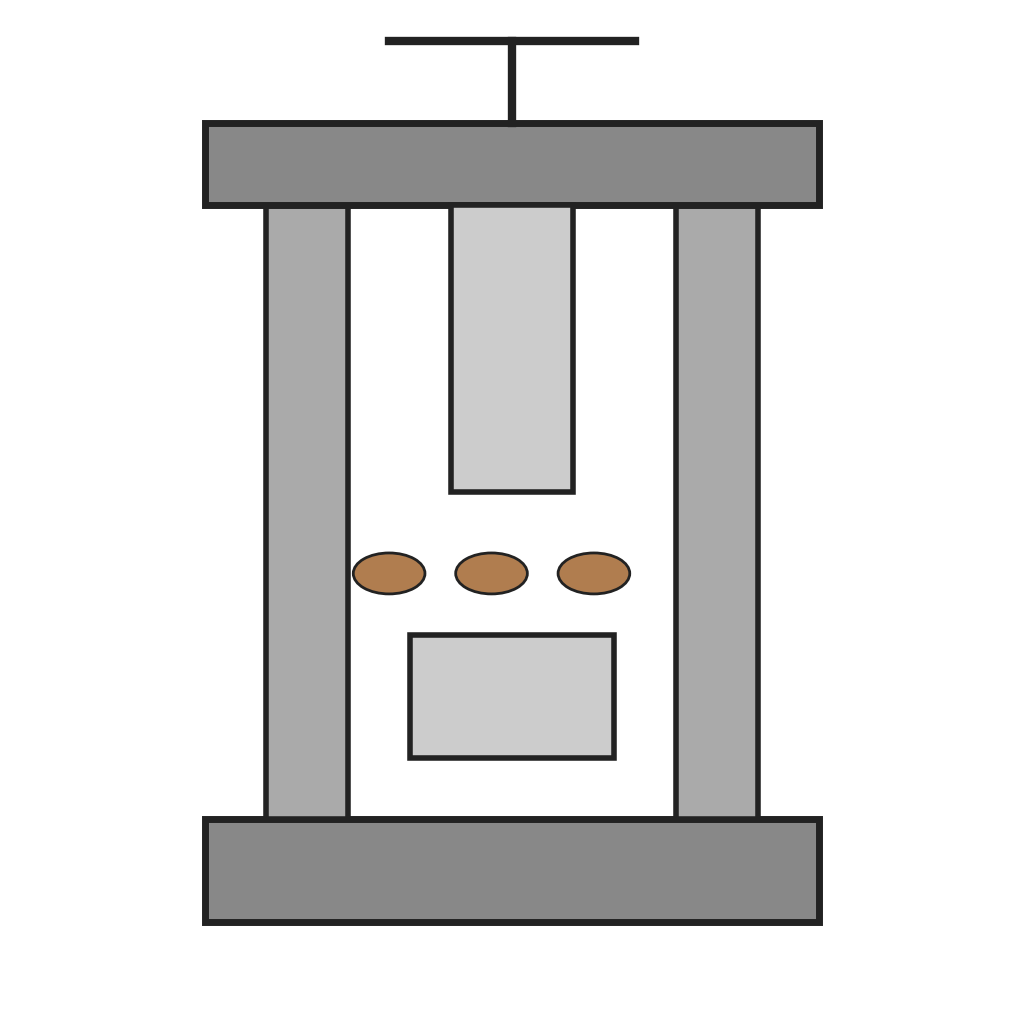 ཕིལ་པྲེསི
2
2
Reduce in vacuum to the carbide
Reduce in vacuum to the carbide
Heat the pellets in a vacuum induction furnace at 0.15 micron for about 8 hours. The example's temperature is printed "1700-1700 °C"; claim 5 gives about 1920 °C for about 16 hours. Volatile matter goes to a graphite condenser; the neodymium stays behind as carbide.
ལག་ཆས་དགོས་མཁོ:
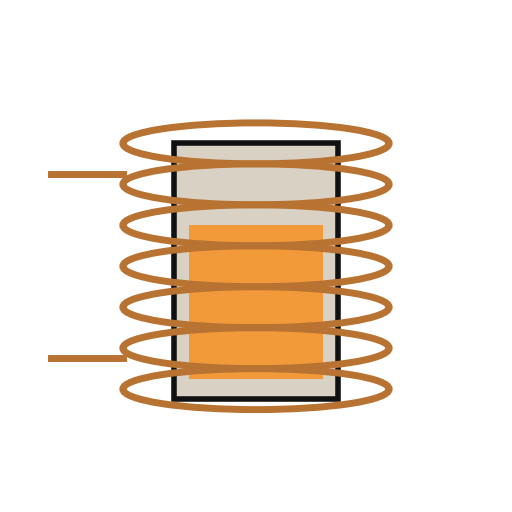 ཨིན་ཌག་ཤཱན་ཐབ།
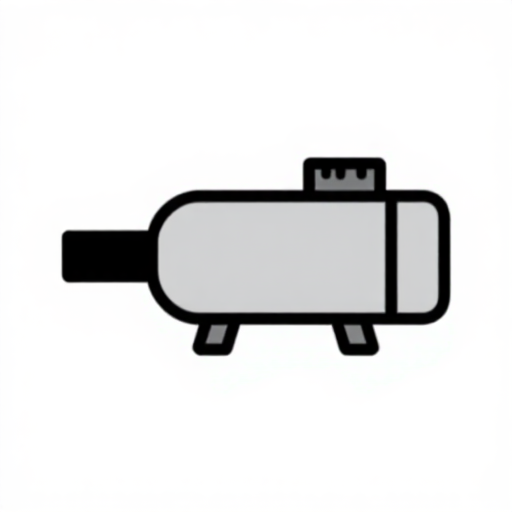 རླུང་འཐེན་འཕྲུལ་ཆས།
 གྷ་ར་ཕའིཊ་གི་ཞུ་སྣོད།
3
3
Purge at 1600 °C
Purge at 1600 °C
Reheat the carbide residue in a carbon crucible at 1600 °C and 0.05 micron for 1 hour (in the example this drove off the last samarium). The residue is substantially pure neodymium carbide.
ལག་ཆས་དགོས་མཁོ:
ཨིན་ཌག་ཤཱན་ཐབ།རླུང་འཐེན་འཕྲུལ་ཆས།གྷ་ར་ཕའིཊ་གི་ཞུ་སྣོད།4
4
Distil the metal at 1900 °C onto tantalum
Distil the metal at 1900 °C onto tantalum
Heat it in a graphite crucible to 1900 °C at 0.05 micron for 3 hours. Neodymium boils off and condenses on a tantalum plate, which barely alloys with it: 99.21 % neodymium, 0.83 % carbon.
ལག་ཆས་དགོས་མཁོ:
ཨིན་ཌག་ཤཱན་ཐབ།རླུང་འཐེན་འཕྲུལ་ཆས།གྷ་ར་ཕའིཊ་གི་ཞུ་སྣོད།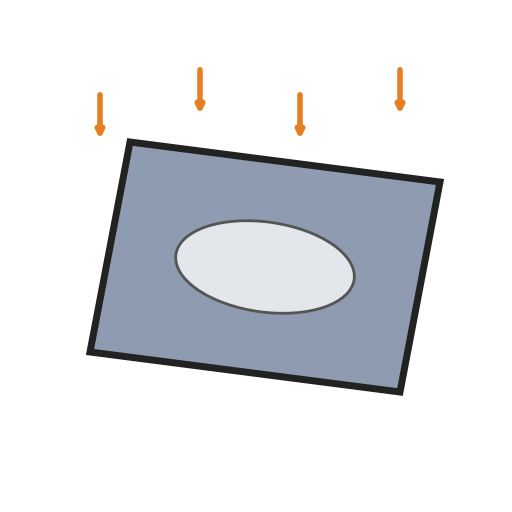 ཊེན་ཊ་ལམ་ཁུ་བ་བཟོ་བའི་པང་ལེབ།
རྫས་རིགས
2- 78 partsས་ཆ་འཛིན
- 22 partsས་ཆ་འཛིན
བིལུ་པིརིན་ཊི་འདི་གིས་བཟོ་མི
འབྲེལ་ཡོད་བིལུ་པིརིན་ཊི
བིལུ་པིརིན་ཊི་འདི་ཚུ་ཐབས་ལམ་དང་རྫས་རིགས། སྤྱི་ཆོས་བགོ་བཤའ་བྱེད
CC0 སྤྱི་དབང
བིལུ་པིརིན་ཊི་འདི་CC0 འོག་བཀྲམས་ཡོད། ཁྱེད་རང་གིས་ཆོག་མཆན་མ་བཞེས་པར་ཕབ་ལེན་དང་བཟོ་བཅོས། བགོ་བཤའ། དགོས་མཁོ་གང་ལའང་བཀོལ་སྤྱོད་བྱས་ཆོག
བཟོ་མཁན་ལ་རྒྱབ་སྐྱོར་བྱེད་པའི་ཆེད་ཁོང་ཚོའི་བིལུ་པིརིན་ཊི་བརྒྱུད་ཐོན་སྐྱེད་ཉོ། བཟོ་མཁན་གྱིས བཟོ་མཁན་གྱི་ཁེ་ཕོགས ཚོང་པས་གཏན་འཁེལ་བྱས་པ། ཡང་ན་བིལུ་པིརིན་ཊི་འདིའི་པར་གསར་བཟོས་ཏེ་ཁྱེད་རང་གི་བིལུ་པིརིན་ཊི་ནང་མཐུད་སྦྲེལ་བྱས་ཏེ་ཡོང་སྒོ་བགོ་བཤའ་བྱེད།