སྒྱུ་རྩལ
མཛེས་སྡུག་དང་བདེ་ཐང
བཟོ་རིག
རིག་གནས་དང་ལོ་རྒྱུས
དགའ་སྟོན
ཁོར་ཡུག
ཟས་དང་བཏུང་རྫས
ཕྱིར་འཕྲུལ་རིག
ཚན་རིག
རྩེད་འགྲན
རིག་རྩལ
གྱོན་རུང
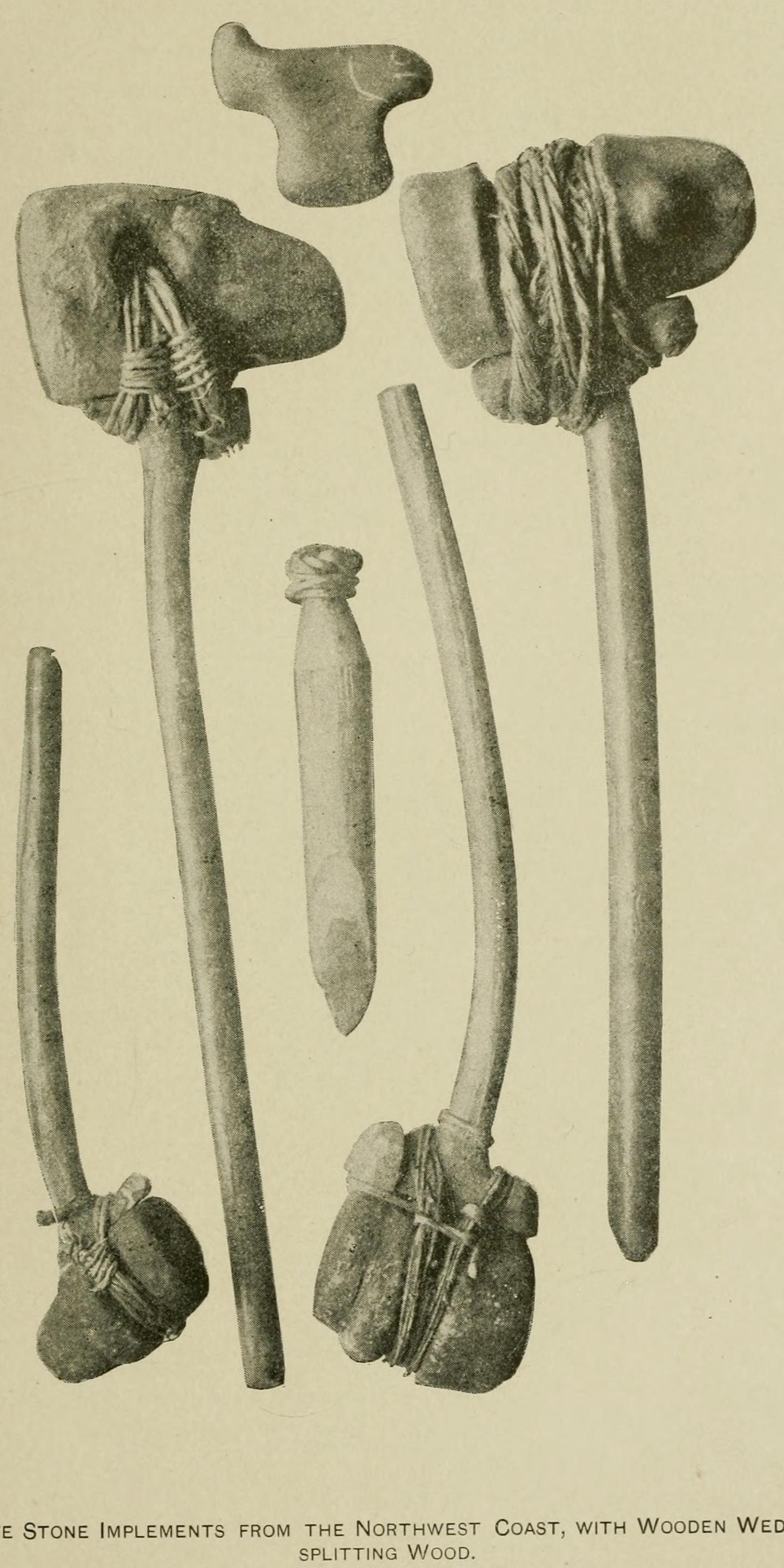

Northwest Coast Splitting Wedge: Spruce or Cedar Body, Head Bound with a Twisted Spruce-Root Grommet (Niblack, 1890)
The wooden wedge used all along the Northwest Coast to split logs into boards, as Albert Niblack recorded it (the specimen is Makah, from Cape Flattery): a tapered body of spruce or cedar, its striking head bound with a grommet of twisted spruce root or tough withes so the stone sledge does not split it.
འགོ་བཙུགས
An hour or two
ལམ་སྟོན
1
1
Read Niblack
Read Niblack
"The heads of the wedges are protected, or prevented from splitting, by a grommet woven from tough withes or from spruce root."
2
2
Shape the body
Shape the body
Split out a piece of spruce or cedar and shave it to a long wedge, thick at the head and thin at the edge (ours: about 30 cm long and 5 cm across the head; Fig. 84 is long and slender).
གོམ་པ་འདིའི་རྫས་རིགས:
 སིཔ་རུསི་ཤིང་གི་གུལིང་ (Picea abies)1 དུམ་བུ།
ལག་ཆས་དགོས་མཁོ:
 སྟ་རེ།
 ཡུ་བ་གཉིས་ཀྱི་བཤུས་གྲི།
 གྲི།
3
3
Bind the head
Bind the head
Twist split spruce root (or tough withes) into a tight ring and work it down over the head so it hugs the wood, as in Fig. 84. Ours: put it on damp so it shrinks tight as it dries.
གོམ་པ་འདིའི་རྫས་རིགས:
 Split Tree Roots1 དུམ་བུ།
 ལྕང་མའི་ཡལ་ག1 དུམ་བུ།
ལག་ཆས་དགོས་མཁོ:
གྲི།4
4
Use it
Use it
Drive several wedges along a crack with a heavy sledge (theirs had basalt heads lashed to wooden hafts) to split logs into boards and get out timber.
ལག་ཆས་དགོས་མཁོ:
 ཤིང་གི་ཐོ་བ།
5
5
Troubleshooting
Troubleshooting
Wedge troubleshooting.
Flow
Loading...
6
6
History and honest limits
History and honest limits
From Albert P. Niblack, *The Coast Indians of Southern Alaska and Northern British Columbia*, **Report of the U.S. National Museum for 1888** (1890), pp. 281-282 and Plate XXII, Fig. 84 (checked on the archive.org scan coastindiansofso00nibl). Iron wedges were coming in by then. Size, taper and how the grommet is woven are ours.
རྫས་རིགས
3- 1 དུམ་བུ།ས་ཆ་འཛིན
- 1 དུམ་བུ།ས་ཆ་འཛིན
- 1 དུམ་བུ།ས་ཆ་འཛིན
བིལུ་པིརིན་ཊི་འདི་གིས་བཟོ་མི

འབྲེལ་ཡོད་བིལུ་པིརིན་ཊི
བིལུ་པིརིན་ཊི་འདི་ཚུ་ཐབས་ལམ་དང་རྫས་རིགས། སྤྱི་ཆོས་བགོ་བཤའ་བྱེད
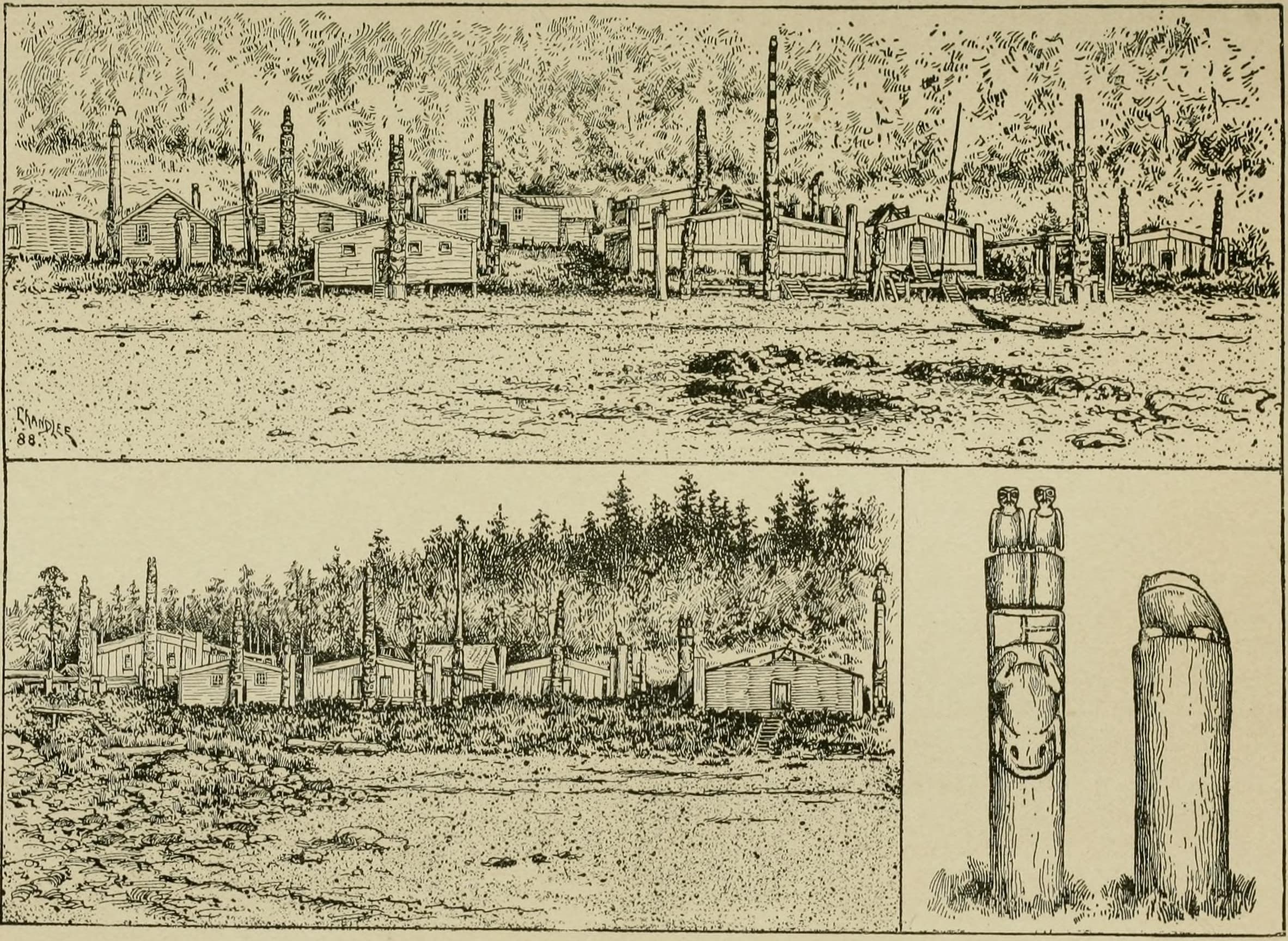
Totem Pole of the Haida, Tlingit and Tsimshian: Cedar Log Adzed, Relief-Carved with Crests, Painted and Raised on Guys (Niblack, 1890)
Woody གྱིས
ཤིང་བཟོ
༡༡
༠
༠
༠
༠
༠
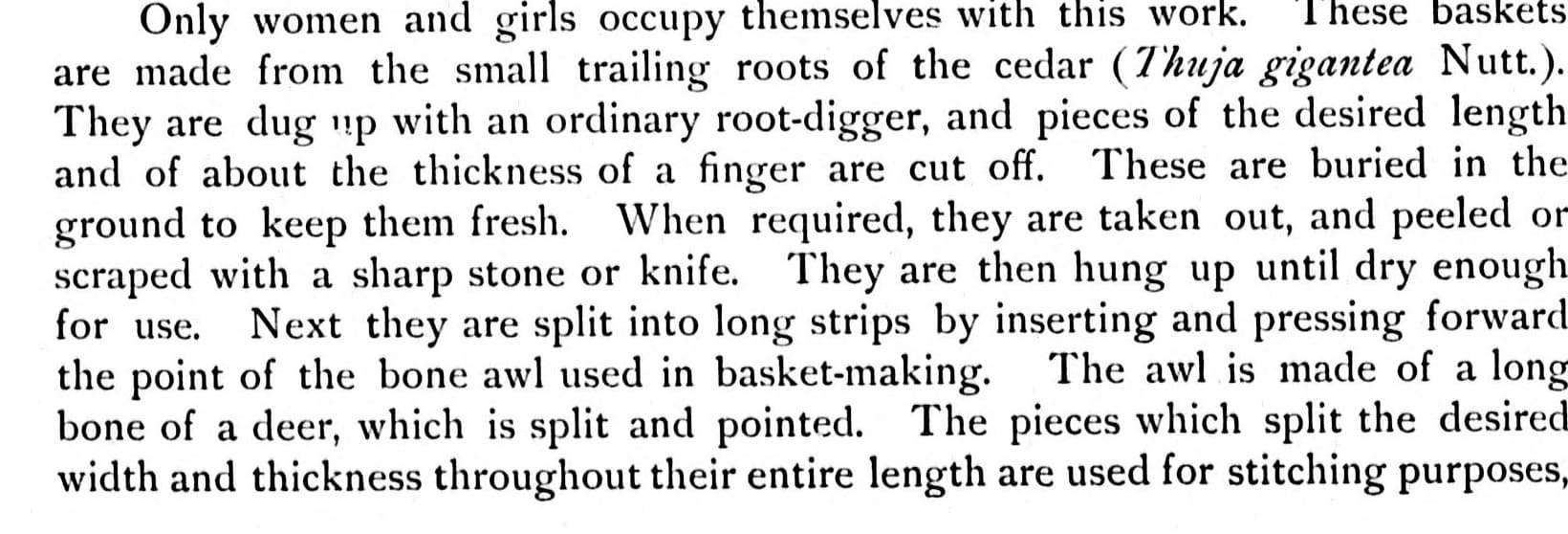
Thompson (Nlaka'pamux) Split Cedar Roots: Finger-Thick Roots Dug, Buried Fresh, Peeled, Dried and Split with a Bone Awl (Teit, 1900)
Tex གྱིས
རས་དང་པགས
༡༣
༠
༠
༠
༠
༠
CC0 སྤྱི་དབང
བིལུ་པིརིན་ཊི་འདི་CC0 འོག་བཀྲམས་ཡོད། ཁྱེད་རང་གིས་ཆོག་མཆན་མ་བཞེས་པར་ཕབ་ལེན་དང་བཟོ་བཅོས། བགོ་བཤའ། དགོས་མཁོ་གང་ལའང་བཀོལ་སྤྱོད་བྱས་ཆོག
བཟོ་མཁན་ལ་རྒྱབ་སྐྱོར་བྱེད་པའི་ཆེད་ཁོང་ཚོའི་བིལུ་པིརིན་ཊི་བརྒྱུད་ཐོན་སྐྱེད་ཉོ། བཟོ་མཁན་གྱིས བཟོ་མཁན་གྱི་ཁེ་ཕོགས ཚོང་པས་གཏན་འཁེལ་བྱས་པ། ཡང་ན་བིལུ་པིརིན་ཊི་འདིའི་པར་གསར་བཟོས་ཏེ་ཁྱེད་རང་གི་བིལུ་པིརིན་ཊི་ནང་མཐུད་སྦྲེལ་བྱས་ཏེ་ཡོང་སྒོ་བགོ་བཤའ་བྱེད།