སྒྱུ་རྩལ
མཛེས་སྡུག་དང་བདེ་ཐང
བཟོ་རིག
རིག་གནས་དང་ལོ་རྒྱུས
དགའ་སྟོན
ཁོར་ཡུག
ཟས་དང་བཏུང་རྫས
ཕྱིར་འཕྲུལ་རིག
ཚན་རིག
རྩེད་འགྲན
རིག་རྩལ
གྱོན་རུང
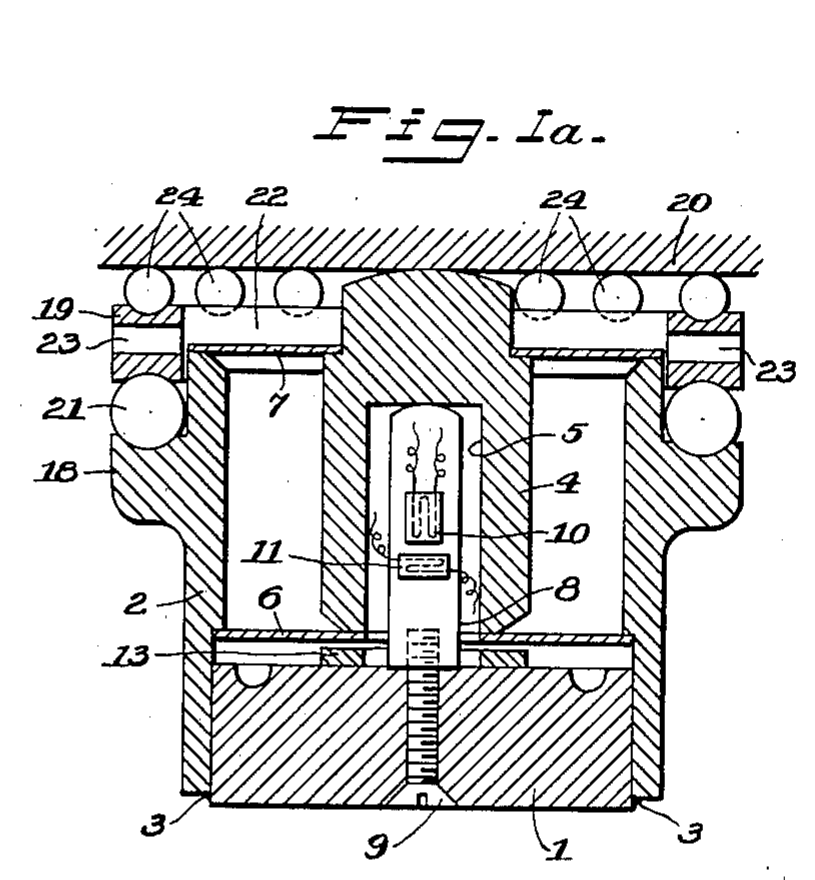


Overload Safety Ring for a Strain-Gauge Load Cell
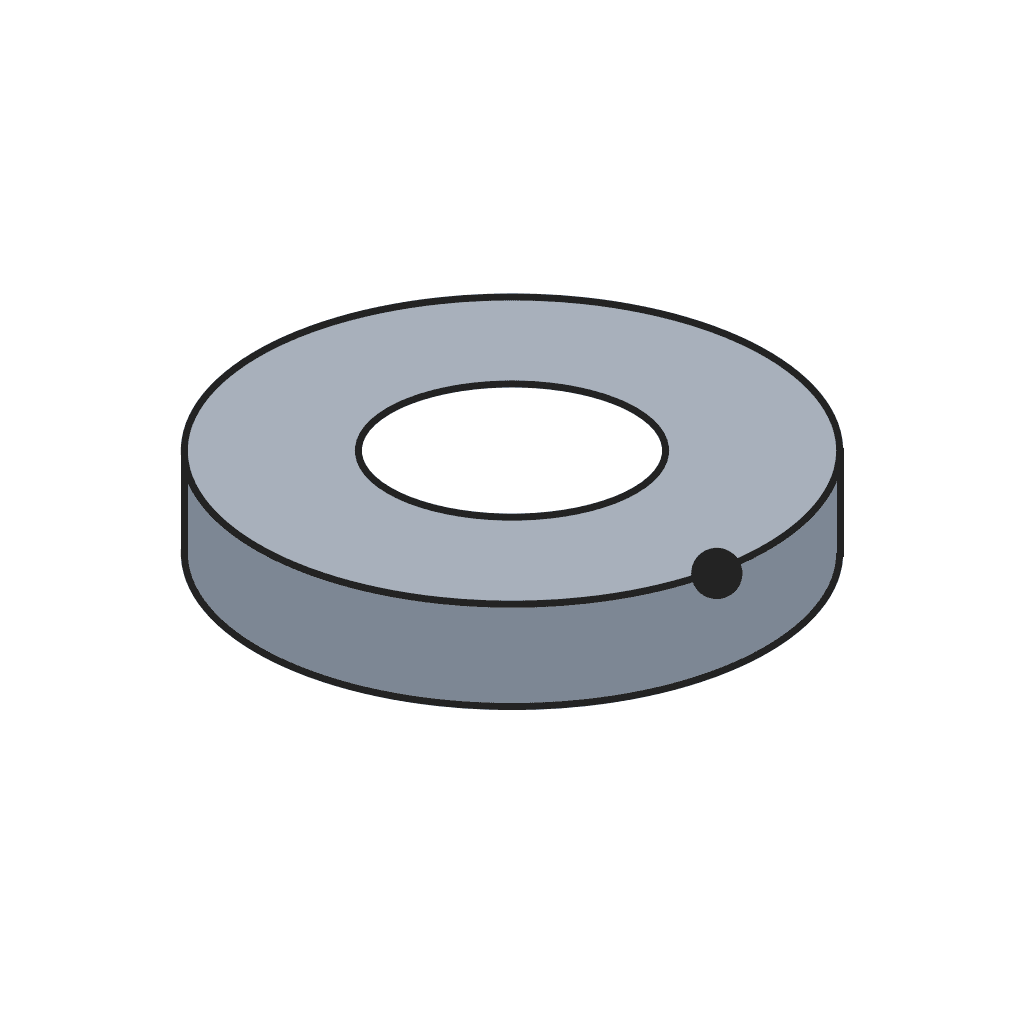
A ring under Ruge's piston, set a hair below it: past the safe load the piston lands on it and the excess goes straight to the base. The gauge leads pass through a hole in it.
བར་མ
A few hours
ལམ་སྟོན
1
1
Watch: boring a hole on a lathe
Watch: boring a hole on a lathe
Boring a hole step by step on a metal lathe.
2
2
Turn and bore the ring
Turn and bore the ring
Turn a short length of round bar to fit inside the shell and bore it to clear the column.
གོམ་པ་འདིའི་རྫས་རིགས:
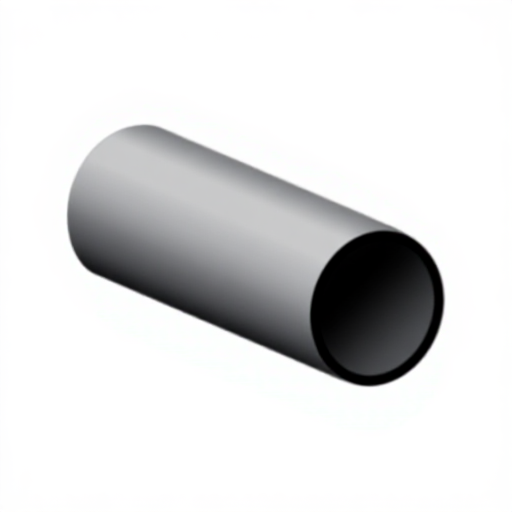 ལྕགས་འཇམ་གྱི་ལྕགས་ཕྲེང་སྒོར་སྒོརམ།1 དུམ་བུ།
ལག་ཆས་དགོས་མཁོ:
 ལྕགས་གཏུབ་སོག་ལེ།
 ལྕགས་ཀྱི་འཁྲུལ་འཁོར།
 ནང་གཤག་ལྕགས་དབྱུག
 གཏུབ་སྣུམ།
3
3
Face to height, drill the lead hole
Face to height, drill the lead hole
Face it to height so the piston clears it by a small gap at full load. Drill a side hole for the gauge leads.
ལག་ཆས་དགོས་མཁོ:
ལྕགས་ཀྱི་འཁྲུལ་འཁོར། འཁོད་བཞག་ཕུག་འཕྲུལ།
 ཕྲ་འཇལ་ཆས།
4
4
Limits
Limits
Ruge's patent gives the part's shape and job but no material or size. Mild steel and silver-solder brazing are our choice; size it to the load you need. Lathe method after Palmateer, Elementary Machine Shop Practice (1918). The gap sets the overload point.
རྫས་རིགས
1- 1 དུམ་བུ།ས་ཆ་འཛིན
ལག་ཆས་དགོས་མཁོ
6- ས་ཆ་འཛིན
- ས་ཆ་འཛིན
- ས་ཆ་འཛིན
- ས་ཆ་འཛིན
- ས་ཆ་འཛིན
- ས་ཆ་འཛིན
བིལུ་པིརིན་ཊི་འདི་གིས་བཟོ་མི
CC0 སྤྱི་དབང
བིལུ་པིརིན་ཊི་འདི་CC0 འོག་བཀྲམས་ཡོད། ཁྱེད་རང་གིས་ཆོག་མཆན་མ་བཞེས་པར་ཕབ་ལེན་དང་བཟོ་བཅོས། བགོ་བཤའ། དགོས་མཁོ་གང་ལའང་བཀོལ་སྤྱོད་བྱས་ཆོག
བཟོ་མཁན་ལ་རྒྱབ་སྐྱོར་བྱེད་པའི་ཆེད་ཁོང་ཚོའི་བིལུ་པིརིན་ཊི་བརྒྱུད་ཐོན་སྐྱེད་ཉོ། བཟོ་མཁན་གྱིས བཟོ་མཁན་གྱི་ཁེ་ཕོགས ཚོང་པས་གཏན་འཁེལ་བྱས་པ། ཡང་ན་བིལུ་པིརིན་ཊི་འདིའི་པར་གསར་བཟོས་ཏེ་ཁྱེད་རང་གི་བིལུ་པིརིན་ཊི་ནང་མཐུད་སྦྲེལ་བྱས་ཏེ་ཡོང་སྒོ་བགོ་བཤའ་བྱེད།