སྒྱུ་རྩལ
མཛེས་སྡུག་དང་བདེ་ཐང
བཟོ་རིག
རིག་གནས་དང་ལོ་རྒྱུས
དགའ་སྟོན
ཁོར་ཡུག
ཟས་དང་བཏུང་རྫས
ཕྱིར་འཕྲུལ་རིག
ཚན་རིག
རྩེད་འགྲན
རིག་རྩལ
གྱོན་རུང
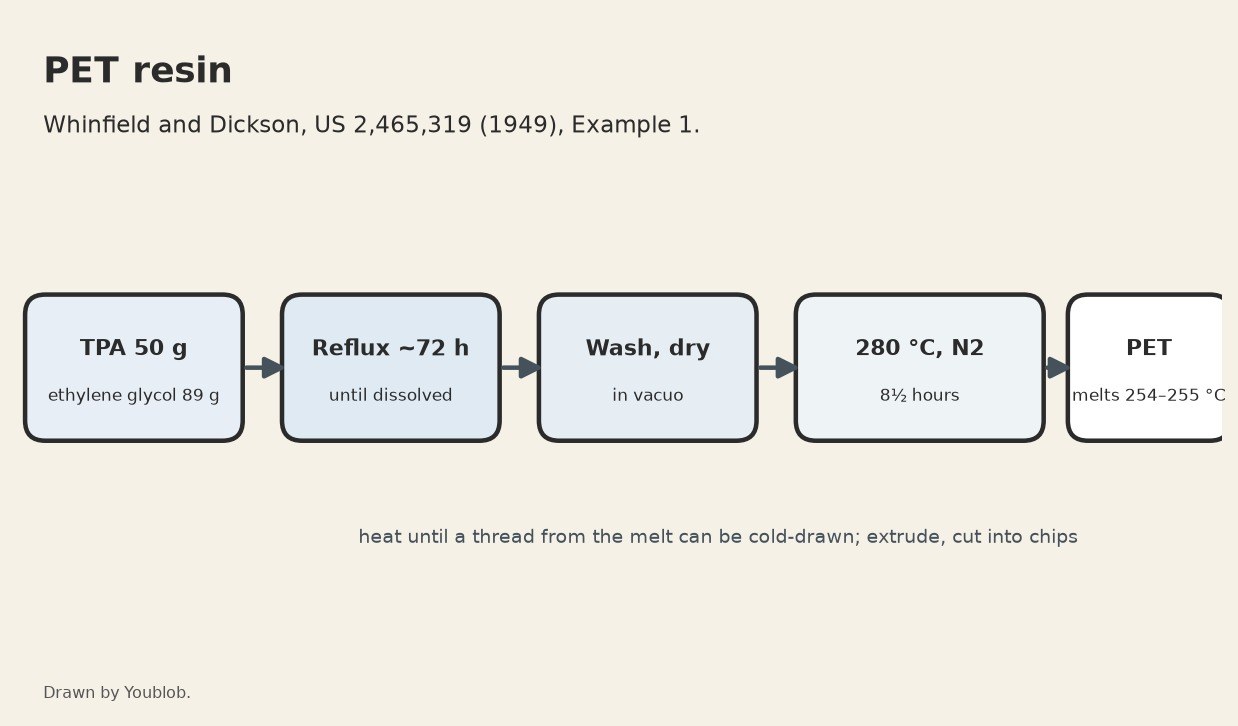


PET Resin: Terephthalic Acid and Ethylene Glycol, Whinfield and Dickson
PET (polyethylene terephthalate) was invented by Whinfield and Dickson, whose patent (US 2,465,319, 1949) gives this first example: boil terephthalic acid in ethylene glycol until it dissolves, wash and dry the glycol ester, then heat it at 280 °C under nitrogen until it is a viscous polymer that melts at 254–255 °C and can be drawn into fibre. The melt is extruded and cut into chips (pellets) for moulding and spinning.
The picture: our diagram.
མཐོ་རིམ
About 4 days
ལམ་སྟོན
1
1
Boil the acid in glycol
Boil the acid in glycol
Reflux 50 g terephthalic acid with 89 g ethylene glycol for about 72 hours, until it has all dissolved. This makes glycol terephthalate.
གོམ་པ་འདིའི་རྫས་རིགས:
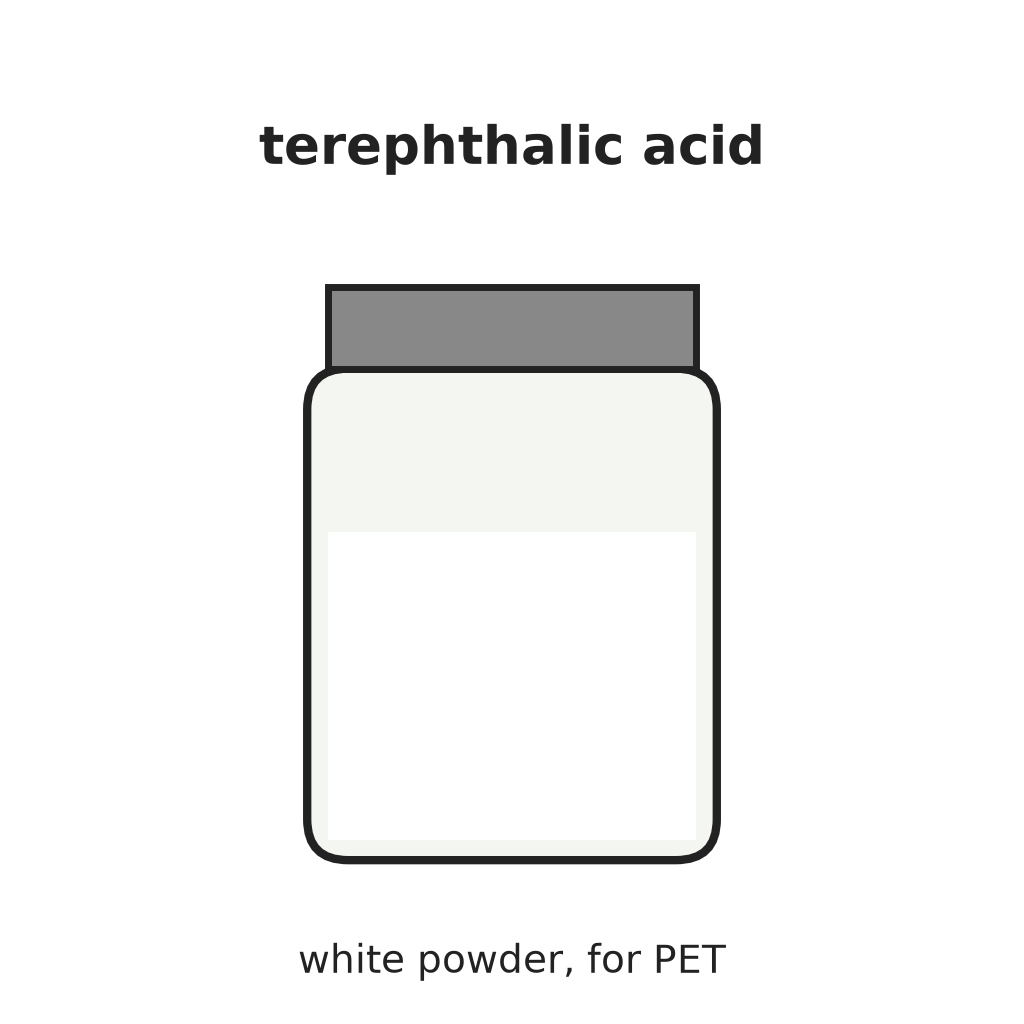 ཊེ་རེ་ཕཐལིཀ་ཨེ་སིཌ།50 g
 ཨེ་ཐི་ལིན་གི་ལའི་ཀོལ།89 g
ལག་ཆས་དགོས་མཁོ:
 ལག་པ་འདྲ་མཉམ་གྱི་སྲང་།
 མཐིལ་ཟླུམ་པོའི་ཤེལ་དམ།
 ཀོན་དེན་སར་གྱི་སྦུག་སྒྲིལ།
 ཚ་བཟོའི་ལེབ།
2
2
Wash and dry the ester
Wash and dry the ester
Wash the glycol terephthalate with water and dry it under vacuum.
ལག་ཆས་དགོས་མཁོ:
 བཙོ་བཏོན་ཆུ།
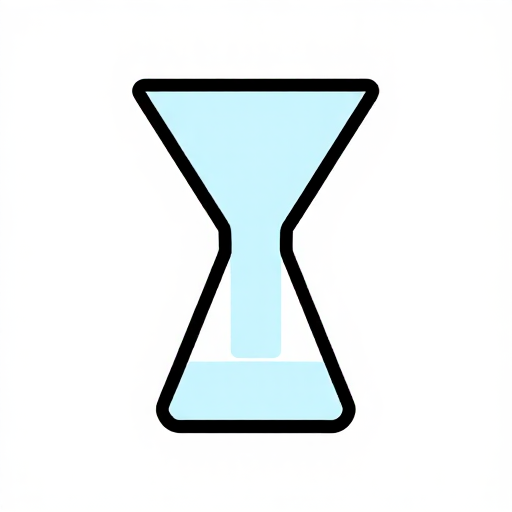 ཤེལ་གྱི་ཟླུམ་ཅན — རྐང་ཡོད།
 འཚག་ཤོག
 རླུང་འཐེན་འཕྲུལ་ཆས།
3
3
Heat at 280 °C under nitrogen
Heat at 280 °C under nitrogen
Melt it and heat at 280 °C for 8½ hours in a slow stream of nitrogen: no air may reach it. It grows thick as it polymerises.
ལག་ཆས་དགོས་མཁོ:
མཐིལ་ཟླུམ་པོའི་ཤེལ་དམ།ཚ་བཟོའི་ལེབ། ལྷག་ཆས་ཡོད་པའི་ཐར་མོ་ཀཔཱལ།
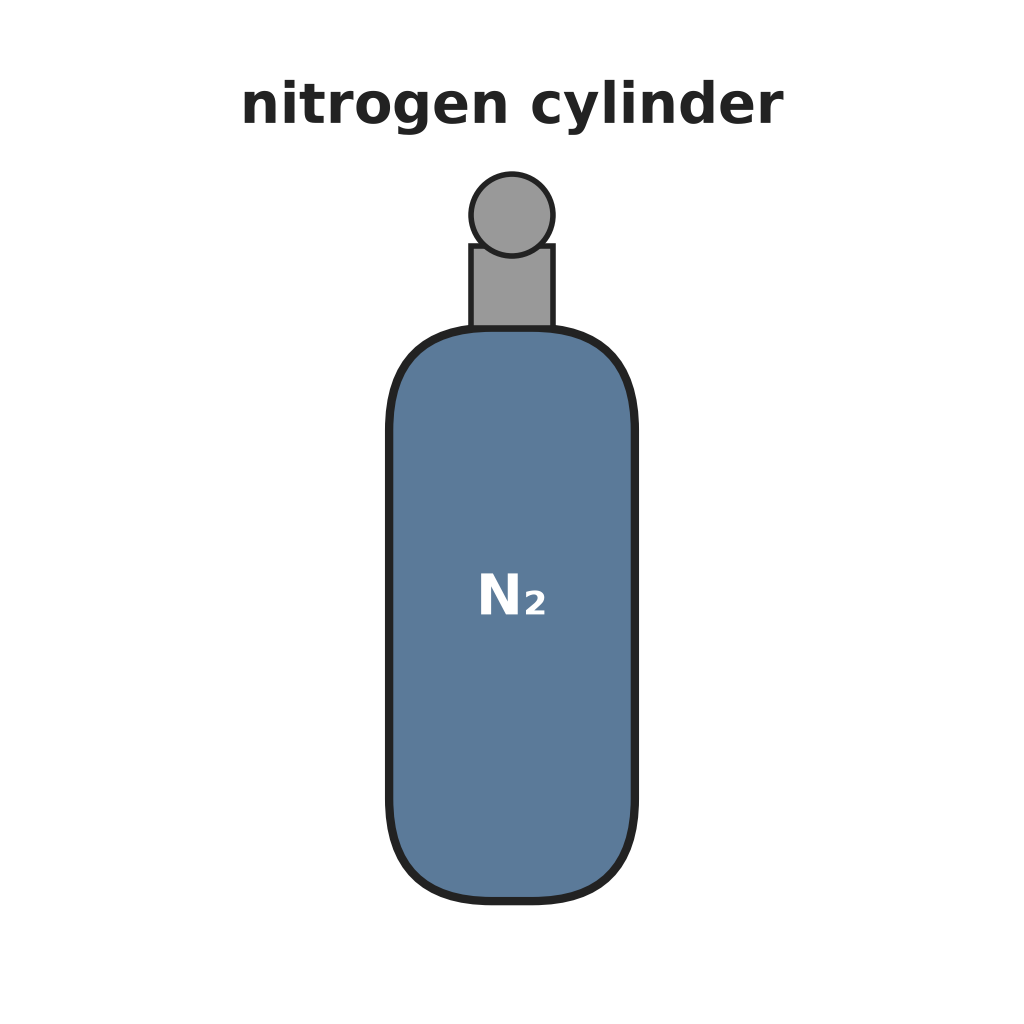 ནའི་ཊྲོ་ཇན་རླུང་སྣོད།
 ཚ་བཟོད་ཀྱི་ལག་ཤུབས།
 རྫས་སྦྱོར་འཐོར་སྲུང་མིག་ཤེལ།
4
4
Test for cold-drawing
Test for cold-drawing
Pull a thread from the melt with a rod and let it cool. It is ready when the cold thread can be stretched to several times its length. The finished polymer melts at 254–255 °C.
ལག་ཆས་དགོས་མཁོ:
 ཤེལ་གྱི་དཀྲུག་ཤིང་།ཚ་བཟོད་ཀྱི་ལག་ཤུབས།
5
5
Extrude and cut into chips
Extrude and cut into chips
Extrude the molten polymer, let it cool, and cut it into chips (pellets).
ལག་ཆས་དགོས་མཁོ:
 པ་ལས་ཊིག་ཕྱིར་འདྲེན་འཕྲུལ་ཆས།
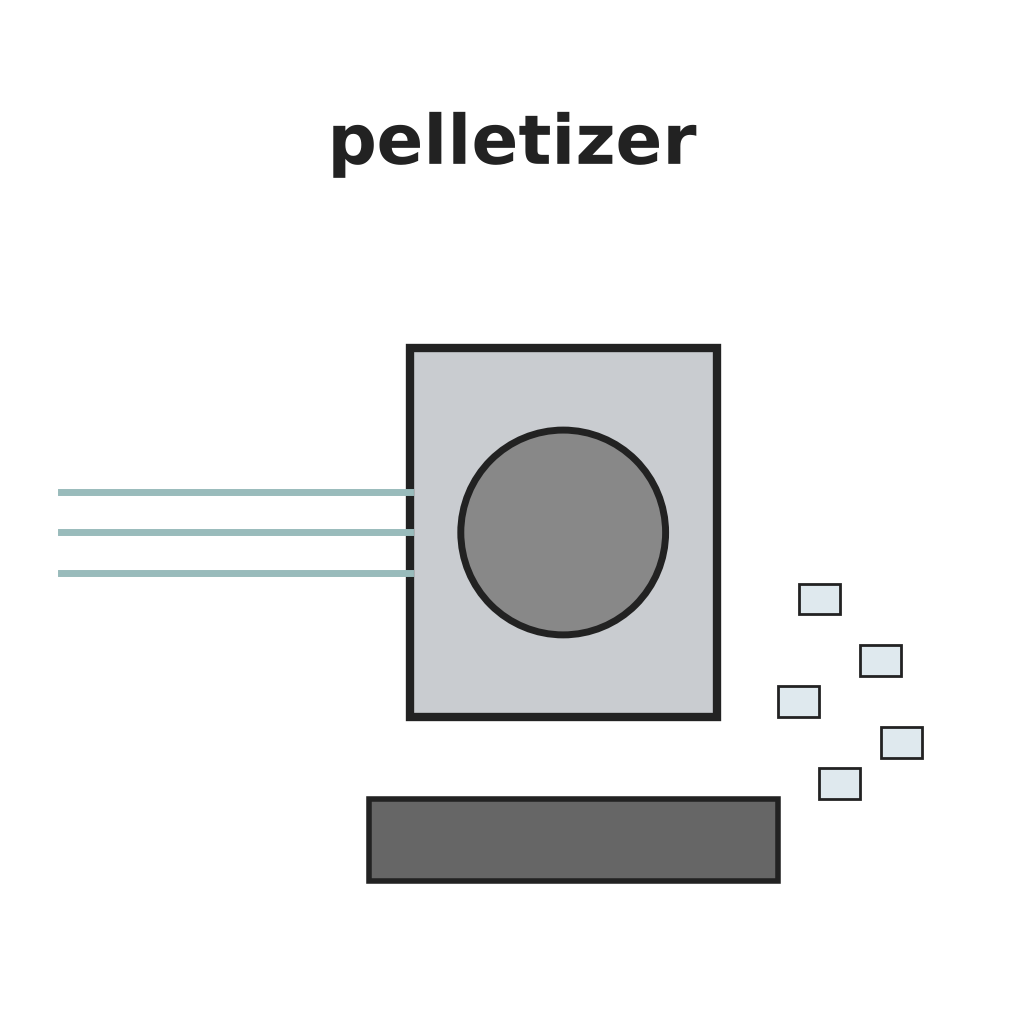 འབྲས་ཆ་བཟོ་འཕྲུལ།ཚ་བཟོད་ཀྱི་ལག་ཤུབས།
རྫས་རིགས
2- ས་ཆ་འཛིན
- ས་ཆ་འཛིན
ལག་ཆས་དགོས་མཁོ
15- ས་ཆ་འཛིན
- ས་ཆ་འཛིན
- ས་ཆ་འཛིན
- ས་ཆ་འཛིན
- ས་ཆ་འཛིན
- ས་ཆ་འཛིན
- ས་ཆ་འཛིན
- 1 vendor sell this, none ship to you yetས་ཆ་འཛིན
- ས་ཆ་འཛིན
- ས་ཆ་འཛིན
- ས་ཆ་འཛིན
- ས་ཆ་འཛིན
- ས་ཆ་འཛིན
- ས་ཆ་འཛིན
- ས་ཆ་འཛིན
བིལུ་པིརིན་ཊི་འདི་གིས་བཟོ་མི
འབྲེལ་ཡོད་བིལུ་པིརིན་ཊི
བིལུ་པིརིན་ཊི་འདི་ཚུ་ཐབས་ལམ་དང་རྫས་རིགས། སྤྱི་ཆོས་བགོ་བཤའ་བྱེད
CC0 སྤྱི་དབང
བིལུ་པིརིན་ཊི་འདི་CC0 འོག་བཀྲམས་ཡོད། ཁྱེད་རང་གིས་ཆོག་མཆན་མ་བཞེས་པར་ཕབ་ལེན་དང་བཟོ་བཅོས། བགོ་བཤའ། དགོས་མཁོ་གང་ལའང་བཀོལ་སྤྱོད་བྱས་ཆོག
བཟོ་མཁན་ལ་རྒྱབ་སྐྱོར་བྱེད་པའི་ཆེད་ཁོང་ཚོའི་བིལུ་པིརིན་ཊི་བརྒྱུད་ཐོན་སྐྱེད་ཉོ། བཟོ་མཁན་གྱིས བཟོ་མཁན་གྱི་ཁེ་ཕོགས ཚོང་པས་གཏན་འཁེལ་བྱས་པ། ཡང་ན་བིལུ་པིརིན་ཊི་འདིའི་པར་གསར་བཟོས་ཏེ་ཁྱེད་རང་གི་བིལུ་པིརིན་ཊི་ནང་མཐུད་སྦྲེལ་བྱས་ཏེ་ཡོང་སྒོ་བགོ་བཤའ་བྱེད།