སྒྱུ་རྩལ
མཛེས་སྡུག་དང་བདེ་ཐང
བཟོ་རིག
རིག་གནས་དང་ལོ་རྒྱུས
དགའ་སྟོན
ཁོར་ཡུག
ཟས་དང་བཏུང་རྫས
ཕྱིར་འཕྲུལ་རིག
ཚན་རིག
རྩེད་འགྲན
རིག་རྩལ
གྱོན་རུང

PETG Pellets: Dimethyl Terephthalate with Ethylene Glycol and CHDM
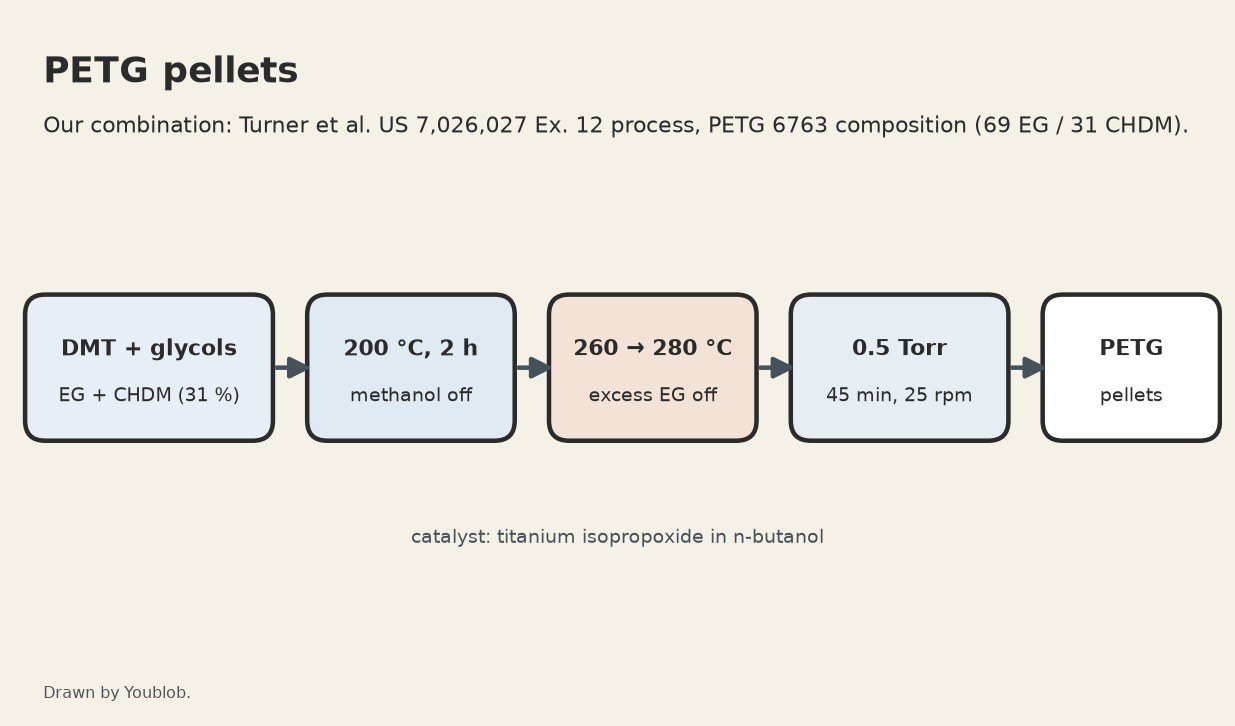
PETG is PET in which part of the ethylene glycol is replaced by CHDM, which keeps the plastic clear and amorphous. Eastman's patent US 7,026,027 describes PETG 6763 as terephthalate with about 69 mol % ethylene glycol and 31 mol % CHDM, but gives no recipe for it. This blueprint is our own combination: that composition, made by the same patent's pilot-plant process (Example 12, written for a CHDM/neopentyl glycol copolyester), with ethylene glycol in place of neopentyl glycol as in Kibler's 1959 Eastman patent. The charge weights are our arithmetic.
The picture: our diagram.
མཐོ་རིམ
About 5 hours
ལམ་སྟོན
1
1
Charge the reactor
Charge the reactor
Our charge for 31 mol % CHDM: 10.669 kg dimethyl terephthalate (54.9 mol, as in the patent's example), 2.456 kg CHDM (31 % of those moles) and 4.058 kg ethylene glycol, so the glycols total 1.5 times the ester moles as in the example. Add 53.4 g of catalyst solution (15 g titanium isopropoxide in 250 ml n-butanol). The patent's reactor held 18 gallons and had spiral agitators and a distillation column.
གོམ་པ་འདིའི་རྫས་རིགས:
 ཌའི་མི་ཐཱའིལ་ཊེ་རེཔ་ཐ་ལེཊ།10.669 kg
 ༡,༤-སའི་ཀློ་ཧེག་སེན་ཌའི་མི་ཐ་ནོལ།2.456 kg
 ཨེ་ཐི་ལིན་གི་ལའི་ཀོལ།4.058 kg
ལག་ཆས་དགོས་མཁོ:
 ཊའི་ཊེ་ནི་ཡམ་ཨའི་སོ་པྲོ་པོཀ་སཱའིཌ།
 n-བུ་ཊ་ནོལ།
 ལག་པ་འདྲ་མཉམ་གྱི་སྲང་།
 ཕྱི་གཡོགས་ཅན་གྱི་ཕོ་ལི་མར་བཟོ་སྣོད།
 ཆ་ཤས་བཙག་བཏོན་ཆས
 རྫས་སྦྱོར་འཐོར་སྲུང་མིག་ཤེལ།
2
2
Ester interchange at 200 °C
Ester interchange at 200 °C
Stir (forward 50 minutes, then reverse 10), heat to 200 °C and hold 2 hours. Methanol distils off through the column.
ལག་ཆས་དགོས་མཁོ:
ཕྱི་གཡོགས་ཅན་གྱི་ཕོ་ལི་མར་བཟོ་སྣོད།ཆ་ཤས་བཙག་བཏོན་ཆས ལྷག་ཆས་ཡོད་པའི་ཐར་མོ་ཀཔཱལ།
3
3
260 °C, then 280 °C
260 °C, then 280 °C
Raise to 260 °C for 30 minutes and weigh the distillate, then raise to 280 °C and weigh it again. The surplus ethylene glycol is driven off; Kibler found the CHDM stays in the polymer.
ལག་ཆས་དགོས་མཁོ:
ཕྱི་གཡོགས་ཅན་གྱི་ཕོ་ལི་མར་བཟོ་སྣོད།ལྷག་ཆས་ཡོད་པའི་ཐར་མོ་ཀཔཱལ།ལག་པ་འདྲ་མཉམ་གྱི་སྲང་།4
4
Polymerise under vacuum
Polymerise under vacuum
Switch the agitator direction every 6 minutes and pull vacuum at 13 Torr a minute down to 0.5 Torr. Hold full vacuum for 45 minutes at 25 rpm.
ལག་ཆས་དགོས་མཁོ:
ཕྱི་གཡོགས་ཅན་གྱི་ཕོ་ལི་མར་བཟོ་སྣོད། རླུང་འཐེན་འཕྲུལ་ཆས།
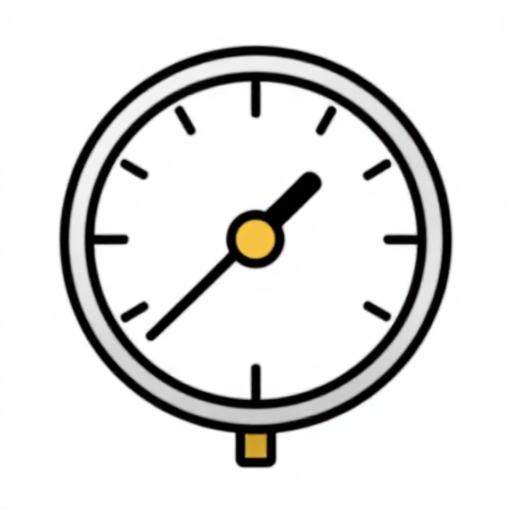 རླུང་སྟོང་འཇལ་ཆས།
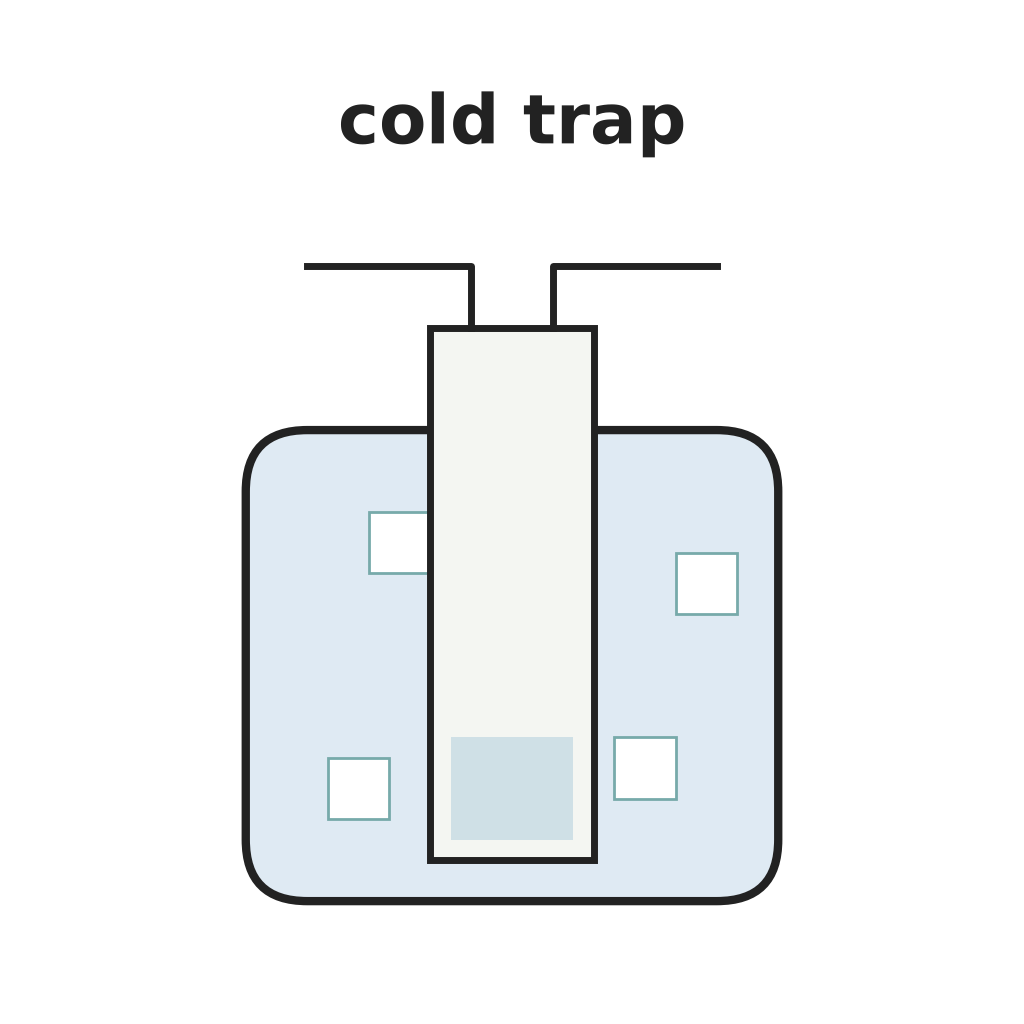 གྲང་མཚོན་འཛིན་ཆས
5
5
Extrude and chop into pellets
Extrude and chop into pellets
Let nitrogen in, extrude the polymer at once and chop it into pellets. Check the composition: in the patent's example the polymer kept slightly less CHDM than was charged (38.1 % for 40.7 %).
ལག་ཆས་དགོས་མཁོ:
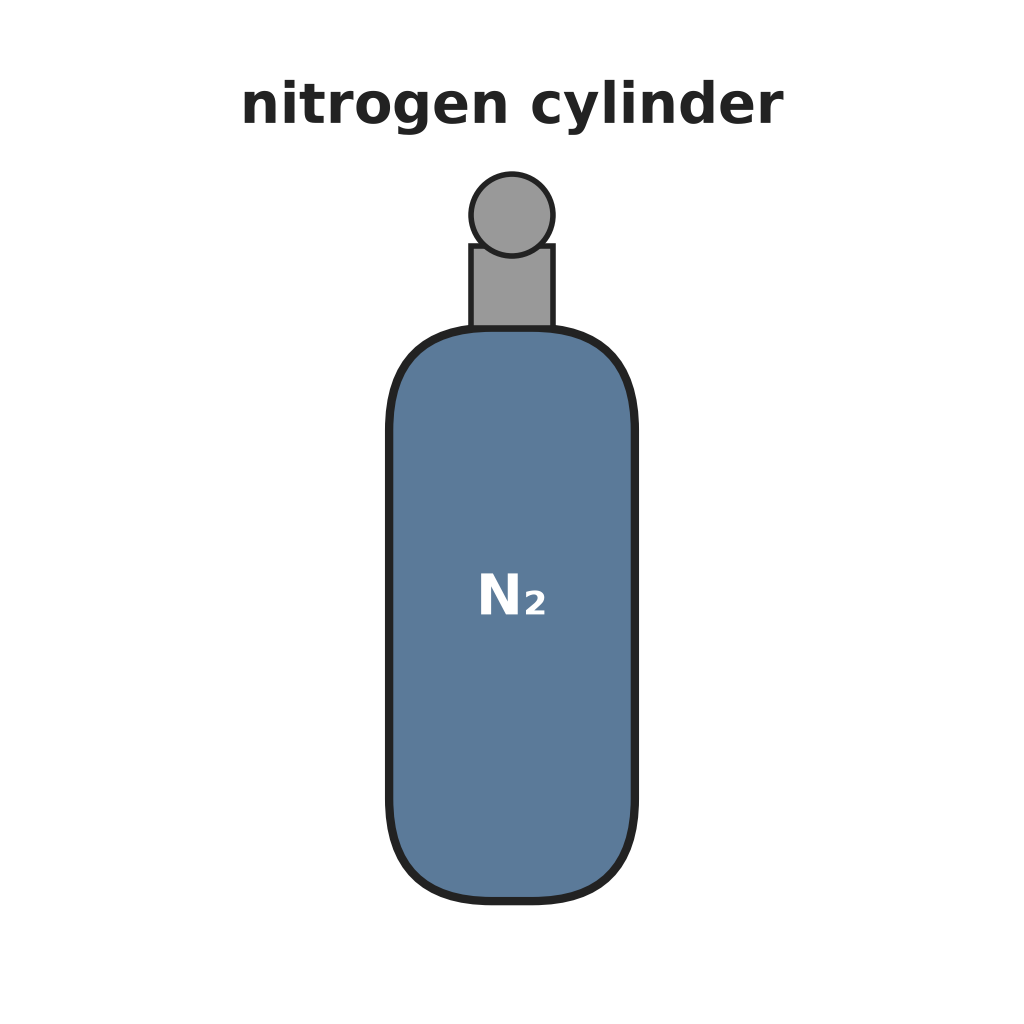 ནའི་ཊྲོ་ཇན་རླུང་སྣོད།
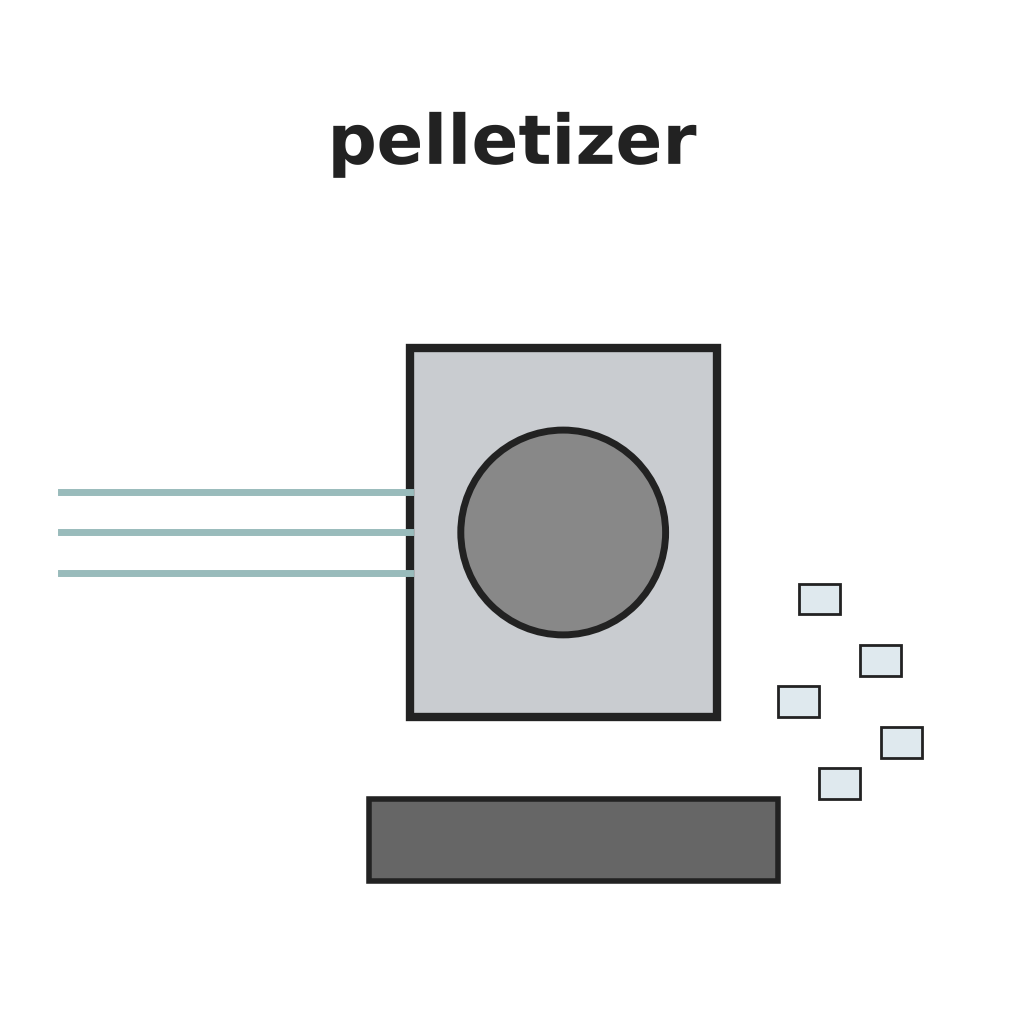 འབྲས་ཆ་བཟོ་འཕྲུལ།
 ཚ་བཟོད་ཀྱི་ལག་ཤུབས།
རྫས་རིགས
3- 10.669 kgས་ཆ་འཛིན
- ས་ཆ་འཛིན
- 4.058 kgས་ཆ་འཛིན
ལག་ཆས་དགོས་མཁོ
13- ས་ཆ་འཛིན
- ས་ཆ་འཛིན
- ས་ཆ་འཛིན
- ས་ཆ་འཛིན
- ས་ཆ་འཛིན
- 1 vendor sell this, none ship to you yetས་ཆ་འཛིན
- ས་ཆ་འཛིན
- ས་ཆ་འཛིན
- ས་ཆ་འཛིན
- ས་ཆ་འཛིན
- ས་ཆ་འཛིན
བིལུ་པིརིན་ཊི་འདི་གིས་བཟོ་མི
འབྲེལ་ཡོད་བིལུ་པིརིན་ཊི
བིལུ་པིརིན་ཊི་འདི་ཚུ་ཐབས་ལམ་དང་རྫས་རིགས། སྤྱི་ཆོས་བགོ་བཤའ་བྱེད
ཉེན་ཁ་ཅན།
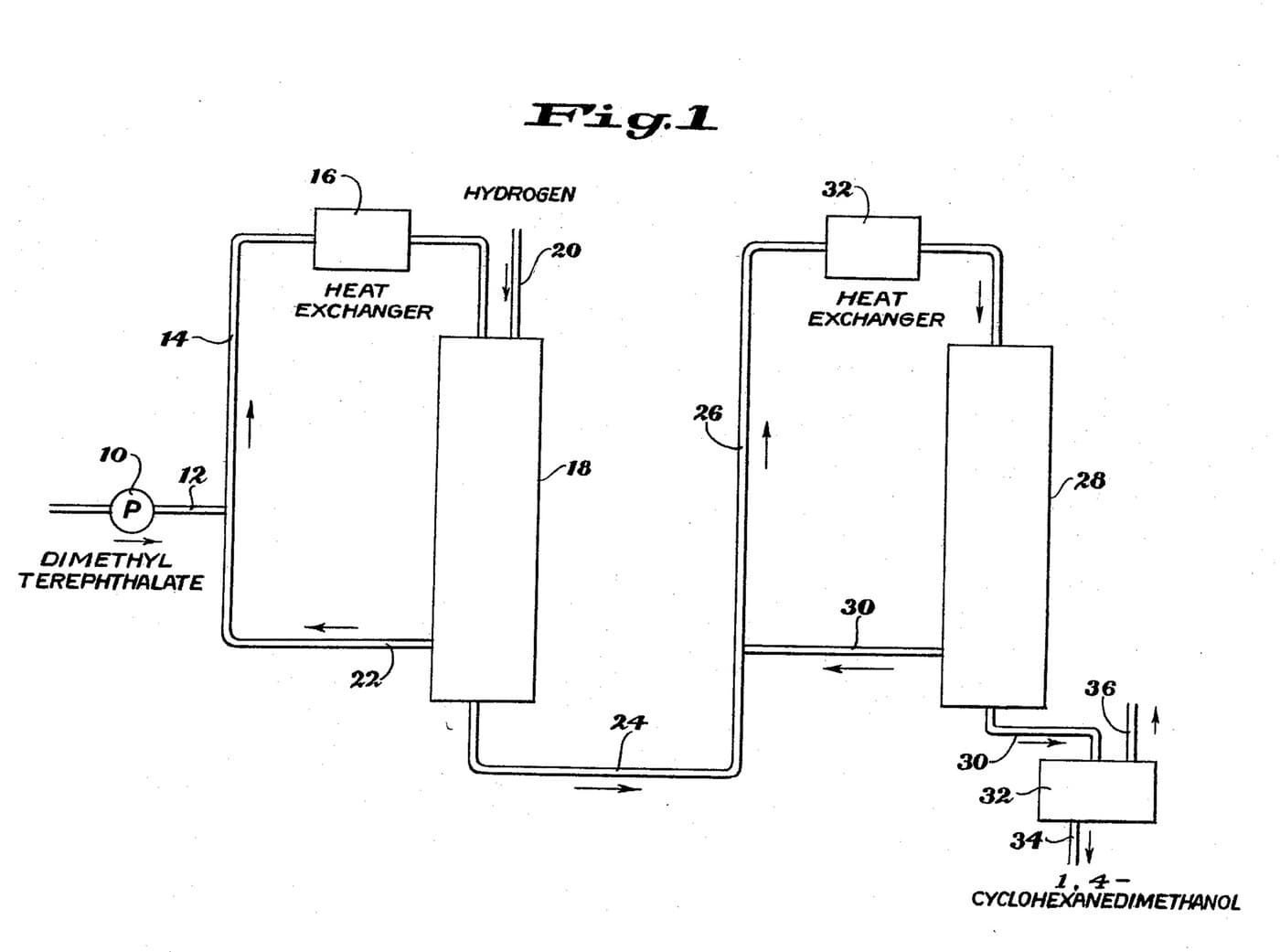
1,4-Cyclohexanedimethanol: Dimethyl Terephthalate Hydrogenated over Palladium, then Copper Chromite
Charlie གྱིས
བཟོ་གྲྭ
༡༣
༠
༠
༠
༠
༠

Dimethyl Terephthalate: Terephthalic Acid and Methanol Sprayed through a Hot Tube
Charlie གྱིས
བཟོ་གྲྭ
༡༢
༠
༠
༠
༠
༠
ཉེན་ཁ་ཅན།
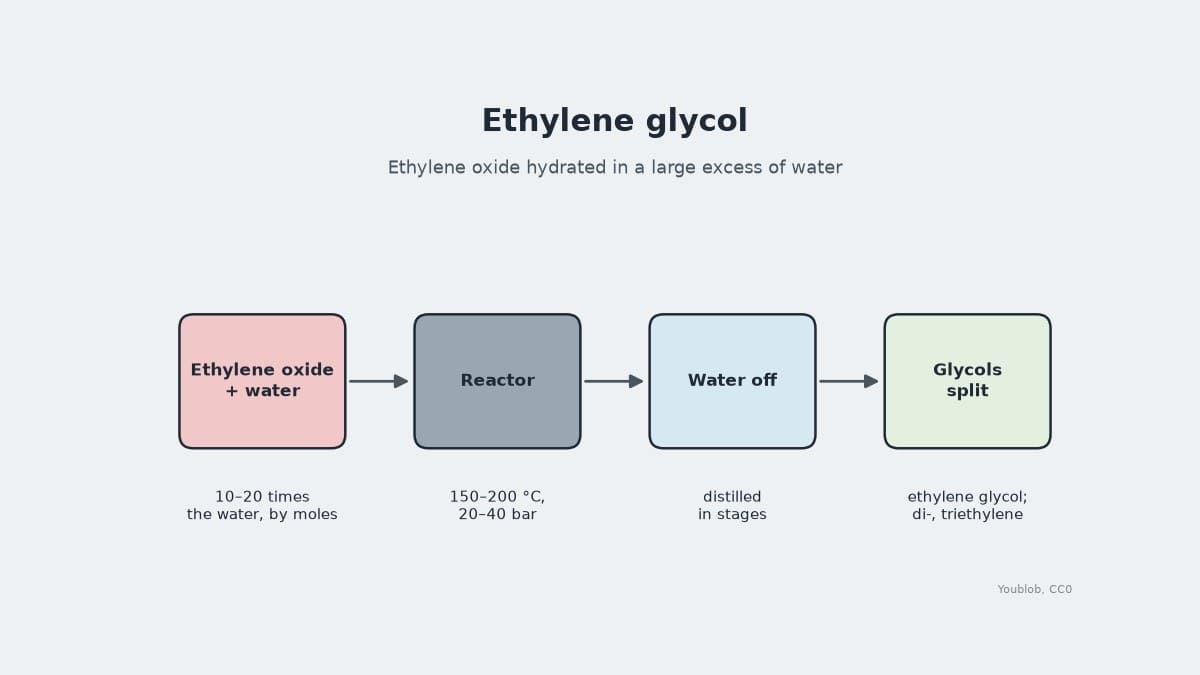
Ethylene Glycol by Hydration of Ethylene Oxide
Charlie གྱིས
བཟོ་གྲྭ
༩
༠
༠
༠
༠
༠
CC0 སྤྱི་དབང
བིལུ་པིརིན་ཊི་འདི་CC0 འོག་བཀྲམས་ཡོད། ཁྱེད་རང་གིས་ཆོག་མཆན་མ་བཞེས་པར་ཕབ་ལེན་དང་བཟོ་བཅོས། བགོ་བཤའ། དགོས་མཁོ་གང་ལའང་བཀོལ་སྤྱོད་བྱས་ཆོག
བཟོ་མཁན་ལ་རྒྱབ་སྐྱོར་བྱེད་པའི་ཆེད་ཁོང་ཚོའི་བིལུ་པིརིན་ཊི་བརྒྱུད་ཐོན་སྐྱེད་ཉོ། བཟོ་མཁན་གྱིས བཟོ་མཁན་གྱི་ཁེ་ཕོགས ཚོང་པས་གཏན་འཁེལ་བྱས་པ། ཡང་ན་བིལུ་པིརིན་ཊི་འདིའི་པར་གསར་བཟོས་ཏེ་ཁྱེད་རང་གི་བིལུ་པིརིན་ཊི་ནང་མཐུད་སྦྲེལ་བྱས་ཏེ་ཡོང་སྒོ་བགོ་བཤའ་བྱེད།