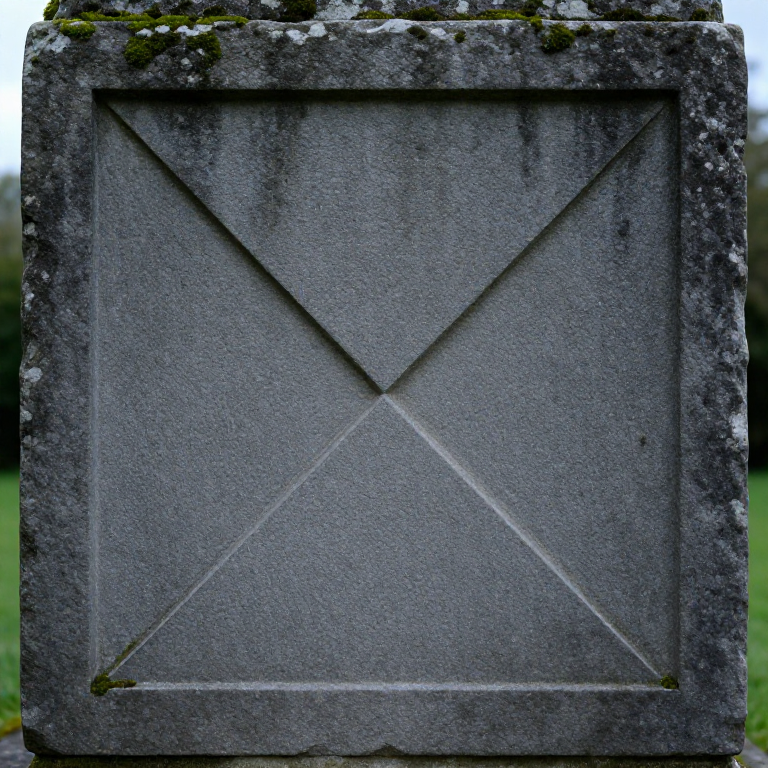


Pigpen Cipher
ལམ་སྟོན
Lay out the four grids
Lay out the four grids
Two hash grids and two X grids hold 26 letters between them.
- Draw a 3×3 hash grid and fill A-I into its cells.
- Draw a second hash grid, fill J-R, and put a dot in each cell.
- Draw two X shapes and fill S-V and W-Z, dotting the second.
གོམ་པ་འདིའི་རྫས་རིགས:
 ཐིག་ཁྲམ་ཤོག་ཀུ།1 pad
 ཐིག་ཤིང་།1 དུམ་བུ།
Write and read a message
Write and read a message
Encipher by drawing each letter's surrounding lines.
- Write a sentence, converting each letter to its cell shape.
- Hand it to someone with the grids and have them read it back.
- Now time yourself writing a second message.
གོམ་པ་འདིའི་རྫས་རིགས:
 གིརེ་ཕཱའིཊ་སྨྱུ་གུའི་ཚོགས་ཆས།1 ཚན་པ།
Measure where it sits in the space
Measure where it sits in the space
Compare its statistical behaviour with a letter substitution.
- Encipher a long passage and tally how often each SYMBOL appears.
- Chart it against your English reference profile.
Vary the layout as a key
Vary the layout as a key
The grid arrangement can itself carry a secret.
- Fill the grids with a scrambled alphabet rather than A-Z in order.
- Or reorder which grid is dotted.
- Exchange messages with a partner using an agreed variant.
གོམ་པ་འདིའི་རྫས་རིགས:
 ཚོན་སྣ་ཚོགས་ཀྱི་ཤོག་སྦོམ་ཐུམ་སྒྲིལ།1 སྒྲིལ་ཐུམ།
History and context
History and context
Geometric substitution alphabets of this kind are old — versions are associated with the Knights Templar and with Jewish and Rosicrucian traditions — but the well-documented use is Freemasonry from the eighteenth century, for records and correspondence. It is common on Masonic gravestones, and Union prisoners used it during the American Civil War.
Its niche is a real one. Pigpen is fast to write, needs no equipment, can be reconstructed from memory, and is visually distinctive — which suits a fraternal record or a monument, where the goal is discretion and identity rather than resistance to a determined analyst. Judged as a secrecy system it is modest; judged against what it was actually used for it is well fitted.
The variants are the interesting part for a catalogue. Which letters go in which grid, whether dots or bars mark the second set, and whether the alphabet is scrambled all vary between traditions — so a surviving inscription can sometimes be attributed to a particular lodge or period by its layout alone. The differences are historical evidence, not errors.
It has become a teaching cipher, appearing in puzzle books and games precisely because the rule is discoverable. Solving it without being told is often a person's first experience of cryptanalysis, which is a decent argument for its continued place.
རྫས་རིགས
4- 1 padས་ཆ་འཛིན
- 1 དུམ་བུ།ས་ཆ་འཛིན
- ས་ཆ་འཛིན
- 1 སྒྲིལ་ཐུམ།ས་ཆ་འཛིན
འབྲེལ་ཡོད་བིལུ་པིརིན་ཊི
བིལུ་པིརིན་ཊི་འདི་ཚུ་ཐབས་ལམ་དང་རྫས་རིགས། སྤྱི་ཆོས་བགོ་བཤའ་བྱེད


CC0 སྤྱི་དབང
བིལུ་པིརིན་ཊི་འདི་CC0 འོག་བཀྲམས་ཡོད། ཁྱེད་རང་གིས་ཆོག་མཆན་མ་བཞེས་པར་ཕབ་ལེན་དང་བཟོ་བཅོས། བགོ་བཤའ། དགོས་མཁོ་གང་ལའང་བཀོལ་སྤྱོད་བྱས་ཆོག
བཟོ་མཁན་ལ་རྒྱབ་སྐྱོར་བྱེད་པའི་ཆེད་ཁོང་ཚོའི་བིལུ་པིརིན་ཊི་བརྒྱུད་ཐོན་སྐྱེད་ཉོ། བཟོ་མཁན་གྱིས བཟོ་མཁན་གྱི་ཁེ་ཕོགས ཚོང་པས་གཏན་འཁེལ་བྱས་པ། ཡང་ན་བིལུ་པིརིན་ཊི་འདིའི་པར་གསར་བཟོས་ཏེ་ཁྱེད་རང་གི་བིལུ་པིརིན་ཊི་ནང་མཐུད་སྦྲེལ་བྱས་ཏེ་ཡོང་སྒོ་བགོ་བཤའ་བྱེད།