སྒྱུ་རྩལ
མཛེས་སྡུག་དང་བདེ་ཐང
བཟོ་རིག
རིག་གནས་དང་ལོ་རྒྱུས
དགའ་སྟོན
ཁོར་ཡུག
ཟས་དང་བཏུང་རྫས
ཕྱིར་འཕྲུལ་རིག
ཚན་རིག
རྩེད་འགྲན
རིག་རྩལ
གྱོན་རུང
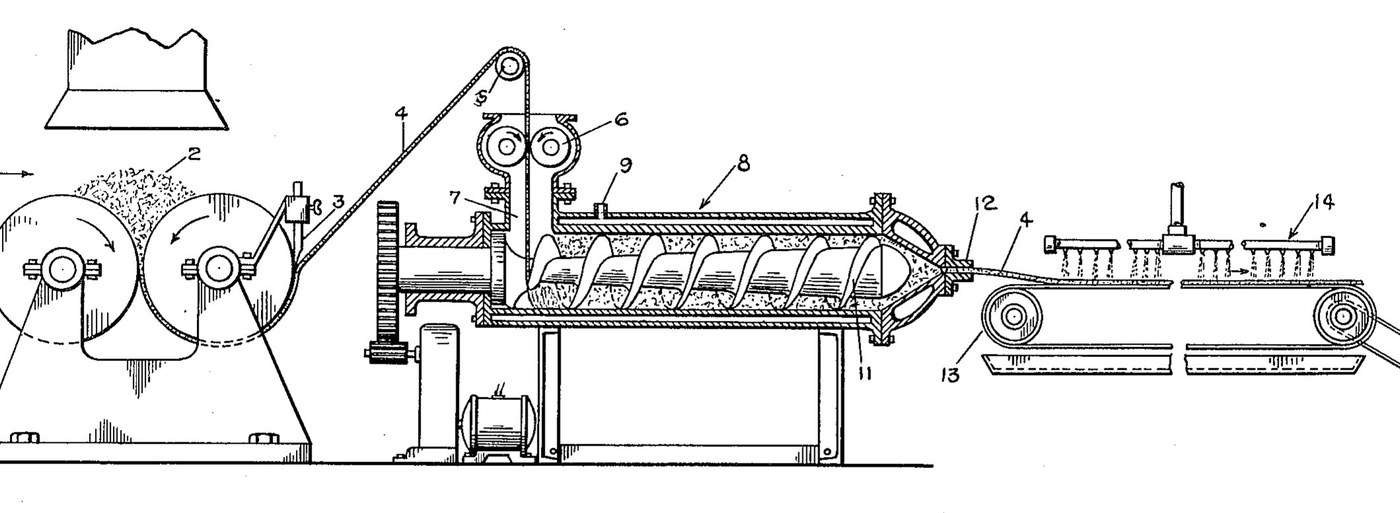


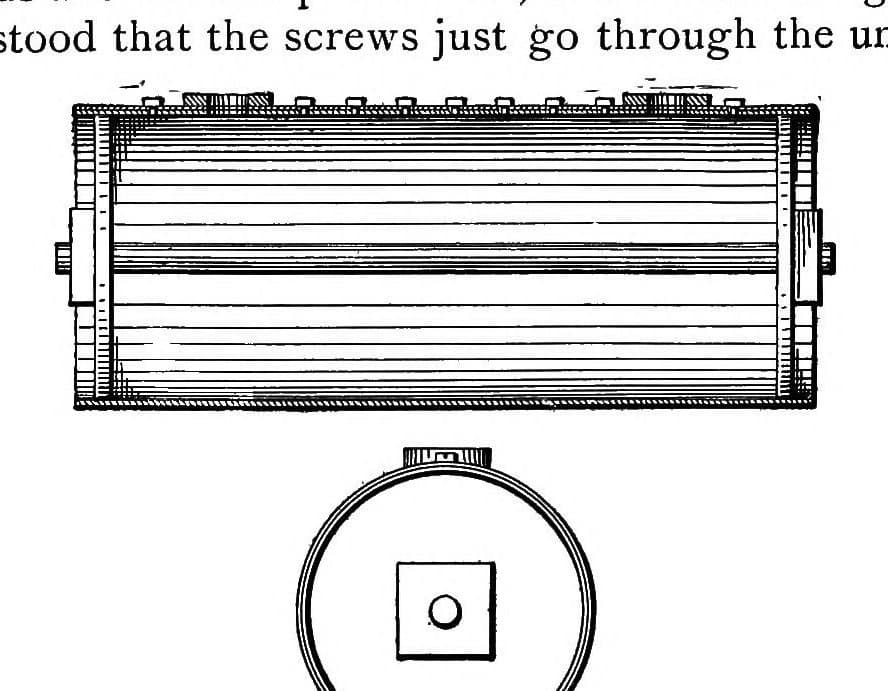
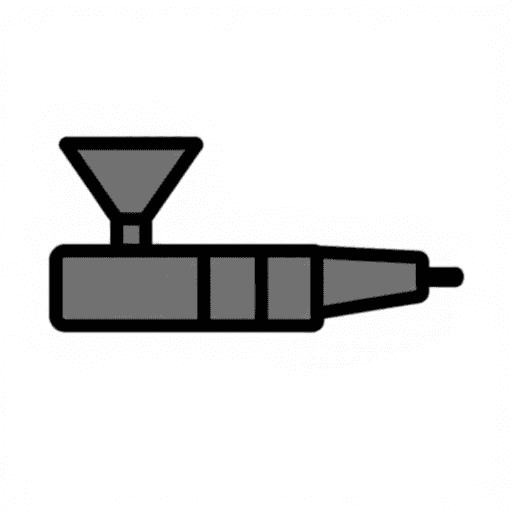
Plastic Extruder: Steam-Jacketed Screw Stuffer with a Heated Nozzle (Andersen & Strasdin, US 2,384,521, 1945)
A screw extruder for thermoplastics: a turning screw in a steam-jacketed barrel pushes hot, softened plastic forward through a short nozzle heated electrically. The barrel is kept a little below the plastic's flow temperature and the nozzle well above it, so the extruded rod comes out with a smooth, glass-like skin.
Result: an extruder that makes rod, tube or strip at 25 to 30 feet a minute.
Source: B. Andersen and R. F. Strasdin (Celanese), US 2,384,521 (1945). Unknown: sizes and metals. Picture: the patent drawing.
མཐོ་རིམ
Unknown
ལམ་སྟོན
1
1
Make the screw
Make the screw
Turn a screw to fit the barrel. Its thread may be single or double; to press the plastic harder toward the nozzle, make the pitch increase or the groove get shallower toward that end. Example: a double-thread screw. Ours: mild steel. Not given: sizes.
གོམ་པ་འདིའི་རྫས་རིགས:
 ལྕགས་འཇམ་གྱི་ལྕགས་ཕྲེང་སྒོར་སྒོརམ།1 screw
ལག་ཆས་དགོས་མཁོ:
 ལྕགས་ཀྱི་འཁྲུལ་འཁོར།
 གཤག་གཏུབ་འཁྲུལ་འཁོར།
 མ་ཤེས་པའི་ཚད།
2
2
Make the jacketed barrel
Make the jacketed barrel
Make the barrel with a steam jacket round it and a steam port into the jacket, and a feed throat at the back end. The inside wall may be grooved, pitched so that every flight of the screw always meets a groove; this stops the plastic slipping. Not given: the metal, the steam pressure.
གོམ་པ་འདིའི་རྫས་རིགས:
 མ་ཤེས་པའི་ལྕགས་རིགས།1 barrel and jacket
ལག་ཆས་དགོས་མཁོ:
ལྕགས་ཀྱི་འཁྲུལ་འཁོར།མ་ཤེས་པའི་ཚད།3
3
Fit the heated nozzle
Fit the heated nozzle
At the front, fit a streamlined nozzle head so no plastic can pocket and decompose, and a nozzle 1/2 to 18 inches long; about 6 inches in the example. Perforated plates may go between the screw and the nozzle. Heat the nozzle with an electric resistance coil. Ours: nichrome wire.
གོམ་པ་འདིའི་རྫས་རིགས:
མ་ཤེས་པའི་ལྕགས་རིགས།1 nozzle head and nozzle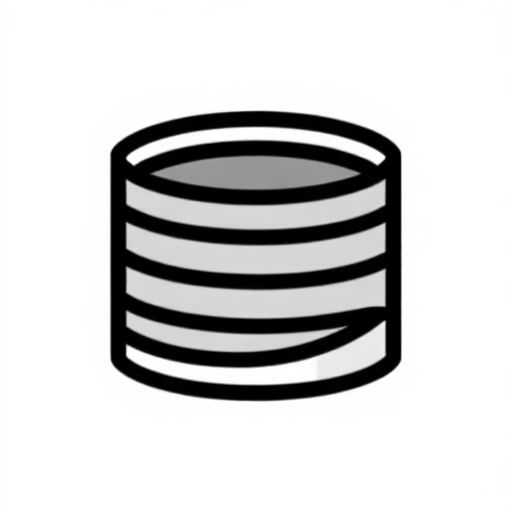 ནའི་ཀོརོམ་གྱི་ལྕགས་སྐུད།1 nozzle heating coil
 མ་ཤེས་པའི་གློག་འགོག་རྒྱུ་ཆ།1 coil insulation
ལག་ཆས་དགོས་མཁོ:
ལྕགས་ཀྱི་འཁྲུལ་འཁོར།4
4
Drive the screw
Drive the screw
Drive the screw through a gear from a motor, so its speed can be kept steady; 20 revolutions a minute in the example. Not given: the drive.
གོམ་པ་འདིའི་རྫས་རིགས:
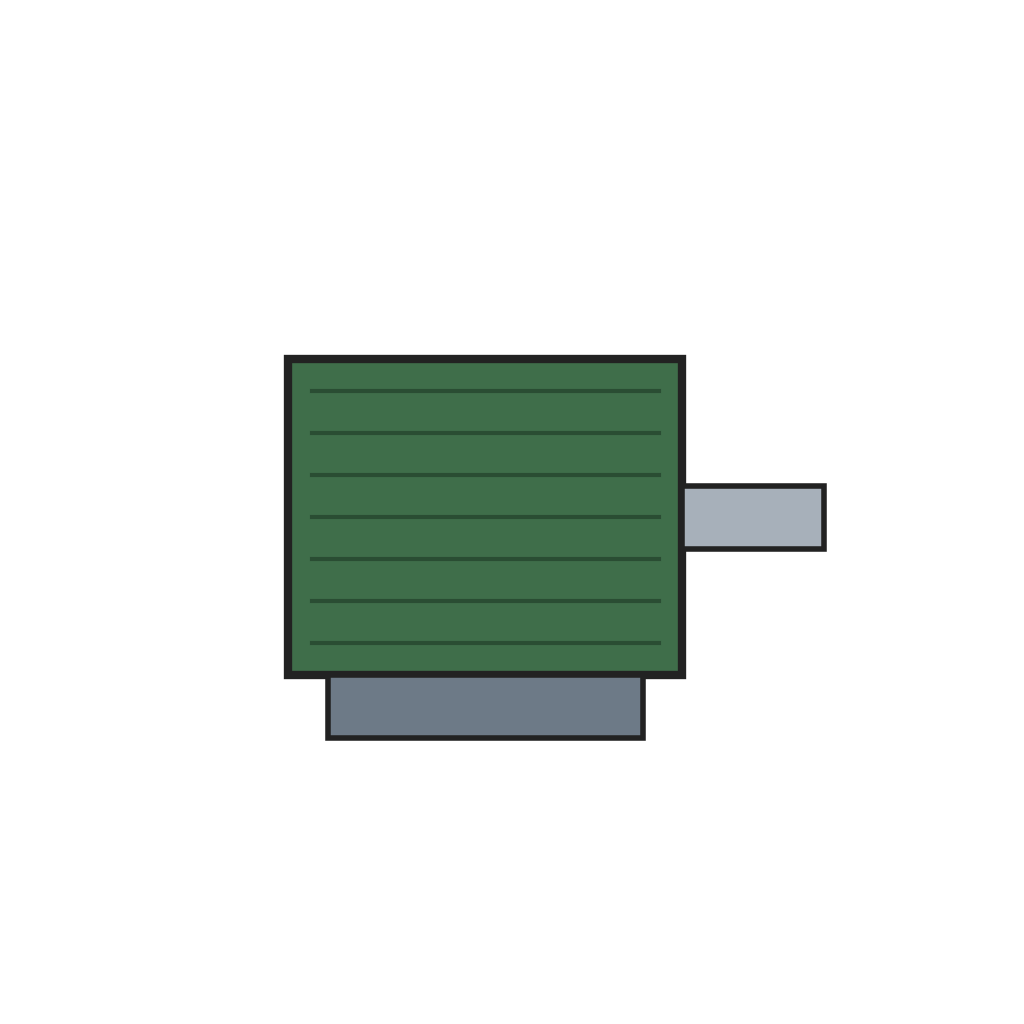 གློག་འཁོར།1 drive motorམ་ཤེས་པའི་ལྕགས་རིགས།1 drive gears
ལག་ཆས་དགོས་མཁོ:
མ་ཤེས་པའི་ཚད།5
5
Extrude a rod
Extrude a rod
Keep the barrel 0 to 100 °F below the plastic's flow temperature and the nozzle 50 to 100 °F above it. Example: barrel at about 270 °F by steam, nozzle at about 400 °F, for a cellulose acetate with a flow temperature of 307 °F. Feed the hot, softened plastic into the throat at a steady rate. Carry the rod away on a conveyor and cool it at once with cold water, then cut it to length.
ལག་ཆས་དགོས་མཁོ:
 རླངས་པའི་ཁོལ་སྣོད།
 པཱའི་རོ་མི་ཊར
 བསིལ་བཏང་ནིའི་ཆུ
རྫས་རིགས
5- ས་ཆ་འཛིན
- 1 drive gearsས་ཆ་འཛིན
- 1 nozzle heating coilས་ཆ་འཛིན
- 1 coil insulationས་ཆ་འཛིན
- 1 drive motorས་ཆ་འཛིན
ལག་ཆས་དགོས་མཁོ
6- ས་ཆ་འཛིན
- ས་ཆ་འཛིན
- ས་ཆ་འཛིན
- ས་ཆ་འཛིན
- ས་ཆ་འཛིན
- ས་ཆ་འཛིན
མཐུད་སྦྲེལ་བིལུ་པིརིན་ཊི་རྫས་རིགས

བིལུ་པིརིན་ཊི་འདི་གིས་བཟོ་མི
CC0 སྤྱི་དབང
བིལུ་པིརིན་ཊི་འདི་CC0 འོག་བཀྲམས་ཡོད། ཁྱེད་རང་གིས་ཆོག་མཆན་མ་བཞེས་པར་ཕབ་ལེན་དང་བཟོ་བཅོས། བགོ་བཤའ། དགོས་མཁོ་གང་ལའང་བཀོལ་སྤྱོད་བྱས་ཆོག
བཟོ་མཁན་ལ་རྒྱབ་སྐྱོར་བྱེད་པའི་ཆེད་ཁོང་ཚོའི་བིལུ་པིརིན་ཊི་བརྒྱུད་ཐོན་སྐྱེད་ཉོ། བཟོ་མཁན་གྱིས བཟོ་མཁན་གྱི་ཁེ་ཕོགས ཚོང་པས་གཏན་འཁེལ་བྱས་པ། ཡང་ན་བིལུ་པིརིན་ཊི་འདིའི་པར་གསར་བཟོས་ཏེ་ཁྱེད་རང་གི་བིལུ་པིརིན་ཊི་ནང་མཐུད་སྦྲེལ་བྱས་ཏེ་ཡོང་སྒོ་བགོ་བཤའ་བྱེད།