སྒྱུ་རྩལ
མཛེས་སྡུག་དང་བདེ་ཐང
བཟོ་རིག
རིག་གནས་དང་ལོ་རྒྱུས
དགའ་སྟོན
ཁོར་ཡུག
ཟས་དང་བཏུང་རྫས
ཕྱིར་འཕྲུལ་རིག
ཚན་རིག
རྩེད་འགྲན
རིག་རྩལ
གྱོན་རུང
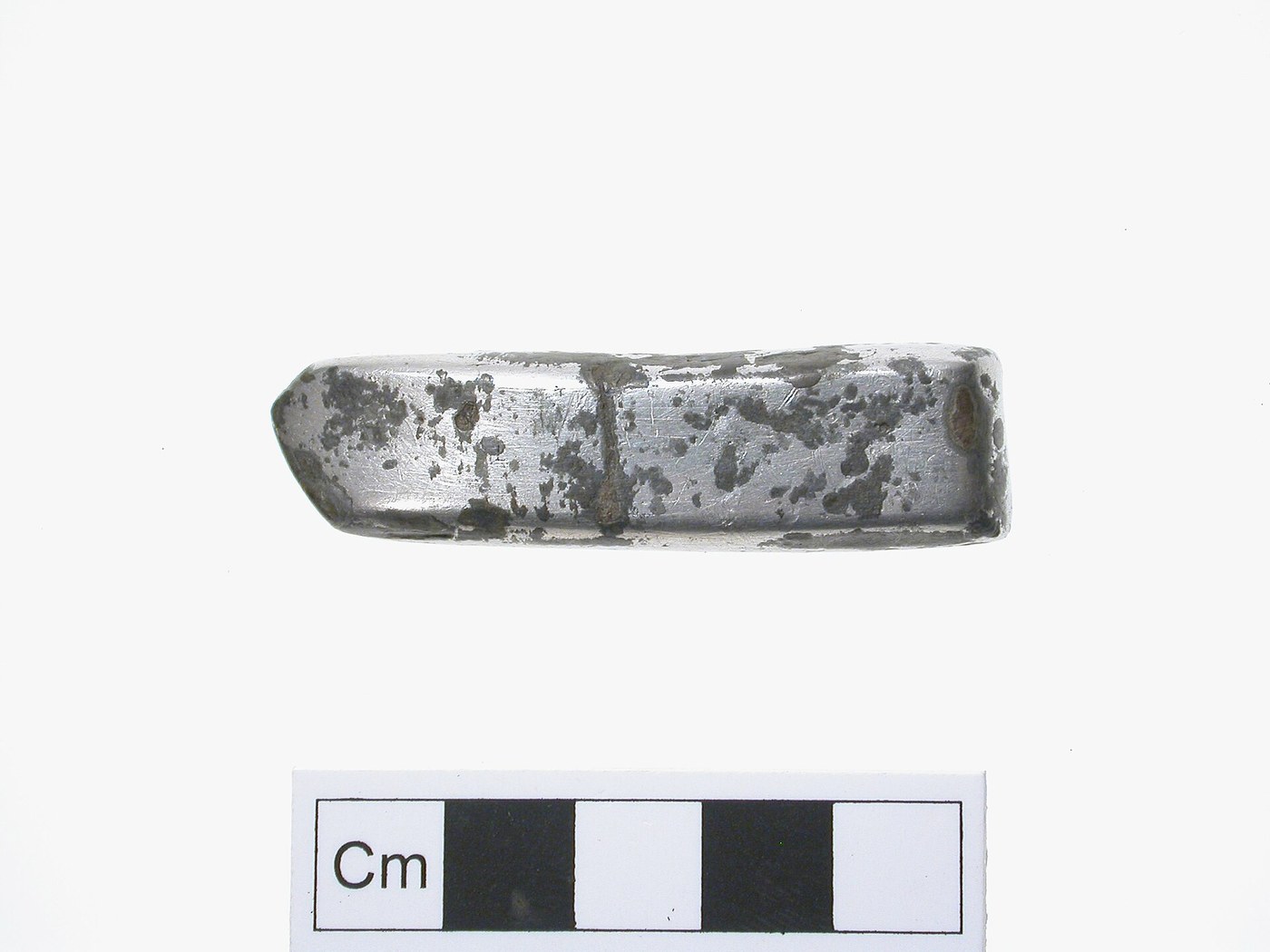


Plate Pewter: Tin with Antimony, Bismuth and Copper, Ure 1839
Pewter is mostly tin, made harder with a little of other metals. Andrew Ure (1839) gives the best English plate pewter, the hardest grade, used for plates and dishes, as 100 tin, 8 antimony, 2 bismuth and 2 copper: no lead, which he warns can poison vinegar and wine kept in cheaper pewter.
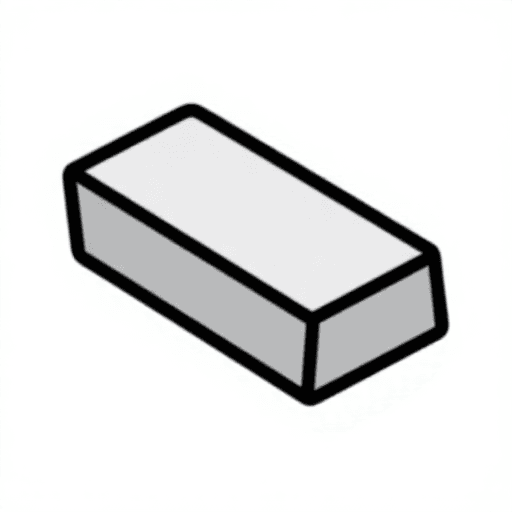
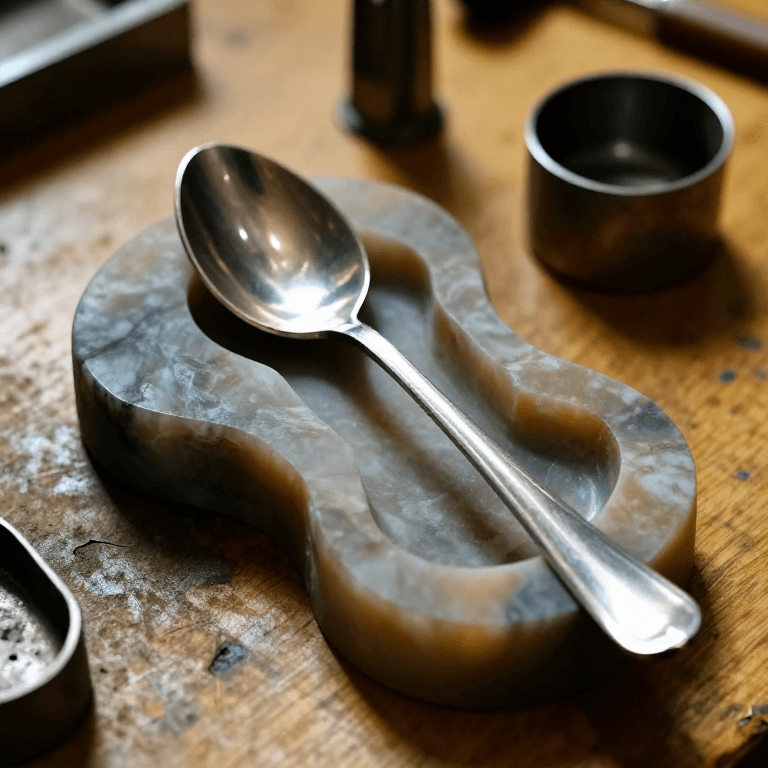
The picture: a small pewter ingot recorded by the Portable Antiquities Scheme.
བར་མ
An afternoon
ལམ་སྟོན
1
1
Weigh the charge
Weigh the charge
Weigh the four metals in Ure's proportions (see the notebook). Cut the copper into small pieces.
གོམ་པ་འདིའི་རྫས་རིགས:
 གསའི་གདུང་མ།446 g
 ཨེན་ཊི་མོ་ནི36 g
 བིསི་མཐ་9 g
 ཟངས་ཀྱི་ཐུར་གོང9 g
ལག་ཆས་དགོས་མཁོ:
 ལག་པ་འདྲ་མཉམ་གྱི་སྲང་།
2
2
Melt the tin, then the rest
Melt the tin, then the rest
Melt the tin in a clay crucible over the charcoal fire. Stir in the antimony and bismuth, then the copper pieces, keeping the heat up and stirring until the copper has dissolved and the metal is one even liquid.
གོམ་པ་འདིའི་རྫས་རིགས:
 སོལ་བ།1 as required
ལག་ཆས་དགོས་མཁོ:
 འཇིམ་གྱི་ཞུན་སྣོད — མེ་བཟོད།
 སོལ་བའི་མེ་ཐབ།
 ལྕགས་ཀྱི་དཀྲུག་ཆས།
 བཞུ་སྣོད་ཀྱི་གཟེར་ཆས།
 ཚ་བཟོད་ཀྱི་ལག་ཤུབས།
 ཀོ་བའི་སྣམ་སྦྱར།
3
3
Skim and pour
Skim and pour
Skim off the dross and pour into a warmed ingot mould in one run.
ལག་ཆས་དགོས་མཁོ:
 ལྕགས་བྱང་བུའི་སྒྲོམ།བཞུ་སྣོད་ཀྱི་གཟེར་ཆས།ཚ་བཟོད་ཀྱི་ལག་ཤུབས།ཀོ་བའི་སྣམ་སྦྱར།
4
4
Ure's plate pewter
Ure's plate pewter
Jupyter ཚང་དེབ་མངོན་གསལ་འབད་དོ་…
རྫས་རིགས
5- 446 gས་ཆ་འཛིན
- 36 gས་ཆ་འཛིན
- 9 gས་ཆ་འཛིན
- ས་ཆ་འཛིན
- 1 as requiredས་ཆ་འཛིན
ལག་ཆས་དགོས་མཁོ
8- ས་ཆ་འཛིན
- ས་ཆ་འཛིན
- ས་ཆ་འཛིན
- ས་ཆ་འཛིན
- ས་ཆ་འཛིན
- ས་ཆ་འཛིན
- ས་ཆ་འཛིན
- ས་ཆ་འཛིན
བིལུ་པིརིན་ཊི་འདི་གིས་བཟོ་མི
འབྲེལ་ཡོད་བིལུ་པིརིན་ཊི
བིལུ་པིརིན་ཊི་འདི་ཚུ་ཐབས་ལམ་དང་རྫས་རིགས། སྤྱི་ཆོས་བགོ་བཤའ་བྱེད
CC0 སྤྱི་དབང
བིལུ་པིརིན་ཊི་འདི་CC0 འོག་བཀྲམས་ཡོད། ཁྱེད་རང་གིས་ཆོག་མཆན་མ་བཞེས་པར་ཕབ་ལེན་དང་བཟོ་བཅོས། བགོ་བཤའ། དགོས་མཁོ་གང་ལའང་བཀོལ་སྤྱོད་བྱས་ཆོག
བཟོ་མཁན་ལ་རྒྱབ་སྐྱོར་བྱེད་པའི་ཆེད་ཁོང་ཚོའི་བིལུ་པིརིན་ཊི་བརྒྱུད་ཐོན་སྐྱེད་ཉོ། བཟོ་མཁན་གྱིས བཟོ་མཁན་གྱི་ཁེ་ཕོགས ཚོང་པས་གཏན་འཁེལ་བྱས་པ། ཡང་ན་བིལུ་པིརིན་ཊི་འདིའི་པར་གསར་བཟོས་ཏེ་ཁྱེད་རང་གི་བིལུ་པིརིན་ཊི་ནང་མཐུད་སྦྲེལ་བྱས་ཏེ་ཡོང་སྒོ་བགོ་བཤའ་བྱེད།