སྒྱུ་རྩལ
མཛེས་སྡུག་དང་བདེ་ཐང
བཟོ་རིག
རིག་གནས་དང་ལོ་རྒྱུས
དགའ་སྟོན
ཁོར་ཡུག
ཟས་དང་བཏུང་རྫས
ཕྱིར་འཕྲུལ་རིག
ཚན་རིག
རྩེད་འགྲན
རིག་རྩལ
གྱོན་རུང
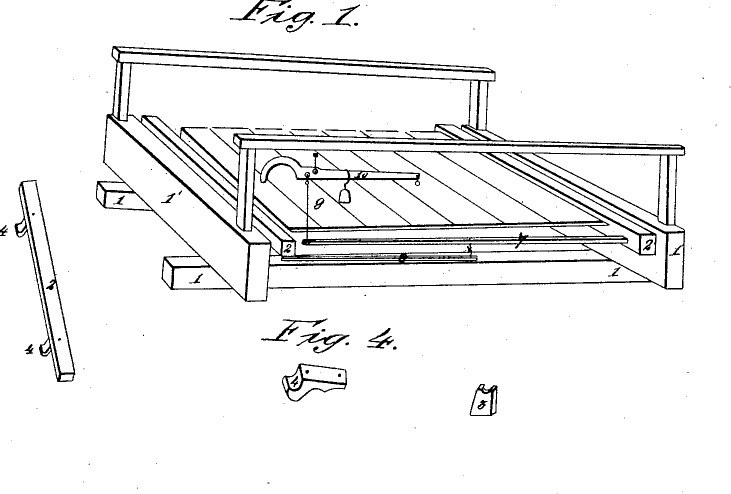


Platform Scale: Four Knife-Edge Hinges and Two Levers to a Steelyard (Fairbanks, 1831)
A scale for wagons and carts, reading the same wherever the load stands. Erastus and Thaddeus Fairbanks of St. Johnsbury, Vermont, patented it in 1831. A plank platform nine by twelve feet rests on four knife-edge hinges, one at each corner, and two levers gather the load from all four onto one rod. The rod pulls on an ordinary steelyard, which then reads only a tenth or a twentieth of the load.
Result: a platform scale reading ten times (or twenty times) what the steelyard shows, the same wherever the load stands on the platform.
Source: E. & T. Fairbanks, US Patent No. 118 (1837), restating their patent of 13 June 1831. Unknown: the material and sizes of the hinges, knife-edges, fulcra and levers. Picture: patent drawing.
མཐོ་རིམ
1 week
ལམ་སྟོན
1
1
Build the frame
Build the frame
Lay two timber bed-sills, about 10 inches square and 16 feet long, parallel and about 7 feet apart. Bolt two end timbers, 8 by 14 inches and 12 feet long, across them near their ends. Just inside the end timbers, lay the two rockers, 8 inches square and 9 feet long, with their tops flush with the end timbers. Ours: carriage bolts.
གོམ་པ་འདིའི་རྫས་རིགས:
 གྲུ་བཞི་བཟོས་པའི་ཤིང་6 2 sills, 2 end timbers, 2 rockers
 མགོ་ཟླུམ་གྱི་བོལ་ཊུ།1 ཚན་པ།
ལག་ཆས་དགོས་མཁོ:
 མི་གཉིས་ཀྱི་ཁ་ཐུག་སོག་ལེ།
 ས་ཁུང་བསྐོར་ཆས།
 ཐོ་བ།
2
2
Fit the four knife-edge hinges
Fit the four knife-edge hinges
Bolt a hinge firmly under each end of each rocker, one at every corner of the machine. Each hinge carries two knife-edges. One rests on a fulcrum standing on the bed-sill; the other reaches out to carry the platform. Set every knife-edge parallel to the others: knife-edges at an angle cramp and bind. Not given: the material and size of the hinges, knife-edges and fulcra.
གོམ་པ་འདིའི་རྫས་རིགས:
 ངོ་མ་ཤེས་པའི་རྒྱུ་ཆ།1 4 hinges, 8 knife-edges, 4 fulcraམགོ་ཟླུམ་གྱི་བོལ་ཊུ།1 ཚན་པ།
ལག་ཆས་དགོས་མཁོ:
ས་ཁུང་བསྐོར་ཆས། མ་ཤེས་པའི་ཚད།
3
3
Join the levers
Join the levers
Run a horizontal lever from each rocker. The longer lever reaches across nearly to the opposite rocker. The shorter one ends at a point equally far from the axes of both, and hangs there from the longer lever by a chain, rod or stirrup, so the two act as one. From the end of the longer lever a rod rises straight up to a steelyard hung from a fixed support. With the two knife-edges of each hinge 6 inches apart and the rod hung 60 inches from the lever's axis, the load is ten times the steelyard reading; at 120 inches it is twenty times. Not given: the lever material. Ours: an iron chain and a wrought iron rod.
གོམ་པ་འདིའི་རྫས་རིགས:
ངོ་མ་ཤེས་པའི་རྒྱུ་ཆ།1 2 levers ལྕགས་ཐག།1 lever link
 བརྡུངས་ལྕགས་ཀྱི་དབྱུག་པ1 rod to the steelyard
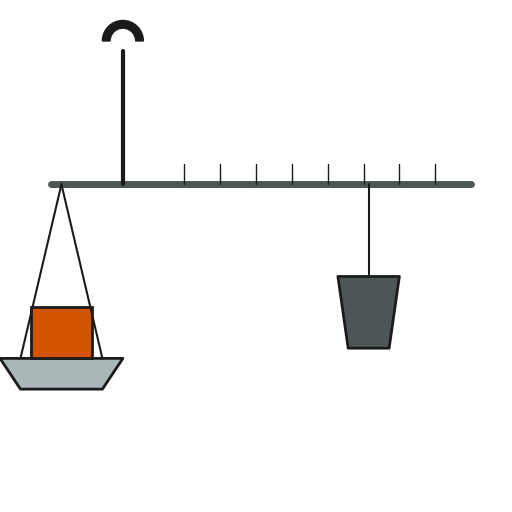 ལྗིད་རྡོ་འདྲེད་ཅན་གྱི་སྲང་།1 དུམ་བུ།
ལག་ཆས་དགོས་མཁོ:
མ་ཤེས་པའི་ཚད།4
4
Lay the platform
Lay the platform
Lay two timbers, short enough to pass freely between the rockers, parallel over the bed-sills. Spike stout planks 9 feet long across them, making a platform of about 9 by 12 feet. Under these timbers fasten iron plates that rest on the inner knife-edges of the hinges. Ours: nails as the spikes.
གོམ་པ་འདིའི་རྫས་རིགས:
གྲུ་བཞི་བཟོས་པའི་ཤིང་2 platform timbers ཤིང་ལེབ།1 for 9 x 12 ft
 ལྕགས་ལེབ4 དུམ་བུ།
 གཟེར་བུ1 as needed
ལག་ཆས་དགོས་མཁོ:
མི་གཉིས་ཀྱི་ཁ་ཐུག་སོག་ལེ།ཐོ་བ།རྫས་རིགས
9- 2 platform timbersས་ཆ་འཛིན
- 2 ཚན་པ།ས་ཆ་འཛིན
- 1 2 leversས་ཆ་འཛིན
- 1 lever linkས་ཆ་འཛིན
- 1 rod to the steelyardས་ཆ་འཛིན
- 1 དུམ་བུ།ས་ཆ་འཛིན
- 1 for 9 x 12 ftས་ཆ་འཛིན
- 4 དུམ་བུ།ས་ཆ་འཛིན
- 1 as neededས་ཆ་འཛིན
མཐུད་སྦྲེལ་བིལུ་པིརིན་ཊི་རྫས་རིགས
བིལུ་པིརིན་ཊི་འདི་གིས་བཟོ་མི

འབྲེལ་ཡོད་བིལུ་པིརིན་ཊི
བིལུ་པིརིན་ཊི་འདི་ཚུ་ཐབས་ལམ་དང་རྫས་རིགས། སྤྱི་ཆོས་བགོ་བཤའ་བྱེད



CC0 སྤྱི་དབང
བིལུ་པིརིན་ཊི་འདི་CC0 འོག་བཀྲམས་ཡོད། ཁྱེད་རང་གིས་ཆོག་མཆན་མ་བཞེས་པར་ཕབ་ལེན་དང་བཟོ་བཅོས། བགོ་བཤའ། དགོས་མཁོ་གང་ལའང་བཀོལ་སྤྱོད་བྱས་ཆོག
བཟོ་མཁན་ལ་རྒྱབ་སྐྱོར་བྱེད་པའི་ཆེད་ཁོང་ཚོའི་བིལུ་པིརིན་ཊི་བརྒྱུད་ཐོན་སྐྱེད་ཉོ། བཟོ་མཁན་གྱིས བཟོ་མཁན་གྱི་ཁེ་ཕོགས ཚོང་པས་གཏན་འཁེལ་བྱས་པ། ཡང་ན་བིལུ་པིརིན་ཊི་འདིའི་པར་གསར་བཟོས་ཏེ་ཁྱེད་རང་གི་བིལུ་པིརིན་ཊི་ནང་མཐུད་སྦྲེལ་བྱས་ཏེ་ཡོང་སྒོ་བགོ་བཤའ་བྱེད།