སྒྱུ་རྩལ
མཛེས་སྡུག་དང་བདེ་ཐང
བཟོ་རིག
རིག་གནས་དང་ལོ་རྒྱུས
དགའ་སྟོན
ཁོར་ཡུག
ཟས་དང་བཏུང་རྫས
ཕྱིར་འཕྲུལ་རིག
ཚན་རིག
རྩེད་འགྲན
རིག་རྩལ
གྱོན་རུང
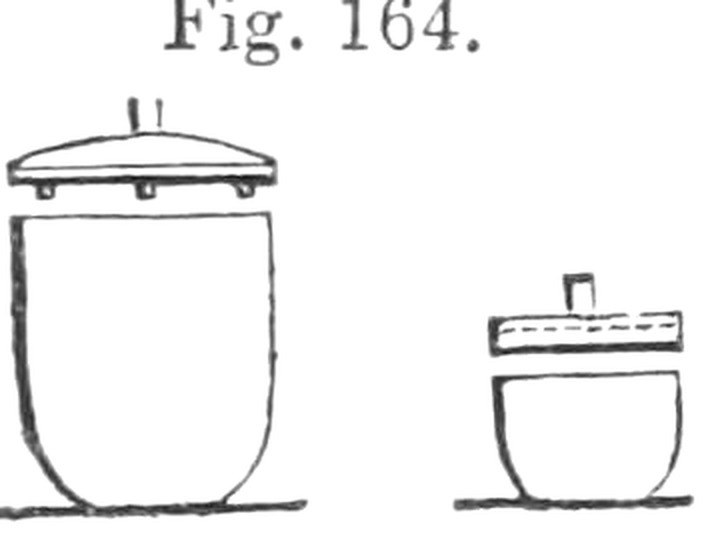


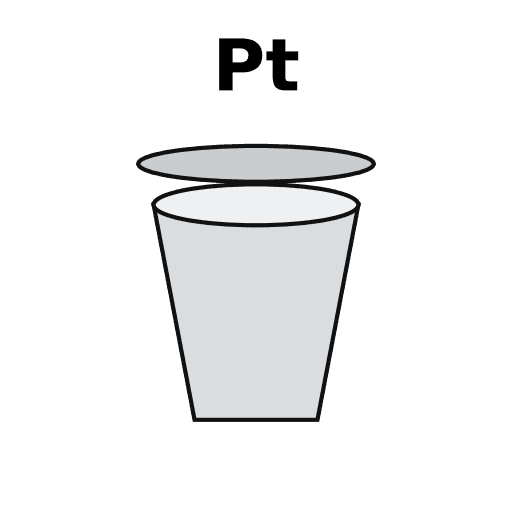
Platinum Crucible: Shaped from Foil in a Hollow in a Board (Morfit, 1849)
A small platinum crucible for igniting precipitates at high heat. Campbell Morfit (1849): "The experimenter himself can in any emergency readily form a crucible out of platinum foil by shaping it with the thumb or a small hammer, in a hemispherical cavity made in a board for the purpose."
Platinum crucibles must be of pure metal and hammered, not turned; thin enough to weigh on a delicate balance. Foil thickness and the size of the hollow are not given.
Source: C. Morfit, Chemical and Pharmaceutic Manipulations (1849), pp. 196-197. Picture: Fig. 164.
འགོ་བཙུགས
Unknown
ལམ་སྟོན
1
1
Read Morfit
Read Morfit
"The experimenter himself can in any emergency readily form a crucible out of platinum foil by shaping it with the thumb or a small hammer, in a hemispherical cavity made in a board for the purpose."
2
2
Make the hollow
Make the hollow
Cut a hemispherical cavity in a board, the size of the crucible wanted. Morfit's crucibles hold from a fluidrachm to three fluid ounces; a half-ounce one is the most needed in analysis. How the cavity is cut is not given (ours: a gouge in a hardwood board).
ལག་ཆས་དགོས་མཁོ:
 ཤིང་སྲ་བའི་པང་ལེབ།
 གཟོང་གུག་མ།
 མ་ཤེས་པའི་ཚད།
3
3
Shape the foil
Shape the foil
Lay a piece of pure platinum foil over the hollow and press it in with the thumb, or work it in with a small hammer, until it takes the hemispherical shape. The foil thickness, and how the foil is made, are not given (unknown).
གོམ་པ་འདིའི་རྫས་རིགས:
 པ་ལ་ཊི་ནམ་1 foil
ལག་ཆས་དགོས་མཁོ:
ཤིང་སྲ་བའི་པང་ལེབ། མགོ་སྒོར་སྒོར་གྱི་ཐོ་བ།
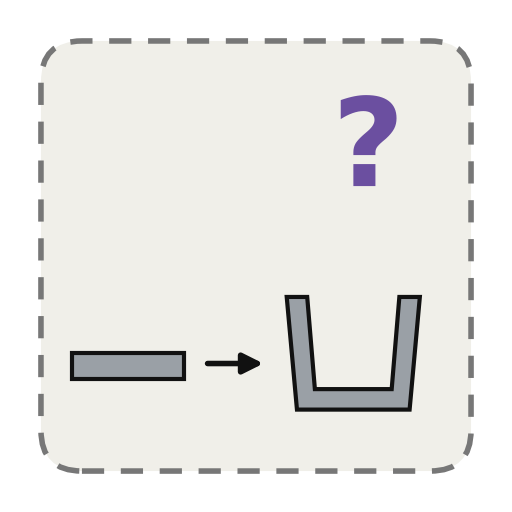 དབྱིབས་བཟོ་ཐངས་མ་ཤེས་པ།
4
4
Care of the crucible
Care of the crucible
Blisters and flaws that appear after use come from impure metal and bad workmanship; remove them by the force of a small hammer. Loosen salts with boiling water and rub off stains with sand or pumice stone. Do not use sharp pointed instruments on it.
ལག་ཆས་དགོས་མཁོ:
མགོ་སྒོར་སྒོར་གྱི་ཐོ་བ།རྫས་རིགས
1- 1 foilས་ཆ་འཛིན
ལག་ཆས་དགོས་མཁོ
5- ས་ཆ་འཛིན
- ས་ཆ་འཛིན
- ས་ཆ་འཛིན
- ས་ཆ་འཛིན
- ས་ཆ་འཛིན
བིལུ་པིརིན་ཊི་འདི་གིས་བཟོ་མི
CC0 སྤྱི་དབང
བིལུ་པིརིན་ཊི་འདི་CC0 འོག་བཀྲམས་ཡོད། ཁྱེད་རང་གིས་ཆོག་མཆན་མ་བཞེས་པར་ཕབ་ལེན་དང་བཟོ་བཅོས། བགོ་བཤའ། དགོས་མཁོ་གང་ལའང་བཀོལ་སྤྱོད་བྱས་ཆོག
བཟོ་མཁན་ལ་རྒྱབ་སྐྱོར་བྱེད་པའི་ཆེད་ཁོང་ཚོའི་བིལུ་པིརིན་ཊི་བརྒྱུད་ཐོན་སྐྱེད་ཉོ། བཟོ་མཁན་གྱིས བཟོ་མཁན་གྱི་ཁེ་ཕོགས ཚོང་པས་གཏན་འཁེལ་བྱས་པ། ཡང་ན་བིལུ་པིརིན་ཊི་འདིའི་པར་གསར་བཟོས་ཏེ་ཁྱེད་རང་གི་བིལུ་པིརིན་ཊི་ནང་མཐུད་སྦྲེལ་བྱས་ཏེ་ཡོང་སྒོ་བགོ་བཤའ་བྱེད།