སྒྱུ་རྩལ
མཛེས་སྡུག་དང་བདེ་ཐང
བཟོ་རིག
རིག་གནས་དང་ལོ་རྒྱུས
དགའ་སྟོན
ཁོར་ཡུག
ཟས་དང་བཏུང་རྫས
ཕྱིར་འཕྲུལ་རིག
ཚན་རིག
རྩེད་འགྲན
རིག་རྩལ
གྱོན་རུང
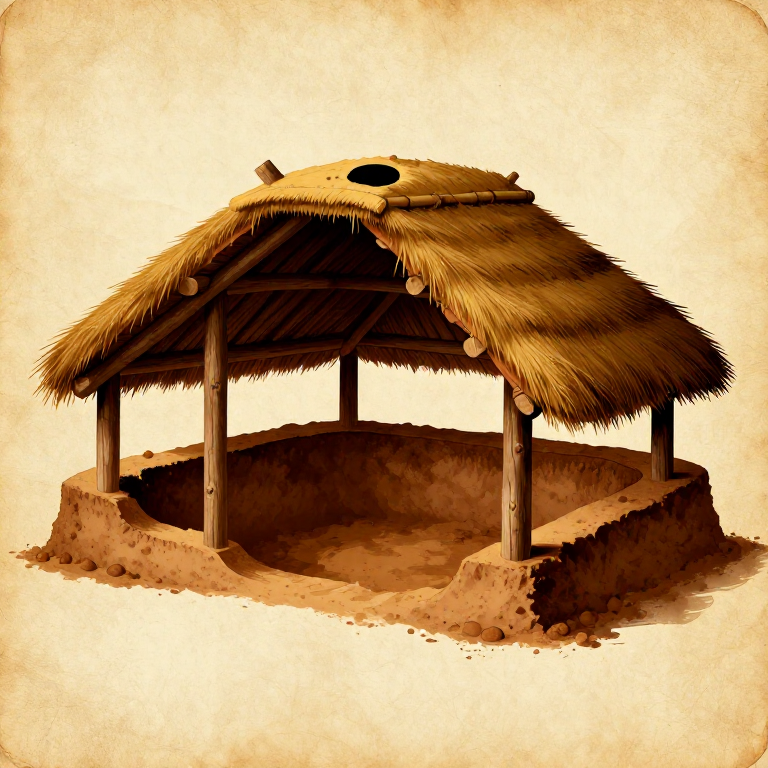


Building a Pit House — Semi-Subterranean Earth Lodge Dwelling
A pit house (also called earth lodge) is a semi-subterranean dwelling dug 0.5 to 1 metre into the ground, with a timber-framed roof covered in earth. The sunken floor provides natural insulation — the surrounding earth stays at a stable 10 to 15 degrees Celsius year-round, making pit houses warm in winter and cool in summer. Archaeological evidence shows pit houses were built from the Mesolithic through the Neolithic across Europe, Asia, and North America, with some of the oldest examples dating to 15,000 years ago in the Levant. The design is elegantly simple: dig a round or rectangular pit into well-drained ground, set upright posts around the perimeter and in the centre, lay a framework of poles and branches across the top, cover with bark or thatch as a waterproofing layer, then pile a thick layer of earth over everything. A central smoke hole allows fire use indoors while providing ventilation. The earth covering creates a massive thermal buffer — the structure stays cool in summer heat and retains warmth from even a small interior fire through freezing winters. An entrance tunnel angled slightly upward prevents cold air from pooling inside (cold air sinks, so the raised tunnel mouth traps warm air in the pit). Interior features include a central fire pit, sleeping platforms along the walls, and storage niches dug into the pit walls. This blueprint covers the complete construction process using only materials available to prehistoric builders.
མཐོ་རིམ
2-3 days
ལམ་སྟོན
1
1
Select a Well-Drained Site
Select a Well-Drained Site
Choose a location on a gentle slope or elevated ground with sandy or gravelly soil. Avoid low-lying areas, clay-heavy ground, or anywhere near a seasonal water course — water pooling in the pit will undermine the walls and rot the timber frame. Test the soil by digging a small hole 30 cm deep and pouring in water. If the water drains within 10 minutes, the site is suitable. If it pools, move to higher ground. A south-facing slope is ideal in northern latitudes because it receives maximum solar warming and the entrance tunnel can face away from prevailing winter winds.
2
2
Mark Out the Pit Dimensions
Mark Out the Pit Dimensions
Using a sharpened stick as a compass, scratch a circle approximately 4 to 5 metres in diameter on the ground for a dwelling that will shelter 4 to 6 people. Drive a stake at the centre, tie a length of cordage to it, and walk the perimeter while scratching the ground at the cord's full extent. For a rectangular pit house, mark out a rectangle approximately 4 metres by 3 metres using straight sticks laid on the ground as guides. Mark the entrance tunnel location on the side facing away from the prevailing wind.
གོམ་པ་འདིའི་རྫས་རིགས:
 ཐག་པ།3 metre
3
3
Dig the Pit
Dig the Pit
Excavate the marked area to a depth of 0.5 to 1 metre using a fire-hardened digging stick and a flat stone used as a scoop. Start at the centre and work outward in rings. Pile the excavated earth in a ring around the pit — this spoil bank will later be used for the roof covering and also raises the effective wall height. Keep the pit floor as level as possible, tamping it firm by walking on it. The walls should be nearly vertical — undercut walls collapse. In loose sandy soil, angle the walls outward at about 10 degrees from vertical for stability.
ལག་ཆས་དགོས་མཁོ:
 རྡོ་ལེབ་ཏོག་ཏོ།
4
4
Dig the Entrance Tunnel
Dig the Entrance Tunnel
From the pit edge, dig a sloping tunnel 1.5 to 2 metres long and about 0.8 metres wide. The tunnel floor should slope slightly upward from the pit floor to the exterior ground surface — this upward angle is critical because it creates a cold air trap. Cold air is denser than warm air and sinks to the lowest point, which is the pit floor. The rising tunnel prevents cold exterior air from flowing downhill into the living space. The tunnel needs only enough height for crawling — approximately 0.7 metres.
ལག་ཆས་དགོས་མཁོ:
རྡོ་ལེབ་ཏོག་ཏོ།5
5
Set the Centre Post
Set the Centre Post
Select a stout hardwood post approximately 15 to 20 cm in diameter and 2 to 2.5 metres long. Dig a post hole 40 to 50 cm deep in the exact centre of the pit floor. Set the post upright, pack the hole tightly with stones and tamped earth, and check that the post stands plumb. This centre post is the primary structural support — the entire roof frame radiates from its top. For larger pit houses (over 4 metres diameter), set 4 posts in a square pattern around the centre to distribute the roof load.
གོམ་པ་འདིའི་རྫས་རིགས:
 སྲ་བའི་ཤིང་གི་མྱུ་གུའི་དབྱུག་པ།1 དུམ་བུ།
ལག་ཆས་དགོས་མཁོ:
 རྡུང་རྡོ།
6
6
Set Perimeter Wall Posts
Set Perimeter Wall Posts
Drive 8 to 12 hardwood posts (each 8 to 12 cm in diameter, 1.5 to 2 metres long) into the pit floor around the perimeter, spaced approximately 1 metre apart. Each post should be set 30 to 40 cm deep and stand about 1 to 1.5 metres above the pit floor. These perimeter posts define the wall line and support the lower ends of the roof poles. Ensure all posts are roughly the same height — check by sighting across the tops. Leave a gap at the entrance tunnel location.
གོམ་པ་འདིའི་རྫས་རིགས:
སྲ་བའི་ཤིང་གི་མྱུ་གུའི་དབྱུག་པ།10 དུམ་བུ།ལག་ཆས་དགོས་མཁོ:
རྡུང་རྡོ།7
7
Lay the Roof Pole Framework
Lay the Roof Pole Framework
Lean long, straight poles (5 to 8 cm diameter, 3 to 4 metres long) from the top of each perimeter post up to the centre post, resting them against or lashing them to a ring of horizontal poles tied around the centre post near its top. The angle should be approximately 30 to 40 degrees from horizontal — steep enough to shed rain but shallow enough to support the weight of earth covering. Lash each pole to the perimeter post and to the centre ring using cordage. Leave an opening approximately 40 cm square at the apex around the centre post — this is the smoke hole.
གོམ་པ་འདིའི་རྫས་རིགས:
སྲ་བའི་ཤིང་གི་མྱུ་གུའི་དབྱུག་པ།12 དུམ་བུ།ཐག་པ།15 metre8
8
Add Cross-Bracing and Lattice
Add Cross-Bracing and Lattice
Weave smaller branches and flexible saplings horizontally across the radial roof poles, creating a lattice with gaps no larger than 10 to 15 cm. Start from the perimeter and work upward toward the smoke hole. Tie or weave each cross-piece to every roof pole it crosses. This lattice prevents the bark and earth layers from sagging between the main poles and distributes the roof load evenly. Use green, flexible wood — hazel, willow, or birch branches work well because they bend without snapping.
གོམ་པ་འདིའི་རྫས་རིགས:
སྲ་བའི་ཤིང་གི་མྱུ་གུའི་དབྱུག་པ།20 དུམ་བུ།ཐག་པ།10 metre9
9
Apply the Bark Waterproofing Layer
Apply the Bark Waterproofing Layer
Lay large sheets of birch bark over the lattice framework, starting from the bottom (perimeter) and overlapping each row upward like roofing shingles — this ensures water runs off without seeping through the seams. Overlap each sheet by at least 10 cm. Birch bark is naturally waterproof due to its high betulin content, which repels water and resists decay. If birch bark is unavailable, use thick layers of overlapping elm bark, cedar bark, or a dense mat of dried grass or reeds at least 15 cm thick.
གོམ་པ་འདིའི་རྫས་རིགས:
 གྲོ་གའི་ལེབ་ཤོག8 དུམ་བུ།
10
10
Cover with Earth
Cover with Earth
Pile the excavated earth from step 3 onto the bark layer, building up a covering 15 to 30 cm thick. Start from the bottom edge and work upward, pressing each layer firmly against the bark to eliminate air pockets. The earth covering provides massive thermal insulation (earth has an R-value of approximately 0.08 per centimetre), structural weight that holds the bark in place against wind, and camouflage. Leave the smoke hole clear. The finished mound should look like a natural hill with grass eventually growing on top.
ལག་ཆས་དགོས་མཁོ:
རྡོ་ལེབ་ཏོག་ཏོ།11
11
Frame the Entrance Tunnel Roof
Frame the Entrance Tunnel Roof
Lay short poles across the top of the entrance tunnel, resting each end on the tunnel walls. Cover with bark and earth in the same manner as the main roof. The tunnel entrance at ground level can be covered with a hide flap to block wind and retain heat. Some pit houses used a removable stone slab or woven mat as a door.
གོམ་པ་འདིའི་རྫས་རིགས:
སྲ་བའི་ཤིང་གི་མྱུ་གུའི་དབྱུག་པ།4 དུམ་བུ།12
12
Build the Interior Fire Pit
Build the Interior Fire Pit
Directly below the smoke hole, dig a shallow depression 40 to 50 cm in diameter and 10 to 15 cm deep. Line it with flat stones to contain the fire and reflect heat. The fire pit must be positioned precisely under the smoke hole so smoke rises straight up and out. A ring of stones around the rim prevents burning embers from rolling onto the floor. Keep a small air gap in the stone ring facing the entrance tunnel — this feeds fresh air to the fire.
ལག་ཆས་དགོས་མཁོ:
རྡོ་ལེབ་ཏོག་ཏོ།13
13
Create Sleeping Platforms
Create Sleeping Platforms
Along the pit walls, build raised sleeping platforms by laying poles on forked stick supports set 20 to 30 cm above the floor, then covering with a thick layer of dried grass, reeds, or animal hides. Raising the sleeping area above the floor keeps occupants above the coldest air layer (cold air pools at the lowest point) and away from ground moisture. Each platform needs to be approximately 60 to 80 cm wide and the full length of a person.
གོམ་པ་འདིའི་རྫས་རིགས:
སྲ་བའི་ཤིང་གི་མྱུ་གུའི་དབྱུག་པ།6 དུམ་བུ། འདམ་བུ་སྐམ་པོ།20 དུམ་བུ།
14
14
Dig Storage Niches in the Pit Walls
Dig Storage Niches in the Pit Walls
Carve small alcoves into the pit walls, each approximately 30 cm deep, 40 cm wide, and 30 cm tall. These storage niches keep food, tools, and personal items off the floor and organized. In firm soil, the niches hold their shape without reinforcement. In sandy or loose soil, line the niche with flat stones or bark to prevent collapse. Position niches at seated arm height for easy access from the sleeping platforms.
ལག་ཆས་དགོས་མཁོ:
རྡོ་ལེབ་ཏོག་ཏོ།15
15
Create a Smoke Hole Cover
Create a Smoke Hole Cover
Weave a flat, circular mat from flexible branches (willow or hazel) slightly larger than the smoke hole opening. This cover can be placed over the smoke hole during rain or snow to prevent water from entering while the fire is out. It must be easily removable — set it on top of the opening and weight it with a stone. When the fire is lit, the cover must be removed to allow smoke to escape and fresh air to circulate. Some pit houses used a tilting bark flap on a pivot stick that could be angled to deflect wind-driven rain while still allowing smoke to vent.
གོམ་པ་འདིའི་རྫས་རིགས:
སྲ་བའི་ཤིང་གི་མྱུ་གུའི་དབྱུག་པ།3 དུམ་བུ།ཐག་པ།2 metreརྫས་རིགས
4- 30 metreས་ཆ་འཛིན
- 56 དུམ་བུ།ས་ཆ་འཛིན
- 8 དུམ་བུ།ས་ཆ་འཛིན
- 20 དུམ་བུ།ས་ཆ་འཛིན
མཐུད་སྦྲེལ་བིལུ་པིརིན་ཊི་རྫས་རིགས
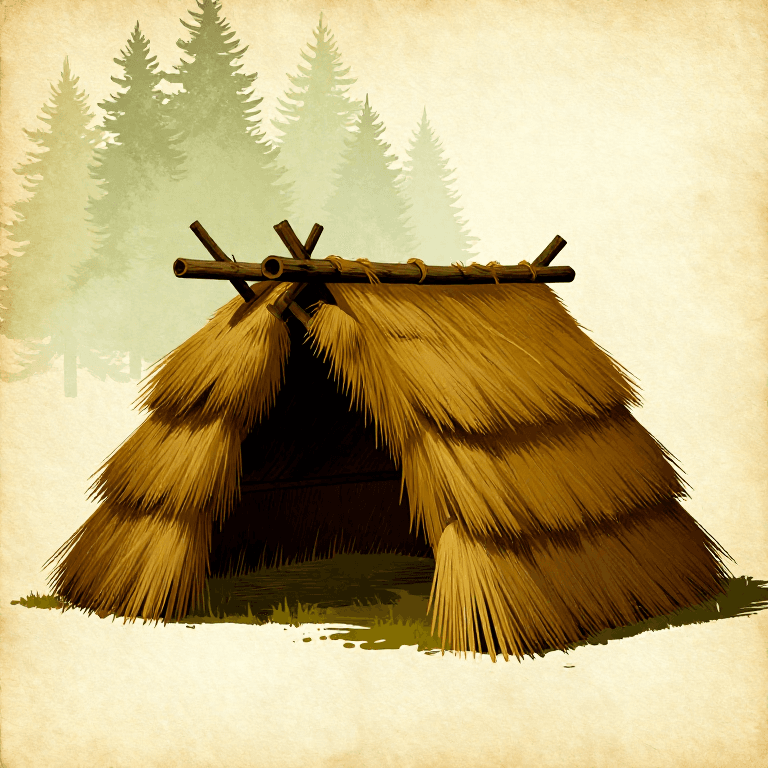
བིལུ་པིརིན་ཊི་འདི་གིས་བཟོ་མི
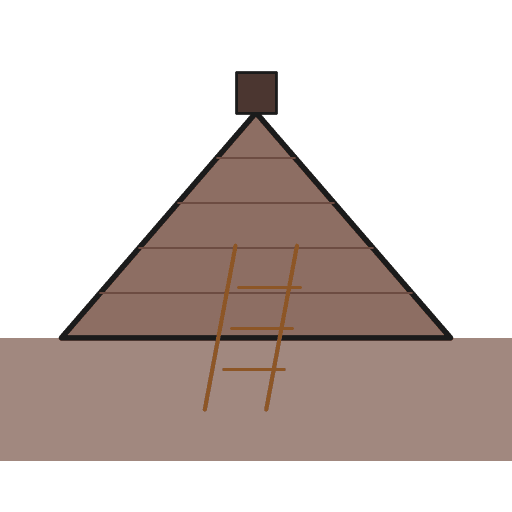
འབྲེལ་ཡོད་བིལུ་པིརིན་ཊི
བིལུ་པིརིན་ཊི་འདི་ཚུ་ཐབས་ལམ་དང་རྫས་རིགས། སྤྱི་ཆོས་བགོ་བཤའ་བྱེད

CC0 སྤྱི་དབང
བིལུ་པིརིན་ཊི་འདི་CC0 འོག་བཀྲམས་ཡོད། ཁྱེད་རང་གིས་ཆོག་མཆན་མ་བཞེས་པར་ཕབ་ལེན་དང་བཟོ་བཅོས། བགོ་བཤའ། དགོས་མཁོ་གང་ལའང་བཀོལ་སྤྱོད་བྱས་ཆོག
བཟོ་མཁན་ལ་རྒྱབ་སྐྱོར་བྱེད་པའི་ཆེད་ཁོང་ཚོའི་བིལུ་པིརིན་ཊི་བརྒྱུད་ཐོན་སྐྱེད་ཉོ། བཟོ་མཁན་གྱིས བཟོ་མཁན་གྱི་ཁེ་ཕོགས ཚོང་པས་གཏན་འཁེལ་བྱས་པ། ཡང་ན་བིལུ་པིརིན་ཊི་འདིའི་པར་གསར་བཟོས་ཏེ་ཁྱེད་རང་གི་བིལུ་པིརིན་ཊི་ནང་མཐུད་སྦྲེལ་བྱས་ཏེ་ཡོང་སྒོ་བགོ་བཤའ་བྱེད།