སྒྱུ་རྩལ
མཛེས་སྡུག་དང་བདེ་ཐང
བཟོ་རིག
རིག་གནས་དང་ལོ་རྒྱུས
དགའ་སྟོན
ཁོར་ཡུག
ཟས་དང་བཏུང་རྫས
ཕྱིར་འཕྲུལ་རིག
ཚན་རིག
རྩེད་འགྲན
རིག་རྩལ
གྱོན་རུང
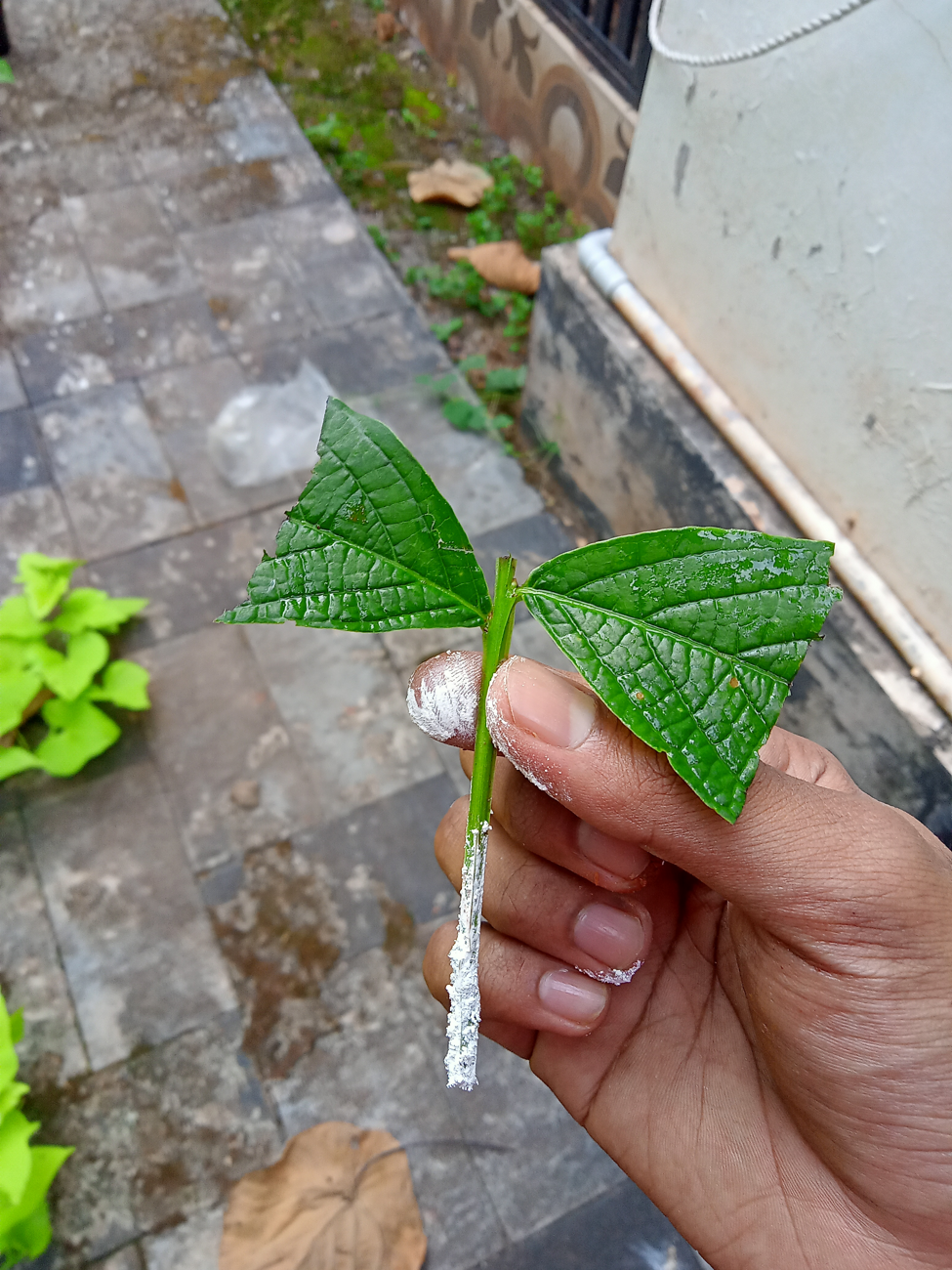
Kolathunadu8 (Wikimedia Commons) · CC BY 4.0


Propagating Plants from Cuttings — Rooting a Snip into a New Plant
Turn a single snipped shoot into a whole new plant. A cutting has no roots yet, so the craft is keeping it alive and humid while it grows its own — an exact clone of the parent. Take the cutting below a node, strip the lower leaves, root it in a gritty mix or a jar of water, and pot it on. A buildable school project in adventitious roots and cloning from a stem.
བར་མ
A few weeks to root
ལམ་སྟོན
1
1
A snip that grows its own roots
A snip that grows its own roots
Cut a piece of stem off a plant, treat it right, and it will grow brand-new roots from its cut end and become a whole plant — an exact clone of the parent. The trick is that a fresh cutting has NO roots yet and cannot drink, so your whole job is to keep it from wilting while it makes them.
2
2
Take a good cutting
Take a good cutting
Choose a healthy, non-flowering shoot and cut about a 10 cm length, slicing cleanly JUST BELOW a node (the little bump where a leaf joins the stem). Nodes are where roots form most readily, so a cut right under one roots best. Use a sharp, clean blade so you don't crush or infect the stem.
ལག་ཆས་དགོས་མཁོ:
 རྩ་གཏུབ་ཀྱི་གྲི།
3
3
Strip the lower leaves
Strip the lower leaves
Pull off the leaves from the lower half so a bare node can sit in the medium, and leave just two to four leaves at the top. If those leaves are big, cut each in half — the cutting loses water through its leaves but can't yet replace it, so less leaf means less wilting.
4
4
Dip in rooting hormone or willow water
Dip in rooting hormone or willow water
Optional but helpful: dip the cut end in rooting hormone, which is the plant growth signal AUXIN that tells cells to make roots. No hormone? Soak chopped young willow twigs in water overnight and use that 'willow water' — willow is naturally rich in the same rooting compounds.
གོམ་པ་འདིའི་རྫས་རིགས:
 ལྕང་མའི་ཡལ་ག། (ལྕུག་ལྕུག)1 ཁྱིམ་ཚང་།
5
5
Insert into a gritty, moist medium
Insert into a gritty, moist medium
Push the cutting into a moist, airy mix of potting soil and perlite (the perlite keeps it draining so the stem doesn't rot), burying the bare node. For easy plants like mint, coleus or willow you can simply stand the cutting in a jar of water on a windowsill and watch roots appear.
གོམ་པ་འདིའི་རྫས་རིགས:
 པར་ལཱའིཊ1 bag
 རྫ་མའི་ས།1 bag
 ཁ་བཅད་ཡོད་པའི་ཤེལ་སྣོད།1 དུམ་བུ།
6
6
Keep it humid and warm
Keep it humid and warm
Cover the pot with a clear plastic bag or propagator lid to trap humidity, and keep it warm in bright but INDIRECT light (direct sun cooks it). The moist air stops the leafless-rooted cutting from drying out while it works. Mist now and then; air it occasionally so it doesn't go mouldy.
གོམ་པ་འདིའི་རྫས་རིགས:
 ཟིབ་ཤུབས།1 དུམ་བུ།
ལག་ཆས་དགོས་མཁོ:
 ཆུ་འཐོར་ནིའི་ཤེལ་དམ།
7
7
Wait, test, and pot on
Wait, test, and pot on
After a few weeks give the cutting a gentle tug — springy resistance means roots have formed. Once it's well rooted, pot it up into normal compost, label it, and gradually harden it off to ordinary conditions.
གོམ་པ་འདིའི་རྫས་རིགས:
 སྦྱར་བྱང་།1 ལེབ་གཟུགས།
8
8
Compendium — adventitious roots, nodes and auxin
Compendium — adventitious roots, nodes and auxin
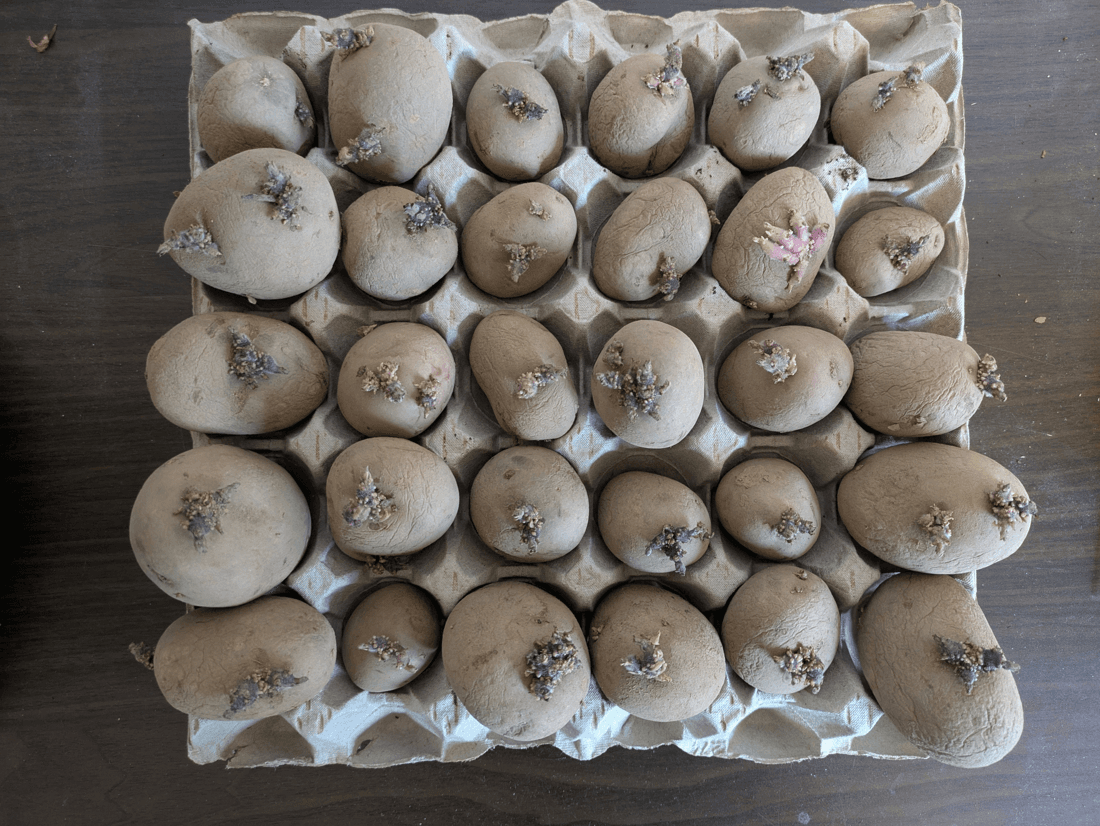
A cutting works because plant cells are astonishingly flexible: ordinary stem cells near a cut, especially around a node and the growth layer (cambium), can switch jobs and grow brand-new roots where roots never were — these are called ADVENTITIOUS roots ('arising in an unusual place'). What drives them is a hormone, AUXIN, which the plant naturally pools at the base of a shoot and around nodes; that is why you cut just below a node and why dipping the end in rooting hormone (extra auxin) or willow water speeds things up. Like garlic and potato, a cutting is VEGETATIVE propagation — the new plant is a genetic clone of its parent, with all the same benefits (true to type, fast, keeps a variety exactly) and the same catch (no genetic mixing, and any disease is copied along). But a cutting has one special difficulty the clove and the tuber don't: a clove and a tuber come pre-packed with stored food and, for the tuber, ready buds, whereas a bare stem cutting has neither roots to drink with nor much of a food store — so for the days or weeks before it roots, it is a leaf that can lose water but cannot yet take any up. That single fact explains the entire technique: strip and halve the leaves to cut water loss, and seal the cutting in humid air so it barely loses water at all, buying it time to grow the roots that will save it. Cuttings come in a family: SOFTWOOD (soft spring tips, quick but wilt-prone), SEMI-RIPE (summer, part-woody), and HARDWOOD (dormant leafless winter stems of currants, roses and willow — so easy they root pushed straight into the ground). Some plants even root from a LEAF (succulents, African violet) or a piece of ROOT. It is one of the oldest and most powerful tricks in horticulture — one prized plant can become a hundred.
རྫས་རིགས
6- 1 ཁྱིམ་ཚང་།ས་ཆ་འཛིན
- 1 bagས་ཆ་འཛིན
- 1 bagས་ཆ་འཛིན
- 1 དུམ་བུ།ས་ཆ་འཛིན
- 1 དུམ་བུ།ས་ཆ་འཛིན
- 1 ལེབ་གཟུགས།ས་ཆ་འཛིན
ལག་ཆས་དགོས་མཁོ
2- ས་ཆ་འཛིན
- ས་ཆ་འཛིན
འབྲེལ་ཡོད་བིལུ་པིརིན་ཊི
བིལུ་པིརིན་ཊི་འདི་ཚུ་ཐབས་ལམ་དང་རྫས་རིགས། སྤྱི་ཆོས་བགོ་བཤའ་བྱེད

CC0 སྤྱི་དབང
བིལུ་པིརིན་ཊི་འདི་CC0 འོག་བཀྲམས་ཡོད། ཁྱེད་རང་གིས་ཆོག་མཆན་མ་བཞེས་པར་ཕབ་ལེན་དང་བཟོ་བཅོས། བགོ་བཤའ། དགོས་མཁོ་གང་ལའང་བཀོལ་སྤྱོད་བྱས་ཆོག
བཟོ་མཁན་ལ་རྒྱབ་སྐྱོར་བྱེད་པའི་ཆེད་ཁོང་ཚོའི་བིལུ་པིརིན་ཊི་བརྒྱུད་ཐོན་སྐྱེད་ཉོ། བཟོ་མཁན་གྱིས བཟོ་མཁན་གྱི་ཁེ་ཕོགས ཚོང་པས་གཏན་འཁེལ་བྱས་པ། ཡང་ན་བིལུ་པིརིན་ཊི་འདིའི་པར་གསར་བཟོས་ཏེ་ཁྱེད་རང་གི་བིལུ་པིརིན་ཊི་ནང་མཐུད་སྦྲེལ་བྱས་ཏེ་ཡོང་སྒོ་བགོ་བཤའ་བྱེད།