སྒྱུ་རྩལ
མཛེས་སྡུག་དང་བདེ་ཐང
བཟོ་རིག
རིག་གནས་དང་ལོ་རྒྱུས
དགའ་སྟོན
ཁོར་ཡུག
ཟས་དང་བཏུང་རྫས
ཕྱིར་འཕྲུལ་རིག
ཚན་རིག
རྩེད་འགྲན
རིག་རྩལ
གྱོན་རུང


PTFE Thread Seal Tape: Paste-Extruded, Calendered, Never Sintered
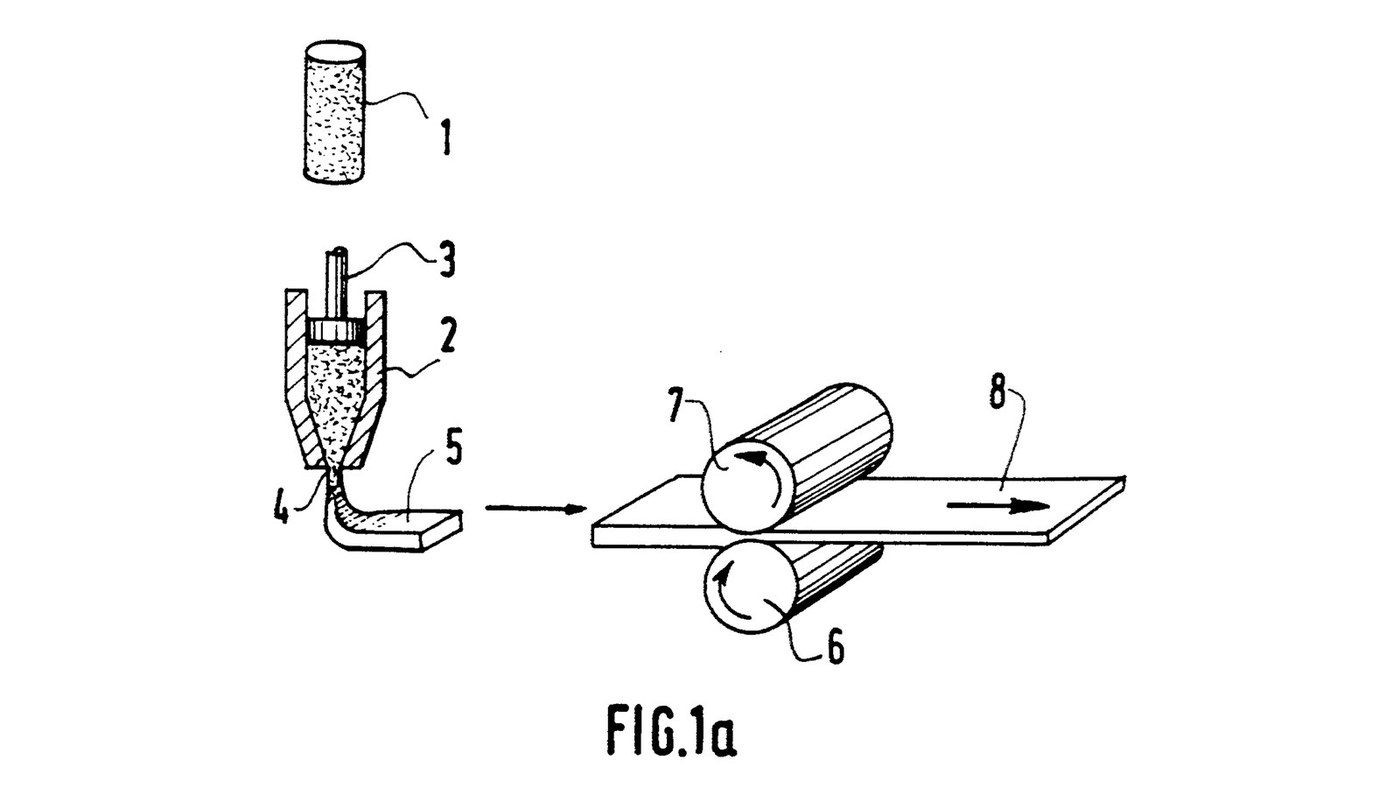
The white tape wound on pipe threads is PTFE that has never been melted. Fine PTFE powder is mixed with a lubricant, pressed into a slug, squeezed through a slit die by a ram, rolled thin between two rolls, and dried. Kept below the sintering heat (about 350 °C) it stays soft and conforms to the thread (process: US 5,415,939, 1995). The targets and tests are those of the Indian standard IS 14643 (from BS 4375): no fillers, at most 0.1 % lubricant left, usually 12 mm wide and 0.075 mm thick.
The lubricant (naphtha) and the slitter are ours. The picture: Fig. 1a of the patent.
མཐོ་རིམ
1 day
ལམ་སྟོན
1
1
Wet the powder
Wet the powder
Mix fine (dispersion-made) virgin PTFE powder with a lubricant that can be driven off completely. Granular PTFE will not paste-extrude. No fillers. Ours: naphtha, as required.
གོམ་པ་འདིའི་རྫས་རིགས:
 PTFE ཕྱེ་མ་ཞིབ་མོ།1 batch
ལག་ཆས་དགོས་མཁོ:
 ནེབ་ཐ།
2
2
Press a preform
Press a preform
Compact the wet powder into a cylindrical preform in a mould with a plunger.
ལག་ཆས་དགོས་མཁོ:
 བཙིར་དཔེ།
 ཧའི་ཌོ་ལིཀ་ནོན་འཕྲུལ།
3
3
Ram-extrude a flat tape
Ram-extrude a flat tape
Put the preform in the extrusion press. The plunger pushes it out through a slit die as a thick flat tape.
ལག་ཆས་དགོས་མཁོ:
 ཧའི་ཌོ་རོ་ལིག་གི་ཕྱིར་འདྲེན་གནོན་འཕྲུལ།
4
4
Calender it thin
Calender it thin
Pass the tape between two counter-rotating rolls to a thin tape, aiming at about 0.075 mm.
ལག་ཆས་དགོས་མཁོ:
 ལྕགས་བརྡར་འཕྲུལ་ཆས།
 ཕྲ་འཇལ་ཆས།
5
5
Dry off the lubricant
Dry off the lubricant
Dry the tape until the lubricant is gone. Keep it well below the sintering heat (about 350 °C): sintered tape is stiff and will not seal.
ལག་ཆས་དགོས་མཁོ:
 སྐམ་ནིའི་ཐབ
6
6
Slit and spool
Slit and spool
Slit it to width, usually 12 mm (±0.5 mm), and wind it on spools.
ལག་ཆས་དགོས་མཁོ:
 གཏུབ་སྟེ་ལོག་སྒྲིལ་འཕྲུལ་ཆས།
7
7
Check the tape
Check the tape
It must look white, with no visible specks or torn edges. Measure the thickness at five points along a sample; each must be within 10 % of their mean.
ལག་ཆས་དགོས་མཁོ:
ཕྲ་འཇལ་ཆས།8
8
Test the residual lubricant
Test the residual lubricant
Weigh about 15 g of tape. Extract it in a Soxhlet with petroleum spirit (40-60 °C) for at least 4 h, dry it at 100 °C, then heat it at 300 °C for 6 h, cool and weigh. The loss must be 0.1 % or less.
ལག་ཆས་དགོས་མཁོ:
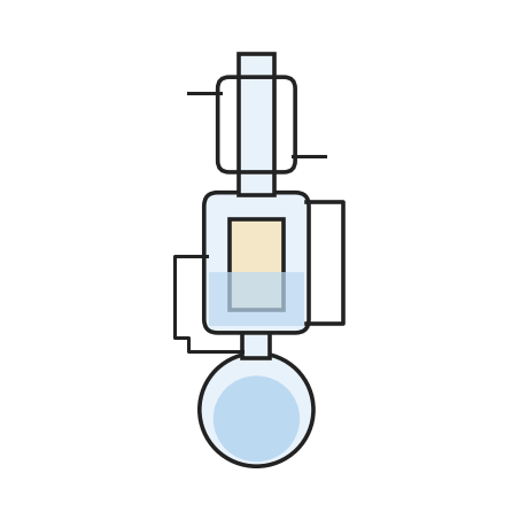 སོག་སི་ལེཊ་ཕྱིར་འདོན་ཆས།
 ས་སྣུམ་ཨི་ཐར།སྐམ་ནིའི་ཐབ
 ལྕགས་ཀྱི་ཞུན་སྣོད།
 སྐམ་བཟོའི་ཁང་མིག (ཆུང་ཀུ)
 ཏག་ཏག་གི་སྲང་།
9
9
Wrap a thread
Wrap a thread
Wind tape round an R 1/2 taper pipe thread with 50 % overlap, two layers deep, just tight enough to take the thread form. It must hold the form, not break, and its end must stay put.
ལག་ཆས་དགོས་མཁོ:
 སྐུད་རིས་ཅན་གྱི་དོང་ཆུའི་མཐུད་ཆས།
རྫས་རིགས
1- 1 batchས་ཆ་འཛིན
ལག་ཆས་དགོས་མཁོ
14- ས་ཆ་འཛིན
- ས་ཆ་འཛིན
- ས་ཆ་འཛིན
- ས་ཆ་འཛིན
- ས་ཆ་འཛིན
- ས་ཆ་འཛིན
- ས་ཆ་འཛིན
- ས་ཆ་འཛིན
- ས་ཆ་འཛིན
- ས་ཆ་འཛིན
- ས་ཆ་འཛིན
- ས་ཆ་འཛིན
བིལུ་པིརིན་ཊི་འདི་གིས་བཟོ་མི


འབྲེལ་ཡོད་བིལུ་པིརིན་ཊི
བིལུ་པིརིན་ཊི་འདི་ཚུ་ཐབས་ལམ་དང་རྫས་རིགས། སྤྱི་ཆོས་བགོ་བཤའ་བྱེད


CC0 སྤྱི་དབང
བིལུ་པིརིན་ཊི་འདི་CC0 འོག་བཀྲམས་ཡོད། ཁྱེད་རང་གིས་ཆོག་མཆན་མ་བཞེས་པར་ཕབ་ལེན་དང་བཟོ་བཅོས། བགོ་བཤའ། དགོས་མཁོ་གང་ལའང་བཀོལ་སྤྱོད་བྱས་ཆོག
བཟོ་མཁན་ལ་རྒྱབ་སྐྱོར་བྱེད་པའི་ཆེད་ཁོང་ཚོའི་བིལུ་པིརིན་ཊི་བརྒྱུད་ཐོན་སྐྱེད་ཉོ། བཟོ་མཁན་གྱིས བཟོ་མཁན་གྱི་ཁེ་ཕོགས ཚོང་པས་གཏན་འཁེལ་བྱས་པ། ཡང་ན་བིལུ་པིརིན་ཊི་འདིའི་པར་གསར་བཟོས་ཏེ་ཁྱེད་རང་གི་བིལུ་པིརིན་ཊི་ནང་མཐུད་སྦྲེལ་བྱས་ཏེ་ཡོང་སྒོ་བགོ་བཤའ་བྱེད།