སྒྱུ་རྩལ
མཛེས་སྡུག་དང་བདེ་ཐང
བཟོ་རིག
རིག་གནས་དང་ལོ་རྒྱུས
དགའ་སྟོན
ཁོར་ཡུག
ཟས་དང་བཏུང་རྫས
ཕྱིར་འཕྲུལ་རིག
ཚན་རིག
རྩེད་འགྲན
རིག་རྩལ
གྱོན་རུང
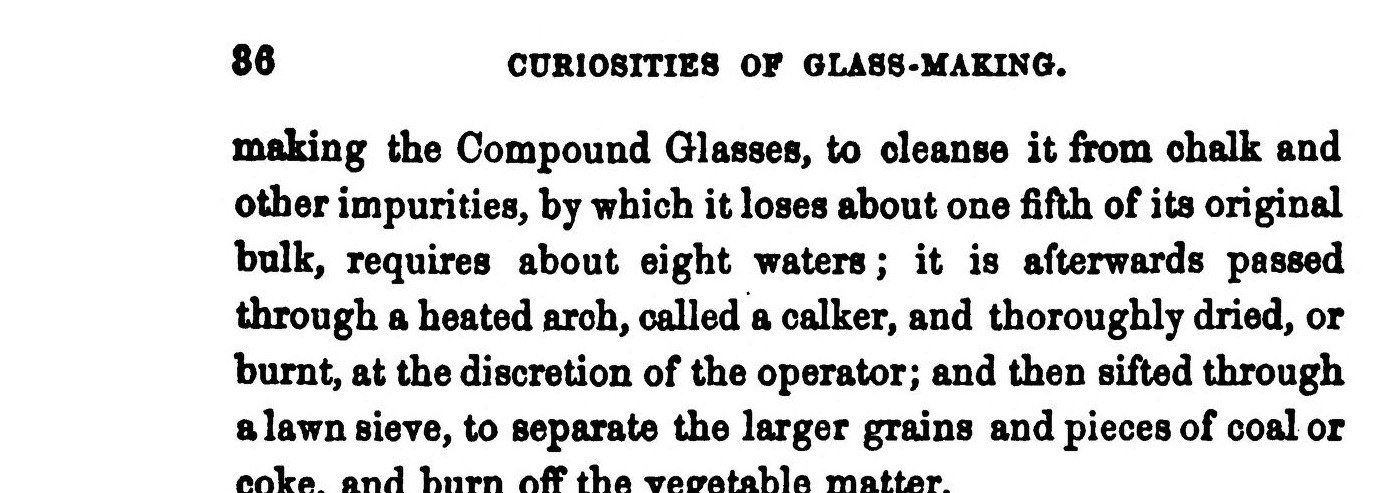


Quartz Sand: Washed and Burnt Glass Sand (Pellatt, 1849)
How an English flint-glass house made its sand fit for glass in 1849: Isle of Wight sand, low in iron, washed by hand in about eight waters to take out chalk and other impurities, dried or burnt in a heated arch called a calker, then sifted through a lawn sieve.
The washing takes away about one fifth of the sand's bulk.
Source: Apsley Pellatt, Curiosities of Glass Making (1849), pp. 35-36. Picture: the book's text.
འགོ་བཙུགས
Unknown
ལམ་སྟོན
1
1
Wash the sand
Wash the sand
Wash Isle of Wight sand by hand in about eight waters to cleanse it from chalk and other impurities. It loses about one fifth of its original bulk.
གོམ་པ་འདིའི་རྫས་རིགས:
 བྱེ་མ།1 Isle of Wight sand
ལག་ཆས་དགོས་མཁོ:
 ཆུ།
 ཤིང་གི་གཞོང་པ།
2
2
Dry or burn it in the calker
Dry or burn it in the calker
Pass the washed sand through a heated arch called a calker and dry it thoroughly, or burn it, at the operator's discretion.
ལག་ཆས་དགོས་མཁོ:
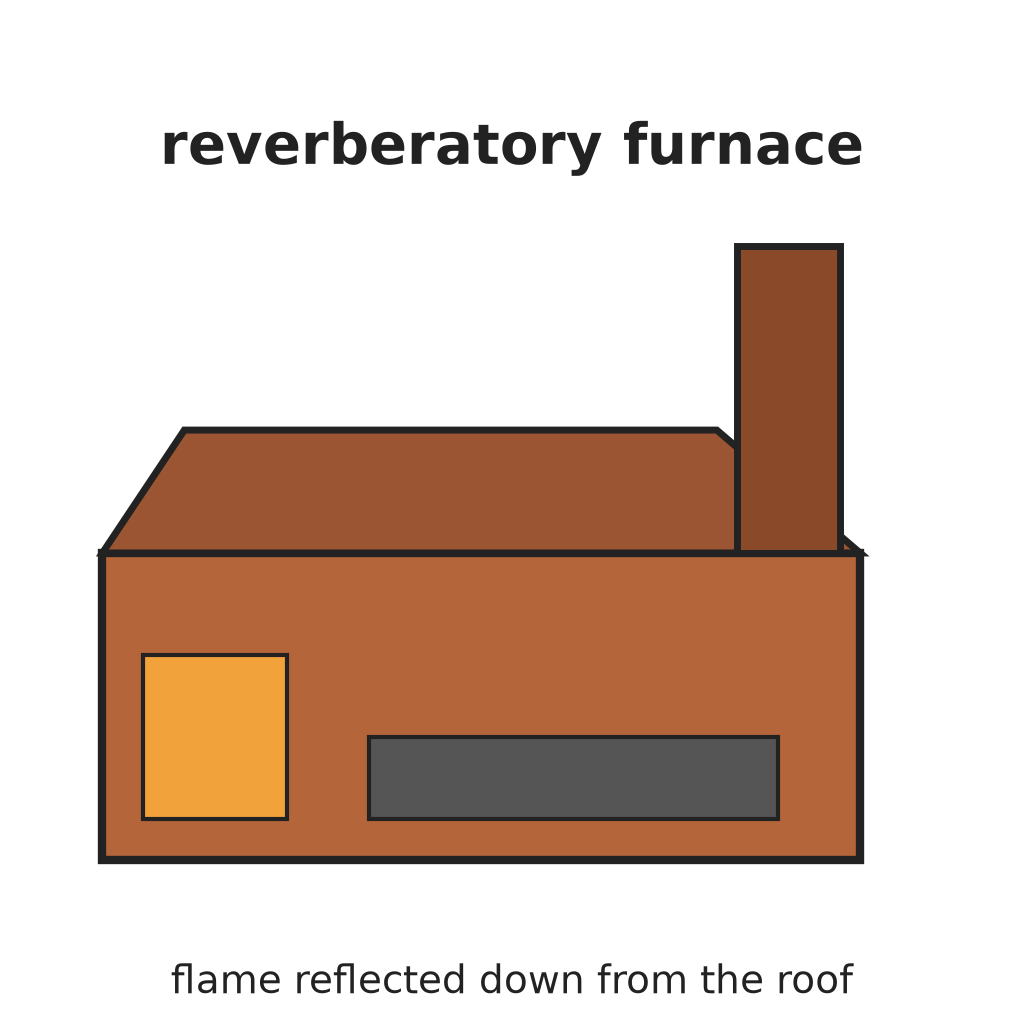 མེ་ལྕེ་ཕྱིར་འཕྱོག་ཐབ
3
3
Sift through a lawn sieve
Sift through a lawn sieve
Sift the sand through a lawn sieve to separate the larger grains and pieces of coal or coke, and burn off the vegetable matter.
ལག་ཆས་དགོས་མཁོ:
 དྲ་ཕྲ་བའི་ཚག་མ།
ལག་ཆས་དགོས་མཁོ
4- ས་ཆ་འཛིན
- ས་ཆ་འཛིན
- ས་ཆ་འཛིན
- ས་ཆ་འཛིན
བིལུ་པིརིན་ཊི་འདི་གིས་བཟོ་མི

CC0 སྤྱི་དབང
བིལུ་པིརིན་ཊི་འདི་CC0 འོག་བཀྲམས་ཡོད། ཁྱེད་རང་གིས་ཆོག་མཆན་མ་བཞེས་པར་ཕབ་ལེན་དང་བཟོ་བཅོས། བགོ་བཤའ། དགོས་མཁོ་གང་ལའང་བཀོལ་སྤྱོད་བྱས་ཆོག
བཟོ་མཁན་ལ་རྒྱབ་སྐྱོར་བྱེད་པའི་ཆེད་ཁོང་ཚོའི་བིལུ་པིརིན་ཊི་བརྒྱུད་ཐོན་སྐྱེད་ཉོ། བཟོ་མཁན་གྱིས བཟོ་མཁན་གྱི་ཁེ་ཕོགས ཚོང་པས་གཏན་འཁེལ་བྱས་པ། ཡང་ན་བིལུ་པིརིན་ཊི་འདིའི་པར་གསར་བཟོས་ཏེ་ཁྱེད་རང་གི་བིལུ་པིརིན་ཊི་ནང་མཐུད་སྦྲེལ་བྱས་ཏེ་ཡོང་སྒོ་བགོ་བཤའ་བྱེད།