སྒྱུ་རྩལ
མཛེས་སྡུག་དང་བདེ་ཐང
བཟོ་རིག
རིག་གནས་དང་ལོ་རྒྱུས
དགའ་སྟོན
ཁོར་ཡུག
ཟས་དང་བཏུང་རྫས
ཕྱིར་འཕྲུལ་རིག
ཚན་རིག
རྩེད་འགྲན
རིག་རྩལ
གྱོན་རུང
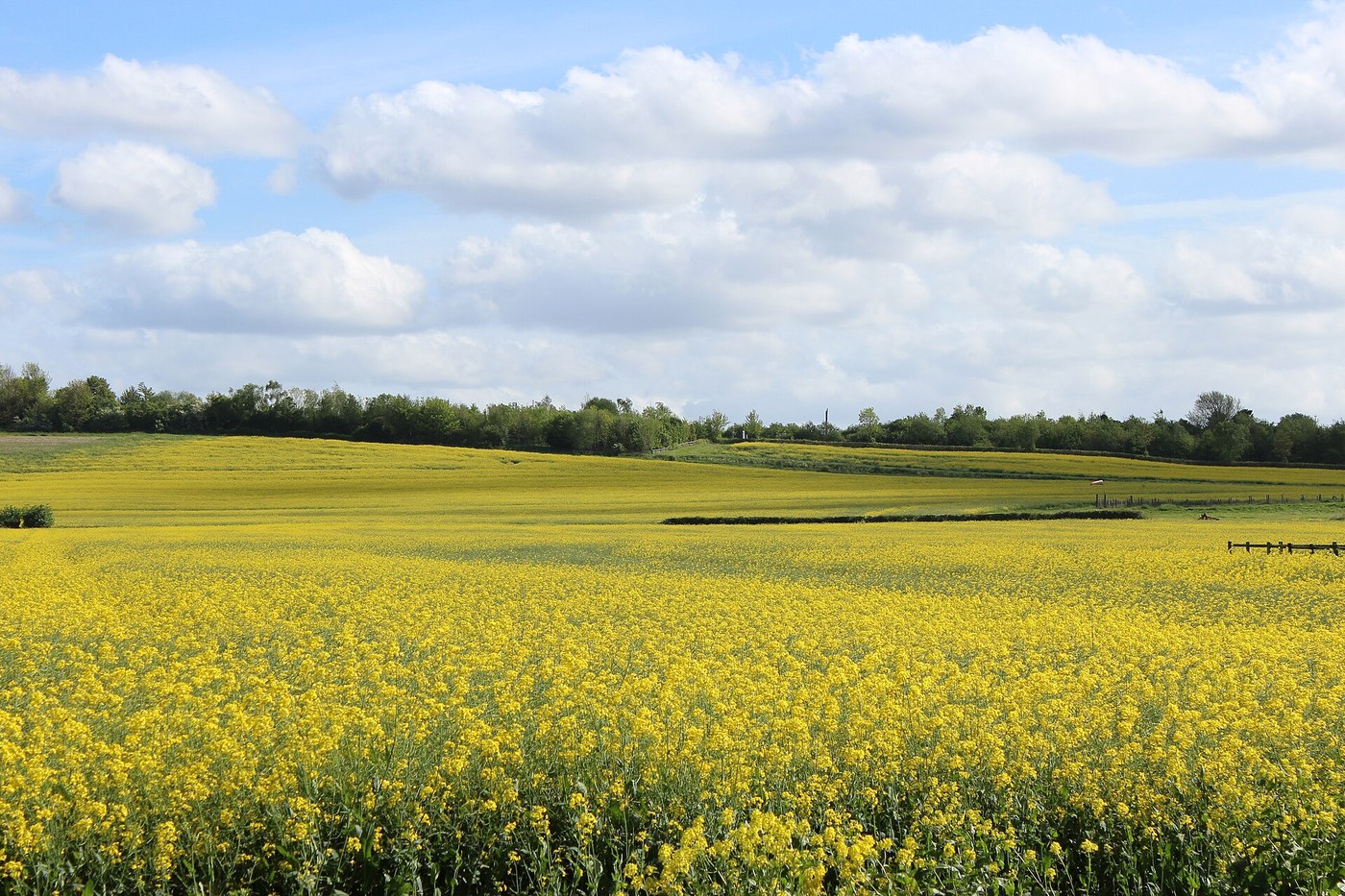


Rapeseed (Colza) Oil: Ripened, Threshed and Pressed
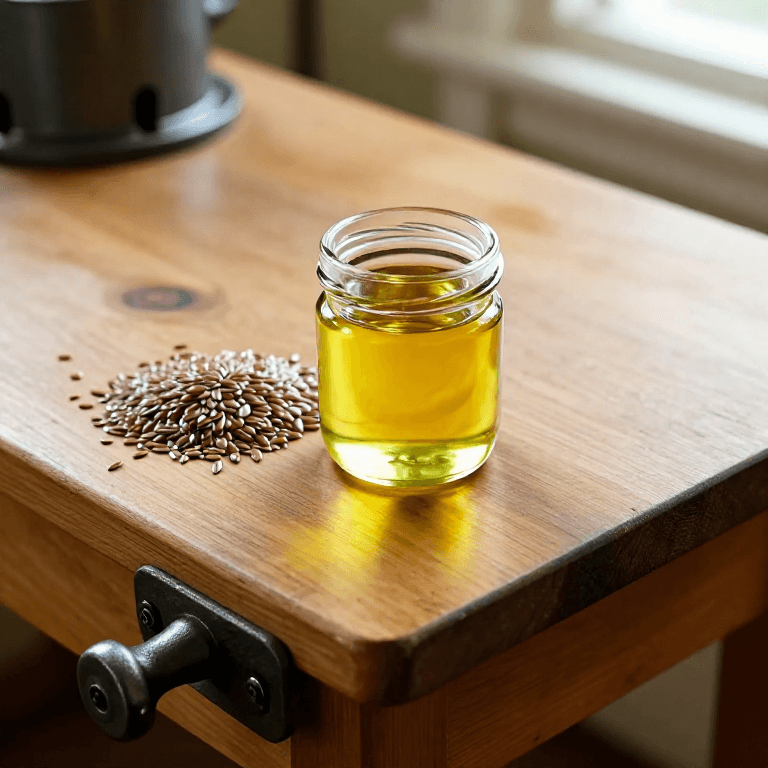
Colza, or rape, is a cabbage relative whose small seeds give an oil that lit the lamps of France and Belgium. Andrew Ure (1839) notes the seed yields oil only in proportion to its ripeness, so the plants are cut a little early, before the pods shed, and left to finish ripening in heaps before threshing. The pressing is the same as for linseed oil.
The picture: a rapeseed (colza) field in flower.
འགོ་བཙུགས
A day of pressing
ལམ་སྟོན
1
1
Ripen, thresh and winnow
Ripen, thresh and winnow
Let the cut plants finish ripening in an airy heap, thresh out the seed, winnow off the chaff and sift it.
གོམ་པ་འདིའི་རྫས་རིགས:
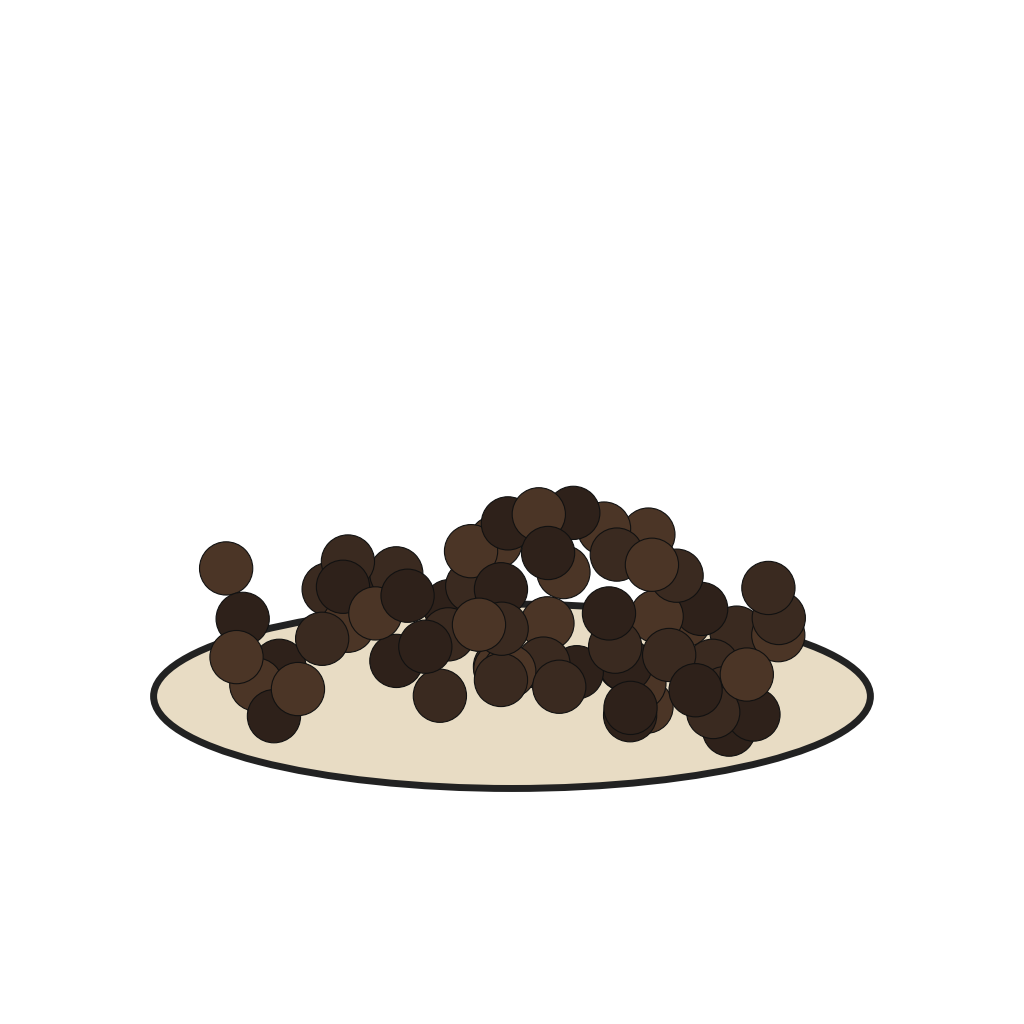 ཡུངས་འབྲུ3 kg
ལག་ཆས་དགོས་མཁོ:
 གཡབ་མོ།
 ཚགས་མ་རྩུབ་པ།
2
2
Dry the seed
Dry the seed
Spread the seed thinly in the air to dry before pressing (Ure).
ལག་ཆས་དགོས་མཁོ:
 སྐམ་ནིའི་གདན
3
3
Press, settle and decant
Press, settle and decant
Press the dry seed in the screw press, let the oil settle and decant it clear, exactly as for linseed oil. Keep the pressed cake: Ure notes it fattens cattle.
4
4
Filter and bottle
Filter and bottle
Pour the settled oil through a paper filter in a funnel into clean bottles, and keep it cool and dark.
ལག་ཆས་དགོས་མཁོ:
 ཐབ་ཚང་གི་དོང་པོ།
 ཀོ་ཕིའི་ཚགས་ཤོག / ཚགས་ཤོག།
 སྦྲང་སྤུད་ཀྱི་ཚོས་གཞི་ཅན་གྱི་ཤེལ་དམ།
ལག་ཆས་དགོས་མཁོ
6- ས་ཆ་འཛིན
- ས་ཆ་འཛིན
- ས་ཆ་འཛིན
- ས་ཆ་འཛིན
- ས་ཆ་འཛིན
བིལུ་པིརིན་ཊི་འདི་གིས་བཟོ་མི

འབྲེལ་ཡོད་བིལུ་པིརིན་ཊི
བིལུ་པིརིན་ཊི་འདི་ཚུ་ཐབས་ལམ་དང་རྫས་རིགས། སྤྱི་ཆོས་བགོ་བཤའ་བྱེད
CC0 སྤྱི་དབང
བིལུ་པིརིན་ཊི་འདི་CC0 འོག་བཀྲམས་ཡོད། ཁྱེད་རང་གིས་ཆོག་མཆན་མ་བཞེས་པར་ཕབ་ལེན་དང་བཟོ་བཅོས། བགོ་བཤའ། དགོས་མཁོ་གང་ལའང་བཀོལ་སྤྱོད་བྱས་ཆོག
བཟོ་མཁན་ལ་རྒྱབ་སྐྱོར་བྱེད་པའི་ཆེད་ཁོང་ཚོའི་བིལུ་པིརིན་ཊི་བརྒྱུད་ཐོན་སྐྱེད་ཉོ། བཟོ་མཁན་གྱིས བཟོ་མཁན་གྱི་ཁེ་ཕོགས ཚོང་པས་གཏན་འཁེལ་བྱས་པ། ཡང་ན་བིལུ་པིརིན་ཊི་འདིའི་པར་གསར་བཟོས་ཏེ་ཁྱེད་རང་གི་བིལུ་པིརིན་ཊི་ནང་མཐུད་སྦྲེལ་བྱས་ཏེ་ཡོང་སྒོ་བགོ་བཤའ་བྱེད།