སྒྱུ་རྩལ
མཛེས་སྡུག་དང་བདེ་ཐང
བཟོ་རིག
རིག་གནས་དང་ལོ་རྒྱུས
དགའ་སྟོན
ཁོར་ཡུག
ཟས་དང་བཏུང་རྫས
ཕྱིར་འཕྲུལ་རིག
ཚན་རིག
རྩེད་འགྲན
རིག་རྩལ
གྱོན་རུང
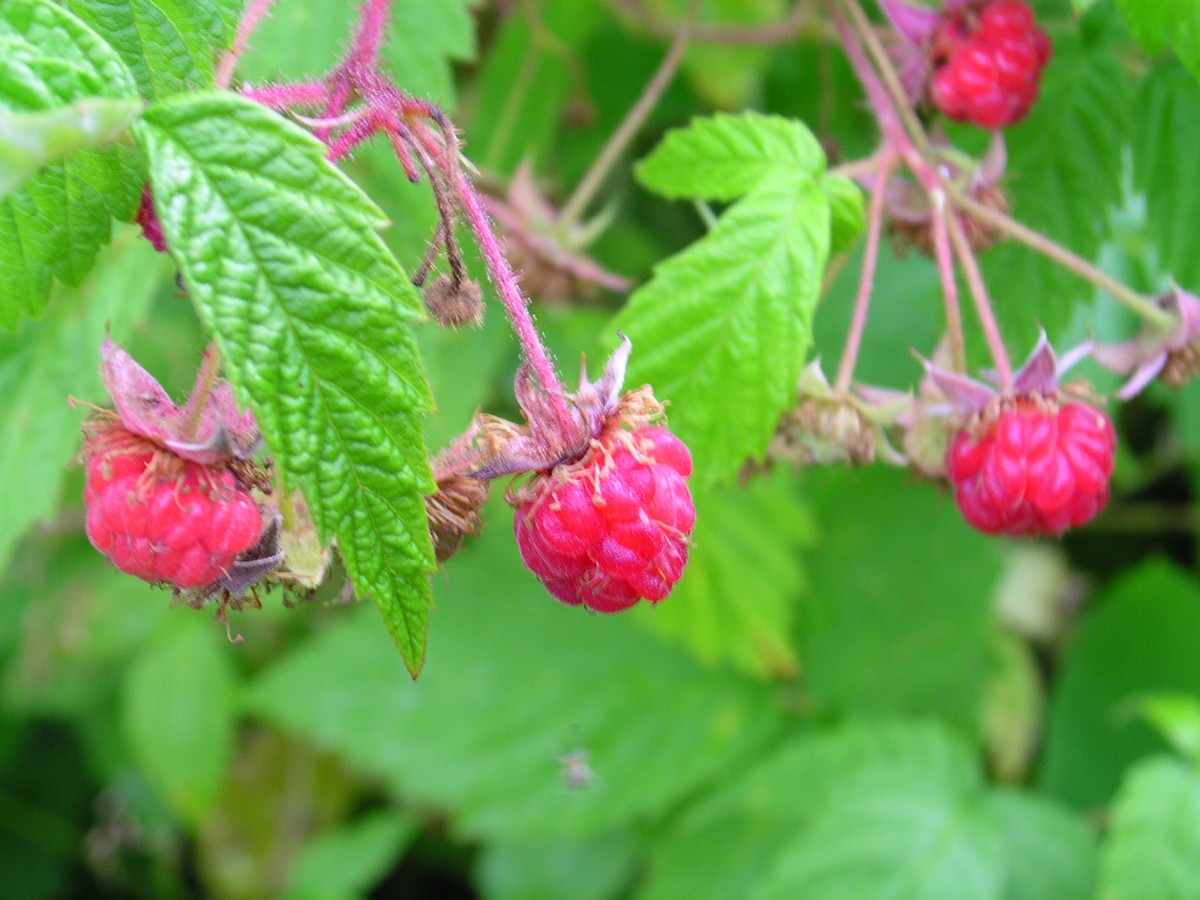


Red Raspberry Root: Wild Red Raspberry Root Dug Out of Sap Time, Dried and Kept in Packets (Densmore, 1928; Britton & Brown, 1913)
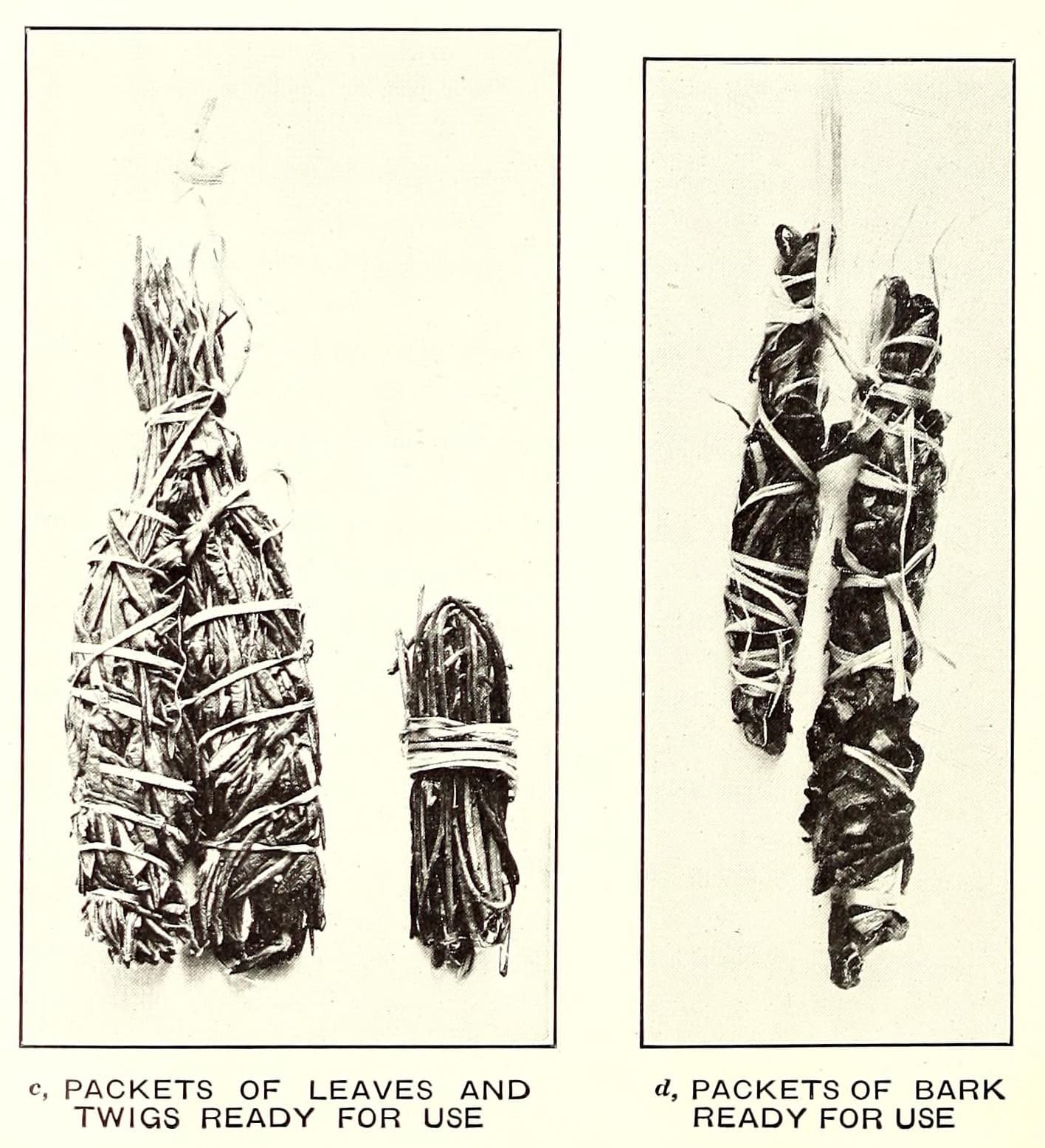
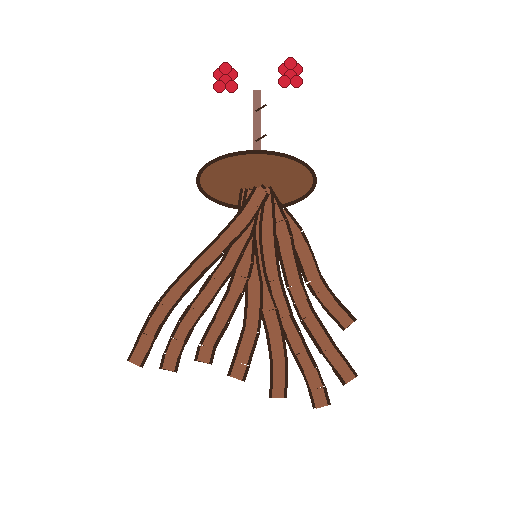
The root of wild red raspberry (Rubus strigosus) as the Chippewa kept it: dug out of sap time, cleaned, dried, tied in packets and bagged. Densmore records it as a decoction for dysentery.
འགོ་བཙུགས
An hour to dig, a week to dry
ལམ་སྟོན
1
1
Wild raspberry
Wild raspberry
Telling wild raspberry from blackberry (Give it a Grow).
2
2
Know the plant
Know the plant
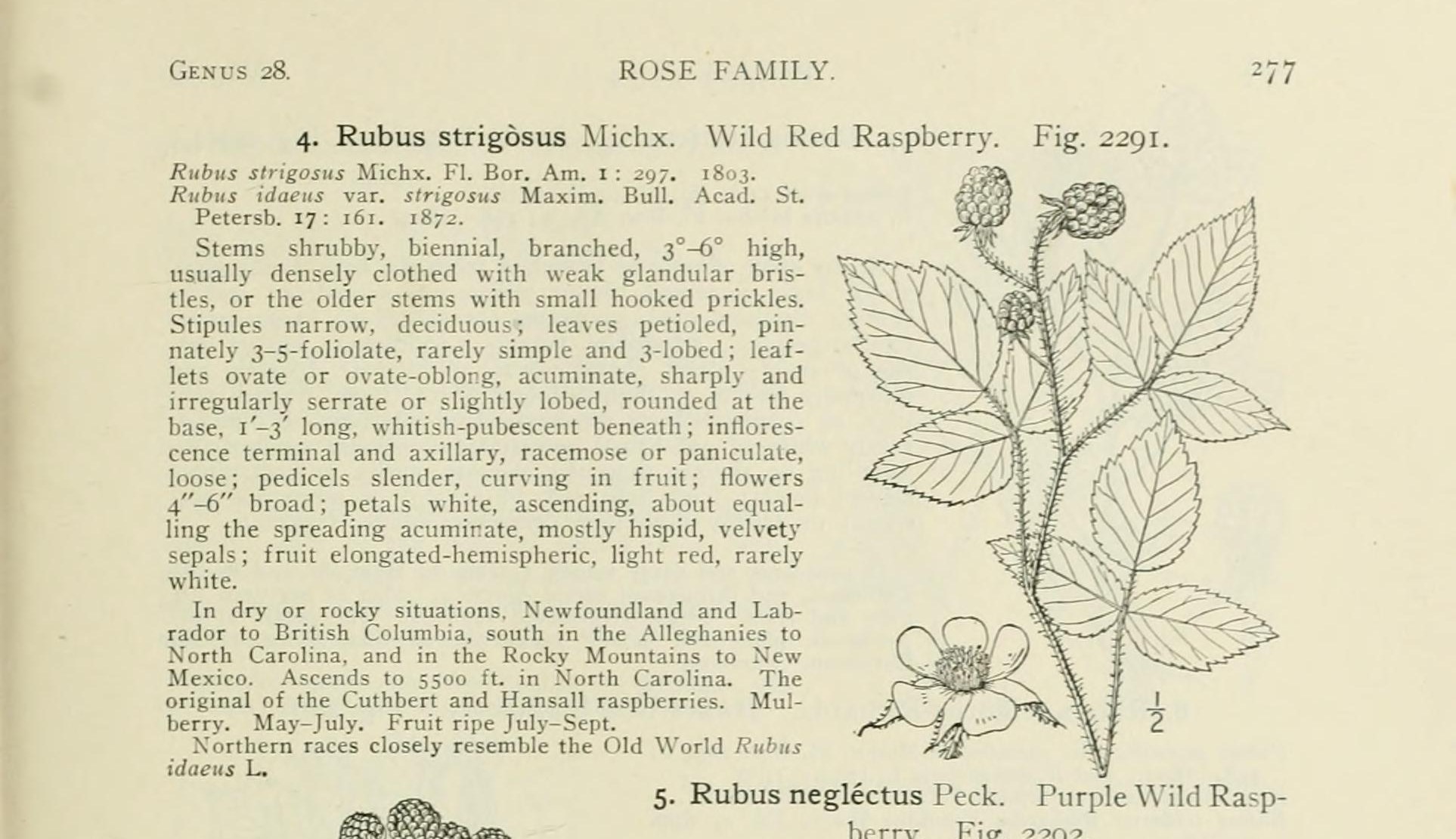
Britton and Brown (1913, vol. II, p. 277), Rubus strigosus, Wild Red Raspberry: shrubby two-year stems 3 to 6 feet, usually densely clothed with weak glandular bristles, the older stems with small hooked prickles; leaves of 3 to 5 leaflets, sharply toothed, whitish-hairy beneath; white flowers; fruit light red; in dry or rocky places, May-July, fruit July-September.
3
3
What the root is for
What the root is for
Densmore (1928, pp. 344-345), for dysentery: red raspberry, part used "Root", "Decoction", taken internally.

4
4
Dig at the right time
Dig at the right time
Densmore (p. 326): roots for later use were gathered "before the sap started in the spring or after it had gone down in the fall". Mark the canes while the berries show and come back in autumn (ours); lift the root with a digging stick.
ལག་ཆས་དགོས་མཁོ:
 བརྐོ་ཤིང།
 ཟོམ།
5
5
Clean the roots
Clean the roots
Shake the earth off carefully, as Densmore's Cass Lake informant did, or wash the roots, as at White Earth.
ལག་ཆས་དགོས་མཁོ:
ཟོམ།6
6
Dry them
Dry them
Spread the roots on a drying screen in an airy, shaded place (ours) and turn them daily until they snap.
ལག་ཆས་དགོས་མཁོ:
 སྐམ་ནིའི་སྒྲོམ
7
7
Tie in packets and bag
Tie in packets and bag
After drying, tie the roots in packets and keep them in a bag, as Densmore records.
ལག་ཆས་དགོས་མཁོ:
 རས་བལ་གྱི་ཐག་ཁུ།
 ལི་ནེན་གྱི་ཁུག་མ།
8
8
Prepare for use
Prepare for use
When needed, pound the root to shreds or pulverize it (p. 326); a mortar works too (ours).
ལག་ཆས་དགོས་མཁོ:
 གཏུན་ཁུང་དང་གཏུན་ཤིང་།
9
9
Troubleshooting
Troubleshooting
Root problems and fixes.
Flow
Loading...
10
10
Sources and honest limits
Sources and honest limits
Frances Densmore, Uses of Plants by the Chippewa Indians (1928), pp. 326 and 344-345; N. L. Britton and A. Brown, An Illustrated Flora of the Northern United States, vol. II (1913), p. 277. The drying screen and mortar are ours. Be sure of the plant before digging, and dig only where it is plentiful and allowed. The cover shows wild red raspberry in Superior National Forest, Minnesota (Superior National Forest, CC BY 2.0, Wikimedia Commons). Not made by us yet.
ལག་ཆས་དགོས་མཁོ
6- ས་ཆ་འཛིན
- ས་ཆ་འཛིན
- ས་ཆ་འཛིན
- ས་ཆ་འཛིན
- ས་ཆ་འཛིན
- ས་ཆ་འཛིན
མཐུད་སྦྲེལ་བིལུ་པིརིན་ཊི་རྫས་རིགས
བིལུ་པིརིན་ཊི་འདི་གིས་བཟོ་མི
CC0 སྤྱི་དབང
བིལུ་པིརིན་ཊི་འདི་CC0 འོག་བཀྲམས་ཡོད། ཁྱེད་རང་གིས་ཆོག་མཆན་མ་བཞེས་པར་ཕབ་ལེན་དང་བཟོ་བཅོས། བགོ་བཤའ། དགོས་མཁོ་གང་ལའང་བཀོལ་སྤྱོད་བྱས་ཆོག
བཟོ་མཁན་ལ་རྒྱབ་སྐྱོར་བྱེད་པའི་ཆེད་ཁོང་ཚོའི་བིལུ་པིརིན་ཊི་བརྒྱུད་ཐོན་སྐྱེད་ཉོ། བཟོ་མཁན་གྱིས བཟོ་མཁན་གྱི་ཁེ་ཕོགས ཚོང་པས་གཏན་འཁེལ་བྱས་པ། ཡང་ན་བིལུ་པིརིན་ཊི་འདིའི་པར་གསར་བཟོས་ཏེ་ཁྱེད་རང་གི་བིལུ་པིརིན་ཊི་ནང་མཐུད་སྦྲེལ་བྱས་ཏེ་ཡོང་སྒོ་བགོ་བཤའ་བྱེད།