སྒྱུ་རྩལ
མཛེས་སྡུག་དང་བདེ་ཐང
བཟོ་རིག
རིག་གནས་དང་ལོ་རྒྱུས
དགའ་སྟོན
ཁོར་ཡུག
ཟས་དང་བཏུང་རྫས
ཕྱིར་འཕྲུལ་རིག
ཚན་རིག
རྩེད་འགྲན
རིག་རྩལ
གྱོན་རུང
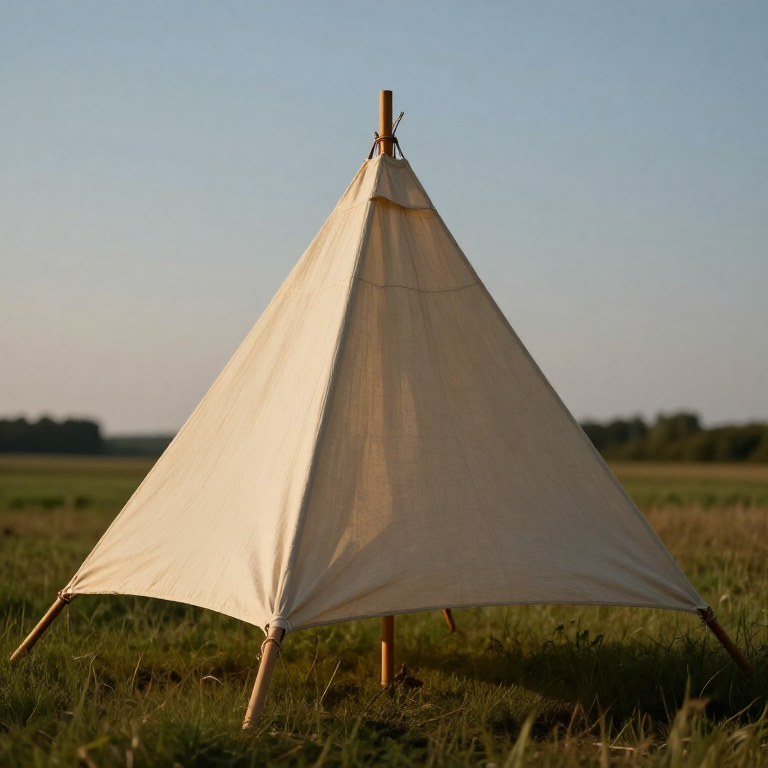


Building Leonardo da Vinci's Parachute — The Sealed Linen Pyramid of 1485
In a notebook around 1485 Leonardo da Vinci sketched a pyramid of sealed linen and wrote: 'If a man have a tent made of linen of which the apertures have all been stopped up, and it be twelve braccia across and twelve in depth, he will be able to throw himself down from any great height without suffering any injury.' For 500 years people assumed it could never work. In 2000 the skydiver Adrian Nicholas built it to Leonardo's exact dimensions and descended smoothly beneath it — proving the Renaissance master right. This blueprint reconstructs that rigid-frame linen pyramid: cut and sew the canopy, seal it airtight, lash the frame, and rig the harness.
མཐོ་རིམ
16
ལམ་སྟོན
1
1
Understand Leonardo's design
Understand Leonardo's design
Leonardo's parachute is a four-sided pyramid of sealed linen, twelve braccia (about 7 metres) square at the base and twelve braccia tall. Unlike a modern soft parachute it is held open by a rigid frame. The sealed cloth traps a large volume of air, and the drag of that trapped air slows the fall.
2
2
Cut the four canopy panels
Cut the four canopy panels
Cut four tall isosceles triangles of strong linen — one for each sloping face of the pyramid. Each triangle has a base of about 7 metres and rises to the apex. Add a generous seam allowance along every edge for stitching.
གོམ་པ་འདིའི་རྫས་རིགས:
 རས་གོས།60 square meter
ལག་ཆས་དགོས་མཁོ:
 ཇེམ་ཙི།
3
3
Sew the panels into a pyramid
Sew the panels into a pyramid
Stitch the four triangles together edge to edge to form the pyramid canopy. Punch the stitch holes with the awl and sew with strong waxed cord in a double row so the seams can carry the load of trapped air.
གོམ་པ་འདིའི་རྫས་རིགས:
 འཆིང་ཐག་ཆེན་མོ།20 མི་ཊར།
ལག་ཆས་དགོས་མཁོ:
 ཁབ་ཆེན།
4
4
Seal the linen airtight
Seal the linen airtight
Rub warmed beeswax and boiled linseed oil into the whole canopy so the weave is filled and 'the apertures are all stopped up', as Leonardo insisted. A sealed canopy traps the air instead of letting it leak through — this is what makes it work.
གོམ་པ་འདིའི་རྫས་རིགས:
 སྦྲང་ཞུན་གྱི་རྡོག་མ།500 gram
 བསྐོལ་བའི་ལིན་སིཊ་སྣུམ།1 ལི་ཊར།
5
5
Lash the square base frame
Lash the square base frame
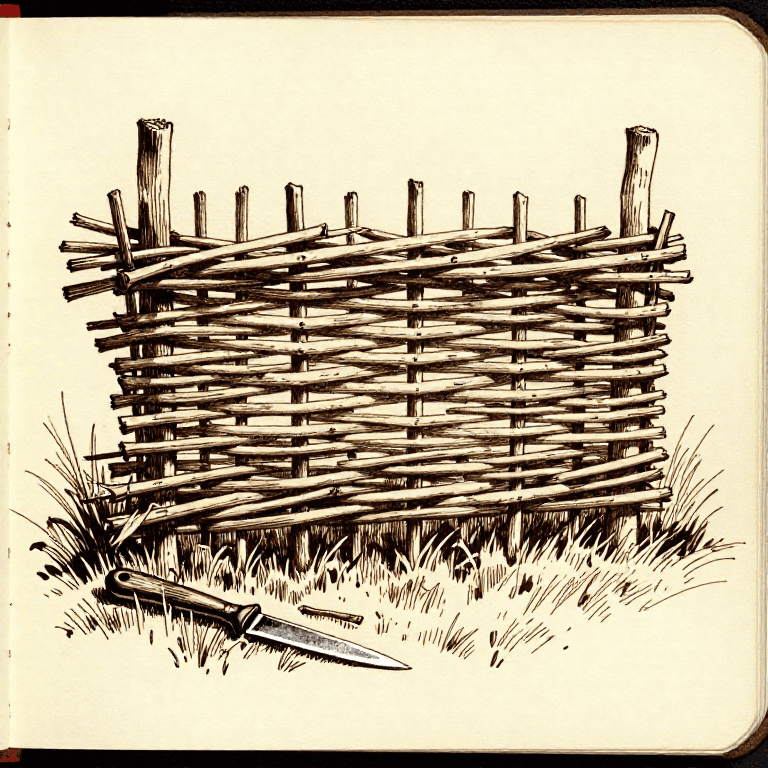
Cut four straight, light poles and lash them into a rigid square frame the full width of the canopy base. This frame holds the mouth of the pyramid open against the rush of air.
གོམ་པ་འདིའི་རྫས་རིགས:
 ཤིང་རློན་པའི་ཀ་བ།4 དུམ་བུ།འཆིང་ཐག་ཆེན་མོ།10 མི་ཊར།
ལག་ཆས་དགོས་མཁོ:
 ལག་སོག་ལེ།
6
6
Raise the apex struts
Raise the apex struts
Run light poles from each corner of the base frame up to a single apex point and lash them there, forming the pyramid's skeleton so the canopy keeps its shape and cannot collapse inward.
གོམ་པ་འདིའི་རྫས་རིགས:
ཤིང་རློན་པའི་ཀ་བ།4 དུམ་བུ།འཆིང་ཐག་ཆེན་མོ།10 མི་ཊར།ལག་ཆས་དགོས་མཁོ:
 གྲི།
གྲི།7
7
Mount the canopy on the frame
Mount the canopy on the frame
Lash the sealed canopy to the base frame and up the apex struts so it stands as a taut, rigid pyramid with no slack cloth to flap or spill air.
གོམ་པ་འདིའི་རྫས་རིགས:
འཆིང་ཐག་ཆེན་མོ།10 མི་ཊར།ལག་ཆས་དགོས་མཁོ:
ཁབ་ཆེན།8
8
Rig the harness lines
Rig the harness lines
Tie four strong suspension lines from the corners of the base frame down to a central harness, all the same length so the load hangs level and the trapped air stays balanced above the jumper.
གོམ་པ་འདིའི་རྫས་རིགས:
འཆིང་ཐག་ཆེན་མོ།20 མི་ཊར།ལག་ཆས་དགོས་མཁོ:
གྲི།9
9
Understand why it works
Understand why it works
The 7-metre sealed canopy presents a huge area to the air. The drag on that area is enough to hold a person's fall to a safe, steady speed. The rigid frame keeps the pyramid fully open the whole way down — the reason Leonardo's shape descends stably where a limp sheet would not.
10
10
Test responsibly
Test responsibly
Treat this as an engineering reconstruction, not a stunt. Inspect every seam and lashing under load, and demonstrate it as a scale model or a static drop test only. The historic full descent was made by a trained skydiver carrying a modern reserve parachute — never jump a home-built parachute.
རྫས་རིགས
7- 60 square meterས་ཆ་འཛིན
- 70 མི་ཊར།ས་ཆ་འཛིན
- 500 gramས་ཆ་འཛིན
- 1 ལི་ཊར།ས་ཆ་འཛིན
- 4 དུམ་བུ།ས་ཆ་འཛིན
- 1 དུམ་བུ།ས་ཆ་འཛིན
- 1 དུམ་བུ།ས་ཆ་འཛིན
མཐུད་སྦྲེལ་བིལུ་པིརིན་ཊི་རྫས་རིགས
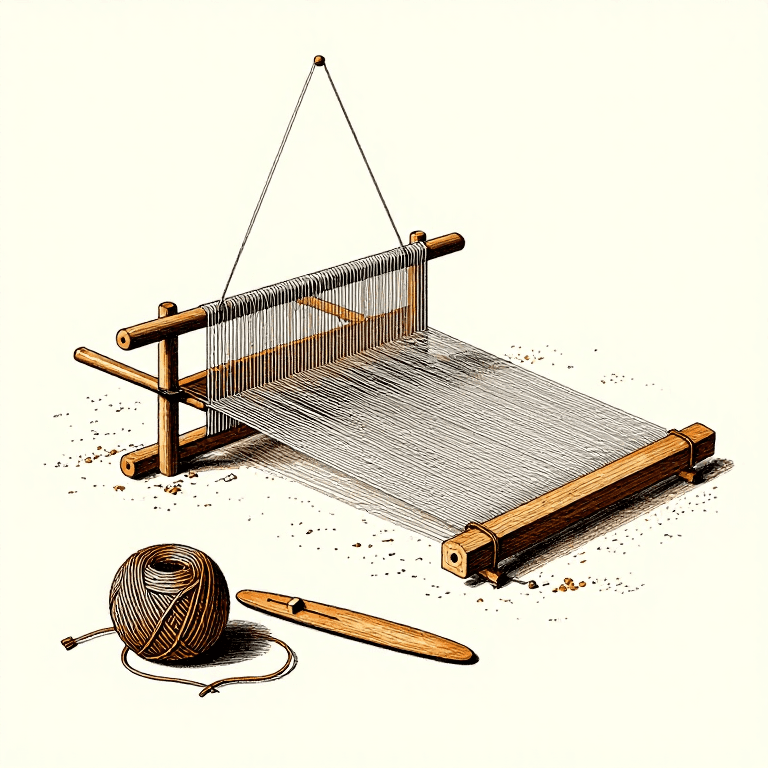

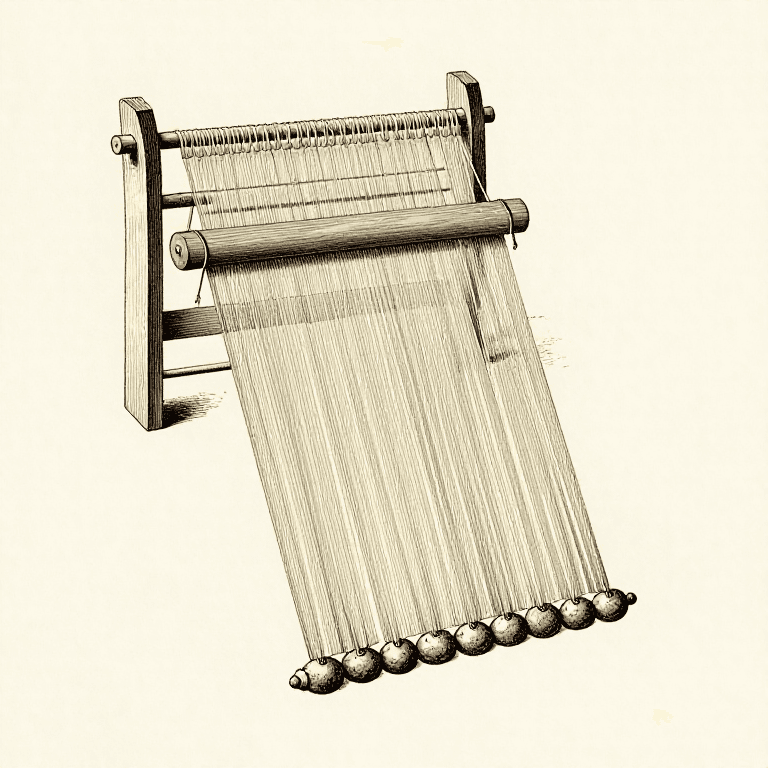
འབྲེལ་ཡོད་བིལུ་པིརིན་ཊི
བིལུ་པིརིན་ཊི་འདི་ཚུ་ཐབས་ལམ་དང་རྫས་རིགས། སྤྱི་ཆོས་བགོ་བཤའ་བྱེད

CC0 སྤྱི་དབང
བིལུ་པིརིན་ཊི་འདི་CC0 འོག་བཀྲམས་ཡོད། ཁྱེད་རང་གིས་ཆོག་མཆན་མ་བཞེས་པར་ཕབ་ལེན་དང་བཟོ་བཅོས། བགོ་བཤའ། དགོས་མཁོ་གང་ལའང་བཀོལ་སྤྱོད་བྱས་ཆོག
བཟོ་མཁན་ལ་རྒྱབ་སྐྱོར་བྱེད་པའི་ཆེད་ཁོང་ཚོའི་བིལུ་པིརིན་ཊི་བརྒྱུད་ཐོན་སྐྱེད་ཉོ། བཟོ་མཁན་གྱིས བཟོ་མཁན་གྱི་ཁེ་ཕོགས ཚོང་པས་གཏན་འཁེལ་བྱས་པ། ཡང་ན་བིལུ་པིརིན་ཊི་འདིའི་པར་གསར་བཟོས་ཏེ་ཁྱེད་རང་གི་བིལུ་པིརིན་ཊི་ནང་མཐུད་སྦྲེལ་བྱས་ཏེ་ཡོང་སྒོ་བགོ་བཤའ་བྱེད།