སྒྱུ་རྩལ
མཛེས་སྡུག་དང་བདེ་ཐང
བཟོ་རིག
རིག་གནས་དང་ལོ་རྒྱུས
དགའ་སྟོན
ཁོར་ཡུག
ཟས་དང་བཏུང་རྫས
ཕྱིར་འཕྲུལ་རིག
ཚན་རིག
རྩེད་འགྲན
རིག་རྩལ
གྱོན་རུང


Rotary-Wheel Can Opener
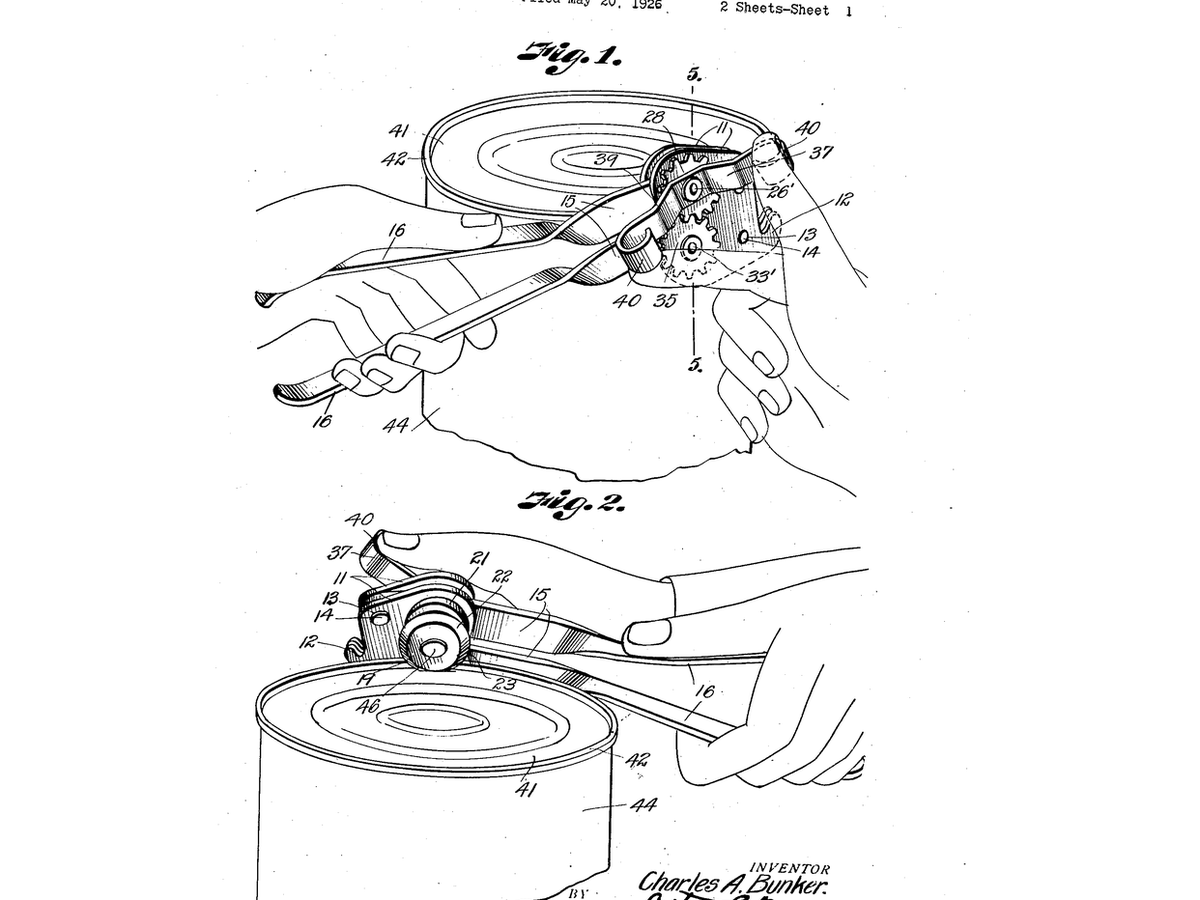
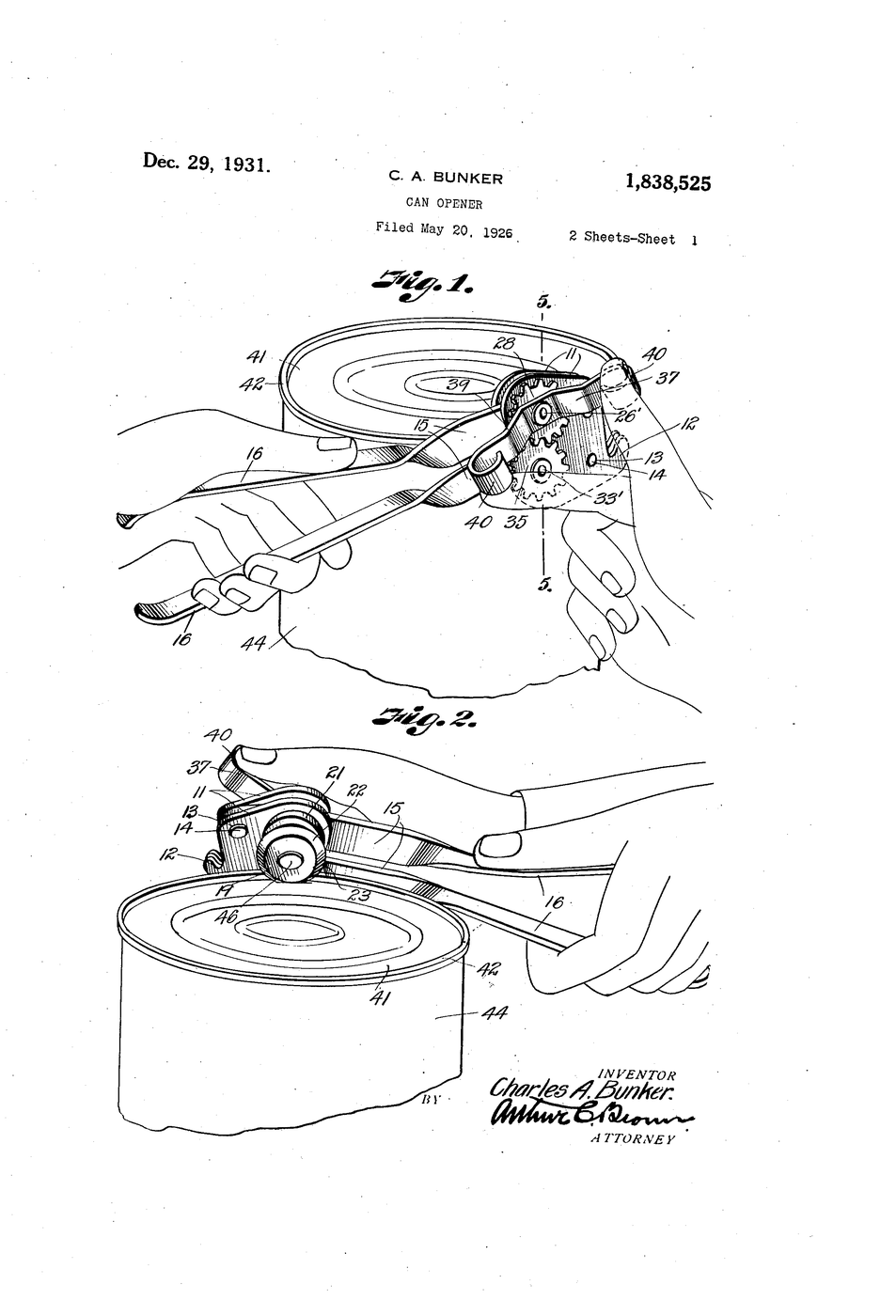
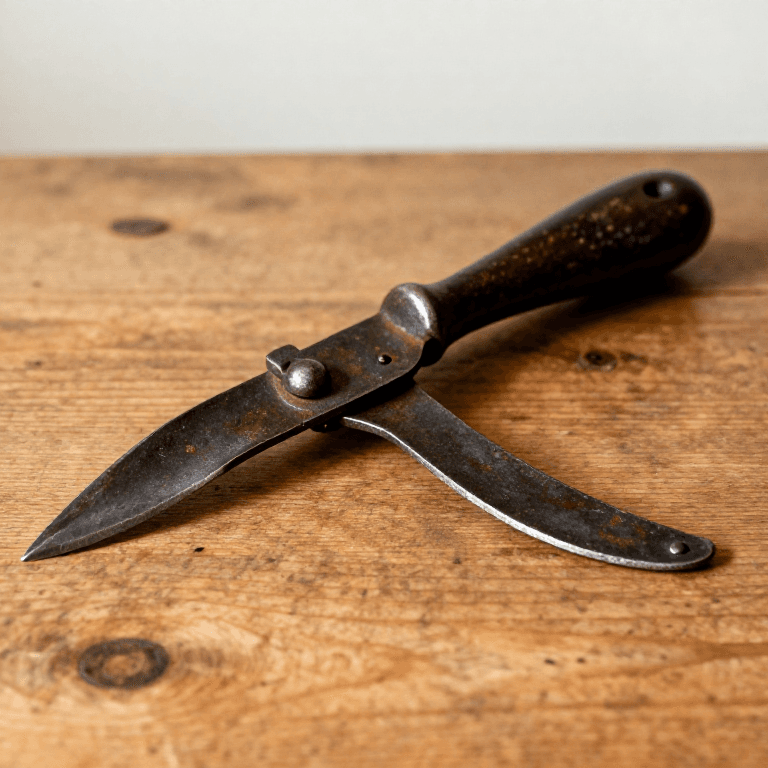
The 1858 lever opener already published is a blade you drive into the lid and saw along by hand: it leaves a torn edge, needs real force, and slips. Charles Arthur Bunker's rung is the one still in every kitchen drawer - a toothed feed wheel that grips the can's rim and walks the can past a hardened cutting wheel, so the cut is rolled, not torn.
**US 1,838,525**, "Can opener", Bunker, assigned to Bunker-Clancey Manufacturing, filed 20. May 1926, granted 29. December 1931.
**You build the head** - feed wheel, cutting wheel and crank on a plywood body - and measure the force it takes against the lever opener.
བར་མ
4 hours
ལམ་སྟོན
1
1
Win the cutting wheel
Win the cutting wheel
Take the hardened wheel and its axle from a cheap tubing cutter. Keep the wheel's edge unharmed - it is the one part you cannot file yourself.
གོམ་པ་འདིའི་རྫས་རིགས:
 སྦུ་གུ་གཏུབས་ཆས1 དུམ་བུ།
ལག་ཆས་དགོས་མཁོ:
 ལས་ཅོག་གི་འཛིན་ཆས།
 གསལ་བའི་ཉེན་སྲུང་མིག་ཤེལ།
2
2
Make the feed wheel
Make the feed wheel
Cut a 12 mm disc from steel bar or use a hex bolt head. File 16 shallow teeth around its edge with the triangular file - deep enough to bite a rim, not to cut it.
གོམ་པ་འདིའི་རྫས་རིགས:
 ཟུར་དྲུག་སྐྱོགས་ཤིང་གི་བསྡུ་ཚན།1 ཚན་པ།
 ནཊ་དང་ཝ་ཤར་གྱི་སྣ་ཚོགས་1 ཚན་པ།
ལག་ཆས་དགོས་མཁོ:
 ལྕགས་ཀྱི་དར་མ།
 ལྕགས་གཏུབ་སོག་ལེ།ལས་ཅོག་གི་འཛིན་ཆས།
3
3
Body and crank
Body and crank
From 18 mm plywood cut two side plates. Mount the feed wheel on a shaft through both, with a 45 mm crank arm. Mount the cutting wheel above it on a pivoting jaw so that squeezing the handles presses wheel to rim, exactly 1.5 mm inboard of the seam.
གོམ་པ་འདིའི་རྫས་རིགས:
 ཤིང་ལེབ་སྦྱར་མ།1 དུམ་བུ།
ལག་ཆས་དགོས་མཁོ:
 ལག་སོག་ལེ།
 ཐག་མེད་ཕུག་འཕྲུལ།
 ཐིག་ཤིང་།
4
4
Open a can
Open a can
Clamp an empty rinsed can's rim between the wheels, squeeze, and crank. Adjust the cutting wheel's height until it rolls a clean cut without jamming. Watch the fingers on the cut lid.
གོམ་པ་འདིའི་རྫས་རིགས:
 ཟངས་སྐྱ་གི་སྒྲོམ2 དུམ་བུ།
ལག་ཆས་དགོས་མཁོ:
གསལ་བའི་ཉེན་སྲུང་མིག་ཤེལ།5
5
Measure both openers
Measure both openers
Hook the spring scale to your crank and to the lever opener's handle in turn, and record the force needed while cutting - six readings each.
གོམ་པ་འདིའི་རྫས་རིགས:
ཟངས་སྐྱ་གི་སྒྲོམ2 དུམ་བུ།ལག་ཆས་དགོས་མཁོ:
 ཤུགས་འཇལ་ཆས་ (སི་པིརིང་སྲང)
 ལྕགས་ལེབ་གཏུབ་ནིའི་ཇེམ་ཙི།
6
6
Forces and wheel sizes
Forces and wheel sizes
Jupyter ཚང་དེབ་མངོན་གསལ་འབད་དོ་…
7
7
History & Context
History & Context
**What the patent specifies:** a feed wheel with teeth engaging the can's rim and a cutting wheel bearing on the lid, so turning a crank carries the can past the cutter. **Modern build (derived):** a tubing-cutter wheel and a filed feed wheel on a plywood body.
Later openers moved the cut to the side seam so the lid lifts out without a sharp edge, and motors replaced the crank. Its limits: the wheels must be set to the rim thickness, a bent rim stops the feed, and the cut edge of a top-cut lid is sharp.
རྫས་རིགས
5- 1 དུམ་བུ།ས་ཆ་འཛིན
- ས་ཆ་འཛིན
- 1 ཚན་པ།ས་ཆ་འཛིན
- 1 དུམ་བུ།ས་ཆ་འཛིན
- 4 དུམ་བུ།ས་ཆ་འཛིན
ལག་ཆས་དགོས་མཁོ
9- ས་ཆ་འཛིན
- ས་ཆ་འཛིན
- ས་ཆ་འཛིན
- ས་ཆ་འཛིན
- ས་ཆ་འཛིན
- 1 vendor sell this, none ship to you yetས་ཆ་འཛིན
- ས་ཆ་འཛིན
- ས་ཆ་འཛིན
- ས་ཆ་འཛིན
བིལུ་པིརིན་ཊི་འདི་གིས་བཟོ་མི
འབྲེལ་ཡོད་བིལུ་པིརིན་ཊི
བིལུ་པིརིན་ཊི་འདི་ཚུ་ཐབས་ལམ་དང་རྫས་རིགས། སྤྱི་ཆོས་བགོ་བཤའ་བྱེད
CC0 སྤྱི་དབང
བིལུ་པིརིན་ཊི་འདི་CC0 འོག་བཀྲམས་ཡོད། ཁྱེད་རང་གིས་ཆོག་མཆན་མ་བཞེས་པར་ཕབ་ལེན་དང་བཟོ་བཅོས། བགོ་བཤའ། དགོས་མཁོ་གང་ལའང་བཀོལ་སྤྱོད་བྱས་ཆོག
བཟོ་མཁན་ལ་རྒྱབ་སྐྱོར་བྱེད་པའི་ཆེད་ཁོང་ཚོའི་བིལུ་པིརིན་ཊི་བརྒྱུད་ཐོན་སྐྱེད་ཉོ། བཟོ་མཁན་གྱིས བཟོ་མཁན་གྱི་ཁེ་ཕོགས ཚོང་པས་གཏན་འཁེལ་བྱས་པ། ཡང་ན་བིལུ་པིརིན་ཊི་འདིའི་པར་གསར་བཟོས་ཏེ་ཁྱེད་རང་གི་བིལུ་པིརིན་ཊི་ནང་མཐུད་སྦྲེལ་བྱས་ཏེ་ཡོང་སྒོ་བགོ་བཤའ་བྱེད།